Understanding your specific risks is crucial in developing a practical readiness plan. Different regions face varied threats, such as natural disasters, civil disturbances, or health emergencies. By identifying the most likely scenarios, individuals can tailor their preparedness efforts accordingly. For instance, those living in hurricane-prone areas should focus on evacuation plans and flood supplies, while those in urban environments might prioritize shelter-in-place strategies.
A common mistake is underestimating the importance of a communication plan. In emergencies, traditional communication methods may fail. Having a designated meeting point, alternative communication methods, and a list of important contacts can significantly enhance safety. Additionally, regularly reviewing and practicing these plans helps ensure that everyone is familiar with procedures, reducing anxiety and confusion during real events.
Assessing Personal Risks
Assessing personal risks is the first step in any basic readiness guide. This involves evaluating potential threats based on location, lifestyle, and personal circumstances. For example, individuals in areas prone to earthquakes should consider structural integrity of their homes, while those in flood zones need to evaluate nearby water sources.
To effectively assess risks, individuals can utilize local government resources, hazard maps, and community feedback. This proactive approach allows for a comprehensive understanding of potential emergencies, enabling better planning. Remember that risks can change over time, so it is essential to revisit and update your assessments regularly.
Many underestimate the impact of seemingly minor risks, such as power outages or local civil unrest. These situations can escalate quickly and require readiness just as much as major disasters. Prioritizing a diverse range of potential scenarios ensures a well-rounded approach to preparedness.
Creating Your Emergency Plan
Creating an emergency plan is a critical component of any basic readiness guide. This plan should detail how to respond to various emergencies, including evacuation routes, shelter locations, and procedures for contacting family members. Each family member should be aware of their roles and responsibilities during an emergency.
When crafting your plan, consider factors such as transportation options, accessibility for elderly or disabled individuals, and pets. Regularly practicing the plan through drills can help ensure everyone knows what to do when the time comes. This preparation can significantly reduce panic and confusion during actual emergencies.
One common oversight is failing to plan for multiple scenarios. Ensure your plan includes contingencies for different types of emergencies, such as natural disasters versus technological failures. This comprehensive approach will enhance your overall readiness and confidence in facing unexpected situations.
Assembling Your Preparedness Kit
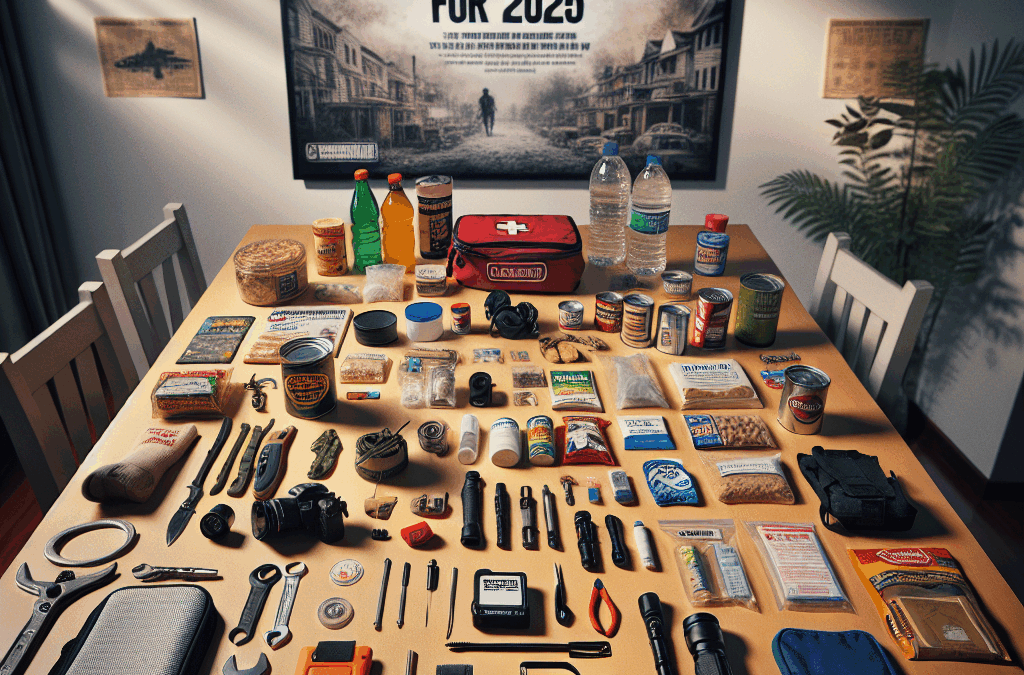
Assembling a preparedness kit is essential for executing your basic readiness guide effectively. A well-stocked kit should include food, water, first aid supplies, clothing, and tools that can sustain you for at least 72 hours. The contents should be tailored to your family’s specific needs, including medications and special items for infants or pets.
Regularly check and update your kit to ensure that food is not expired and supplies are intact. It is also beneficial to include items that can assist in potential scenarios, such as a flashlight, batteries, and a multi-tool. Being proactive in maintaining your kit can save valuable time during emergencies.
Many people overlook the importance of personal comfort items, such as books or games, which can help alleviate stress during prolonged emergencies. Prioritizing both essential and comfort items will lead to a more effective preparedness strategy.
Effective Communication Strategies
Effective communication strategies are crucial in any basic readiness guide. In times of crisis, reliable communication can be the difference between safety and confusion. Establishing a plan that includes family communication methods, emergency contacts, and local resources is vital.
Consider utilizing multiple forms of communication, such as text messages, social media, and even ham radios, to ensure messages can be sent and received even if traditional networks are down. Designating an out-of-area contact can also help families stay connected amid chaos.
Regularly reviewing and practicing these communication strategies is essential. Many families neglect to do this, leading to confusion during emergencies. By ensuring everyone is familiar with the plan, you can significantly enhance your overall preparedness.
Offers detailed guidance on creating emergency plans and assembling preparedness kits
Frequently Asked Questions
What should I include in my emergency preparedness kit?
Your kit should include water, non-perishable food, a first aid kit, clothing, tools, and any necessary medications.
How often should I review my emergency plan?
It is recommended to review your emergency plan at least once a year or whenever there are changes in your family or living situation.
What are common mistakes when preparing for emergencies?
Common mistakes include underestimating risks, neglecting to practice plans, and not keeping supplies updated.
How can I ensure my family stays connected during a disaster?
Establish a communication plan that includes an out-of-area contact and multiple communication methods.
Why is having a personal risk assessment important?
A personal risk assessment helps tailor your preparedness efforts to the specific threats you may face in your area.
Conclusion
In conclusion, a basic readiness guide is essential for ensuring personal safety and resilience in emergencies. By assessing risks, creating an emergency plan, assembling a preparedness kit, and establishing effective communication strategies, individuals can significantly enhance their preparedness. Prioritizing these components will help navigate through crises more confidently and efficiently. Regularly revisiting and practicing these strategies will further solidify your readiness, allowing you to respond effectively when it matters most.
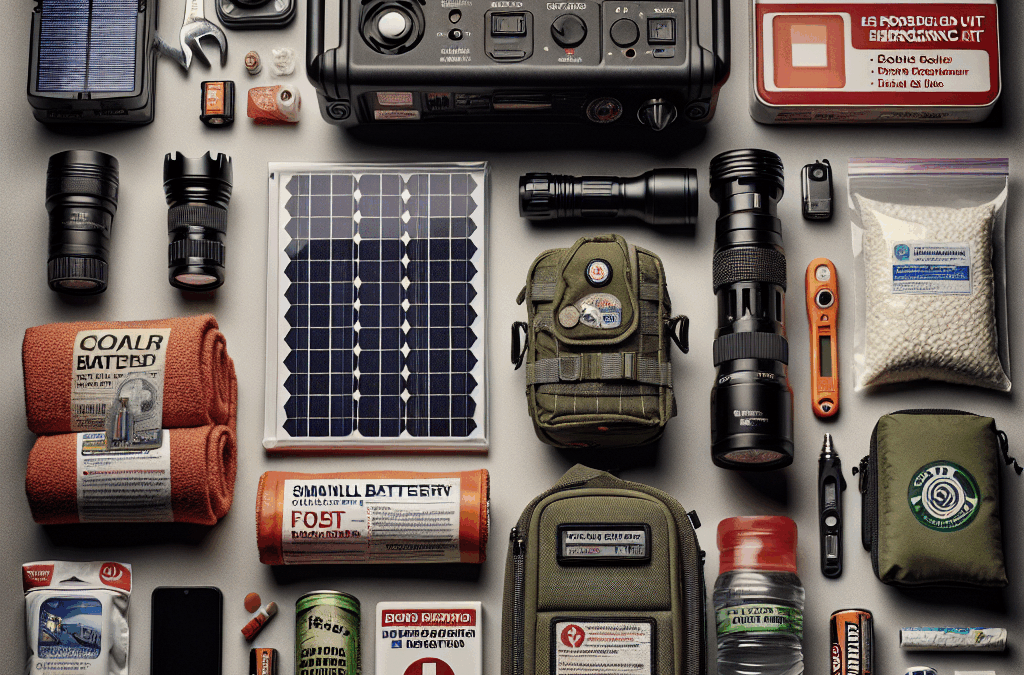
Prioritizing these items is vital, as they address fundamental needs during crises. For example, a first aid kit not only provides immediate medical assistance but can also prevent minor injuries from escalating into serious health issues. Similarly, a flashlight is invaluable in power outages, enabling you to navigate safely in the dark. Neglecting to equip yourself with these essentials can lead to dire consequences when emergencies arise.
Many people overlook the need for a water purification system, assuming access to clean water will always be available. However, during disasters, water sources can become contaminated, making purification supplies critical. Additionally, a portable charger helps keep communication devices operational, which is vital for receiving updates and reaching out for help. By understanding the importance of these items and ensuring they are part of your emergency preparedness plan, you can enhance your resilience in the face of unforeseen challenges.
First Aid Kit: Your Lifeline in Emergencies
A comprehensive first aid kit is one of the most critical components of emergency gear. It should include a variety of supplies such as bandages, antiseptics, gauze, scissors, and pain relievers. These items enable you to provide immediate care for injuries, which can be crucial in life-threatening situations.
When assembling your first aid kit, consider the specific needs of your household, including any chronic conditions or allergies. It’s also essential to regularly check and replenish supplies, as items can expire or be used over time. A well-prepared first aid kit can mean the difference between a minor injury and a more severe health crisis.
Many people make the mistake of purchasing a pre-packaged first aid kit without customizing it to their needs. Take the time to evaluate what additional supplies may be necessary based on your lifestyle, such as medications or specialized equipment. Prioritizing these adjustments ensures your kit is truly effective when you need it most.
Flashlights and Lighting Solutions: Ensuring Visibility
In emergencies, having a reliable source of light is essential. Flashlights, headlamps, and lanterns should be part of your emergency gear. They not only help you navigate in the dark but also serve as signaling devices in situations where you may need to attract attention.
When choosing flashlights, consider the brightness (measured in lumens), battery life, and durability. LED flashlights are often the best choice due to their energy efficiency and long lifespan. Additionally, having extra batteries or a solar-powered option can enhance your preparedness.
A common oversight is failing to test flashlights regularly or forgetting to replace batteries. Make it a habit to check your lighting solutions periodically, especially before storm seasons or known emergencies. This simple action can ensure your safety and visibility when it matters most.
Multi-Tools: Versatility at Your Fingertips
A good multi-tool can be invaluable in an emergency, providing a range of functions from cutting to screwing to opening bottles. This compact device can save space in your emergency kit while ensuring you have the tools needed for various tasks.
When selecting a multi-tool, look for one that includes essential tools like pliers, knives, screwdrivers, and scissors. The versatility of a multi-tool means you can tackle different challenges without needing a bulky toolkit, making it practical for both everyday use and emergencies.
However, many people underestimate the importance of knowing how to use their multi-tool effectively. Take the time to familiarize yourself with its functions and practice using it. This preparation can help you act quickly and confidently during emergencies.
Water Purification: Staying Hydrated and Safe
Access to safe drinking water is critical in emergencies, making water purification supplies essential. Options include water filters, purification tablets, and portable water purifiers, each designed to remove contaminants and ensure safe hydration.
Understanding how to use these purification methods is crucial. For instance, some filters require specific maintenance, while tablets may need time to work effectively. Be sure to read instructions carefully and practice using your purification system to ensure you’re prepared when the need arises.
A common mistake is waiting until an emergency occurs to consider water purification. Many individuals assume bottled water will always be available, but this is not guaranteed during disasters. Proactively incorporating water purification supplies into your emergency gear will enhance your preparedness and safety.
Portable Chargers: Keeping You Connected
In an emergency, keeping your communication devices charged is vital for staying informed and connected. A portable charger or power bank can ensure your phone remains operational during power outages, allowing you to receive alerts and communicate with loved ones.
When selecting a portable charger, consider its capacity (measured in milliamp hours, or mAh), charging speed, and compatibility with your devices. Having a charger that can power multiple devices or that comes with solar charging capabilities can further enhance your emergency readiness.
Many people overlook the importance of keeping their chargers stored properly and fully charged. Regularly check your portable chargers and maintain them to ensure they are ready when you need them. This diligence can make a significant difference in your ability to respond during emergencies.
Understanding the importance of these tips is crucial as they can mean the difference between safety and chaos. When faced with an emergency, people often panic, leading to poor decision-making. By preparing in advance and having a clear plan, individuals can navigate evacuation procedures more effectively. Common mistakes include neglecting to stay informed about local emergency plans or failing to have essential supplies ready.
Moreover, many underestimate the need for regular practice. Just as fire drills are standard in many workplaces, similar practices at home can familiarize all family members with evacuation routes and procedures. This preparation helps mitigate panic in real situations and ensures that everyone knows their role.
Identify Your Evacuation Routes
Knowing your evacuation routes is the first step in ensuring a successful emergency exit. Familiarize yourself with all available routes, including secondary ones, in case the primary path is blocked.
In many emergencies, the quickest route may not be the safest. For instance, during a fire, it is crucial to avoid smoke-filled areas. Assessing the safest paths ahead of time can save precious moments during an actual evacuation.
Additionally, consider the accessibility of these routes for all family members, including children and the elderly. Regularly review and update your plans as circumstances change, such as new construction or road closures.
Prepare an Emergency Kit
An emergency kit is vital for any evacuation plan. This kit should include essential items such as water, non-perishable food, medications, first-aid supplies, and important documents.
When preparing your kit, prioritize items that cater to the specific needs of your family. For example, if you have infants, include baby formula and diapers. Regularly check expiration dates and refresh contents as necessary.
A common mistake is to underestimate the amount of water needed. Aim for at least one gallon per person per day for at least three days, considering both drinking and sanitation needs.
Practice Your Evacuation Plan
Regularly practicing your evacuation plan helps solidify the steps everyone needs to take during an emergency. Conducting drills allows family members to rehearse their roles, which can help reduce anxiety and confusion.
During drills, simulate various scenarios to prepare for different emergencies, such as fires or natural disasters. Discuss what to do if family members are separated and how to communicate.
Many people overlook the importance of practicing at different times and under varying conditions, such as at night or during inclement weather. This practice helps ensure readiness regardless of the circumstances.
Stay Informed During Emergencies
Staying informed is crucial during any emergency evacuation. Utilize multiple sources of information, including local news, community alerts, and official social media accounts.
Understanding the nature of the emergency can influence your evacuation decisions. For example, knowing whether an evacuation order is mandatory or voluntary can help you assess your level of urgency.
Many individuals mistakenly rely on a single source of information, leading to misinformation. Having a backup plan for communication, such as a family group text or designated meeting place, ensures everyone stays connected.
Public health guidance for emergencies, disasters, and recovery situations.
Frequently Asked Questions
What should I include in my emergency evacuation kit?
Your kit should include water, non-perishable food, medications, a flashlight, batteries, first-aid supplies, and important documents.
How often should I practice my evacuation plan?
Practice your evacuation plan at least twice a year, and consider additional drills during different scenarios.
What are the most common mistakes during an evacuation?
Common mistakes include not having a clear plan, failing to prepare an emergency kit, and not staying informed about the situation.
How can I ensure my family stays safe during an evacuation?
Ensure everyone knows the evacuation routes and procedures, practice regularly, and maintain open communication during emergencies.
What should I do if I am separated from my family during an evacuation?
Have a designated meeting place and a communication plan in place to reconnect with family members if separated.
Conclusion
In conclusion, effective emergency evacuation tips are vital for ensuring safety during crises. By identifying evacuation routes, preparing an emergency kit, practicing regularly, and staying informed, individuals can significantly enhance their preparedness. Prioritize these steps to create a robust evacuation plan that can protect you and your loved ones in emergencies.
In today’s unpredictable environment, factors such as natural disasters, pandemics, and technological failures necessitate a proactive approach to crisis readiness. Organizations often fall short by underestimating the complexity of crisis scenarios and failing to conduct comprehensive risk assessments. Prioritizing training and resource allocation can significantly enhance resilience and response times.
A common mistake is to assume that existing emergency plans are sufficient without regular updates and drills. Regularly reviewing and practicing crisis response plans ensures that all stakeholders are familiar with their roles and responsibilities, which is crucial for effective execution during an actual emergency.
Understanding Crisis Readiness
Crisis readiness begins with a clear understanding of potential threats and vulnerabilities. This involves identifying the types of crises that could impact an organization or community, such as natural disasters, cyberattacks, or public health emergencies. By mapping out these risks, organizations can develop tailored response plans that address specific scenarios.
Many organizations overlook the importance of conducting thorough risk assessments, which can lead to inadequate preparation. It’s crucial to involve various stakeholders in this process, including local authorities, emergency services, and community members, to gain diverse perspectives and insights. This collaborative approach not only enhances the planning process but also fosters a culture of preparedness within the organization.
Moreover, organizations should prioritize flexibility in their crisis plans. The ability to adapt to changing circumstances during a crisis can significantly impact the effectiveness of the response. Regularly revisiting and updating crisis readiness plans ensures they remain relevant and effective.
Key Elements of Effective Crisis Planning
Effective crisis planning involves several key components, including communication protocols, resource management, and defined roles and responsibilities. Establishing clear lines of communication is vital for coordinating response efforts, particularly in large organizations where information may need to flow between multiple departments.
Additionally, organizations should clearly define the roles of crisis management teams and ensure that all members understand their responsibilities. This clarity helps prevent confusion during an emergency and allows for a more streamlined response. Regular training and simulations can help reinforce these roles and ensure that everyone is prepared to act swiftly.
Another critical element is the allocation of resources. Organizations must identify essential resources, such as personnel, equipment, and technology, that will be needed during a crisis. Developing a resource inventory and identifying potential gaps can help organizations prepare for various scenarios.
Training and Drills: Building Capability
Regular training and drills are essential for building crisis readiness. These exercises help familiarize staff with emergency procedures and ensure they understand their roles in a crisis. Training should be tailored to the specific risks identified during the planning phase and should involve realistic simulations to test the effectiveness of response plans.
Moreover, organizations should encourage a culture of continuous improvement. After each drill, conducting a debriefing session can help identify areas for improvement and refine the crisis response plans. This iterative process ensures that organizations remain agile and can adapt to new threats as they arise.
It’s also important to engage external stakeholders, such as local emergency services, during training exercises. This collaboration can enhance coordination and communication during actual emergencies, ultimately leading to a more effective collective response.
Resource Allocation: Ensuring Availability
Resource allocation is a critical aspect of crisis readiness. Organizations must ensure they have the necessary resources, including personnel, equipment, and funding, to respond effectively to crises. This involves not only identifying what resources are needed but also securing them in advance.
Budget constraints can often hinder effective resource allocation. Organizations should prioritize investing in crisis readiness by allocating funds specifically for emergency preparedness initiatives. This may include purchasing equipment, funding training programs, or establishing partnerships with external agencies.
Furthermore, organizations should consider developing a resource-sharing network with other local organizations. This collaboration can enhance resource availability during crises, as organizations can pool their resources and expertise to respond more effectively.
When creating your emergency storage checklist, it’s essential to prioritize the most critical items first. Consider factors such as the number of people in your household, specific dietary needs, and potential hazards in your area. For instance, if you live in a flood-prone region, prioritizing waterproof storage for important documents and medications is vital. Additionally, ensure your supplies are easily accessible and regularly updated to prevent spoilage and obsolescence.
Many people overlook the importance of including personal items in their emergency storage checklist. This can include things like spare clothing, hygiene products, and comfort items for children or pets. Failing to account for these personal needs can lead to increased stress during an emergency. Aim to create a well-rounded checklist that not only addresses basic survival needs but also considers emotional well-being.
Food and Water Supplies
Having an adequate supply of food and water is the foundation of any emergency storage checklist. Non-perishable food items such as canned goods, dried fruits, and nuts are excellent choices as they have a long shelf life and provide essential nutrients. Aim for a minimum of a three-day supply of food and at least one gallon of water per person per day. It’s also wise to consider special dietary needs and preferences.
In addition to food, ensure you have a reliable method for purifying water, especially if your water supply becomes contaminated during an emergency. Water purification tablets or filters can be invaluable in such situations. Regularly check the expiration dates on your food and water supplies to maintain their effectiveness.
It’s easy to underestimate how much food and water you’ll need, especially if you have a larger family or pets. Consider creating a rotation system for your supplies, using the oldest items first and replacing them to ensure you always have fresh stock on hand. This practice can also help you avoid waste and ensure your emergency supplies remain viable.
Medical Supplies
Medical supplies are another critical component of your emergency storage checklist. A well-stocked first aid kit should include bandages, antiseptic wipes, adhesive tape, and any necessary prescription medications. Additionally, consider including over-the-counter medications such as pain relievers, antihistamines, and cold/flu remedies.
When assembling your medical supplies, consider the specific health needs of your household members. For example, if someone has chronic health conditions, ensure you have an adequate supply of necessary medications. Regularly review and update your medical supplies to account for changes in your family’s health needs.
A common mistake is not accounting for the potential need for mental health support during emergencies. Consider including resources for stress relief, such as books, games, or comfort items, to help maintain morale during a crisis. Prioritizing mental well-being alongside physical health can make a significant difference in your family’s overall resilience.
Personal Documents and Essentials
In an emergency, having easy access to personal documents can be crucial for recovery and safety. This includes identification, insurance policies, medical records, and important financial documents. Store these items in a waterproof container to protect them from damage.
It’s also wise to have digital copies of these documents stored securely online or on a USB drive. This ensures you can access them even if physical copies are lost or destroyed. Regularly review and update your document storage to reflect any changes in your personal information.
Many individuals overlook the significance of including emergency contact information in their documents. Create a list of important contacts, including family members, doctors, and local emergency services. This can streamline communication and help you quickly reach out for assistance if needed.
Tools and Equipment
Having the right tools and equipment can make a significant difference in your ability to respond effectively during an emergency. This includes items such as flashlights, batteries, multi-tools, and emergency blankets. Ensure that your equipment is in working order and easily accessible.
When selecting tools, consider the specific needs of your household and the types of emergencies you are most likely to face. For instance, if you live in an area prone to power outages, investing in a portable generator or solar charger may be beneficial. Regularly test and maintain your equipment to ensure it functions correctly when needed.
A common pitfall is neglecting to practice using your emergency tools. Familiarize yourself and your family with how to operate equipment, such as generators or first aid kits. This preparation can save precious time during an actual emergency and enhance your family’s confidence in handling the situation.
Further Reading
For more information on emergency preparedness and storage, consider visiting reputable sources such as the Federal Emergency Management Agency (FEMA) or the American Red Cross. These organizations provide comprehensive resources and checklists tailored to various emergency scenarios.
Public health guidance for emergencies, disasters, and recovery situations.
Frequently Asked Questions
What items should be included in an emergency storage checklist?
Essential items typically include non-perishable food, water, medical supplies, personal documents, and tools for emergency situations.
How often should I update my emergency storage supplies?
It’s recommended to review and update your supplies every six months to ensure items are not expired and to adjust for any changes in your household.
How much water should I store for emergencies?
Plan for at least one gallon of water per person per day for at least three days, plus additional water for pets.
What are common mistakes when preparing an emergency storage checklist?
Common mistakes include underestimating the amount of food and water needed, neglecting personal items, and failing to regularly check expiration dates.
Why is mental health support important in emergencies?
Mental health support can help maintain morale and resilience during crises, making it essential to include comfort items and stress relief resources.
Conclusion
Creating a thorough emergency storage checklist is a vital step in ensuring your family’s safety and preparedness during unexpected situations. Focus on essential items like food, water, medical supplies, and personal documents, while also considering mental health support. Regularly review and update your supplies to adapt to changing needs and circumstances. By prioritizing these aspects, you can enhance your family’s resilience and readiness for any emergency.
Understanding the landscape of information during a disaster is crucial. Many individuals rely solely on one source, which can lead to gaps in critical updates or exposure to false information. For example, during a natural disaster, emergency management agencies often issue alerts through various platforms. Monitoring these channels can provide insights into evacuation orders, safety protocols, and resource availability. However, it is essential to cross-reference information to avoid falling prey to rumors or misleading reports.
Another common mistake is underestimating the importance of proactive preparation. Many people wait until a disaster strikes to seek information, which can lead to panic and confusion. By setting up alerts and following reliable sources beforehand, you can ensure you’re not scrambling for information when it matters most. Establishing a routine to check updates from trusted sources can create a more informed and less reactive approach during emergencies.
Understanding Reliable Sources
Reliable sources of information during a disaster are essential for ensuring safety and preparedness. Official government websites, local news outlets, and emergency management agencies provide timely and accurate updates. These sources typically have protocols for verifying information before dissemination, reducing the risk of misinformation.
Many people mistakenly rely on social media or unofficial channels as their primary information source. While social media can be beneficial for real-time updates, it is crucial to verify information through official channels. Cross-referencing reports from trusted local news outlets or government agencies can help confirm the accuracy of the information received.
When setting up your information intake, prioritize sources that have demonstrated reliability in past emergencies. Follow official accounts on social media and frequently check their websites for updates. This proactive approach can prevent reliance on potentially misleading information that may circulate online.
Setting Up Alerts and Notifications
Setting up alerts and notifications is a vital step in staying informed during disasters. Many local governments and agencies offer subscription services for emergency alerts via text messages, emails, or mobile apps. These notifications can provide immediate updates about weather warnings, road closures, and evacuation orders.
However, it is important to choose the right alert systems based on your location. Some areas may have specific alert systems that cater to local needs, while others might use broader national services. Researching and registering for these alerts ahead of time ensures you receive timely information tailored to your situation.
Additionally, consider the frequency of updates and how they may impact your ability to respond. Too many alerts may lead to alert fatigue, causing important notifications to be overlooked. Prioritize the most relevant sources and customize your preferences when possible to maintain an effective flow of information.
Utilizing Social Media Effectively
Social media is a powerful tool for staying informed during disasters, but it requires a strategic approach to maximize its effectiveness. Platforms like Twitter and Facebook can provide real-time updates from both official sources and community members. However, the challenge lies in filtering out noise and misinformation.
To utilize social media effectively, follow official accounts of local emergency management agencies, news outlets, and organizations dedicated to disaster response. Create lists or groups to streamline updates and focus on credible sources. Engaging with community groups can also provide localized information that may not be covered by larger news outlets.
Another consideration is the timing of your social media checks. During a disaster, information can evolve rapidly. Regularly checking updates at specific intervals can help you stay informed without becoming overwhelmed. Be cautious of sharing unverified information, as this can contribute to the spread of misinformation.
Staying Updated During an Ongoing Disaster
During an ongoing disaster, staying updated requires vigilance and adaptability. As situations evolve, the nature of information can shift from warnings to recovery resources. It is important to remain flexible in your information sources and adjust your priorities based on the current state of the disaster.
Many individuals misjudge the importance of continuously monitoring updates. Information that may have seemed relevant earlier could become outdated quickly. Regularly revisiting trusted sources and engaging with local community platforms can provide insights into changing conditions and available resources.
In times of crisis, consider how you can contribute to the information landscape. Sharing verified updates with your network can help others stay informed while also reinforcing your knowledge of the situation. Collaboration and communication within your community can enhance overall preparedness and response efforts.
The American Red Cross provides guidelines on emergency preparedness and staying informed during disasters
Frequently Asked Questions
What should I do first during a disaster?
First, secure your safety by following official alerts and guidance. Ensure you have a communication plan and access to emergency supplies.
How can I verify information during a disaster?
Cross-check information from social media with trusted sources like government agencies and local news outlets to ensure accuracy.
Are there apps for disaster alerts?
Yes, many local governments provide apps for real-time alerts. Additionally, national services like FEMA have apps to keep you informed.
What should I include in my emergency communication plan?
Your plan should include contact information, meeting locations, and a list of reliable sources for updates during a disaster.
How can I help others stay informed during a disaster?
Share verified updates through social media and community groups, ensuring that your network has access to accurate information.
Conclusion
Staying informed during disasters is a critical component of effective emergency management. By utilizing reliable sources, setting up alerts, and leveraging social media, you can enhance your situational awareness and preparedness. Prioritize real-time updates from trusted channels and maintain flexibility in your information intake as situations evolve. Remember that proactive preparation and community engagement can significantly impact your ability to navigate emergencies effectively. Stay vigilant, and ensure you are equipped with the knowledge necessary to respond appropriately.