
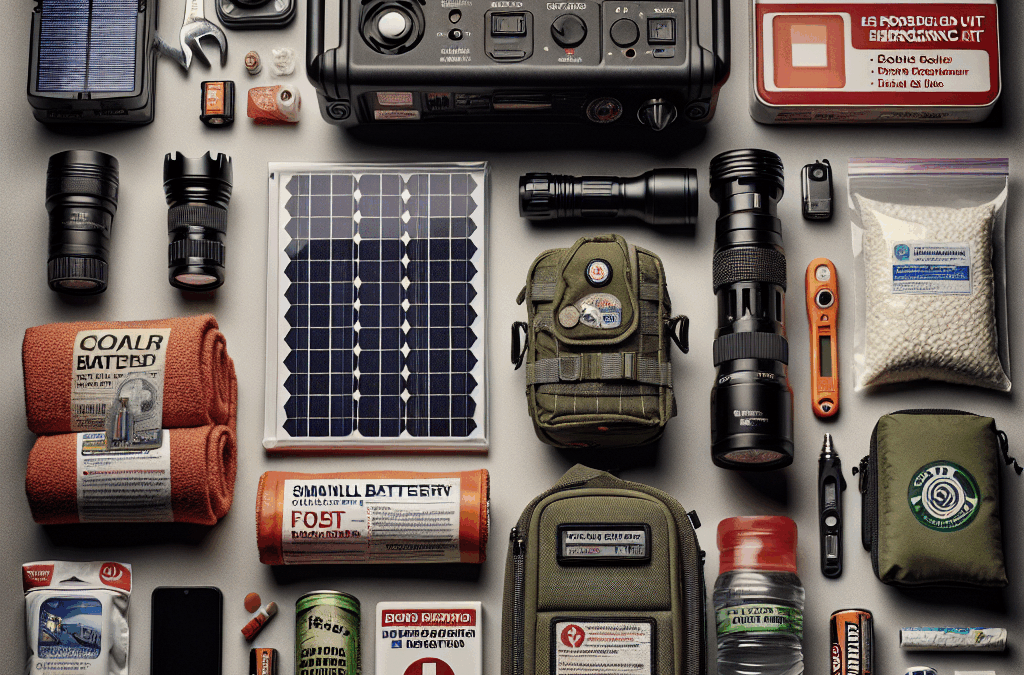
Prioritizing these items is vital, as they address fundamental needs during crises. For example, a first aid kit not only provides immediate medical assistance but can also prevent minor injuries from escalating into serious health issues. Similarly, a flashlight is invaluable in power outages, enabling you to navigate safely in the dark. Neglecting to equip yourself with these essentials can lead to dire consequences when emergencies arise.
Many people overlook the need for a water purification system, assuming access to clean water will always be available. However, during disasters, water sources can become contaminated, making purification supplies critical. Additionally, a portable charger helps keep communication devices operational, which is vital for receiving updates and reaching out for help. By understanding the importance of these items and ensuring they are part of your emergency preparedness plan, you can enhance your resilience in the face of unforeseen challenges.
First Aid Kit: Your Lifeline in Emergencies
A comprehensive first aid kit is one of the most critical components of emergency gear. It should include a variety of supplies such as bandages, antiseptics, gauze, scissors, and pain relievers. These items enable you to provide immediate care for injuries, which can be crucial in life-threatening situations.
When assembling your first aid kit, consider the specific needs of your household, including any chronic conditions or allergies. It’s also essential to regularly check and replenish supplies, as items can expire or be used over time. A well-prepared first aid kit can mean the difference between a minor injury and a more severe health crisis.
Many people make the mistake of purchasing a pre-packaged first aid kit without customizing it to their needs. Take the time to evaluate what additional supplies may be necessary based on your lifestyle, such as medications or specialized equipment. Prioritizing these adjustments ensures your kit is truly effective when you need it most.
Flashlights and Lighting Solutions: Ensuring Visibility
In emergencies, having a reliable source of light is essential. Flashlights, headlamps, and lanterns should be part of your emergency gear. They not only help you navigate in the dark but also serve as signaling devices in situations where you may need to attract attention.
Thank you for reading this post, don't forget to subscribe NOW for FREE!

When choosing flashlights, consider the brightness (measured in lumens), battery life, and durability. LED flashlights are often the best choice due to their energy efficiency and long lifespan. Additionally, having extra batteries or a solar-powered option can enhance your preparedness.
A common oversight is failing to test flashlights regularly or forgetting to replace batteries. Make it a habit to check your lighting solutions periodically, especially before storm seasons or known emergencies. This simple action can ensure your safety and visibility when it matters most.
Multi-Tools: Versatility at Your Fingertips
A good multi-tool can be invaluable in an emergency, providing a range of functions from cutting to screwing to opening bottles. This compact device can save space in your emergency kit while ensuring you have the tools needed for various tasks.
When selecting a multi-tool, look for one that includes essential tools like pliers, knives, screwdrivers, and scissors. The versatility of a multi-tool means you can tackle different challenges without needing a bulky toolkit, making it practical for both everyday use and emergencies.
However, many people underestimate the importance of knowing how to use their multi-tool effectively. Take the time to familiarize yourself with its functions and practice using it. This preparation can help you act quickly and confidently during emergencies.
Water Purification: Staying Hydrated and Safe
Access to safe drinking water is critical in emergencies, making water purification supplies essential. Options include water filters, purification tablets, and portable water purifiers, each designed to remove contaminants and ensure safe hydration.

Understanding how to use these purification methods is crucial. For instance, some filters require specific maintenance, while tablets may need time to work effectively. Be sure to read instructions carefully and practice using your purification system to ensure you’re prepared when the need arises.
A common mistake is waiting until an emergency occurs to consider water purification. Many individuals assume bottled water will always be available, but this is not guaranteed during disasters. Proactively incorporating water purification supplies into your emergency gear will enhance your preparedness and safety.
Portable Chargers: Keeping You Connected
In an emergency, keeping your communication devices charged is vital for staying informed and connected. A portable charger or power bank can ensure your phone remains operational during power outages, allowing you to receive alerts and communicate with loved ones.
When selecting a portable charger, consider its capacity (measured in milliamp hours, or mAh), charging speed, and compatibility with your devices. Having a charger that can power multiple devices or that comes with solar charging capabilities can further enhance your emergency readiness.
Many people overlook the importance of keeping their chargers stored properly and fully charged. Regularly check your portable chargers and maintain them to ensure they are ready when you need them. This diligence can make a significant difference in your ability to respond during emergencies.
Further Reading
Authoritative Sources
- Emergency Kit Checklist
ready.govThis resource outlines essential items for a comprehensive emergency kit, ensuring you are well-prepared for various situations
- Red Cross Emergency Preparedness
redcross.orgThe Red Cross provides valuable information on emergency preparedness, including gear recommendations and safety tips
- FEMA's Continuity Planning
fema.govThis guide from FEMA emphasizes the importance of having an emergency plan and the necessary gear to support it
Frequently Asked Questions
What should I include in my first aid kit?
Your first aid kit should include bandages, antiseptics, gauze, scissors, pain relievers, and any personal medications.
How often should I check my emergency gear?
Regular checks of your emergency gear are essential.
It’s recommended to review and replenish your emergency supplies at least twice a year to ensure everything is functional and not expired.
Can I use regular water filters for emergency situations?
Not all filters are suitable for emergencies.
Ensure your water filter is designed for emergency use and can effectively remove contaminants, as regular filters may not be sufficient.
Why is a multi-tool important in an emergency?
Multi-tools provide versatility.
A multi-tool can handle various tasks, from repairs to food preparation, making it an invaluable asset during emergencies.
How do I keep my portable charger ready for emergencies?
Proper maintenance is key.
Regularly charge your portable charger and store it in a cool, dry place to ensure it’s ready when needed.
Related Content
- How to Survive a Disaster in 2025: 7 Essential Tips You Must Know
- Long Term Emergency Supplies Checklist: Essential Items for Preparedness
- Safe Ways to Reduce Household Electricity Demand During Outages Without Creating New Hazards
- Emergency Preparedness Is Best Defined by Usable Capability: Skills, Supplies, and Real-World Readiness
- How to Create a Stealthy Emergency Hideout




