
Understanding the importance of these tips is crucial as they can mean the difference between safety and chaos. When faced with an emergency, people often panic, leading to poor decision-making. By preparing in advance and having a clear plan, individuals can navigate evacuation procedures more effectively. Common mistakes include neglecting to stay informed about local emergency plans or failing to have essential supplies ready.
Moreover, many underestimate the need for regular practice. Just as fire drills are standard in many workplaces, similar practices at home can familiarize all family members with evacuation routes and procedures. This preparation helps mitigate panic in real situations and ensures that everyone knows their role.
Identify Your Evacuation Routes
Knowing your evacuation routes is the first step in ensuring a successful emergency exit. Familiarize yourself with all available routes, including secondary ones, in case the primary path is blocked.
In many emergencies, the quickest route may not be the safest. For instance, during a fire, it is crucial to avoid smoke-filled areas. Assessing the safest paths ahead of time can save precious moments during an actual evacuation.
Additionally, consider the accessibility of these routes for all family members, including children and the elderly. Regularly review and update your plans as circumstances change, such as new construction or road closures.
Prepare an Emergency Kit
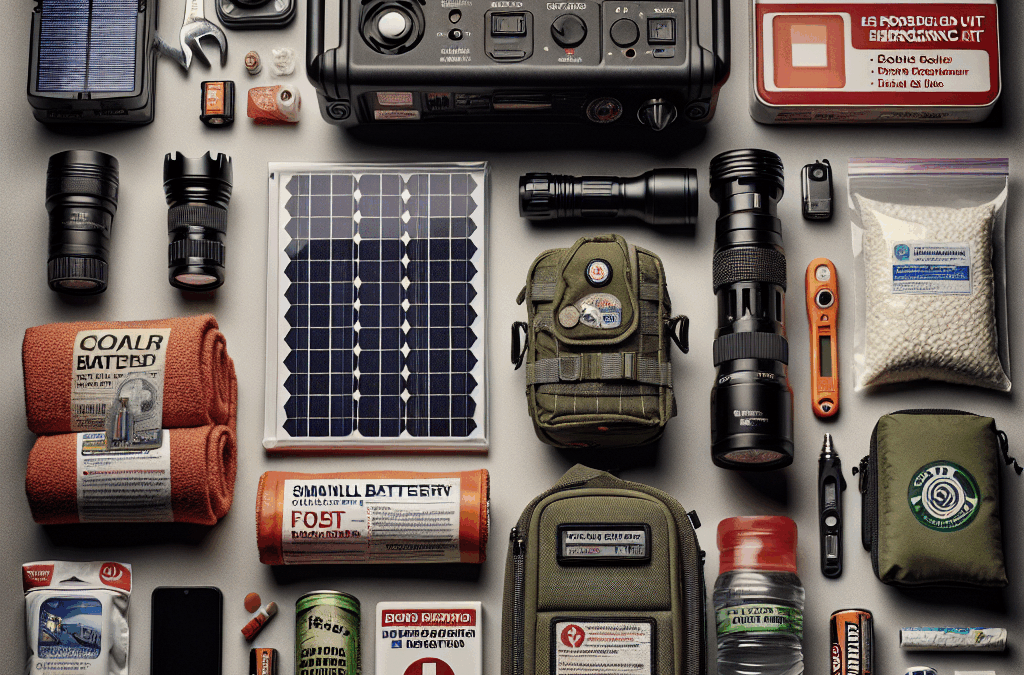
An emergency kit is vital for any evacuation plan. This kit should include essential items such as water, non-perishable food, medications, first-aid supplies, and important documents.
Thank you for reading this post, don't forget to subscribe NOW for FREE!

When preparing your kit, prioritize items that cater to the specific needs of your family. For example, if you have infants, include baby formula and diapers. Regularly check expiration dates and refresh contents as necessary.
A common mistake is to underestimate the amount of water needed. Aim for at least one gallon per person per day for at least three days, considering both drinking and sanitation needs.
Practice Your Evacuation Plan
Regularly practicing your evacuation plan helps solidify the steps everyone needs to take during an emergency. Conducting drills allows family members to rehearse their roles, which can help reduce anxiety and confusion.
During drills, simulate various scenarios to prepare for different emergencies, such as fires or natural disasters. Discuss what to do if family members are separated and how to communicate.

Many people overlook the importance of practicing at different times and under varying conditions, such as at night or during inclement weather. This practice helps ensure readiness regardless of the circumstances.
Stay Informed During Emergencies
Staying informed is crucial during any emergency evacuation. Utilize multiple sources of information, including local news, community alerts, and official social media accounts.
Understanding the nature of the emergency can influence your evacuation decisions. For example, knowing whether an evacuation order is mandatory or voluntary can help you assess your level of urgency.
Many individuals mistakenly rely on a single source of information, leading to misinformation. Having a backup plan for communication, such as a family group text or designated meeting place, ensures everyone stays connected.
Further Reading
Authoritative Sources
- Ready.gov
ready.govOfficial U.S. preparedness guidance, checklists, and planning resources for households and emergencies.
- FEMA
fema.govFederal emergency management resources, disaster planning information, and recovery guidance.
- American Red Cross Emergency Preparedness
redcross.orgPractical emergency preparation steps, supply lists, and safety guidance for families.
- National Weather Service
weather.govOfficial forecasts, hazard alerts, and weather safety information.
- CDC Emergency Preparedness and Response
cdc.govPublic health guidance for emergencies, disasters, and recovery situations.
Frequently Asked Questions
What should I include in my emergency evacuation kit?
Your kit should include water, non-perishable food, medications, a flashlight, batteries, first-aid supplies, and important documents.
How often should I practice my evacuation plan?
Practice your evacuation plan at least twice a year, and consider additional drills during different scenarios.
What are the most common mistakes during an evacuation?
Common mistakes include not having a clear plan, failing to prepare an emergency kit, and not staying informed about the situation.
How can I ensure my family stays safe during an evacuation?
Ensure everyone knows the evacuation routes and procedures, practice regularly, and maintain open communication during emergencies.
What should I do if I am separated from my family during an evacuation?
Have a designated meeting place and a communication plan in place to reconnect with family members if separated.
Conclusion
In conclusion, effective emergency evacuation tips are vital for ensuring safety during crises. By identifying evacuation routes, preparing an emergency kit, practicing regularly, and staying informed, individuals can significantly enhance their preparedness. Prioritize these steps to create a robust evacuation plan that can protect you and your loved ones in emergencies.
Related Content
- Emergency Food and Water Plan: Top 7 Proven Strategies for 2025
- Family Check-In Schedules During Unreliable Communications — Timing, Backup Methods, And Contact Rules
- Preparing for Pandemics: Essential Home Supplies
- Essential Skills for Radiological Emergency Preparedness
- Preparedness for Effective Response Under Resource Limits: Priorities, Tradeoffs, and Field-Tested Methods




