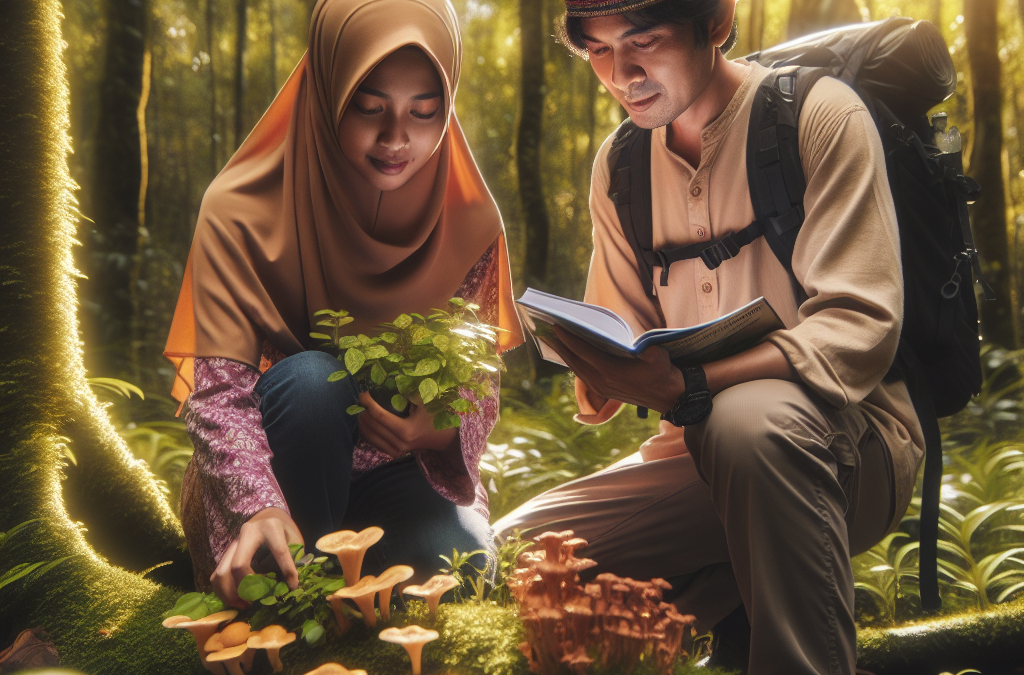
Foraging for edible plants and mushrooms is one of the most exhilarating and rewarding outdoor activities you can engage in. Imagine strolling through a forest or meadow, knowing that nature is a buffet of goodies just waiting for you to discover them! It’s a fantastic way to connect with nature, but it does come with its own set of rules. Safety is key—both for your health and for the environment.
Learning the basics involves more than just recognizing a few mushrooms or handy plants. It’s a mix of knowledge, instincts, and a good bit of practice. There are many edible plants that look similar to toxic ones, making it all the more important to get your identifications right. Getting familiar with the bell curve of foraging will really set you up for success!
I always say, start small! You don’t have to become an expert overnight. Aim to learn a handful of common plants and mushrooms each season. It’s all about building your foraging knowledge little by little, building confidence along the way.
Identifying Edible vs. Toxic Species
The Importance of Research
Before you even dream of plucking a plant or mushroom, you’ve got to hit the books—or the internet, rather! Doing your research can literally be the difference between a tasty snack and a trip to the emergency room. Start with reliable guides or apps specifically designed for foragers. I always keep one in my backpack for quick reference.
Look for field guides with clear images and detailed descriptions of edible species. Make sure to emphasize local flora since plants can vary greatly depending on your geographical location. It’s also helpful to join local foraging groups. Catching up with experienced foragers can provide invaluable knowledge and tips.
And don’t forget—many edible plants have toxic look-alikes. For example, the good old wild carrot can be confused with poison hemlock. Take your time to learn the differences, and remember: it’s better to miss out on a meal than take a risky bite!
Best Practices for Foraging
Respecting Nature
When I head out foraging, I always carry a “leave no trace” mentality. This means being respectful of the environment by not over-harvesting. I usually only take what I need and leave enough for wildlife and for the plant to continue growing. It’s our responsibility to ensure that future generations can enjoy the same bounty.
Staying on trails when foraging and avoiding areas that seem to have a lot of pollution or runoff is also a good practice. You don’t want to sunset your mushroom soup with toxic waste! It’s all about being a good steward of nature while enjoying the outdoor spoils.
Another good practice is to ensure proper harvesting techniques. For example, when picking mushrooms, use a knife to cut them at the base rather than pulling from the ground. This helps preserve the mycelium so it can grow back next season.
Techniques for Collecting Edible Plants and Mushrooms
Gathering Tools and Tips
When I go foraging, I’ve found it really helps to have the right tools at my disposal. A nice basket is a must! It allows for proper air circulation, which is super important to keep your finds fresh. A small knife is also essential for cutting mushrooms and tricky plants. I’ve learned to avoid plastic bags since they can turn into a sweaty mess, ruining your beautiful finds.
Keep a notebook handy to jot down where you found what! This way, you can revisit your favorite spots without having to rely on memory. It’s also a great way to track the seasonal changes of your local flora—some plants can be foraged in varying seasons.
And don’t skimp on safety gear! Having gloves and a suitable first aid kit is a smart move, just in case you accidentally encounter nettles or anything prickly. I’ve had my share of scrapes while being too eager on my hunt!
Cooking and Enjoying Your Foraged Finds
Preparing Edible Plants and Mushrooms
Now, here’s where the fun really begins! After gathering edible plants and mushrooms, the next step is preparing them for delicious meals. Wash them thoroughly to get rid of any dirt or bugs. I always soak them in cold water and gently rinse them under running water—being gentle so I don’t bruise the delicate leaves of herbs.
There are endless cooking possibilities with foraged foods, from salads to soups to hearty casseroles. It might feel tricky at first to experiment, but trust me, it’s super rewarding! I always try to incorporate them into simple recipes so I can really taste what nature offers.
Also, don’t be shy about sharing your foraged finds with friends and family. I love to host a little foraging dinner where each dish incorporates something I’ve gathered. Watching people savor and enjoy the flavors while sharing stories about our outdoor adventures is one of my pasta bakes’ greatest joys!
Frequently Asked Questions
What is the simplest way to identify edible plants?
The simplest way to identify edible plants is by using a reliable field guide or foraging app specifically for your region. Always cross-reference multiple sources to ensure accuracy.
Are there any risks associated with foraging?
Yes, there are risks! Mistaking an edible plant for a toxic one can lead to serious health issues. It’s crucial to properly identify each item before consuming anything.
What tools do I need to start foraging?
Some essential tools include a basket for collecting, a knife for cutting plants or mushrooms, and a field guide for identification. Gloves and a first aid kit can also be very helpful!
How can I prepare foraged food?
Preparation starts with a good wash to remove dirt and bugs. After that, you can experiment with various recipes. I recommend keeping things simple to highlight the natural flavors!
Can beginners forage safely?
Absolutely! Beginners can forage safely by starting with easily recognizable and commonly found plants or mushrooms. Join local foraging groups or take guided tours to gain confidence!
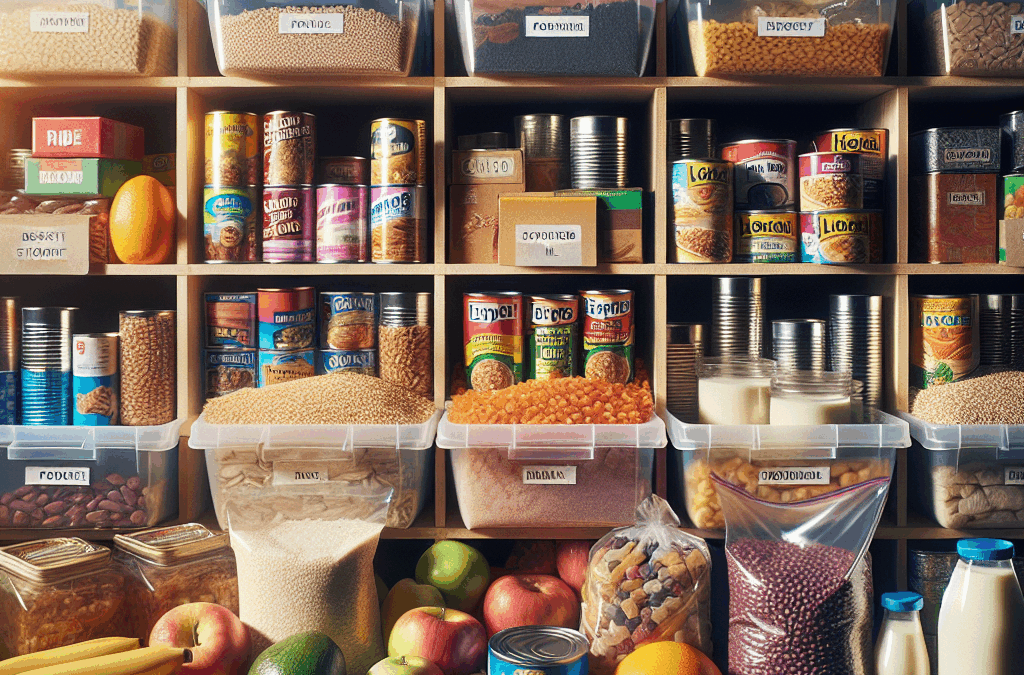
First off, let’s talk canned goods. These are a game changer when it comes to emergency stockpiling. I mean, who doesn’t love the convenience of just cracking open a can and having a meal ready to go? Canned meats, vegetables, and soups are great staples to have. They last indefinitely, especially if stored properly, and can provide essential nutrients when fresh foods aren’t available.
Additionally, let’s not forget about variety. You can choose different types of beans, tomatoes, or even some hearty stews. The key is to rotate them regularly to maintain freshness, but trust me, with the right planning, you won’t end up with a bunch of expired cans on your shelf.
And if you’re into cooking, think about how you can turn those canned goods into quick and tasty meals—like a chili or a stew. It’s all about being resourceful and making the most out of the situation, right?
Dried Grains and Pasta
Next up, we’ve got dried grains and pasta. Rice, quinoa, and pasta are absolute staples in my pantry. They’re not just versatile but they’re also filling and provide energy-dense nutrition. Store them in airtight containers for longevity, and you’re set!
I often cook up a big batch of rice and then use it throughout the week in various meals. It’s a great base for stir-fries, salads, or even a quick side dish with some canned vegetables. Plus, they usually have a long shelf-life, often lasting years if kept dry.
And let’s be real—who doesn’t love a good pasta dish? You can whip up everything from pasta salad to classic spaghetti. It’s comforting food when you need it the most, and honestly super easy to cook!
Freeze-Dried Foods
Don’t overlook freeze-dried foods, my friends. These beauties can last for decades if stored correctly. I remember my first camping trip where I packed some freeze-dried meals. They were lightweight and super easy to prepare! You just add hot water, and boom, you’ve got yourself a meal.
They offer a range of options, from fruits to full meals, and can be a lifesaver when fresh options are out of the question. Plus, they retain great flavors and nutrients—definitely a win-win!
So, if you’re thinking of stockpiling, make sure to grab some freeze-dried options. They’re compact too, which makes them perfect for tight spaces in your pantry.
Healthy Snacks
Nuts and Seeds
Moving on to healthy snacks—let’s talk about nuts and seeds. They’re my go-to for a quick energy boost. Rich in proteins and healthy fats, they can help keep you satiated during tough times. I always like to have a mix on hand, whether it’s almonds, walnuts, sunflower seeds, or pumpkin seeds.
They also have a decent shelf-life, especially if you store them in a cool, dry place. I often toss them into salads or yogurt for added crunch, and they make great toppings for various dishes.
Plus, if you’re feeling a bit creative, you can make your own nut butter or energy bars. It’s fun and a great way to use up whatever you have in your stock!
Granola and Energy Bars
Granola and energy bars are another fantastic idea for stocking up. They’re easy to grab on the go, and a quick snack choice that feels a bit indulgent, yet nutritious. I often rely on them during busy days when I need something quick between meals.
Look for bars with minimal ingredients—less sugar is always better. And they’re perfect for keeping in your emergency stash, so you have something to nibble on that keeps your strength up.
If you’re feeling adventurous, consider making homemade bars! You can customize them to your taste and pack them full of whatever you desire. It’s a fun project, and you can feel good knowing what’s in your snacks.
Jerky and Other Protein Snacks
Protein is crucial during any emergency, and jerky is a classic choice. It’s lightweight, doesn’t need refrigeration, and can last for ages. I’ve enjoyed all sorts of jerky—from beef to turkey to even vegan options. It’s a great source of protein and can help stave off hunger when times get tough.
Similar to nuts, they are also a handy snack for when you’re out and about. Plus, they are super satisfying. Just a few pieces can really keep you going!
And if you’re inclined, you can try making your own at home. It’s surprisingly easy and opens up a world of flavors you might not find in store-bought options.
Fruits and Vegetables
Canned and Jarred Fruits
Fresh fruits might not last long, but canned and jarred fruits can be a delightful addition to your stockpile. They come in handy whenever you’re craving something sweet or need that vitamin boost. Just be sure to check for options without added sugars or preservatives if you can!
These fruits can spice up your meals or just be eaten as is. And hey, they often have a longer shelf life than fresh fruit—an important aspect during emergencies.
Every once in a while, I’ll throw some canned peaches into my oatmeal for breakfast. It’s a simple way to elevate a bland dish!
Frozen Vegetables
Don’t forget about frozen vegetables, folks! They can take a little effort to stockpile since you need a freezer, but having a stash of frozen veggies is incredible for thrown-together meals. They keep their nutritional value really well and can be added to just about anything.
Think stir-fries, soups, or casseroles. Whenever I’m in doubt about what to make for dinner, I go for frozen veggies. Healthy, easy, and so versatile!
Also, they don’t spoil quickly, giving you peace of mind when the grocery store is far from your mind!
Dried Fruits
When it comes to fruits, don’t sleep on dried options! They are super portable and make for a fantastic snack or addition to meals. Dates, raisins, and apricots are just a few favorites of mine that pack a punch in flavor.
The high natural sugar content gives you a quick energy boost, which is essential during stressful times. Plus, they can easily jazz up your oatmeal, yogurt, or trail mixes.
Pro tip: keep some on hand for sweet cravings that hit out of nowhere. It’ll help satisfy your sweet tooth without the guilt!
Cooking Essentials
Cooking Oils
Next in line are cooking oils. It’s easy to overlook, but oils are essential for cooking and flavoring your meals. Stocking up on olive oil, coconut oil, or vegetable oil is a smart move. They are shelf-stable and can make a world of difference in how your meals taste!
I personally love cooking with olive oil because it’s versatile. You can use it in salads, marinades, or just to sauté some veggies. Honestly, the options are endless!
Plus, getting your hands on various oils can help you prepare different cuisines, making your meals way more enjoyable during stressful times.
Spices and Seasonings
Now let’s talk spices. Having a variety of spices and seasonings makes dull meals burst with flavor. It’s like a magic trick in your kitchen! I always keep basics like salt, pepper, garlic powder, and a few unique spices for diversity.
You’d be surprised how much a sprinkle of some spice can elevate a simple dish, turning it from boring to something special. In any emergency, having ready-to-use spices can help turn that canned food into a home-cooked delight.
And remember, many spices have a long shelf life. This means you can stock up without worrying about periodic waste!
Baking Essentials
Baking essentials aren’t just for those who love to bake cookies! Flour, sugar, baking powder, and yeast can come in handy whenever cooking from scratch. I love the idea of having these on hand for those moments when you feel a bit creative.
Lately, I’ve been enjoying homemade bread, and while it’s a bit of work, it’s definitely worth it. If you have these basic ingredients, you can make all sorts of comforting foods.
So, stock your pantry with some baking essentials. You never know when you might want a fresh loaf of bread or some cookies to ease the mind during tricky times!
Water and Beverages
Store-Bought Water
Alright, folks, water! It’s easy to overlook, but hydration is crucial, especially during emergencies. I always keep a few cases of bottled water on hand. It’s something that might seem simple, but water is life! Make sure you get enough for everyone in your household.
When the power’s out or if you lose access to clean water, having bottled water will provide you with peace of mind. It’s such a simple necessity that can mean the difference between feeling good and feeling awful.
Make it a habit to check your water supply every few months. Replace bottles that are getting old to ensure you always have a fresh supply.
Electrolyte Drinks
Don’t forget about electrolyte drinks—especially if you might be dealing with heat or exertion. I love having some powdered electrolyte mixes on hand. They can help keep you hydrated and feeling your best when water alone doesn’t cut it.
For some extra flavor, having a few sports drinks is handy too. They can refresh you and provide energy when you’re in need. When times are tough, it’s essential to keep your body functioning well.
And let’s be honest, they’re usually pretty tasty too! It’s a nice way to break the mundanity of plain water.
Tea and Coffee
Last but definitely not least, let’s talk about tea and coffee. Maintaining a sense of normalcy can be comforting in chaotic times, and for many of us, a warm drink can do just that. I personally can’t start my day without my morning cup of coffee!
Tea can also be relaxing, with lots of options available, from herbal teas to stronger blends. You can stock your pantry with both so you have options based on your mood.
<pHaving these beverages on hand can lift your spirits during hard times. So make sure to have a nice stash of your favorites ready for whenever you need that little pick-me-up!
Frequently Asked Questions
1. What are the essential food items I should stockpile for emergencies?
The essentials include non-perishable foods like canned goods, dried grains and pasta, freeze-dried foods, healthy snacks such as nuts and seeds, and more. It’s all about what lasts and what you enjoy eating.
2. How long can canned foods last when stockpiling?
Canned foods can last for years if stored in a cool, dry place. Just keep an eye on expiration dates, and try to rotate your stock!
3. What should I do if the power goes out and I have frozen food?
If the power goes out, keep your freezer closed to maintain the temperature as long as possible. Most frozen foods can last for 24-48 hours, but it’s best to check for ice crystals or an unusual smell before deciding to eat them.
4. Can I create my own emergency food stockpile?
Definitely! You can customize your stockpile based on your dietary preferences and what you enjoy eating. Just ensure that you include items that are nutrient-dense and have a long shelf life.
5. How can I store these foods properly to ensure they last longer?
Store them in airtight, moisture-proof containers, in a cool and dark place to extend their shelf life. Keeping everything organized can also help you keep track of items that need to be used soon!
It’s no secret that feelings can take us on a rollercoaster ride. I mean, one minute you’re on cloud nine, and the next, you’re wondering why you ever thought you’d get there. Learning to identify your emotions is the first step. I started by keeping a journal, jotting down not just events of the day but how they made me feel. This little exercise opened my eyes to patterns that I hadn’t even realized were there.
Once you start recognizing your emotional triggers, it becomes so much easier to navigate through rough patches. Instead of letting anger consume you when someone cuts you off in traffic, you can step back and realize that it’s just a moment in time—not the end of the world, right?
On top of that, accepting your emotions is a game-changer. I’ve learned that it’s totally okay to feel sad, frustrated, or even anxious. Those feelings are part of being human. Once I accepted that emotions aren’t inherently ‘bad’, I found it much easier to manage them.
Coping Strategies
Finding healthy coping strategies has been a lifesaver for me. I tried a bunch of things before landing on a few that clicked. Deep breathing exercises became my go-to when anxiety barged in uninvited. Just taking a few moments to breathe slowly can really center you again.
Another strategy that worked wonders for me was physical activity. Whether it’s a brisk walk, hitting the gym, or even dancing around my living room, moving my body helps shake off stress. It’s like a reset button for my emotions.
Finally, reaching out to friends and family has become crucial. Sometimes, I just need to vent, or I might want to get another perspective. Talking it out with someone can lighten the load and remind me that I’m not alone in this emotional journey.
Building a Support Network
Let’s face it, we all need our tribe. I can’t stress enough how important it is to have a solid support network. Surrounding myself with positive, understanding people has made tougher times so much easier to get through. Friends who get it and can lend an ear when I’m feeling low really can brighten my day.
Don’t be afraid to lean on your family too. Most of my family members have their own baggage, and sharing our experiences can create a deeper bond. I can always count on my siblings for the kind of honesty that stings a little, but helps me grow.
Lastly, if you can find a mentor or someone you look up to, that’s gold. I’ve had mentors who have guided me through challenging times. Their support shows me it’s possible to navigate life’s ups and downs with grace.
Adaptability
Embracing Change
Change is a constant in life, and trust me, I’ve had my fair share of it. Learning to embrace change rather than resisting it has helped me tremendously. I remember when I had to switch careers—terrifying, right? But instead of clinging to the past, I chose to view it as an exciting challenge.
I started approaching change with an open mind. This mindset shift allowed me to see the opportunities that come with new paths, whether in my career or personal life. Each transition can lead to growth if I’m willing to take that leap of faith.
Now, instead of feeling overwhelmed, I take it as a step toward something bigger and better. It’s about reframing my perspective. That’s been key for me.
Problem-Solving Skills
When faced with challenges, I’ve learned that developing solid problem-solving skills is essential. Everyone hits bumps in the road, and how I respond to them matters a ton. I’ve started breaking down problems into smaller, manageable steps. Rather than looking at the mountain in front of me, I tackle it step by step.
Asking for help is also a powerful move. In my journey, I’ve realized that seeking guidance from others doesn’t show weakness—instead, it opens up new perspectives. Sometimes, I need a nudge in the right direction.
Finally, staying calm under pressure is crucial. Deep breathing or taking a quick break helps me think clearer. When I’m not panicking, I can see solutions that I may have missed otherwise.
Learning from Experience
Whatever happens in life, there’s always a lesson to be learned. Through reflection, I’ve gained insights into what works for me and what doesn’t. After tough moments, I like to sit down and think about what I could do differently next time around.
Each experience becomes a stepping stone. Whether it’s a hard lesson or a small failure, acknowledging them allows me to grow. By keeping a growth mindset, every setback feels less like a failure and more like an opportunity to learn.
Also, I’ve found that sharing these lessons with others can be incredibly rewarding. It’s like turning my experience into something that might help someone else navigate their own challenges.
Self-Discipline
Setting Goals
Setting realistic goals has been transformative for me. When I first started, I’d get overly ambitious and set myself up for burnout. Realizing that small, achievable goals lead to bigger wins was a total game changer. So now, whether it’s personal or professional, I keep my goals SMART—Specific, Measurable, Achievable, Relevant, Time-bound.
I also keep track of my progress. It’s all about celebrating those little victories along the way that keep my motivation levels high. When I achieved a fitness goal recently, I treated myself to a little celebration. Those moments remind me why I’m putting in the effort!
Accountability is huge too. Sharing my goals with a friend or setting up check-ins gives me that gentle push to stay on track. It’s a lot easier to slack off when it’s just me, but when someone else is rooting for me, I’m inspired to push through!
Time Management
Learning to manage my time wisely has saved my sanity. I used to leave everything till the last minute, which was stressful and chaotic. Now, I prioritize my tasks, and I’ve even gone so far as to create a weekly planner. Knowing what I need to tackle each day helps keep me organized and feeling accomplished.
One trick I’ve learned is utilizing timers. I work for a set period—say, 25 minutes—and then take a short break. It keeps the momentum going without burning out. Plus, those little breaks are golden for recharging my mind!
Lastly, I’ve learned to say no. It’s really hard at first, but I now value my time and manage it better. If something doesn’t align with my goals or if I’ve got too much on my plate, I politely decline. It’s made a world of difference in my productivity and peace of mind.
Consistency
Consistency is where the magic happens. By sticking to routines and habits, I’ve created a sense of stability in my life. Whether it’s my morning routine or how I manage stress, doing things consistently gets me in the zone and sets me up for success.
I focus on building habits that support my goals. For instance, I’ve integrated reading into my daily schedule, even if it’s just a chapter a day. It keeps me growing and learning, which keeps me engaged and excited about life.
As part of my journey, I’ve had to be patient. Results take time, and it’s easy to get discouraged. But remembering that consistency compounds over time really keeps me motivated. Each little effort adds up, and before I know it, I’ve made significant progress!
Mindfulness
Practicing Presence
Being present in the moment is something I’ve actively worked on. I used to live in my head, anxious about the future or lost in past mistakes. Mindfulness practices, like meditation, have helped me ground myself in the present. It sounds a bit cliché, but really being in the now has improved my overall outlook on life.
I’ve incorporated mindfulness into my daily activities too—whether I’m eating, walking, or even washing the dishes. Focusing on the task at hand and savoring the experience makes a world of difference! I’ve found that my stress levels drop when I’m fully engaged in what I’m doing.
Another technique I love is gratitude journaling. Taking a moment to appreciate the little things in life—like a warm cup of coffee or the beauty of nature—instills a sense of joy and contentment. It’s a simple reminder that life’s beauty is often found in the everyday.
Mindful Breathing
Breathing exercises have become my safety net during stressful situations. I practice mindful breathing to calm my nervous system and bring my focus back to the here and now. If I feel anxiety creeping in, just a few deep breaths help me reset. It’s amazing how something so simple can have such a profound effect.
For instance, when I felt overwhelmed before a big presentation, I took a few minutes to breathe deeply. Focusing on my breath helped ground me, and I walked into that room feeling much more in control. It’s like having a secret weapon in my back pocket!
Throughout my day, I try to weave mindful breathing into my routine, even if it’s just a moment here and there. It’s these little practices that build resilience and keep my stress in check.
Awareness of Thought Patterns
Being aware of my thought patterns has made a huge difference in my mental well-being. I’ve caught myself spiraling into negative thoughts before, but now I challenge those thoughts. Is this factual, or am I blowing things out of proportion? This simple questioning can shift my mindset dramatically.
I also practice self-compassion. Instead of beating myself up over a mistake, I remind myself that everyone messes up sometimes. It’s part of being human. That shift in perspective allows me to be more forgiving and leads to a healthier mental state.
Keeping an open dialogue with myself also helps. When I notice negativity creeping in, I talk myself through it as if I were talking to a friend. It’s amazing how often I can talk myself down from anxiety when I practice this awareness.
Conclusion
So there you have it! Developing these psychological survival skills has changed my life for the better. Through emotional resilience, adaptability, self-discipline, and mindfulness, I’ve learned to navigate life’s ups and downs with a greater sense of peace and purpose. Remember, it’s a journey—take it one step at a time, be kind to yourself, and have fun along the way!
FAQ
1. What are psychological survival skills?
Psychological survival skills are techniques and practices that help individuals cope with stress, adapt to change, and maintain mental well-being in challenging situations.
2. How can I build emotional resilience?
Building emotional resilience involves recognizing your emotions, developing coping strategies, and creating a support network that helps you navigate life’s challenges.
3. Why is adaptability important?
Adaptability is crucial because it allows you to embrace change and respond to new circumstances positively, turning potential stressors into opportunities for growth.
4. What role does self-discipline play in survival skills?
Self-discipline helps you stay focused on your goals and manage your time effectively. It is essential for maintaining consistency as you navigate your challenges.
5. How can mindfulness benefit me?
Mindfulness enhances your ability to stay present, reduces stress, and fosters a greater appreciation for your experiences, leading to improved emotional well-being.
When it comes to the unpredictable nature of disasters—whether natural or man-made—being prepared can make all the difference. The chaos that ensues during such events often leaves individuals and families scrambling for safety, resources, and communication. This is where a well-crafted disaster preparedness plan becomes essential. Understanding its importance is the first step toward safeguarding your loved ones.
*Assessing Your Risks: Identify Potential Hazards**
Before diving into preparation, it’s vital to assess the specific risks associated with your geographical area. Are you in a flood zone? Is your region prone to earthquakes, wildfires, or hurricanes? Identifying these potential hazards will help tailor your preparedness efforts. Conduct research on local threats and consider reaching out to community emergency management agencies for insights.
*Creating a Comprehensive Emergency Kit**
An effective emergency kit can be your lifeline when disaster strikes. Start by gathering essential supplies such as non-perishable food items, water (at least one gallon per person per day), first aid supplies, flashlights, batteries, and important documents stored in waterproof containers. Don’t forget about medications and personal hygiene items! A well-stocked kit should cover at least 72 hours of self-sufficiency.
*Developing an Evacuation Strategy**
In some emergencies, staying put isn’t an option. Create an evacuation plan that includes multiple routes from your home to safe locations like shelters or family members’ homes outside danger zones. Practicing this route can save critical time when it matters most.
*Communication Plans: Staying Connected**
In times of crisis, communication can break down quickly; thus, establishing a solid communication plan is paramount. Designate an out-of-area contact who can serve as a central point for family members to check in with one another if local lines go down. Ensure everyone knows how to reach this contact and what information they should relay.
*Training and Drills: Practice Makes Perfect**
The adage “practice makes perfect” rings especially true in disaster preparedness. Conduct regular drills with your family so everyone knows their roles during an emergency scenario. Whether it’s practicing evacuation routes or using fire extinguishers correctly, familiarity breeds confidence.
*Special Considerations for Vulnerable Populations**
It’s crucial to think about those who may need additional assistance during emergencies—children, elderly relatives, individuals with disabilities—everyone has unique needs. Tailor your plans accordingly; ensure necessary equipment (like wheelchairs or medications) is accessible during evacuations, and consider transportation arrangements for those who might struggle getting away quickly.
*Staying Informed: Utilizing Technology and Alerts**
In today’s fast-paced world, technology plays a significant role in staying informed about impending disasters. Sign up for local alerts via mobile apps or text notifications that provide real-time updates on weather patterns or emergencies in your area. Social media platforms also serve as valuable tools for sharing information quickly among communities.
*Community Resources and Support Networks**
Don’t overlook the power of community! Engage with local organizations that offer resources like shelters or counseling services post-disaster. Building relationships within your neighborhood increases support networks significantly when facing crises together.
*Reviewing and Updating Your Plan Regularly**
A disaster preparedness plan isn’t static; it requires periodic reviews and updates based on changing circumstances—new family members? Recent changes in local hazards? Make it a habit to revisit your plans every six months.
*Final Thoughts: Empowering Yourself and Your Family**
Ultimately, crafting a foolproof disaster preparedness plan empowers you—not just with knowledge but with peace of mind knowing you’re ready for whatever life throws at you. Take these steps seriously; they could very well save lives when seconds count most! Be proactive today so you’re not reactive tomorrow.
When it comes to post-disaster survival, food is a must-have. I’ve learned that non-perishable food items like canned goods, rice, beans, and dehydrated meals are invaluable. They not only last a long time but are also compact and easy to carry around if you need to relocate.
In my personal stash, I like to include some comfort foods, too. Things like chocolate bars or powdered drink mixes can really uplift spirits in tough times. Remember, having a morale booster is just as vital as having nutritional food!
Don’t forget to think about dietary restrictions. If you or those you may barter with have allergies or special diets, it’s important to stock up on foods that cater to those needs.
Water Filtration and Purification
You can’t survive long without water, and that’s why I recommend investing in good water filtration systems. During my research, I discovered that portable filters can provide clean drinking water without relying on electricity, which is super important in a disaster scenario.
Also, purification tablets are a game-changer. They’re small, lightweight, and can be used to make sure any water source is safe to drink. Storing a supply of these can easily become a bartering item.
Lastly, never underestimate the value of water containers. Whether it’s jugs, bottles, or storage tanks, having a way to collect and store water can make a significant difference in your survival strategy.
Cooking Equipment
If you’re trying to make the best out of scarce resources post-disaster, having cooking gear is essential. A small camping stove or portable grill can seriously elevate your food game. I mean, who wouldn’t want a hot meal instead of cold beans from a can?
Alongside that, I find utensils and cookware like pots, pans, and cutlery are neat to have. In a barter situation, these could attract a good trade for the right people, especially if they are planning to cook their own food.
Moreover, I believe a backup power source, like solar chargers or even batteries, is handy. Heating meals could literally mean the difference between survivors’ morale or despair.
Medical Supplies
First Aid Kits
First aid kits are an obvious essential. I’ve always made sure to have a well-stocked kit with bandages, antiseptics, and pain relievers. It’s amazing how quickly one can get hurt when chaos unfolds, so having this in place could save a life.
Don’t forget about prescription medications here, either! I’ve seen firsthand how crucial it is to have any necessary medications on hand for chronic conditions. These can be a hot ticket item for bartering, especially if someone has been cut off from their regular supply.
Lastly, some basic knowledge about how to use these supplies effectively can be crucial. Being able to treat injuries to not only yourself but others can position you as an essential person in a disaster scenario.
Hygiene Products
Let’s be real, hygiene might fly out the window during a disaster, but it shouldn’t. It dubs as a much-needed bartering item. I always keep things like soap, toothpaste, and sanitary products locked away in my emergency stash because trust me, they’re hard to come by when supplies are limited!
Wipes and hand sanitizers are lifesavers too. You never know when you might be stuck without water, so having alternatives handy can keep you feeling somewhat fresh and healthy.
Finally, make sure to have a supply of trash bags to keep your living area clean. This is not just for hygiene but also prevents the spread of disease, making it crucial for survival.
Knowledge and Skills
Skills can be the most valuable currency during a crisis. I placed a huge focus on learning skills like basic medical assistance, gardening, and even self-defense. The more skills you have, the better you’ll be prepared for bartering!
Sharing knowledge can also be a worthwhile barter. If you can teach someone how to grow food or start a fire, you can exchange that for goods you wouldn’t otherwise have. Skills are versatile and can transcend the need for physical items!
So, take some time to invest in your own skills. Whether it’s online classes or hands-on practice, being skilled means you’re in a stronger position to survive and barter in a post-disaster scenario.
Tools and Equipment
Basic Tools
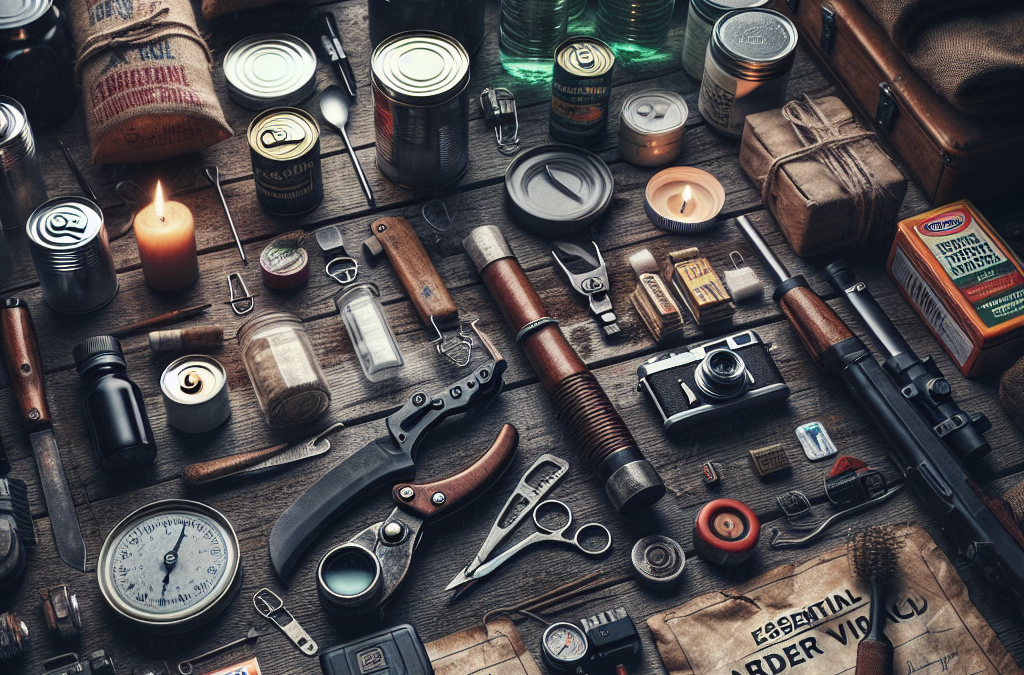
Having a toolkit with basic hand tools can be incredibly handy. I strongly suggest gear like pliers, screwdrivers, hammers, and wrenches. You never know when you might need to fix something or construct a shelter!
I once traded a small toolkit with a neighbor for some water. Tools can often be overlooked, but they’re essential for maintaining your environment and improving your situation.
Plus, if you become the go-to person for repairs or building projects, you’ll find that others will approach you when they need something fixed, allowing you to barter for goods or services.
Self-defense Items
In uncertain times, having something for self-defense is non-negotiable. I’ve personally researched options like pepper spray or personal alarms which are great for keeping intruders at bay without needing a firearm.
Additionally, something as simple as a sturdy walking stick may serve a dual purpose for defense and mobility. I appreciate tools that work for multiple situations!
In a barter scenario, self-defense items can be immensely valued. Many people dread the idea of being unprotected, so having extra items might put you in a position to make favorable trades.
Communication Devices
Being able to communicate is key in a disaster, so think about investing in walkie-talkies or ham radios. I once had to rely on these gadgets during an emergency, and they were a lifesaver!
My recommendation is to keep spare batteries as well since a dead device isn’t going to help anyone. These items make for great bartering tools when others realize how essential they are when the communication lines are down.
Furthermore, understanding how to use these devices is vital for effective communication. In a crisis where information is scarce, knowledge of survival communication can make you invaluable.
Community and Relationships
Building Connections
Lastly, I want to stress how important connections are. Building relationships within your community can be the strongest form of bartering. Trust me, the stronger your network, the better your survival chances.
People share resources and skills within a community; for instance, I’ve seen neighbors exchange food for medical advice. This gives everyone a sense of support and hope in tough times.
Don’t forget to work on your interpersonal skills too. Sometimes your biggest resource in dire situations can be the friendships you’ve cultivated.
Sharing Resources
Don’t hoard everything for yourself! Learning to share resources with others in your community can turn the tide during a disaster. I found it rewarding to share supplies and skills, as this helped build trust among us.
Pooling resources can create a more resilient group. If there are assorted supplies, it makes it easier for everyone to survive and increases the chances of successful bartering.
Remember, sharing can earn you goodwill, and in a barter situation, that can translate to significantly favorable conditions for you!
Group Strategies
Being part of a group can be beneficial when it comes to survival. In my personal experience, I’ve found that groups help strategize the best way to gather supplies and defense. There’s strength in numbers!
Plus, you can divide tasks based on skills. If one person is a fantastic cook and another knows how to collect water, everyone contributes their strengths for mutual benefit.
Ultimately, working together can improve your chances in bartering as the collective knowledge and resources create more opportunities for advantageous exchanges.
FAQ
What are considered essential bartering items for post-disaster survival?
The essential items include food and water supplies, medical supplies, hygiene products, tools and equipment, and community relationships.
How do I effectively barter in a post-disaster situation?
To effectively barter, be prepared with a variety of items and skills. Know the needs of those around you and use your network of relationships to trade items or services.
What foods should I stock up on for emergencies?
Ideal foods are non-perishable items like canned goods, rice, beans, and dehydrated meals. Don’t forget comfort foods to keep spirits high!
Are medical supplies important for bartering?
Absolutely! First aid kits, prescription medications, and hygiene supplies are highly valuable when others are in need, making them top bartering items.
How can I prepare my community for a potential disaster?
Engage in open communication with your community, share resources, focus on building trust, and work together for emergency preparedness plans to ensure everyone’s survival.
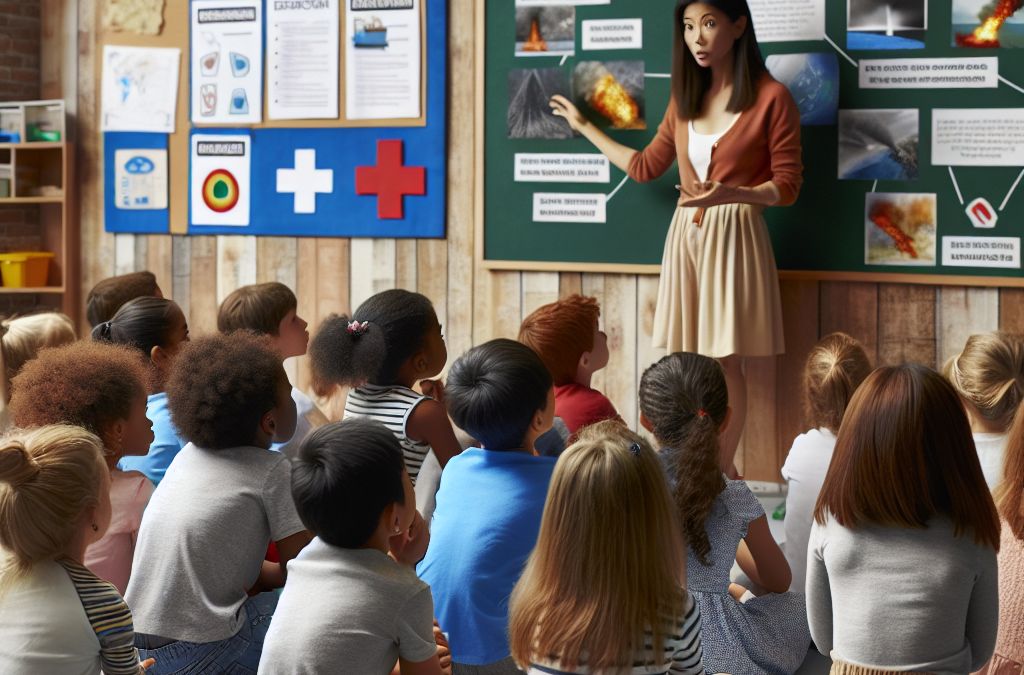
Let’s face it, the subject of natural disasters can be pretty heavy. From hurricanes to wildfires, it’s easy to feel overwhelmed. But I’ve found that having a grasp on what these disasters really are is key to preparing your kids. I often sit my children down and explain in simple terms what natural disasters are and how they can affect our lives. This understanding helps them process the information better.
When kids know what to expect, they feel less anxious. For instance, I tell my kids that not all storms are catastrophic; some may be just a little windy and rainy. We’ve had many discussions about types of disasters, and I always try to include some visuals to make it more engaging.
It’s also important to instill a sense of resilience. I remind my kids that while disasters can be scary, they’re part of life. Knowing that we can face challenges together tends to ease their minds and fosters a greater sense of security.
Importance of Family Discussions
Having regular family talks about emergencies can make a world of difference. In our house, we set up a dedicated time to discuss our family’s emergency plan. We talk about what everyone’s roles would be if a natural disaster happens. Making it a family effort makes it feel less intimidating and more of a team activity.
Each discussion gives my kids the space to express their feelings and ask questions. They often have great insights that I hadn’t thought of! This way, they feel included in the conversation, and it allows them to take ownership of their preparedness.
Sometimes, we even role-play different situations. While it may feel silly, it helps solidify their understanding of what to do—and it guarantees a few laughs, too!
Resources for Learning
There are a ton of resources available that can help make learning about natural disasters fun for kids. I always recommend books geared toward their age group that cover the topic in a friendly and approachable way. For example, there are great picture books that can help littles understand complex ideas without overwhelming them.
Interactive websites and apps can also be awesome. We often explore educational games that teach kids how to respond during various disasters. It’s a lively way to reinforce what we’ve discussed and keeps them engaged learning about preparedness!
Don’t forget about local community resources! Many communities offer workshops for families on disaster preparedness. We recently attended one where my kids got to meet local firefighters; it was an absolute hit!
Create an Emergency Plan Together
Involve Children in Planning
Crafting our emergency plan together has been one of the most rewarding experiences. My kids love the idea of being able to contribute their thoughts and ideas about what we should include. We sit down with snacks and brainstorm what our family needs to do during emergencies, and you wouldn’t believe the creative ideas they come up with!
Involving them in the planning process not only empowers them but also makes them more likely to remember the plan. We make a poster with our plan and hang it in a spot they’ll see regularly, a little reminder that we’ve got this covered as a family.
We also make it a point to discuss who we can reach out to in case of an emergency and create contact cards for them, which is a fun little project. It feels like they’re gearing up for an adventure rather than just solving a serious issue.
Setting Up Communication
Communication is crucial when disaster strikes. My kids and I often talk about different ways to stay connected if something happens. We’ve established a meet-up spot that’s safe and easy for everyone to reach, so they know where to go if they get separated.
We’ve also created a list of emergency contacts that they can memorize. I joke with them about how ‘cool’ it is to have a secret code for safety. They love the idea of having a ‘code word’ that they can share with trusted adults if there’s ever a situation where they need help.
Having these conversations has made my kids feel a lot more at ease about the potential chaos of an emergency situation. They feel equipped with tools to handle the unexpected, which is inspiring to see as a parent.
Practice Makes Perfect
Just like anything else in life, practicing the plan reinforces learning. I like to schedule regular drills throughout the year. It’s not only practical but also fun! We might take a Saturday morning to go over different scenarios, and hey, a little practice never hurt anyone!
During drills, we switch up what we do to keep things unpredictable because life is anything but predictable, right? Sometimes we’ll simulate a power outage to encourage them to rely on whatever resources we’ve prepared. It’s incredible how calm they can be when they’ve had the chance to practice a few times.
And let’s not forget the flair! We turn our drills into themed events—sometimes it’s “Earthquake Awareness Day” with themed snacks and games that emphasize safety during an earthquake. It’s a great way to keep their spirits high while learning serious skills.
Build an Emergency Kit
Essential Items for the Kit
Building an emergency kit together has turned out to be one of my favorite family projects. We gather essential items such as water, food, first aid supplies, and flashlights. I let my kids pick out some items themselves, which adds a personal touch to our kit and makes them more invested in it.
It’s important to explain to them why each item is in the kit. For example, we talk about the necessity of having non-perishable food and how life may not look the same after a natural disaster. They start to see the importance of those boring canned beans—trust me!
When the kit is all set up, we have a small celebration. I find that if you make something feel rewarding, your kids will be more vested in keeping it updated and looking after it!
Regularly Update Your Kit
One of the best lessons I learned when building our emergency kit is that we have to check on it regularly. As a family, we schedule a “kit inspection day”—this is when we switch out expired items, add fresh supplies, and give the kit a refresh. It’s a great way to get the kids involved and reminds them of its importance.
We also use this day to discuss other possible items that may be relevant to the upcoming seasons, like extra blankets in wintertime or sunscreen in the summer. It keeps the discussion ongoing and ensures that our kit is always ready to go.
During our checking sessions, I love asking them what else they think might make our kit even better. Their creative suggestions always keep the spirit alive. It’s exciting because they don’t realize they’re learning, and it’s also bonding time for us.
Educating through Hands-on Experience
Education through hands-on experience has been a real game-changer for us. When we build our emergency kit, I encourage my kids to help assemble it. Walking them through the reasons behind each item makes it more memorable.
I often pull up videos or real-life stories of communities responding to emergencies to give them context for our efforts. I try to convey that being prepared isn’t just about our family; it’s about looking out for our friends and neighbors, too.
We sometimes create a mini-kit for their favorite toys or dolls. They enjoy imagining what their furry friends would need in a disaster, and it keeps the conversation light and fun while still educational. It’s fantastic to see them utilize creativity in such important discussions!
Stay Informed After a Disaster
Keeping the Lines of Communication Open
When a disaster does strike, staying informed is key. I make sure my kids know we’ll come together as a family to process what happened. We chat about different sources of information—news, social media, even what our neighbors are saying, and we prioritize credible sources.
I let them express their feelings about what’s happening. Sometimes they’re scared, and other times they just want information. This open line of communication has helped them cope better with the aftermath of any situation. I want them to feel comfortable sharing their worries with me!
Understanding that it’s perfectly okay to feel anxious after a disaster is crucial. I remind them that I’m here to support them, and we talk through their emotions, creating a safe space where they can voice their concerns freely.
Making Sense of the Situation
After a disaster, I focus on helping my kids understand what happened, breaking down the event into digestible pieces. Sometimes I use drawings or maps to explain how certain events occur, like floods or earthquakes, which helps demystify it all.
Once we’ve talked about the event, I encourage my kids to express their thoughts and feelings through art. We’ve had discussions about how to process emotions and how that can look different for everyone. Their drawings become activities for us to share and reflect upon together.
It’s so rewarding to see how they interpret their feelings through creative outlets. It reinforces their understanding of that particular disaster while also giving them a healthy way to express how they feel.
Finding Support Resources
It’s essential to remind my kids that help is available, whether through school counselors or community support services. We explore these resources together if they ever feel overwhelmed after a disaster.
Some organizations offer counseling and workshops specifically for children affected by disasters, and I’ve found sharing this information helps my kids feel more connected to their community. It lets them know they’re not alone and that there are people who care.
Together, we create a list of contacts they can pull data from if they ever need extra support. This proactive approach makes my kids feel empowered and reassured that they’ve got a solid support network in place.
FAQ
1. How do I explain natural disasters to my children?
Use simple language, provide visuals, and incorporate discussions about resilience. Frame it as an opportunity to learn rather than instill fear.
2. What should I include in our emergency plan?
Your plan should include communication methods, meet-up locations, and roles for each family member during emergencies. It’s essential to keep it accessible and visible.
3. How can I make preparing for disasters fun for my kids?
Involve them in planning, use role-playing activities, and celebrate milestones in preparedness. Gamifying the experience makes it less daunting!
4. How often should we update our emergency kit?
Regularly check your kit, at least twice a year or before a season change, to ensure supplies are fresh, and add items relevant to any upcoming weather conditions.
5. What resources are available for ongoing disaster education?
Look into community workshops, educational apps, and books specifically targeting children. Engaging resources keep kids informed while they learn important skills.