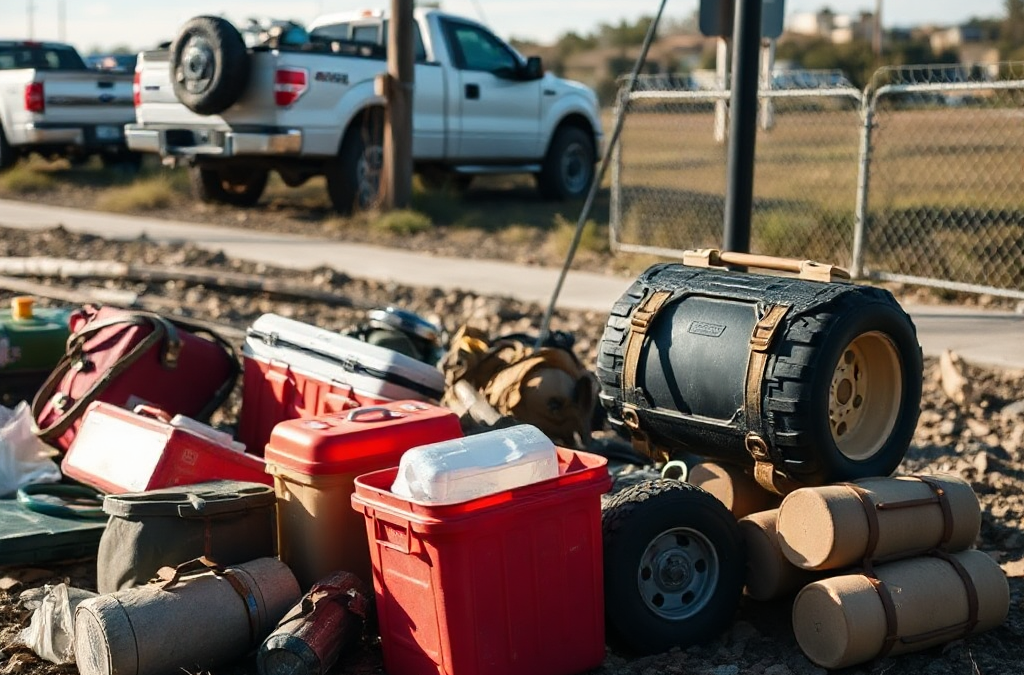
Unbalanced prepper supply lists pose serious risks, including inadequate preparedness and wasted resources. Many preppers mistakenly prioritize items like food and weapons while neglecting critical supplies such as medical kits and communication tools. This oversight can lead to life-threatening situations during emergencies, as lacking essential resources may hinder survival efforts. To mitigate these risks, preppers should conduct a thorough assessment of their needs, ensuring a well-rounded supply list that includes food, water, medical supplies, and means of communication. Regularly reviewing and updating the supply list can help maintain balance and readiness for any crisis.
Understanding Unbalanced Supply Lists
Unbalanced prepper supply lists occur when individuals prioritize certain items over others, leading to significant gaps in overall preparedness. This can stem from various factors, including personal biases, misinformation, or a lack of understanding of comprehensive survival needs. For example, a prepper may focus excessively on food storage, neglecting crucial elements such as first aid supplies, water purification methods, or defensive tools.
This imbalance can lead to a false sense of security, as individuals believe they are adequately prepared when, in reality, they have overlooked essential resources. Understanding the full scope of what constitutes a balanced supply list is critical for effective emergency preparedness.
Common Mistakes in Supply Selection
One prevalent mistake is overemphasizing specific categories of supplies while neglecting others. Many preppers invest heavily in food, often purchasing large quantities of canned goods or freeze-dried meals without considering their expiration dates or nutritional value. While food is a vital component, it should not overshadow the need for other supplies.
Another mistake is the underestimation of medical supplies. Many preppers overlook the importance of first aid kits, prescription medications, and basic medical knowledge, which can be crucial during emergencies. Additionally, failing to include communication tools like radios or signaling devices can isolate individuals during a crisis, hampering their ability to seek help or coordinate with others.

Consequences of Imbalance
The consequences of having an unbalanced prepper supply list can be dire. Inadequate preparedness can lead to life-threatening situations during emergencies. For instance, lacking medical supplies can result in untreated injuries or illnesses, exacerbating an already critical situation. Furthermore, the absence of essential tools can hinder survival efforts, making it challenging to secure food, water, or shelter.
Additionally, wasted resources can occur when preppers invest in items that do not align with their actual needs. For example, purchasing excessive quantities of food that may spoil before consumption can lead to financial loss and unnecessary waste. Recognizing these consequences is vital for creating a more effective and balanced preparedness strategy.
Strategies for Balanced Preparedness
To achieve balanced preparedness, preppers should conduct a thorough assessment of their needs. This includes considering potential scenarios they may face, such as natural disasters, civil unrest, or medical emergencies. Creating a comprehensive checklist that encompasses a wide range of supplies, including food, medical supplies, tools, and communication devices, can help ensure nothing is overlooked.
Regularly reviewing and updating the supply list is also essential. As circumstances change, so do needs. Preppers should stay informed about new products, techniques, and recommendations for effective preparedness. Engaging with communities of like-minded individuals can provide valuable insights and help identify areas where improvements are needed.
Frequently Asked Questions
What are the essential items in a balanced prepper supply list?
A balanced prepper supply list should include food, water, medical supplies, tools, communication devices, and personal safety items.
How often should I review my prepper supplies?
It’s recommended to review your prepper supplies at least twice a year or whenever significant changes occur in your situation.
What common mistakes do preppers make?
Common mistakes include overemphasizing food supplies, neglecting medical supplies, and failing to consider communication tools.
Why is it important to have medical supplies in a prepper list?
Medical supplies are crucial for treating injuries and illnesses, which can be life-saving during emergencies when professional help is unavailable.
How can I ensure my supplies don't go to waste?
Regularly rotate your supplies, check expiration dates, and adjust your inventory according to your consumption and needs.
Conclusion
Balanced prepper supply lists are essential for effective emergency preparedness. By understanding the risks associated with unbalanced lists, identifying common mistakes, and implementing strategies for balance, preppers can significantly enhance their readiness for a variety of situations. Make it a priority to regularly assess and update your supplies to ensure you are well-equipped for any unexpected challenges that may arise.
Related Content
- What to Do If Your Prepper Community Is Unprepared: Steps for Effective Collaboration and Resilience
- The Top 5 Emergency Survival Hacks You Need to Know
- The Ultimate Guide to Preparedness for Earthquakes: 7 Effective Tips for 2025
- The Importance of Regular Supply Rotation for Preppers: Avoiding Expiration and Waste
- How to Evaluate the Safety of Your Home During Disasters: Key Steps and Common Mistakes




