
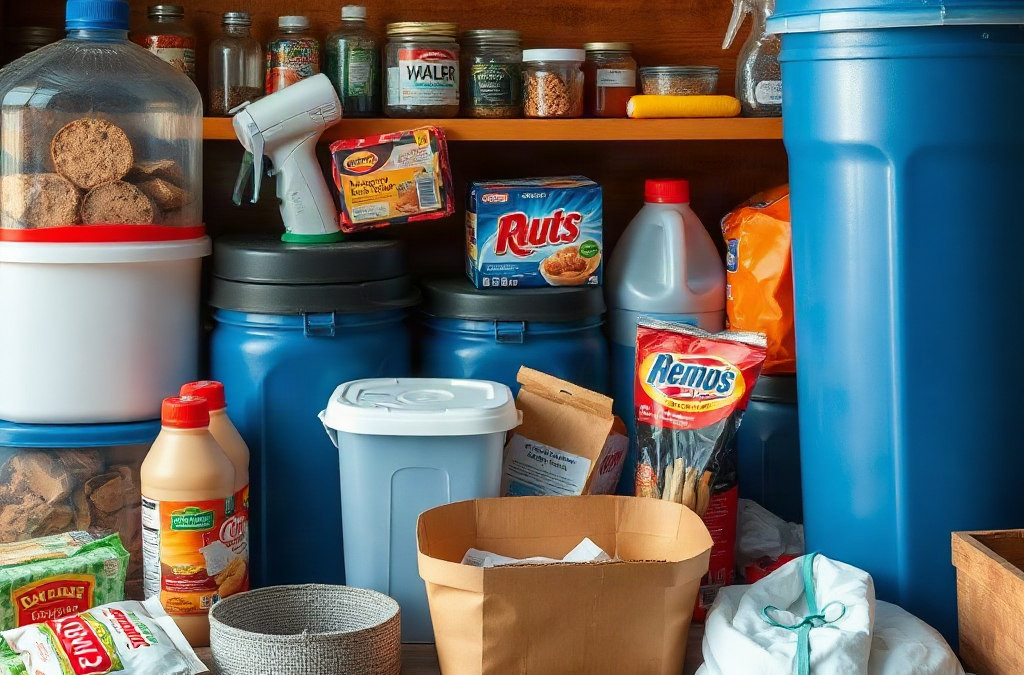
A supply list for preparing without a basement should emphasize compact, stackable foods, water containers, power equipment, sanitation items, and fire-safe storage rather than bulky bulk goods. Choose shelf-stable food in small packages, store water where floor weight and access are manageable, and use sealed bins to protect supplies from heat, pests, and moisture. A closet, interior cabinet, or raised shelving can work when items are divided by purpose and rotated regularly. Avoid filling one location with heavy containers or storing fuel and batteries in unsuitable conditions; limited space increases the consequences of poor ventilation, excessive heat, and forgotten expiration dates.
Set Priorities When Storage Space Is Limited
Preparing without a basement means managing volume, weight, temperature, and access at the same time. A spare closet or section of a bedroom can hold useful supplies, but it cannot safely imitate a large underground storeroom. The first decision is therefore not which products to buy; it is which household functions must continue when water, electricity, shopping, or waste collection is interrupted.
Give priority to items that solve immediate problems across several scenarios. Drinking water, food that needs little or no cooking, prescription and personal-care supplies, lighting, phone charging, sanitation materials, and a basic first-aid kit generally deserve space before specialty equipment. A manual can opener, heavy-duty bags, soap, toilet paper, gloves, and a bucket may be less interesting than outdoor gear, yet they address daily needs when normal services stop.
Weight deserves special attention in upper-floor apartments and rooms with lightweight shelving. Water is particularly dense, so several large containers should not be placed on a high shelf or concentrated in one cabinet without checking its construction. Divide heavier supplies across low, stable locations and keep frequently used items between waist and shoulder height. A compact supply arrangement is safer when it is distributed rather than compressed into one overloaded stack.
A useful first pass is to assign space by function:

- Immediate-use bin: flashlight, batteries, masks, hygiene items, medications, copies of key information, and a can opener.
- Food and water zone: dated shelf-stable foods, water, and simple preparation tools.
- Utility zone: charging equipment, lighting, batteries, tape, cordage, and repair items.
- Sanitation zone: liners, disinfecting supplies, gloves, paper products, and hand-cleaning materials.
The common mistake is buying large quantities before measuring the available footprint. A smaller collection that can be inspected and reached is more useful than a larger collection hidden behind furniture. The related Supply list for preparing without a basement should be treated as a space-and-function exercise, not a contest to accumulate the most containers.
Choose Food and Water That Fit an Apartment or Small Home
Food storage works best without a basement when products are compact, familiar, and usable with the cooking equipment still available. Canned foods provide durability but create substantial weight and require a can opener. Pouches, boxed grains, powdered drink mixes, nut butters, crackers, dried fruit, ready-to-eat meals, and shelf-stable milk may use less space, although packaging can be more vulnerable to crushing or pests. A balanced selection should reflect normal preferences rather than relying on foods no one in the household will eat.
Cooking capability changes the food decision. If an electric stove may be unavailable, include foods that can be eaten cold or prepared with a safe alternate method. A compact stove may be useful outdoors where its instructions permit, but fuel should never be used in a bedroom, enclosed porch, garage, or other poorly ventilated area because combustion can create fire and carbon-monoxide hazards. The lower-space option is often not more equipment; it is choosing more food that requires less equipment.
Water requires a separate calculation because storage containers are heavy and leakage can damage floors or belongings. Use containers made for potable water, keep them sealed, and place them on a low surface that can tolerate the load. Several modest containers are easier to move, inspect, and share than one oversized vessel. Rotate stored water according to the container maker’s instructions and replace any container that becomes cracked, swollen, contaminated, or difficult to clean.
Use everyday groceries to make rotation practical. Store an extra package of foods already used for breakfast or lunch, then replace it during ordinary shopping. This avoids the common failure of buying emergency-only food that reaches its date unnoticed. Keep an inventory with purchase dates and preparation needs; note whether each item needs a can opener, water, heat, refrigeration, or a particular utensil.
For a compact food area, prioritize:
- Ready-to-eat proteins and familiar calorie sources.
- Foods with packaging that stacks securely and shows its date.
- Manual preparation tools, including a can opener and measuring cup.
- Small amounts of condiments, electrolytes, and comfort foods that improve acceptance.
Bulk purchasing may lower the unit price, but it can consume valuable space and encourage waste. Smaller packages usually cost more per serving while making rotation and access easier. A household with dietary restrictions should test every planned item before relying on it. Another useful Supply list for preparing without a basement check is a one-day trial: prepare meals using only stored foods and the available water, utensils, and lighting. Missing tools become obvious before a disruption.
Build Power, Lighting, and Communication Capacity
Without a basement, utility supplies should be selected for safe indoor storage and simple deployment. A headlamp or flashlight for each regular household member reduces the need to move through dark rooms while carrying equipment. Keep spare batteries in their original packaging or a protected case, and separate damaged, leaking, or swollen batteries immediately. Rechargeable cells can reduce waste, but they depend on a charging method that may not be available during a prolonged outage.
A small power bank is useful for a phone, but its value depends on charge level, cable compatibility, and the number of devices competing for it. Store the correct cables with the power bank and test them together. A larger battery station may provide more capacity, yet it takes more floor space and may be difficult to move. Choose capacity based on essential loads such as phone charging, a medical device specified by its manufacturer, or a small light—not on the desire to operate every household appliance.
Solar panels can extend charging time in suitable weather, but they are not a guaranteed replacement for grid electricity. Window placement, shade, weather, panel size, and connector compatibility affect performance. A hand-crank radio may provide an alternative information source, while a battery radio is often simpler to operate. Keep both only if they serve a clear purpose and can be stored without displacing water or sanitation supplies.
Fire safety becomes more important when equipment is kept in living areas. Do not block exits with bins, cover heating vents, or place power equipment near radiators, stoves, or damp plumbing. Fuel canisters, candles, and flammable liquids require storage that follows their labels and local safety guidance; a basement-free setup should not move hazardous items into a closet merely because the closet is convenient.
Test the system during a normal evening. Turn off selected lights, locate each flashlight, charge a phone, operate the radio, and identify which devices cannot be supported. If the household needs a complicated sequence of adapters, a simpler and smaller setup may be more reliable. The practical goal is controlled access to light, information, and limited charging—not an attempt to recreate normal electrical service.
Protect Supplies From Heat, Moisture, and Access Problems
Storage location can determine whether supplies remain usable. An interior closet away from windows, plumbing, ovens, and heating equipment is often preferable to a hot attic, balcony, or cabinet beneath a sink. Heat accelerates deterioration in many foods and can damage batteries, medicines, plastics, and adhesives. Moisture can soften cardboard, encourage mold, rust metal, and compromise labels.
Use lidded plastic bins for grouping supplies, but do not assume every bin is waterproof. Keep food in its original sealed packaging when possible, place vulnerable boxes inside secondary bags, and raise containers off floors where a small plumbing leak could occur. Clear bins make inspection easier, while opaque bins protect light-sensitive items; either choice works if the contents are labeled on the outside and the lid remains accessible.
Divide supplies by use rather than packing everything into one deep container. A sanitation bin that is needed during a water outage should not be buried beneath canned food. Likewise, medications and important documents need a location that adults can reach quickly but children cannot access. Keep an inventory on paper as well as on a phone because the phone may be uncharged or unavailable.
Small homes create a temptation to use unsafe spaces. Do not store heavy containers on unstable furniture, in front of electrical panels, beside a furnace, or in an exit path. Do not place cleaning chemicals next to food, and do not combine substances in a container that could be mistaken for drinking water. If a supply cannot be stored safely, select a smaller quantity or a different format rather than ignoring the hazard.
Review the room at the end of the setup. Doors should open fully, shelves should not bow, labels should be readable, and the most urgent items should be reachable without moving several boxes. The best location is the one that preserves condition and reduces retrieval time, even if it is less hidden or less visually tidy than a dense stack.
Use a Rotation System That Works in Everyday Life
Rotation prevents a compact supply cache from becoming a forgotten collection of expired or damaged goods. A simple system has three actions: date new purchases, place older items in front, and inspect the whole storage area on a recurring household schedule. The schedule can follow a monthly bill review, seasonal cleaning day, or another event that already occurs.
Inspect more than dates. Look for dented cans with severe damage, leaking packages, insect activity, broken seals, depleted power banks, corroded batteries, dried-out wipes, and clothing or blankets affected by dampness. Check that every device still matches its cable and that household members know where the immediate-use bin is kept. A supply that exists but cannot be found or operated should not be counted as fully ready.
Run a short household exercise every few months. Ask one person to find lighting, another to assemble a no-cook meal, and another to identify the water and sanitation supplies. The exercise reveals practical failures, such as a can opener stored in a different room, a food pouch requiring more water than expected, or a bin too heavy for the person assigned to move it.
Budget constraints are easier to manage when purchases follow a sequence. Buy water containers and sanitation basics first, then food that fits normal meals, then lighting and charging equipment, followed by comfort and specialty items. Advanced equipment can wait until basic supplies are stored safely and rotated. A lower-cost setup that is tested and maintained generally has more practical value than an expensive collection with incompatible parts.
Use this final decision test before adding anything: does the item address a likely household need, fit the available location, remain safe under normal storage conditions, and have a clear rotation or testing date? If the answer is no, it is probably taking space from a higher-priority supply. For more related planning, use Supply list for preparing without a basement as a living inventory rather than a one-time shopping list.
For storage and safety details, consult current guidance from local emergency-management agencies, fire departments, public-health departments, and manufacturers’ instructions for water containers, batteries, fuel, and portable cooking equipment. Those sources provide the most relevant information for local hazards, building conditions, and product-specific limits.
Frequently Asked Questions
Where should supplies go if there is no basement?
Use a cool, dry interior closet or stable low shelving away from heat, plumbing, exits, and electrical hazards. Distribute heavy water containers rather than concentrating them on one shelf.
How much food should a small home store?
Choose an amount that fits safely and can be rotated through ordinary meals. Begin with several days of familiar, shelf-stable food, then expand only after water, sanitation, lighting, and storage safety are covered.
Are canned foods suitable without a basement?
Yes, if they are kept in a cool, dry place and inspected for damage. Their weight and need for a manual can opener make smaller quantities and low shelving more practical.
Can a portable stove be used indoors during an outage?
Do not use fuel-burning stoves indoors unless the manufacturer explicitly specifies that use and all safety requirements are met. Combustion equipment can create fire and carbon-monoxide hazards.
How can stored supplies avoid expiring?
Date new purchases, place older items in front, and inspect food, batteries, power banks, medicines, and sanitation products on a recurring schedule. Practice using the supplies so missing tools are discovered early.
Conclusion
A basement is convenient, but it is not a requirement for useful household preparation. Make limited space work by choosing compact foods, manageable water containers, dependable lighting, modest charging capacity, sanitation supplies, and safe storage bins. Keep heavy items low, protect goods from heat and moisture, and separate hazardous products from living and eating areas. Test the arrangement during an ordinary evening, then rotate supplies through normal shopping and inspect equipment on a set schedule. Add specialized gear only after the basics fit safely and can be reached quickly. The strongest setup is not the largest one; it is the collection the household can locate, use, maintain, and replace without creating new safety problems.




