
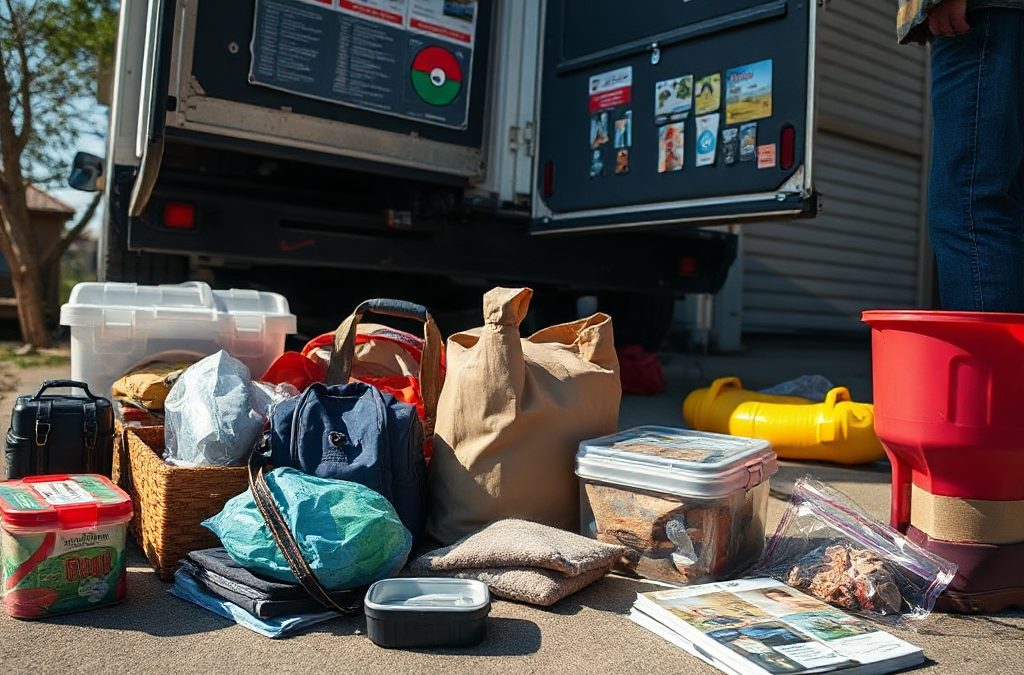
To create an adaptable emergency supply list, begin by assessing your unique needs based on your household size, environment, and potential risks. Essential items should include at least one gallon of water per person per day, a three-day supply of non-perishable food, a comprehensive first aid kit, and tools for communication and repairs. It's crucial to tailor your list to include specific needs, such as medications or pet supplies. Regularly reviewing and updating your list ensures it remains effective and relevant, helping you stay prepared for any emergency situation.
Understanding the Importance of an Emergency Supply List
An emergency supply list is crucial for preparedness in the face of unexpected disasters, whether natural or man-made. Having a well-thought-out list can significantly increase your chances of staying safe and secure during emergencies. It serves as a roadmap for your immediate needs, ensuring you have the necessary items to sustain yourself and your loved ones until help arrives or conditions improve.
Moreover, a tailored supply list allows for better resource management, reducing waste and ensuring that you are not overstocking items that may expire or become obsolete. Understanding the specific risks associated with your location—such as floods, earthquakes, or severe weather—can inform the contents of your list and enhance your overall preparedness.
Key Components of an Adaptable Emergency Supply List
To create an effective emergency supply list, start by identifying the key components that will meet your basic survival needs. These components typically include food, water, shelter, first aid supplies, and communication tools. Here’s a breakdown of essential items:
- Water: At least one gallon per person per day for at least three days.
- Non-perishable food: A minimum of a three-day supply, including items like canned goods, granola bars, and dried fruits.
- First aid kit: Should include bandages, antiseptics, pain relievers, and any personal medications.
- Multi-tool: Useful for various tasks, including repairs and food preparation.
- Flashlight and batteries: Essential for power outages and low-light conditions.
- Whistle: For signaling for help if needed.
Each of these items plays a critical role in ensuring your safety and comfort in an emergency. It’s important to remember that the list should be adaptable, meaning you can modify it based on your specific circumstances or the nature of the emergency.

Assessing Your Unique Needs
When creating an adaptable emergency supply list, consider the unique needs of your household. Factors such as the number of people, age, health conditions, and pets can significantly influence what items should be included. For example, families with infants may need to stock baby formula, diapers, and toys, while those with elderly members might require specialized medications or mobility aids.
Additionally, consider the environment you live in. Urban areas may necessitate different supplies compared to rural settings, particularly regarding transportation and communication tools. Assessing these factors will help you prioritize your supplies and ensure that your list is comprehensive and practical.
Regular Review and Updates
An adaptable emergency supply list is not static; it should evolve as your circumstances change. Regularly reviewing and updating your list ensures that it remains relevant and effective. Set a schedule—such as every six months—to go through your supplies, checking for expiration dates and replacing items as needed.
During your review, consider any changes in your household or environment that might affect your emergency needs. For instance, if you’ve added a family member or if your location has experienced new risks, it may be time to rethink your list. This proactive approach will help keep you prepared for any situation that may arise.
Frequently Asked Questions
What should I prioritize when creating an emergency supply list?
Prioritize essential items such as water, non-perishable food, first aid supplies, and tools for communication and shelter.
How often should I update my emergency supply list?
Review and update your emergency supply list every six months or whenever there are significant changes in your household or environment.
Can I use the same emergency supply list for different types of emergencies?
While some items may overlap, it's important to tailor your list based on specific scenarios, such as natural disasters versus civil emergencies.
What are common mistakes when preparing an emergency supply list?
Common mistakes include underestimating the quantity of supplies needed, neglecting unique family needs, and failing to regularly update the list.
How can I ensure my supplies are effective during an emergency?
Ensure supplies are durable, non-perishable, and relevant to your specific needs. Regularly check expiration dates and functionality.
Further Reading
Authoritative Sources
- Emergency Supply Kit
ready.govThis resource provides detailed information on what to include in your emergency supply kit, tailored to different scenarios
- Red Cross Survival Kit Supplies
redcross.orgOffers a comprehensive list of survival kit supplies and tips on preparing for emergencies
Conclusion
Creating an adaptable emergency supply list is essential for ensuring safety during unforeseen events. By identifying key components, assessing unique household needs, and regularly updating your supplies, you can maintain a state of readiness. Prioritize essential items and tailor your list to fit your specific circumstances, ensuring that you and your loved ones are prepared to face any emergency with confidence.




