In real-world scenarios, ineffective gear can compromise your safety and success in emergency situations. For instance, if a flashlight consistently fails to illuminate, it may lead to dangerous circumstances in low-light environments. Additionally, equipment that does not align with your specific requirements can hinder your ability to respond effectively. Therefore, understanding these performance metrics and assessing your gear regularly is critical.
Key Indicators of Ineffective Gear
Identifying the signs that your gear is ineffective involves recognizing specific indicators that can affect performance. Look for issues such as frequent malfunctions, visible damage, or failure to operate as intended. If your gear consistently requires repairs or replacement parts, it’s a strong signal that it may not be suitable for your needs.
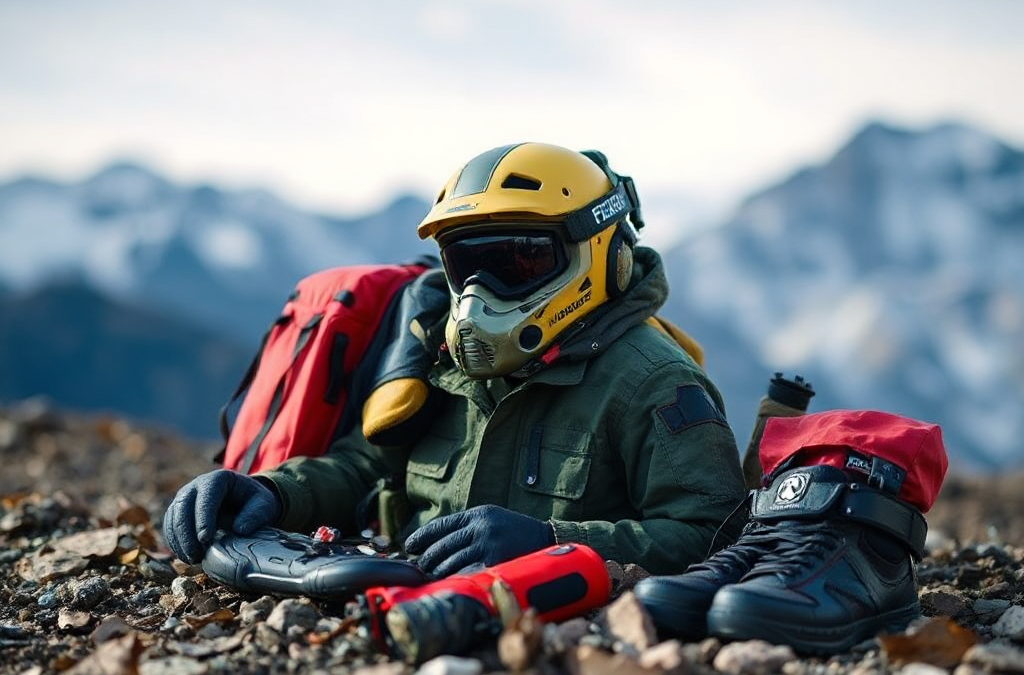
For example, if a backpack shows signs of fraying seams or broken zippers, it may not hold up under stress during critical situations. Additionally, if tools or equipment do not function correctly when needed, it’s important to assess their reliability. Prioritizing the replacement of failing gear is crucial for ensuring preparedness and safety.
Evaluating Gear Performance
Regular evaluation of gear performance is essential for ensuring its effectiveness. This can include routine checks for functionality, wear, and compatibility with your intended use cases. Establish a schedule for inspections to catch potential issues before they escalate.
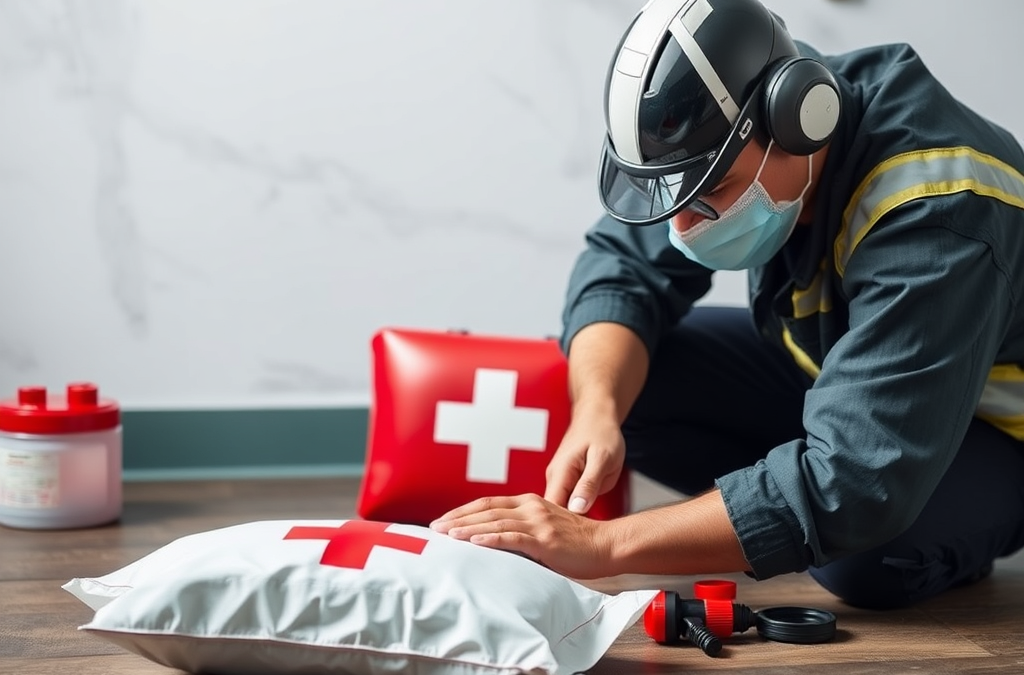
For instance, a first aid kit should be checked periodically to ensure that supplies are not expired and that all necessary items are present. Similarly, testing electronic gear, such as flashlights or radios, can help confirm that they operate correctly when needed. A proactive approach to gear evaluation can prevent last-minute surprises during emergencies.
Common Mistakes to Avoid
When assessing your gear, it is easy to overlook critical aspects that contribute to its effectiveness. A common mistake is failing to consider the specific demands of your environment or activities. Gear that is well-suited for one scenario may not perform adequately in another.
For example, using a multi-tool that is not designed for heavy-duty tasks in a survival situation can lead to failure when it is needed most. Always match your gear to the requirements of your activities, and don’t hesitate to seek out alternatives when your current equipment does not meet your needs. Understanding the limitations of your gear is as important as knowing its strengths.
Academic search resource for finding research literature and source material
Frequently Asked Questions
What are the signs that my gear is not working properly?
Signs include frequent malfunctions, visible damage, and failure to meet operational requirements.
How often should I evaluate my gear?
It’s advisable to evaluate your gear at least once every few months or before any significant use.
What should I do if my gear is ineffective?
Replace or repair the gear promptly and consider investing in higher-quality alternatives that suit your needs.
Can I repair ineffective gear?
Many types of gear can be repaired, but assess whether the repair cost outweighs the benefits of replacement.
How does gear quality impact performance?
Higher-quality gear typically offers better durability and reliability, which is crucial during emergencies.
Conclusion
In conclusion, recognizing when your gear is ineffective is essential for maintaining safety and preparedness. Regular evaluations, awareness of key indicators, and understanding the specific demands of your activities are critical in ensuring your equipment functions as intended. Prioritize replacing or repairing ineffective gear promptly to avoid compromising your safety in emergencies.
In reality, anyone can find themselves in a situation where immediate medical assistance is required. Whether it’s a minor injury like a cut or a more serious incident like a cardiac arrest, knowing how to respond appropriately can make a significant difference. Furthermore, many people tend to underestimate the frequency of emergencies in everyday life, believing that they are unlikely to encounter such situations.
Moreover, first aid training is not a one-time event. Regular refreshers are essential to keep skills sharp and knowledge current. Many individuals may take a course and feel confident initially, but without practice, those skills can fade over time. This is particularly critical in high-stress situations where quick thinking and decisive action are paramount.
Use one consistent response to improve should by matching the main trigger instead of mixed signals. The importance of first aid training usually drives the result more than owners expect, especially when the same mistake keeps getting rehearsed.
The Importance of First Aid Training
First aid training is crucial because it empowers individuals to respond effectively in emergencies. Knowing how to perform CPR, manage bleeding, or treat burns can be the difference between life and death. These skills not only provide immediate assistance but also promote a culture of safety within communities.
Moreover, being trained in first aid can reduce panic during emergencies. Individuals equipped with knowledge are more likely to stay calm, assess the situation, and take appropriate action. This preparedness can significantly alleviate the severity of injuries and improve outcomes for victims.
Common Scenarios Requiring First Aid
Various everyday situations may necessitate first aid intervention. Common scenarios include slips and falls, sports injuries, allergic reactions, and heart attacks. Each of these incidents requires a different response, emphasizing the need for comprehensive training.
For instance, someone experiencing a severe allergic reaction may require immediate administration of an epinephrine auto-injector, while a person having a heart attack may need CPR and defibrillation. Understanding these scenarios and practicing the appropriate responses can save lives.
Benefits of Regular Training
Engaging in regular first aid training offers numerous benefits. It ensures that individuals remain familiar with the latest guidelines and techniques, as first aid protocols may evolve over time. Additionally, regular practice helps build muscle memory, making it easier to respond quickly in real-life situations.
Moreover, participating in first aid courses fosters a sense of community and collaboration. When groups of people learn together, they not only acquire skills but also develop a network of support, increasing overall preparedness in emergencies.
Recognizing Medical Emergencies
A critical component of first aid training is the ability to recognize medical emergencies. Symptoms such as chest pain, difficulty breathing, or sudden confusion can indicate serious conditions that require immediate attention. Understanding these warning signs can prompt timely intervention, potentially saving lives.
Encouragingly, many first aid courses include training on how to assess and prioritize emergencies. This knowledge equips individuals to make informed decisions during crises, ensuring that the most critical needs are addressed first.
National preparedness resources for planning, mitigation, and response readiness
Frequently Asked Questions
What is first aid training?
First aid training teaches individuals how to provide immediate assistance to someone who is injured or ill, covering essential skills like CPR, wound care, and recognizing medical emergencies.
Why is first aid training important?
It equips individuals with the knowledge and skills to respond effectively in emergencies, potentially saving lives and reducing the severity of injuries.
How often should first aid training be renewed?
It is recommended to renew first aid training every two to three years to stay updated on the latest techniques and protocols.
Can anyone take first aid training?
Yes, first aid training is designed for everyone, regardless of their medical background, and is beneficial for parents, teachers, coaches, and community members.
What should I do if I encounter an emergency?
Assess the situation, ensure your safety, call for professional help if needed, and provide appropriate first aid based on your training.
Conclusion
In conclusion, ignoring first aid training can lead to missed opportunities for effective intervention in emergencies. The skills gained through training not only empower individuals to act decisively but also foster a safer community overall. Regular refreshers and practice are essential to maintain proficiency and confidence. By prioritizing first aid education, you can be better prepared to save lives and respond to emergencies with assurance and skill.
For instance, local training programs can educate residents about emergency protocols, while neighborhood networks can facilitate the distribution of supplies and information when disasters strike. However, a common pitfall is underestimating the importance of these connections, leading to missed opportunities for collaboration and support.
The direct answer to The Role of Community in Successful Preparedness: Essential Strategies and Benefits depends on role, community, successful and the specific conditions described in the article. For instance, local training programs can educate residents about emergency protocols, while neighborhood networks can facilitate the distribution of supplies and information when disasters strike.
Building a Supportive Network
Establishing a supportive network is fundamental to effective preparedness. Communities that prioritize relationship-building can create a safety net for their members. This network can range from informal groups of neighbors to organized community associations focused on disaster readiness. Successful networking allows individuals to exchange information about local hazards and preparedness strategies, ensuring that everyone is informed and prepared.
One effective method for building this network is to host regular community meetings where residents can discuss concerns and share resources. These gatherings foster trust and encourage participation in collective preparedness initiatives. A common mistake is to assume that individuals will automatically seek out these connections; proactive outreach is necessary to engage the community.
Resource Sharing and Collaboration
Resource sharing is another critical aspect of community preparedness. When individuals come together, they can pool resources such as supplies, tools, and expertise, making it easier to respond to emergencies effectively. This collaboration can take many forms, including shared storage spaces for emergency supplies, community gardens for food production, or joint training sessions.
Communities should establish clear guidelines for resource sharing to ensure equitable access and avoid conflicts. Regular training on how to utilize shared resources effectively can enhance collaboration. A potential drawback of resource sharing is the risk of dependency on community assets, which can be mitigated by encouraging individual preparedness alongside communal efforts.
Training and Skill Development
Training and skill development are essential for a community’s preparedness. Engaging residents in workshops and training sessions on first aid, fire safety, and emergency response can significantly enhance the community’s overall capability to deal with disasters. Communities that invest in training are likely to have more individuals who can respond effectively during emergencies.
To maximize the benefits of training, communities should tailor programs to address specific local hazards and needs. Incorporating hands-on practice and real-life scenarios can improve retention and confidence among participants. A common oversight is failing to include a diverse range of voices in training programs, which can lead to missed opportunities for inclusivity and wider engagement.
Emotional Resilience Through Community
Emotional resilience is an often-overlooked aspect of preparedness that communities can significantly impact. The psychological support provided by a community can help individuals cope with the stress and trauma associated with emergencies. Building strong relationships and fostering a sense of belonging can enhance emotional resilience and improve overall community well-being.
To support emotional resilience, communities should create environments that promote open communication and mutual aid. Initiatives such as peer support groups and mental health resources can be invaluable. Neglecting the emotional aspects of preparedness can lead to increased anxiety and feelings of isolation during crises.
National preparedness resources for planning, mitigation, and response readiness
Frequently Asked Questions
How does community involvement enhance preparedness?
Community involvement enhances preparedness by fostering collaboration, sharing resources, and providing emotional support, which collectively improve response capabilities during emergencies.
What strategies can communities use to build networks?
Communities can build networks by hosting regular meetings, creating online groups, and engaging in community service projects to foster relationships and trust among members.
Why is resource sharing important in preparedness?
Resource sharing is important because it allows communities to pool supplies and knowledge, ensuring that members have access to essential tools and information during crises.
How can training improve community preparedness?
Training improves community preparedness by equipping individuals with essential skills and knowledge, making them more capable of responding effectively during emergencies.
What role does emotional support play in preparedness?
Emotional support plays a critical role in preparedness by helping individuals cope with stress and trauma, fostering resilience, and enhancing community cohesion during crises.