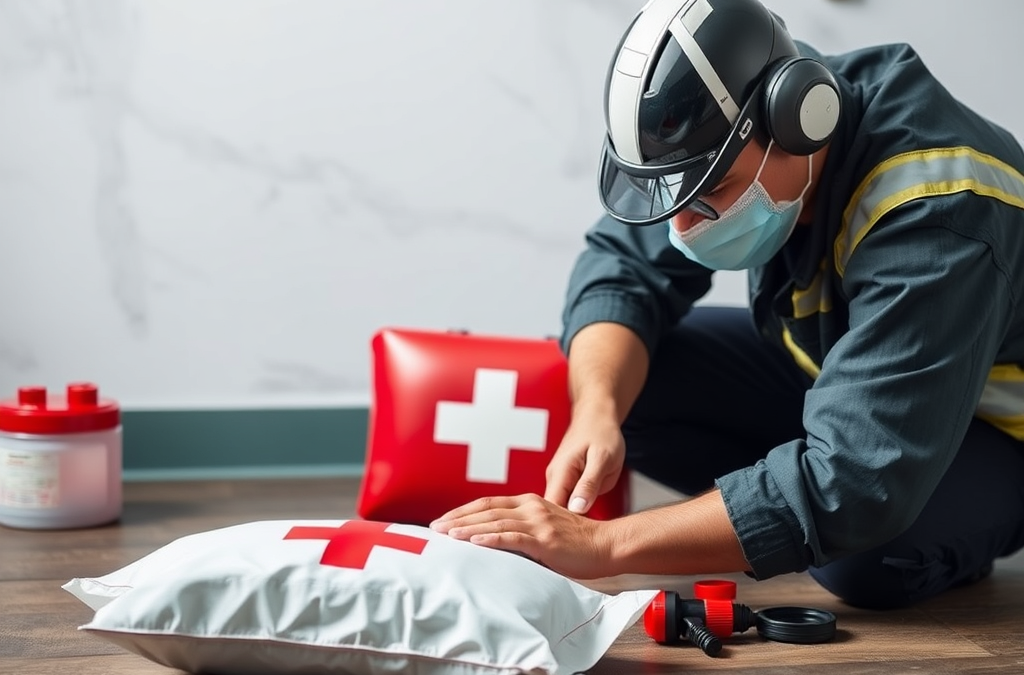
In reality, anyone can find themselves in a situation where immediate medical assistance is required. Whether it’s a minor injury like a cut or a more serious incident like a cardiac arrest, knowing how to respond appropriately can make a significant difference. Furthermore, many people tend to underestimate the frequency of emergencies in everyday life, believing that they are unlikely to encounter such situations.
Moreover, first aid training is not a one-time event. Regular refreshers are essential to keep skills sharp and knowledge current. Many individuals may take a course and feel confident initially, but without practice, those skills can fade over time. This is particularly critical in high-stress situations where quick thinking and decisive action are paramount.
Use one consistent response to improve should by matching the main trigger instead of mixed signals. The importance of first aid training usually drives the result more than owners expect, especially when the same mistake keeps getting rehearsed.
The Importance of First Aid Training
First aid training is crucial because it empowers individuals to respond effectively in emergencies. Knowing how to perform CPR, manage bleeding, or treat burns can be the difference between life and death. These skills not only provide immediate assistance but also promote a culture of safety within communities.
Moreover, being trained in first aid can reduce panic during emergencies. Individuals equipped with knowledge are more likely to stay calm, assess the situation, and take appropriate action. This preparedness can significantly alleviate the severity of injuries and improve outcomes for victims.
Common Scenarios Requiring First Aid
Various everyday situations may necessitate first aid intervention. Common scenarios include slips and falls, sports injuries, allergic reactions, and heart attacks. Each of these incidents requires a different response, emphasizing the need for comprehensive training.

For instance, someone experiencing a severe allergic reaction may require immediate administration of an epinephrine auto-injector, while a person having a heart attack may need CPR and defibrillation. Understanding these scenarios and practicing the appropriate responses can save lives.
Benefits of Regular Training
Engaging in regular first aid training offers numerous benefits. It ensures that individuals remain familiar with the latest guidelines and techniques, as first aid protocols may evolve over time. Additionally, regular practice helps build muscle memory, making it easier to respond quickly in real-life situations.
Moreover, participating in first aid courses fosters a sense of community and collaboration. When groups of people learn together, they not only acquire skills but also develop a network of support, increasing overall preparedness in emergencies.
Recognizing Medical Emergencies
A critical component of first aid training is the ability to recognize medical emergencies. Symptoms such as chest pain, difficulty breathing, or sudden confusion can indicate serious conditions that require immediate attention. Understanding these warning signs can prompt timely intervention, potentially saving lives.
Encouragingly, many first aid courses include training on how to assess and prioritize emergencies. This knowledge equips individuals to make informed decisions during crises, ensuring that the most critical needs are addressed first.

Further Reading
Authoritative Sources
- Ready.gov Preparedness Guidance
ready.govFederal preparedness guidance for household planning, alerts, supplies, and emergencies
- American Red Cross Emergency Preparedness
redcross.orgEmergency preparedness resources for families, disasters, and practical safety planning
- FEMA Preparedness Resources
fema.govNational preparedness resources for planning, mitigation, and response readiness
Frequently Asked Questions
What is first aid training?
First aid training teaches individuals how to provide immediate assistance to someone who is injured or ill, covering essential skills like CPR, wound care, and recognizing medical emergencies.
Why is first aid training important?
It equips individuals with the knowledge and skills to respond effectively in emergencies, potentially saving lives and reducing the severity of injuries.
How often should first aid training be renewed?
It is recommended to renew first aid training every two to three years to stay updated on the latest techniques and protocols.
Can anyone take first aid training?
Yes, first aid training is designed for everyone, regardless of their medical background, and is beneficial for parents, teachers, coaches, and community members.
What should I do if I encounter an emergency?
Assess the situation, ensure your safety, call for professional help if needed, and provide appropriate first aid based on your training.
Conclusion
In conclusion, ignoring first aid training can lead to missed opportunities for effective intervention in emergencies. The skills gained through training not only empower individuals to act decisively but also foster a safer community overall. Regular refreshers and practice are essential to maintain proficiency and confidence. By prioritizing first aid education, you can be better prepared to save lives and respond to emergencies with assurance and skill.