Understanding the Importance of Emergency Supply Planning
Emergency supply planning is crucial for ensuring safety during unexpected crises, such as natural disasters, pandemics, or other emergencies. It involves preparing a comprehensive list of essential supplies and formulating a strategy for quick access to these resources. Understanding the potential risks your area faces, such as floods, earthquakes, or severe storms, can help tailor your supply list effectively. Planning not only enhances personal safety but also fosters peace of mind, knowing that you are ready to face unforeseen challenges.
Many people underestimate the importance of being prepared, often believing that emergencies won’t happen to them. This misconception can lead to inadequate planning and insufficient supplies. A well-structured emergency supply plan can mitigate risks and improve response times during critical situations. Prioritizing essential items and having a clear action plan can make a significant difference in outcomes during emergencies.
Key Supplies for Effective Emergency Preparedness
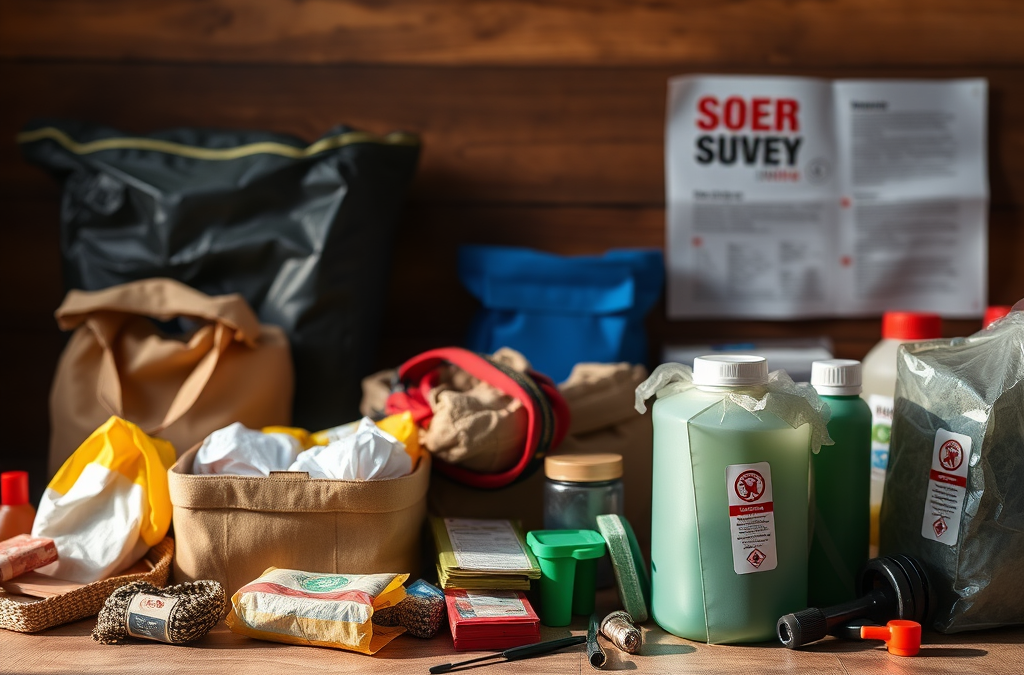
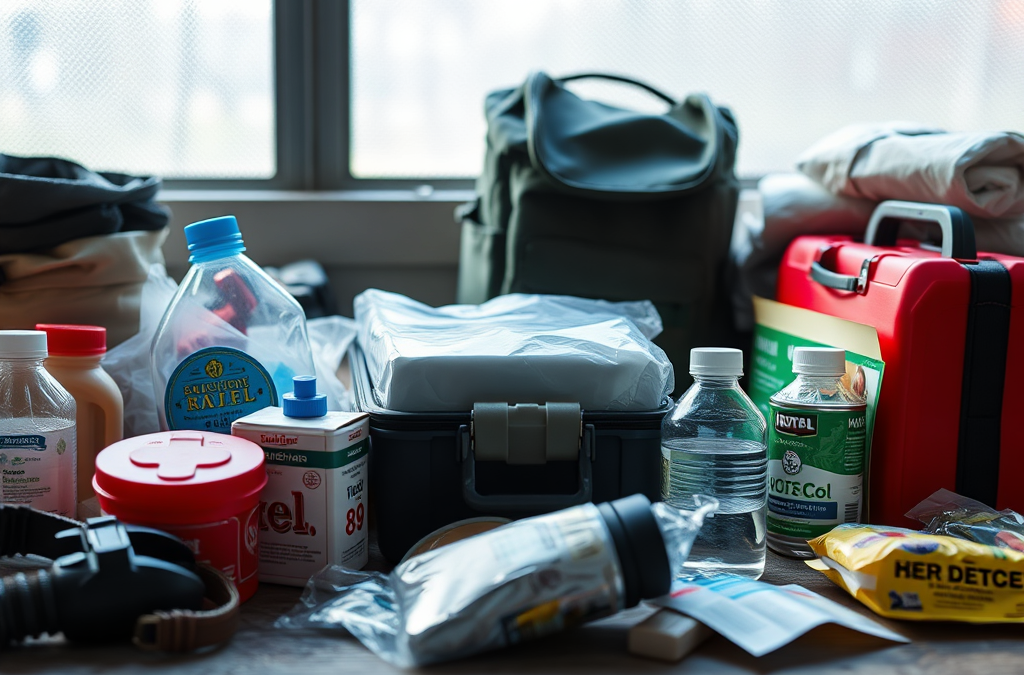
The foundation of any effective emergency supply planning guide is a well-curated list of supplies. Essential items typically include non-perishable food, clean drinking water, first-aid kits, and tools for communication and shelter. Here’s a breakdown of these key supplies:
Non-Perishable Food: Stock up on canned goods, dried fruits, nuts, and other shelf-stable items that can sustain you and your family for at least three days.
Clean Water: Aim for at least one gallon of water per person per day. Store enough for at least three days.
First-Aid Supplies: Include bandages, antiseptics, medications, and any necessary prescription drugs. Familiarize yourself with basic first aid techniques.
Communication Tools: A battery-powered or hand-crank radio, extra batteries, and a mobile phone charger can help you stay informed and connected.
Emergency Shelter: Consider items like tarps, sleeping bags, and blankets to ensure warmth and safety if you must evacuate your home.
Each item should be selected based on your family’s specific needs. For example, if you have young children or pets, ensure that your supplies cater to their requirements as well.
Steps to Create a Comprehensive Emergency Plan
Creating a comprehensive emergency plan involves several key steps. First, identify the types of emergencies that are most likely to occur in your area. This could include hurricanes, earthquakes, or power outages. Next, develop a communication plan that outlines how your family will stay in touch during an emergency. Designate meeting points and ensure that everyone knows how to reach them.
Once you have identified potential risks and communication strategies, assemble your emergency supply kit. Regularly evaluate and update your kit to include any new items or replace expired supplies. Additionally, practice emergency drills with your family to ensure everyone understands their roles and responsibilities during a crisis.
Maintaining and Reviewing Your Emergency Supplies
Regular maintenance of your emergency supplies is essential for effective preparedness. Check your supplies at least every six months to ensure everything is in good condition and nothing has expired. This includes food, water, medications, and batteries. Replenish any items that are running low or have been used.
Consider keeping a checklist of your supplies and setting reminders for regular reviews. An organized system will help you stay on top of your preparedness efforts. In addition, after any significant emergency event, review your plan and supplies to identify areas for improvement. This continuous evaluation will help you adapt to changing circumstances and ensure your emergency supply planning guide remains effective.
For additional resources on emergency preparedness, consider checking official websites such as the Ready.gov for government guidelines and recommendations.
Frequently Asked Questions
What should be included in an emergency supply kit?
An emergency supply kit should include non-perishable food, water, first-aid supplies, communication tools, and shelter items.
How often should I check my emergency supplies?
Check your emergency supplies at least every six months to ensure everything is in good condition and nothing has expired.
How much water should I store for emergencies?
Store at least one gallon of water per person per day for at least three days.
What is the first step in emergency planning?
The first step is to identify the types of emergencies that are most likely to occur in your area.
How can I involve my family in emergency planning?
Involve your family by discussing the emergency plan, assigning roles, and practicing drills together.
National preparedness resources for planning, mitigation, and response readiness
Conclusion
Effective emergency supply planning is essential for ensuring safety and preparedness in the face of unexpected events. By understanding the importance of having a well-stocked supply kit and a clear action plan, families can significantly enhance their readiness for emergencies. Regularly reviewing and maintaining supplies, along with involving all family members in the planning process, will help create a resilient safety net. Take the first step today by assessing your current supplies and developing a tailored emergency plan that meets your family’s unique needs.
Creating a family emergency plan is the cornerstone of preparation before disaster hits. This plan should outline specific actions to take during different types of emergencies, such as fires, earthquakes, or severe weather. Each family member should understand their role, including where to meet if separated and how to contact one another.
To make the plan effective, involve all family members in discussions about potential scenarios and responses. For example, practicing a fire drill can help everyone remember the escape routes and emergency contacts. Another mistake to avoid is failing to consider the needs of all family members, including pets, elderly relatives, or individuals with disabilities. Ensure that your plan accommodates everyone’s needs for a comprehensive approach.
Assembling a Supply Kit
Assembling a supply kit is essential for successful preparation before disaster hits. A well-stocked kit should include food, water, first aid supplies, flashlights, batteries, and other essentials that can sustain your family for at least 72 hours. The type of food should be non-perishable and easy to prepare, such as canned goods or energy bars.
Regularly check the contents of your supply kit to replace expired items and adjust supplies based on your family’s needs. A common oversight is underestimating the importance of sanitation and hygiene items, such as hand sanitizer and moist towelettes, which become crucial during emergencies. Make sure to tailor your kit to your family’s specific circumstances, including any medications or special dietary requirements.
Establishing Communication Strategies
Establishing communication strategies is a vital part of preparation before disaster hits. In emergencies, traditional communication methods may fail; thus, having alternative ways to connect with family members is essential. Designate an out-of-area contact person who can relay messages and updates to family members.
Additionally, ensure that all family members have a list of emergency contacts and know how to access it. Common mistakes include relying solely on mobile phones, which may not work during a disaster. Consider using two-way radios or establishing meeting points if communication fails. This proactive approach can significantly reduce confusion and enhance safety during chaotic situations.
Understanding Local Risks
Understanding local risks is critical to effective preparation before disaster hits. Different regions face unique threats, such as hurricanes in coastal areas or tornadoes in the Midwest. Familiarize yourself with the specific risks in your community and prepare accordingly. For instance, if you live in an area prone to flooding, ensure your emergency plan includes evacuation routes and a safe meeting place.
Neglecting local risks can lead to inadequate preparation. Conducting a risk assessment of your home and surrounding area can help identify vulnerabilities and inform your emergency planning. Engage with local authorities or community organizations to stay informed about potential risks and resources available for disaster preparedness.
Frequently Asked Questions
What should be included in a family emergency plan?
A family emergency plan should include evacuation routes, emergency contacts, and specific roles for each family member during a disaster.
How often should I update my emergency supply kit?
It's advisable to review and update your emergency supply kit at least twice a year to replace expired items and adjust for any changing family needs.
What types of food are best for an emergency supply kit?
Non-perishable foods that are easy to prepare, such as canned goods, energy bars, and dried fruits, are ideal for an emergency supply kit.
How can I ensure my family stays connected during a disaster?
Establish an out-of-area contact person and ensure everyone has access to emergency contact information to maintain communication during a disaster.
Why is it important to understand local risks?
Understanding local risks enables families to tailor their emergency preparedness plans to address specific threats, ensuring more effective responses during crises.
Provides information on local hazards and how to prepare for various emergencies
Conclusion
Taking proactive steps for preparation before disaster hits is crucial for ensuring family safety and readiness. Focus on creating a comprehensive emergency plan, assembling a well-stocked supply kit, and understanding local risks to enhance your family’s resilience. Regularly review and update your strategies to adapt to changing needs and potential threats. This preparation not only safeguards your family during crises but also fosters a sense of security and confidence in your ability to handle emergencies effectively.
Understanding the Importance of an Emergency Survival Plan
An emergency survival plan is crucial for ensuring safety and preparedness during unexpected disasters. This plan serves as a roadmap for individuals and families to follow during crises, minimizing panic and confusion. The ability to respond quickly and effectively can significantly reduce risks and enhance survival chances. For instance, having a well-structured plan in place can help families navigate natural disasters like hurricanes, floods, or earthquakes with greater confidence and efficiency.
Moreover, an emergency survival plan not only addresses immediate safety concerns but also includes long-term strategies for recovery and rebuilding. Involving all family members in the planning process ensures everyone understands their roles and responsibilities, which can be vital during a high-stress situation. By prioritizing preparedness, individuals can create a sense of control and resilience in the face of adversity.
Key Components of an Emergency Survival Plan
To create an effective emergency survival plan, it is essential to incorporate several key components that cover various aspects of preparedness. First and foremost, a comprehensive inventory of emergency supplies is necessary. This includes items such as non-perishable food, water, a first aid kit, flashlights, batteries, and sanitation supplies. Maintaining an updated list of these items and ensuring they are easily accessible can save valuable time during a crisis.
Additionally, establishing a communication strategy is vital. This should include a designated meeting place, emergency contact numbers, and methods to stay informed about the situation (like battery-operated radios or mobile apps). Another important aspect is conducting regular drills to practice the plan, which helps to identify any weaknesses and ensures everyone knows their roles. By incorporating these elements, individuals can create a robust emergency survival plan that enhances their readiness for various types of emergencies.
Common Mistakes to Avoid
Even with the best intentions, many people make mistakes when developing their emergency survival plans. One common error is failing to consider the unique needs of all family members, including pets, elderly individuals, and those with special medical requirements. Ensuring that the plan accommodates everyone’s needs is critical for comprehensive preparedness.
Another mistake is neglecting to regularly review and update the plan. An emergency survival plan is not a one-time effort; it should evolve as circumstances change, such as new family members, changes in health conditions, or shifts in local emergency protocols. Lastly, many underestimate the importance of practicing the plan. Regular drills can help reinforce the steps to take during an emergency, making the response more instinctive and effective.
Developing Your Emergency Communication Strategy
An effective emergency communication strategy is a cornerstone of any solid emergency survival plan. This strategy should outline how family members will communicate during a crisis, especially if separated. Designating a primary and secondary meeting point can ensure everyone knows where to gather in case of evacuation.
In addition, maintaining an updated list of emergency contacts, including local authorities, neighbors, and family members who live outside the immediate area, can enhance communication efforts. It’s also wise to establish methods for staying informed about the situation, such as using text messages or social media platforms, which can be more reliable than phone calls during emergencies. By prioritizing communication, families can stay connected and better coordinate their responses during a crisis.
Regular Review and Updates of Your Plan
Regularly reviewing and updating your emergency survival plan is essential for maintaining its effectiveness. Changes in family dynamics, new threats, or advancements in emergency protocols necessitate periodic reassessment of the plan. Schedule routine reviews, ideally every six months, to ensure all supplies are stocked, contact lists are current, and everyone is familiar with their roles.
Incorporating feedback from practice drills can also help refine the plan. If certain aspects of the plan were ineffective during a drill, addressing these shortcomings can improve overall preparedness. By committing to regular updates, families can enhance their resilience and readiness for any emergencies they may face.
For those seeking more information on emergency preparedness, consider exploring resources from organizations such as the American Red Cross or FEMA. These sources provide valuable insights and guidelines for creating effective emergency survival plans tailored to individual needs.
Frequently Asked Questions
What should be included in an emergency survival plan?
Your emergency survival plan should include essential supplies like food, water, a first aid kit, communication strategies, and evacuation routes.
How often should I review my emergency survival plan?
It's recommended to review your emergency survival plan every six months to ensure it remains up-to-date and relevant.
Why is practicing my emergency plan important?
Practicing your emergency plan helps reinforce the steps to take during a crisis, making the response more instinctive and effective.
How can I ensure my family is prepared for emergencies?
Involve all family members in the planning process, hold regular drills, and maintain an updated inventory of supplies to ensure everyone is prepared.
What common mistakes should I avoid in my emergency plan?
Avoid neglecting the unique needs of family members, failing to regularly review the plan, and not practicing the plan frequently.