
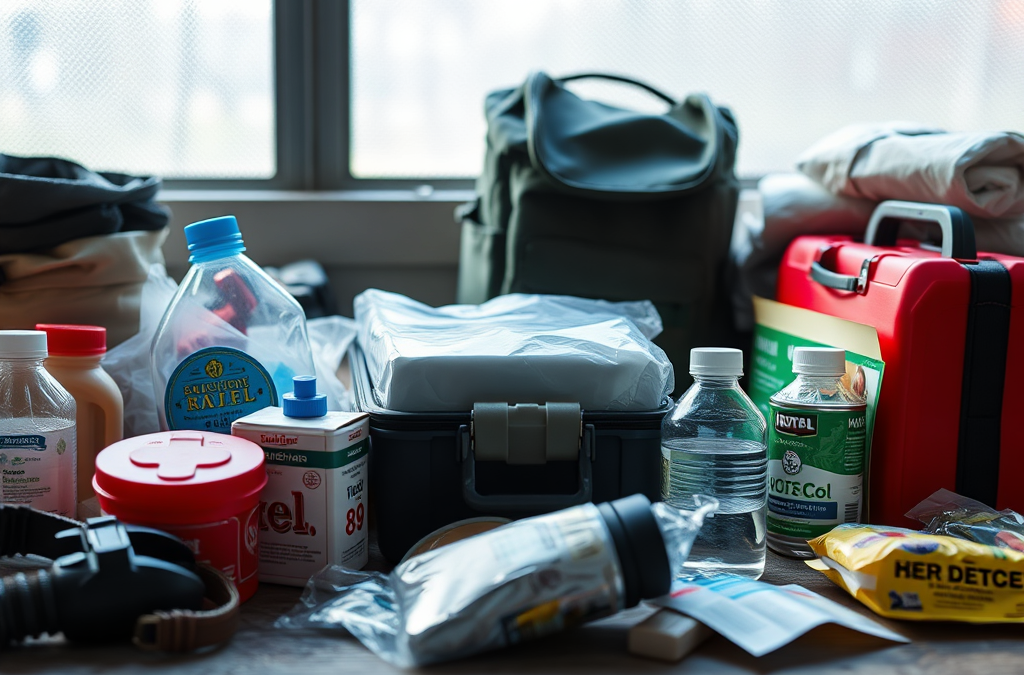
An emergency survival plan is essential for effectively managing unexpected disasters and ensuring the safety of individuals and families. To create a robust plan, start by assembling vital supplies, including non-perishable food, water, and a first aid kit, and ensure they are easily accessible. Additionally, develop a clear communication strategy that outlines how family members will stay in contact during a crisis. A common mistake is neglecting to involve all family members in the planning process; everyone should understand their specific roles to minimize confusion when emergencies arise. Regularly reviewing and updating the plan is also crucial to adapt to changing circumstances and ensure preparedness.
Understanding the Importance of an Emergency Survival Plan
An emergency survival plan is crucial for ensuring safety and preparedness during unexpected disasters. This plan serves as a roadmap for individuals and families to follow during crises, minimizing panic and confusion. The ability to respond quickly and effectively can significantly reduce risks and enhance survival chances. For instance, having a well-structured plan in place can help families navigate natural disasters like hurricanes, floods, or earthquakes with greater confidence and efficiency.
Moreover, an emergency survival plan not only addresses immediate safety concerns but also includes long-term strategies for recovery and rebuilding. Involving all family members in the planning process ensures everyone understands their roles and responsibilities, which can be vital during a high-stress situation. By prioritizing preparedness, individuals can create a sense of control and resilience in the face of adversity.
Key Components of an Emergency Survival Plan
To create an effective emergency survival plan, it is essential to incorporate several key components that cover various aspects of preparedness. First and foremost, a comprehensive inventory of emergency supplies is necessary. This includes items such as non-perishable food, water, a first aid kit, flashlights, batteries, and sanitation supplies. Maintaining an updated list of these items and ensuring they are easily accessible can save valuable time during a crisis.
Additionally, establishing a communication strategy is vital. This should include a designated meeting place, emergency contact numbers, and methods to stay informed about the situation (like battery-operated radios or mobile apps). Another important aspect is conducting regular drills to practice the plan, which helps to identify any weaknesses and ensures everyone knows their roles. By incorporating these elements, individuals can create a robust emergency survival plan that enhances their readiness for various types of emergencies.

Common Mistakes to Avoid
Even with the best intentions, many people make mistakes when developing their emergency survival plans. One common error is failing to consider the unique needs of all family members, including pets, elderly individuals, and those with special medical requirements. Ensuring that the plan accommodates everyone’s needs is critical for comprehensive preparedness.
Another mistake is neglecting to regularly review and update the plan. An emergency survival plan is not a one-time effort; it should evolve as circumstances change, such as new family members, changes in health conditions, or shifts in local emergency protocols. Lastly, many underestimate the importance of practicing the plan. Regular drills can help reinforce the steps to take during an emergency, making the response more instinctive and effective.
Developing Your Emergency Communication Strategy
An effective emergency communication strategy is a cornerstone of any solid emergency survival plan. This strategy should outline how family members will communicate during a crisis, especially if separated. Designating a primary and secondary meeting point can ensure everyone knows where to gather in case of evacuation.
In addition, maintaining an updated list of emergency contacts, including local authorities, neighbors, and family members who live outside the immediate area, can enhance communication efforts. It’s also wise to establish methods for staying informed about the situation, such as using text messages or social media platforms, which can be more reliable than phone calls during emergencies. By prioritizing communication, families can stay connected and better coordinate their responses during a crisis.
Regular Review and Updates of Your Plan
Regularly reviewing and updating your emergency survival plan is essential for maintaining its effectiveness. Changes in family dynamics, new threats, or advancements in emergency protocols necessitate periodic reassessment of the plan. Schedule routine reviews, ideally every six months, to ensure all supplies are stocked, contact lists are current, and everyone is familiar with their roles.
Incorporating feedback from practice drills can also help refine the plan. If certain aspects of the plan were ineffective during a drill, addressing these shortcomings can improve overall preparedness. By committing to regular updates, families can enhance their resilience and readiness for any emergencies they may face.
For those seeking more information on emergency preparedness, consider exploring resources from organizations such as the American Red Cross or FEMA. These sources provide valuable insights and guidelines for creating effective emergency survival plans tailored to individual needs.
Frequently Asked Questions
What should be included in an emergency survival plan?
Your emergency survival plan should include essential supplies like food, water, a first aid kit, communication strategies, and evacuation routes.
How often should I review my emergency survival plan?
It's recommended to review your emergency survival plan every six months to ensure it remains up-to-date and relevant.
Why is practicing my emergency plan important?
Practicing your emergency plan helps reinforce the steps to take during a crisis, making the response more instinctive and effective.
How can I ensure my family is prepared for emergencies?
Involve all family members in the planning process, hold regular drills, and maintain an updated inventory of supplies to ensure everyone is prepared.
What common mistakes should I avoid in my emergency plan?
Avoid neglecting the unique needs of family members, failing to regularly review the plan, and not practicing the plan frequently.
Further Reading
Authoritative Sources
- Ready.gov Preparedness Guidance
ready.govFederal preparedness guidance for household planning, alerts, supplies, and emergencies
- American Red Cross Emergency Preparedness
redcross.orgEmergency preparedness resources for families, disasters, and practical safety planning
- FEMA Preparedness Resources
fema.govNational preparedness resources for planning, mitigation, and response readiness
Related Content
- Ready for Anything: Essential Steps for Effective Emergency Preparedness
- Portable Battery Runtime Estimates Under Intermittent Charging: Watt-Hour Math, Recovery Windows, And Real-World Limits
- Tips for Building a Fire in Wet Conditions
- Emergency Gear Must Haves: Essential Items for Every Preparedness Kit
- Preparedness for Uncertain Times: Essential Strategies for Building Resilience




