An emergency supply planning guide is essential for ensuring you are prepared for unexpected crises. Start by compiling a list of vital supplies, including non-perishable food, clean water, first-aid kits, and communication tools. Regularly assess your supplies to adapt to changing family needs and potential threats in your area. A common mistake is underestimating the importance of preparedness, which can lead to inadequate supplies during an emergency. By maintaining an updated inventory and a clear action plan, you can significantly enhance your safety and response capability in critical situations.
Understanding the Importance of Emergency Supply Planning
Emergency supply planning is crucial for ensuring safety during unexpected crises, such as natural disasters, pandemics, or other emergencies. It involves preparing a comprehensive list of essential supplies and formulating a strategy for quick access to these resources. Understanding the potential risks your area faces, such as floods, earthquakes, or severe storms, can help tailor your supply list effectively. Planning not only enhances personal safety but also fosters peace of mind, knowing that you are ready to face unforeseen challenges.
Many people underestimate the importance of being prepared, often believing that emergencies won’t happen to them. This misconception can lead to inadequate planning and insufficient supplies. A well-structured emergency supply plan can mitigate risks and improve response times during critical situations. Prioritizing essential items and having a clear action plan can make a significant difference in outcomes during emergencies.
Key Supplies for Effective Emergency Preparedness
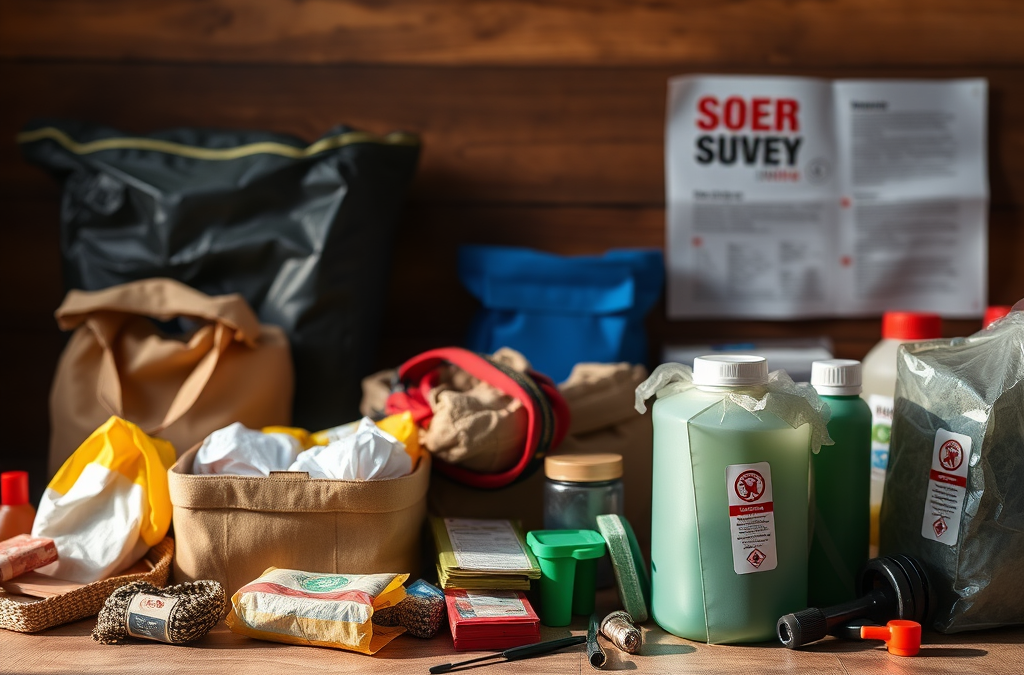
The foundation of any effective emergency supply planning guide is a well-curated list of supplies. Essential items typically include non-perishable food, clean drinking water, first-aid kits, and tools for communication and shelter. Here’s a breakdown of these key supplies:
- Non-Perishable Food: Stock up on canned goods, dried fruits, nuts, and other shelf-stable items that can sustain you and your family for at least three days.
- Clean Water: Aim for at least one gallon of water per person per day. Store enough for at least three days.
- First-Aid Supplies: Include bandages, antiseptics, medications, and any necessary prescription drugs. Familiarize yourself with basic first aid techniques.
- Communication Tools: A battery-powered or hand-crank radio, extra batteries, and a mobile phone charger can help you stay informed and connected.
- Emergency Shelter: Consider items like tarps, sleeping bags, and blankets to ensure warmth and safety if you must evacuate your home.
Each item should be selected based on your family’s specific needs. For example, if you have young children or pets, ensure that your supplies cater to their requirements as well.

Steps to Create a Comprehensive Emergency Plan
Creating a comprehensive emergency plan involves several key steps. First, identify the types of emergencies that are most likely to occur in your area. This could include hurricanes, earthquakes, or power outages. Next, develop a communication plan that outlines how your family will stay in touch during an emergency. Designate meeting points and ensure that everyone knows how to reach them.
Once you have identified potential risks and communication strategies, assemble your emergency supply kit. Regularly evaluate and update your kit to include any new items or replace expired supplies. Additionally, practice emergency drills with your family to ensure everyone understands their roles and responsibilities during a crisis.
Maintaining and Reviewing Your Emergency Supplies
Regular maintenance of your emergency supplies is essential for effective preparedness. Check your supplies at least every six months to ensure everything is in good condition and nothing has expired. This includes food, water, medications, and batteries. Replenish any items that are running low or have been used.
Consider keeping a checklist of your supplies and setting reminders for regular reviews. An organized system will help you stay on top of your preparedness efforts. In addition, after any significant emergency event, review your plan and supplies to identify areas for improvement. This continuous evaluation will help you adapt to changing circumstances and ensure your emergency supply planning guide remains effective.
For additional resources on emergency preparedness, consider checking official websites such as the Ready.gov for government guidelines and recommendations.
Frequently Asked Questions
What should be included in an emergency supply kit?
An emergency supply kit should include non-perishable food, water, first-aid supplies, communication tools, and shelter items.
How often should I check my emergency supplies?
Check your emergency supplies at least every six months to ensure everything is in good condition and nothing has expired.
How much water should I store for emergencies?
Store at least one gallon of water per person per day for at least three days.
What is the first step in emergency planning?
The first step is to identify the types of emergencies that are most likely to occur in your area.
How can I involve my family in emergency planning?
Involve your family by discussing the emergency plan, assigning roles, and practicing drills together.
Further Reading
Authoritative Sources
- Ready.gov Preparedness Guidance
ready.govFederal preparedness guidance for household planning, alerts, supplies, and emergencies
- American Red Cross Emergency Preparedness
redcross.orgEmergency preparedness resources for families, disasters, and practical safety planning
- FEMA Preparedness Resources
fema.govNational preparedness resources for planning, mitigation, and response readiness
Conclusion
Effective emergency supply planning is essential for ensuring safety and preparedness in the face of unexpected events. By understanding the importance of having a well-stocked supply kit and a clear action plan, families can significantly enhance their readiness for emergencies. Regularly reviewing and maintaining supplies, along with involving all family members in the planning process, will help create a resilient safety net. Take the first step today by assessing your current supplies and developing a tailored emergency plan that meets your family’s unique needs.