Every pet owner should prioritize assembling a bug-out bag that includes essential supplies tailored to their pet’s needs. Start with food and water; pack at least three days’ worth of your pet’s regular food and a portable water container to ensure hydration. Additionally, include a sturdy leash, collar with identification tags, and a lightweight crate or carrier for safety and transportation.
Many pet owners overlook the importance of including first aid supplies, such as antiseptic wipes, bandages, and any necessary medications. These items can be critical in case of injury or illness during an evacuation. Always check expiration dates on medications and replace them as needed to avoid potential complications.
How to Choose the Right Food and Water Supplies
When selecting food for your pet’s bug-out bag, opt for high-quality, non-perishable options that are easy to transport. Pre-packaged meals or dry kibble are excellent choices since they can remain fresh for extended periods. Be sure to include a portable bowl for food and water, as well as any feeding instructions if you have multiple pets or specific dietary needs.
Water is just as vital as food. Aim to pack at least one gallon of water per pet for every three days. Consider using a collapsible bowl for easy feeding and hydration on the go. Remember to regularly refresh your water supply to prevent stagnation and contamination.
Including Safety and Comfort Items
In addition to food and water, safety and comfort items play a significant role in your pet’s well-being during an emergency. A first aid kit specifically designed for pets can help address injuries quickly. Include items like gauze, adhesive tape, and a thermometer. Familiarize yourself with basic first aid techniques to ensure you’re prepared in case of an emergency.
Comfort items, such as a favorite toy or blanket, can provide emotional support for your pet during stressful situations. Pets can experience anxiety during evacuations, so having familiar scents and objects can help ease their fears. If your pet is crate-trained, consider including their crate in the bug-out bag for added security and comfort.
Preparing for Different Types of Emergencies
Different emergencies require varying preparations. For natural disasters, consider the likelihood of flooding or fires and tailor your bug-out bag accordingly. If you live in an area prone to specific threats, such as hurricanes or earthquakes, research local guidelines for pet safety in these situations.
Practice evacuation drills with your pets to ensure they are familiar with the process. This will help them remain calm during actual emergencies. Keep your bug-out bag in an easily accessible location, and periodically review its contents to ensure everything is up to date and ready to go.
Frequently Asked Questions
What should I include in a bug-out bag for my dog?
Include essentials like food, water, a leash, collar with ID tags, a first aid kit, and comfort items such as a favorite toy or blanket.
How often should I check my pet's bug-out bag?
Review your pet's bug-out bag every six months to ensure that food, medications, and supplies are up to date and in good condition.
Can I use human food in my pet's bug-out bag?
While some human foods are safe for pets, it's best to pack their regular food to prevent digestive issues and ensure they receive proper nutrition.
How do I keep my pet calm during an evacuation?
Familiar items like toys or blankets can help comfort your pet. Additionally, practice evacuation drills to familiarize them with the process.
What if my pet has special needs?
Consult your veterinarian for tailored advice on including any specific medications, dietary needs, or mobility aids in your pet's bug-out bag.
Learn about emergency preparedness for pets from the Red Cross, including evacuation tips and safety resources
Conclusion
Preparing a bug-out bag for your pet is essential for ensuring their safety and comfort during emergencies. Focus on packing the right supplies, including food, water, first aid items, and comfort objects. Regularly review and update your bag to keep it ready for any situation. By prioritizing your pet’s needs, you can help them navigate emergencies with less stress and more security.
Mental preparation involves training the mind to handle emergencies effectively. It includes developing emotional resilience, situational awareness, and decision-making skills. Understanding the psychological impact of emergencies is vital, as stress can impair judgment and response times. Mental preparation allows individuals to recognize their emotional triggers and develop strategies to manage anxiety during crises.
For instance, someone who has mentally rehearsed a fire evacuation may remain calm and follow the plan when faced with an actual emergency. In contrast, a person who has not prepared might freeze or panic, leading to dangerous outcomes. Thus, mental preparation serves as a foundational element of effective emergency response.
Benefits of Mental Readiness
Being mentally prepared for emergencies offers numerous advantages. One significant benefit is improved decision-making under pressure. Individuals who practice mental scenarios can quickly assess situations, prioritize actions, and execute plans efficiently. This ability can be lifesaving in emergencies where time is of the essence.
Moreover, mental readiness can reduce the likelihood of panic. Panic can lead to irrational behavior, hindering effective responses. For example, during a natural disaster, a mentally prepared person may calmly follow evacuation routes, while someone unprepared might become disoriented and make poor choices. Additionally, mental preparation fosters a sense of control, enhancing overall well-being and reducing post-traumatic stress symptoms.
Common Mistakes in Mental Preparation
Despite its importance, many individuals make critical mistakes in mental preparation. One common error is underestimating the psychological impact of emergencies. People often focus solely on physical preparedness, neglecting the mental aspect. This oversight can lead to inadequate responses when faced with actual crises.
Another mistake is failing to practice mental scenarios regularly. Mental rehearsal is essential for reinforcing learned behaviors. Without consistent practice, individuals may struggle to recall their training during high-stress situations. Additionally, some may rely too heavily on external resources, such as apps or guides, rather than developing their own mental strategies. Building personal coping mechanisms is crucial for effective mental preparedness.
Practical Techniques for Mental Preparation
To enhance mental preparation for emergencies, individuals can employ various practical techniques. Visualization is one effective method. By vividly imagining themselves responding to different emergency scenarios, individuals can strengthen their mental pathways and improve recall under pressure. Regularly practicing mindfulness can also enhance emotional resilience, allowing individuals to stay grounded during high-stress situations.
Another technique is scenario-based training, which involves role-playing emergency situations. This hands-on approach helps individuals practice their responses in a controlled environment, making them more likely to react effectively in real emergencies. Finally, maintaining a positive mindset and reinforcing self-efficacy can empower individuals to trust their abilities in crisis situations.
Frequently Asked Questions
What is mental preparation for emergencies?
Mental preparation for emergencies involves training the mind to handle stressful situations effectively, improving decision-making, and reducing panic.
Why is mental preparation important?
Mental preparation is crucial as it enhances an individual’s ability to respond effectively in emergencies, leading to better outcomes and reduced anxiety.
How can I improve my mental preparation?
Improving mental preparation can be achieved through techniques like visualization, mindfulness, and scenario-based training to practice responses.
What are common mistakes in mental preparation?
Common mistakes include underestimating psychological impacts, failing to practice regularly, and relying too heavily on external resources.
How does mental preparation reduce panic?
Mental preparation reduces panic by fostering a sense of control and familiarity with emergency responses, allowing individuals to remain calm.
This CDC page discusses the importance of mental health in emergency preparedness and response
Conclusion
Mental preparation is an essential component of effective emergency response, equipping individuals with the necessary skills to handle crises. By understanding the importance of mental readiness, recognizing common mistakes, and employing practical techniques, individuals can significantly enhance their ability to respond effectively. Prioritizing mental preparation not only improves decision-making and reduces panic but also fosters resilience in the face of adversity. Taking proactive steps towards mental readiness will empower individuals to navigate emergencies with confidence.
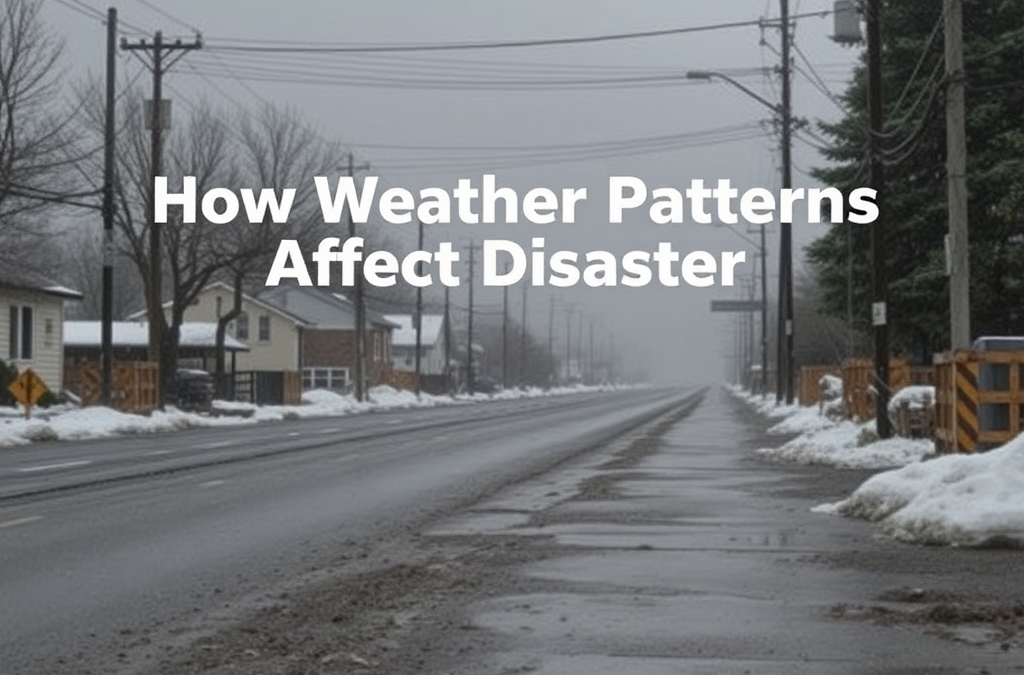
Weather patterns are critical in shaping disaster scenarios, as they dictate the frequency and severity of natural events like storms, droughts, and floods. Understanding these patterns involves analyzing historical weather data, seasonal trends, and geographical factors that contribute to different types of disasters. For instance, coastal regions are more susceptible to hurricanes, while areas near rivers may face flooding risks. Recognizing these patterns allows planners to anticipate potential disasters and allocate resources accordingly.
Common misconceptions about weather patterns include the belief that they are static and predictable. In reality, weather systems can change rapidly due to various factors, including atmospheric conditions and human activity. Disaster planners must remain flexible and adapt their strategies to account for these fluctuations. An effective approach includes regularly updating risk assessments based on the latest meteorological data and climate models.
Impact of Climate Change on Weather Patterns
Climate change significantly alters weather patterns, leading to more extreme weather events and unpredictable conditions. Rising global temperatures contribute to increased storm intensity, prolonged droughts, and changing precipitation patterns. These shifts necessitate a reevaluation of disaster preparedness plans, as traditional methods may no longer suffice in the face of heightened risks.
For example, areas that previously experienced mild winters may now face severe cold snaps, while regions accustomed to regular rainfall might struggle with drought. Disaster planners must incorporate climate projections into their strategies, ensuring that their plans are robust enough to handle these emerging threats. This can include investing in infrastructure improvements, community education, and emergency response training tailored to the new climate realities.
Regional Considerations in Disaster Planning
Each region has unique weather patterns that influence disaster risks. For instance, the Midwest may face tornado threats, while the Southeast deals with hurricanes. Understanding these regional nuances is essential for effective disaster planning. Planners should analyze local historical data to identify trends and potential hazards specific to their area.
A common mistake in regional disaster planning is the failure to involve local stakeholders and communities in the process. Engaging residents can provide invaluable insights into local vulnerabilities and resources, fostering a collaborative approach to preparedness. Additionally, planners should consider local geography and infrastructure when designing their disaster response strategies, ensuring they are tailored to the specific needs of the community.
Developing a Weather-Responsive Disaster Plan
Creating a disaster plan that effectively responds to weather patterns involves several key steps. First, conduct a thorough risk assessment that evaluates potential hazards based on historical weather data and current climate trends. This assessment should guide the development of response strategies tailored to address specific threats.
Next, establish clear communication channels to disseminate critical information during a disaster. This includes alert systems for severe weather warnings and community education on emergency procedures. Regular drills and training sessions can help ensure that both emergency responders and residents are prepared for various scenarios. Finally, continuously review and update the disaster plan to incorporate new data and lessons learned from past events, ensuring it remains relevant and effective.
For those interested in a deeper understanding of how weather patterns affect disaster planning, consider exploring resources from meteorological organizations and disaster response agencies. These sources provide valuable insights into current research and best practices in disaster preparedness.
Frequently Asked Questions
How do weather patterns influence disaster preparedness?
Weather patterns dictate the types of hazards a region may face, influencing risk assessments and resource allocation for effective disaster preparedness.
What role does climate change play in disaster planning?
Climate change leads to extreme weather events and unpredictable conditions, requiring updates to disaster plans to address heightened risks effectively.
Why is regional analysis important in disaster planning?
Regional analysis helps identify specific hazards based on local weather patterns, ensuring disaster plans are tailored to the unique needs of the community.
What are common mistakes in disaster planning?
Common mistakes include failing to involve local stakeholders, not updating plans based on new data, and underestimating the impact of climate change.
How can communities prepare for extreme weather?
Communities can prepare by conducting risk assessments, establishing clear communication channels, and engaging in regular training and drills.
National preparedness resources for planning, mitigation, and response readiness
Conclusion
Weather patterns play a crucial role in shaping disaster planning strategies. By understanding the implications of these patterns and the impacts of climate change, disaster planners can create more effective, responsive plans. Prioritizing regional analysis, community engagement, and continuous updates to preparedness strategies will enhance resilience against future weather-related disasters. Communities should focus on proactive measures, ensuring they are equipped to respond to the evolving challenges posed by changing weather conditions.