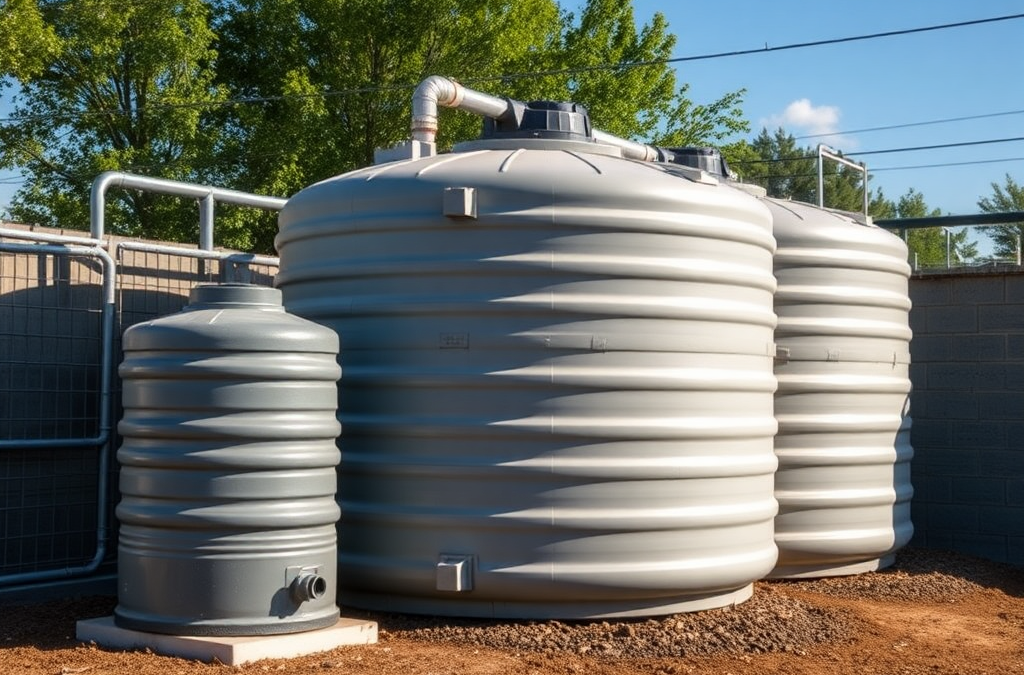
Long-term water storage solutions are critical for preparedness and sustainability. These solutions enable individuals and communities to maintain a reliable water supply during emergencies or in areas with limited access to fresh water. The effectiveness of these storage solutions depends on the type of container used, the environment in which they are stored, and the maintenance practices followed.
Choosing the right container is essential; options include plastic barrels, glass jars, and stainless steel tanks. Each material has its advantages and disadvantages, particularly concerning longevity and safety. Understanding these factors can help mitigate potential risks associated with long-term water storage.
Common Contamination Risks
Contamination is one of the significant issues with long-term water storage solutions. Factors such as exposure to light, temperature fluctuations, and inadequate sealing can lead to bacterial growth and chemical leaching. For example, if water is stored in clear plastic containers, exposure to sunlight can encourage algae growth, compromising water quality.
To minimize contamination risks, it is crucial to use appropriate storage containers that are designed for water storage. Containers should be opaque, food-grade, and made from materials that do not leach harmful chemicals. Regularly inspecting the storage environment and ensuring that containers are sealed can further reduce the risk of contamination.
Material Degradation Over Time
Over time, the materials used for water storage can degrade, leading to potential issues with safety and quality. For instance, certain plastics can break down and leach chemicals into the water, especially when exposed to heat or sunlight. Glass containers, while inert and safe, can be heavier and more prone to breaking.
Choosing durable materials for long-term storage is essential. Stainless steel and high-density polyethylene (HDPE) are commonly recommended due to their resistance to corrosion and chemical reactions. It is also vital to regularly inspect containers for signs of wear, such as cracks or discoloration, which can indicate that the material is degrading.
Best Practices for Long-Term Storage
Implementing best practices for long-term water storage can significantly enhance the safety and quality of the stored water. First, always start with clean, safe water. Utilize filtration systems or purifying tablets to eliminate contaminants before storage.
Next, choose the right containers and store them in a cool, dark place to minimize exposure to heat and light. Rotate your water supply every six months to ensure freshness, and conduct regular checks for leaks or contamination signs. Additionally, labeling containers with the storage date can help maintain an effective rotation schedule.
Mistakes to Avoid
Several common mistakes can undermine the effectiveness of long-term water storage solutions. One major error is using non-food-grade containers, which can leach harmful substances into the water. Additionally, neglecting to clean containers before use can introduce bacteria, leading to contamination.
Another mistake is failing to regularly inspect stored water for quality. Relying on water stored for years without checking can be risky, as even properly sealed containers can develop issues over time. Finally, overlooking the importance of proper sealing can lead to evaporation and contamination, rendering the stored water unsafe for consumption.
Frequently Asked Questions
What is the best material for long-term water storage?
High-density polyethylene (HDPE) and stainless steel are excellent choices due to their durability and resistance to leaching.
How often should I replace stored water?
It is recommended to rotate and replace stored water every six months to ensure its freshness and safety.
Can I store water in glass containers?
Yes, glass containers are safe for water storage, but they are heavier and more fragile compared to plastic options.
What signs indicate water contamination?
Signs of contamination include unusual odors, discoloration, or the presence of floating particles in the water.
Is it necessary to purify water before storing it?
Yes, purifying water before storage is essential to eliminate any existing contaminants and ensure its safety for consumption.
Contains regulations and recommendations for food-safe materials, including those used in water storage
Conclusion
Addressing issues with long-term water storage solutions is essential for ensuring safe and reliable access to water. By understanding common risks such as contamination and material degradation, individuals can implement best practices that enhance water quality. Regular inspections, proper container choices, and mindful storage conditions are critical for effective long-term water storage. Prioritize these strategies to minimize risks and ensure your water supply remains safe for future use.
Community resources encompass a broad range of services and support systems available within a locality that can aid individuals in achieving their personal plans. These resources include educational institutions, healthcare providers, non-profit organizations, recreational facilities, and social services. Understanding the variety and functions of these resources is crucial for individuals looking to enhance their personal plans.
For instance, local libraries can provide access to educational materials and workshops, while community centers may offer recreational activities that promote physical and mental well-being. Recognizing what is available in one’s community allows individuals to strategize their plans effectively, incorporating the support they need to succeed.
How Community Resources Influence Planning
The integration of community resources into individual plans can lead to significant improvements in personal development and achievement. These resources often provide essential services that can help individuals overcome barriers and enhance their capabilities. For example, access to career counseling and job training programs can significantly affect employment opportunities for individuals seeking to advance their careers.
Moreover, community health services can address mental and physical health needs, which are foundational for individuals to pursue their plans effectively. The relationship between community resources and individual planning is reciprocal; as individuals utilize these resources, they often contribute back to the community, creating a cycle of support and improvement.
Examples of Effective Resource Utilization
Many individuals have successfully utilized community resources to achieve their personal goals. For example, a young adult seeking to improve their job prospects might take advantage of a local workforce development program that offers resume workshops, interview training, and networking opportunities. This not only aids in their immediate job search but also equips them with skills for future employment.
Another example is a family utilizing local health services to access counseling and parenting classes, which can significantly enhance their family dynamics and personal well-being. These real-world scenarios illustrate the tangible benefits of integrating community resources into individual plans, showcasing how they can facilitate success and growth.
Challenges in Accessing Community Resources
While community resources offer numerous benefits, accessing them can present challenges. Barriers such as lack of awareness, transportation issues, and eligibility requirements can hinder individuals from fully utilizing available resources. For instance, some programs may have restrictions based on income or residency, which can limit access for certain individuals.
Additionally, the effectiveness of community resources can vary based on location and the specific needs of individuals. It is essential for individuals to actively seek out information, engage with community leaders, and advocate for their needs to overcome these barriers and maximize the benefits of available resources.
For those interested in exploring community resources further, local government websites often provide comprehensive directories of available services. Additionally, organizations such as the United Way and local nonprofits can offer insights into community initiatives aimed at supporting individual development.
Academic search resource for finding research literature and source material
Conclusion
Incorporating community resources into individual plans is essential for enhancing personal development and achieving goals. While challenges exist in accessing these resources, the potential benefits are significant. Individuals should actively seek out and utilize local resources to create a supportive network that fosters their success. By understanding the available options and advocating for their needs, individuals can greatly improve their planning outcomes.
Every pet owner should prioritize assembling a bug-out bag that includes essential supplies tailored to their pet’s needs. Start with food and water; pack at least three days’ worth of your pet’s regular food and a portable water container to ensure hydration. Additionally, include a sturdy leash, collar with identification tags, and a lightweight crate or carrier for safety and transportation.
Many pet owners overlook the importance of including first aid supplies, such as antiseptic wipes, bandages, and any necessary medications. These items can be critical in case of injury or illness during an evacuation. Always check expiration dates on medications and replace them as needed to avoid potential complications.
How to Choose the Right Food and Water Supplies
When selecting food for your pet’s bug-out bag, opt for high-quality, non-perishable options that are easy to transport. Pre-packaged meals or dry kibble are excellent choices since they can remain fresh for extended periods. Be sure to include a portable bowl for food and water, as well as any feeding instructions if you have multiple pets or specific dietary needs.
Water is just as vital as food. Aim to pack at least one gallon of water per pet for every three days. Consider using a collapsible bowl for easy feeding and hydration on the go. Remember to regularly refresh your water supply to prevent stagnation and contamination.
Including Safety and Comfort Items
In addition to food and water, safety and comfort items play a significant role in your pet’s well-being during an emergency. A first aid kit specifically designed for pets can help address injuries quickly. Include items like gauze, adhesive tape, and a thermometer. Familiarize yourself with basic first aid techniques to ensure you’re prepared in case of an emergency.
Comfort items, such as a favorite toy or blanket, can provide emotional support for your pet during stressful situations. Pets can experience anxiety during evacuations, so having familiar scents and objects can help ease their fears. If your pet is crate-trained, consider including their crate in the bug-out bag for added security and comfort.
Preparing for Different Types of Emergencies
Different emergencies require varying preparations. For natural disasters, consider the likelihood of flooding or fires and tailor your bug-out bag accordingly. If you live in an area prone to specific threats, such as hurricanes or earthquakes, research local guidelines for pet safety in these situations.
Practice evacuation drills with your pets to ensure they are familiar with the process. This will help them remain calm during actual emergencies. Keep your bug-out bag in an easily accessible location, and periodically review its contents to ensure everything is up to date and ready to go.
Frequently Asked Questions
What should I include in a bug-out bag for my dog?
Include essentials like food, water, a leash, collar with ID tags, a first aid kit, and comfort items such as a favorite toy or blanket.
How often should I check my pet's bug-out bag?
Review your pet's bug-out bag every six months to ensure that food, medications, and supplies are up to date and in good condition.
Can I use human food in my pet's bug-out bag?
While some human foods are safe for pets, it's best to pack their regular food to prevent digestive issues and ensure they receive proper nutrition.
How do I keep my pet calm during an evacuation?
Familiar items like toys or blankets can help comfort your pet. Additionally, practice evacuation drills to familiarize them with the process.
What if my pet has special needs?
Consult your veterinarian for tailored advice on including any specific medications, dietary needs, or mobility aids in your pet's bug-out bag.
Learn about emergency preparedness for pets from the Red Cross, including evacuation tips and safety resources
Conclusion
Preparing a bug-out bag for your pet is essential for ensuring their safety and comfort during emergencies. Focus on packing the right supplies, including food, water, first aid items, and comfort objects. Regularly review and update your bag to keep it ready for any situation. By prioritizing your pet’s needs, you can help them navigate emergencies with less stress and more security.