
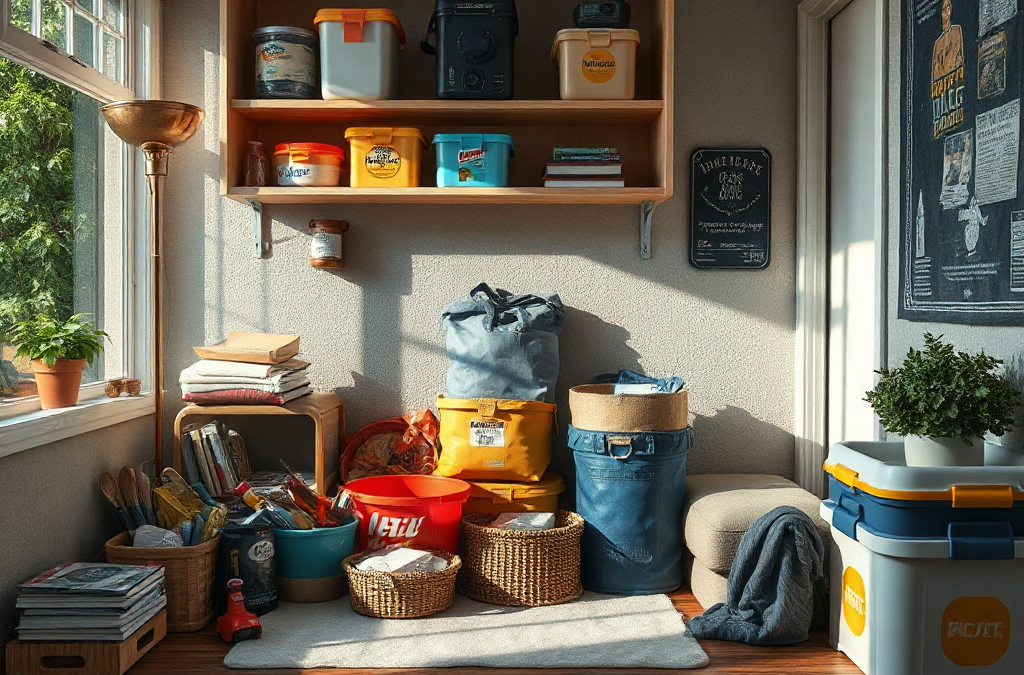
Prepping in limited living space presents unique challenges, particularly for urban dwellers who must maximize every square foot. To effectively prepare, consider utilizing vertical storage solutions like wall-mounted shelves and hooks, which can free up floor space for essential supplies. Multi-functional furniture, such as ottomans or benches with hidden storage, can also help keep emergency gear organized and accessible. Regularly assessing and decluttering your supplies ensures that you maintain only what is necessary, preventing overcrowding and enhancing your readiness for emergencies. By adapting your strategies to your spatial constraints, you can achieve a higher level of preparedness despite the limitations of your living environment.
Understanding the Space Limitations
Limited living space poses unique challenges for preppers, particularly in urban environments where square footage is at a premium. High-density living often means smaller kitchens, cramped storage areas, and less room for bulk supplies. Recognizing these limitations is crucial for effective preparedness. Urban dwellers may find it more difficult to accumulate essential items like food, water, and emergency gear, which can lead to a false sense of security regarding their readiness for crises.
Moreover, many individuals may underestimate the importance of having a well-thought-out plan for emergencies due to their constrained space. This can result in panic during actual emergencies when they realize they lack the necessary supplies or a clear evacuation route. Being aware of these challenges allows for proactive planning and adjustment of strategies to ensure adequate preparedness.
Maximizing Storage Solutions
To effectively prep in limited living space, innovative storage solutions are essential. Vertical storage is one of the most effective strategies, utilizing wall space for shelves, hooks, or cabinets to keep items organized and accessible. For instance, installing floating shelves can provide extra storage without taking up valuable floor space. Additionally, utilizing under-bed storage bins can help maximize often-overlooked areas in small apartments.
Another approach involves using multi-functional furniture that incorporates storage capabilities. Ottomans, coffee tables, and benches that double as storage units can house emergency supplies while serving everyday purposes. It’s also advisable to regularly assess and declutter stored items to ensure that only necessary supplies remain, making it easier to find what is needed during an emergency.

Choosing the Right Supplies
When prepping with limited living space, the selection of supplies becomes critical. Focus on acquiring versatile items that serve multiple purposes. For example, a high-quality multi-tool can replace several individual tools, saving space while ensuring functionality. Similarly, opting for dehydrated or freeze-dried foods can optimize storage as they require less space and have a longer shelf life compared to traditional canned goods.
Moreover, incorporating compact, lightweight gear can make a significant difference. Items such as collapsible water containers and portable cooking equipment can be easily stored and transported, providing necessary resources without taking up excessive room. Prioritizing essential items based on individual family needs and potential emergency scenarios will help create a well-rounded supply cache that is manageable within limited space.
Creating a Practical Emergency Plan
A practical emergency plan is essential for anyone prepping in limited living space. This plan should include clear evacuation routes, designated meeting points, and communication strategies for family members. Urban residents may need to account for potential obstacles such as crowded streets or limited access to transportation during emergencies.
Additionally, having a system for rotating supplies and keeping track of expiration dates is crucial. Regularly reviewing and updating the emergency plan ensures that it remains relevant and effective. Engaging all household members in preparedness discussions can also foster a sense of responsibility and readiness. Ultimately, a well-structured plan tailored to one’s unique living situation can greatly enhance preparedness effectiveness.
Frequently Asked Questions
What are the main challenges of prepping in small living spaces?
The main challenges include limited storage, difficulty in accumulating supplies, and the need for effective organization strategies to ensure preparedness.
How can I maximize storage in a small apartment for prepping?
Utilize vertical space with shelves, invest in multi-functional furniture, and use under-bed storage solutions to optimize available space.
What types of supplies should I prioritize for prepping in limited space?
Focus on versatile, compact items such as multi-tools, dehydrated foods, and lightweight emergency gear that can serve multiple purposes.
How often should I update my emergency plan?
Your emergency plan should be reviewed and updated at least once a year or whenever there are significant changes in your living situation or family dynamics.
What is the best way to create an effective emergency communication plan?
Establish clear roles for each family member, designate meeting points, and ensure everyone knows how to communicate in case of separation during an emergency.
Further Reading
Authoritative Sources
- Library of Congress Research Guides
guides.loc.govResearch guides that help readers locate reliable background sources on a wide range of subjects
- USA.gov Official Information and Services
usa.govOfficial U.S. government information and public resources for practical reference
- Google Scholar
scholar.google.comAcademic search resource for finding research literature and source material
Conclusion
Prepping in limited living space requires strategic planning and resourcefulness. By understanding the unique challenges associated with small living environments, individuals can implement effective storage solutions, choose the right supplies, and create a practical emergency plan. Prioritizing these aspects will enhance preparedness and ensure that essential resources are readily available during emergencies. Remember, successful prepping is about maximizing what you have and making informed decisions that align with your specific living situation.




