
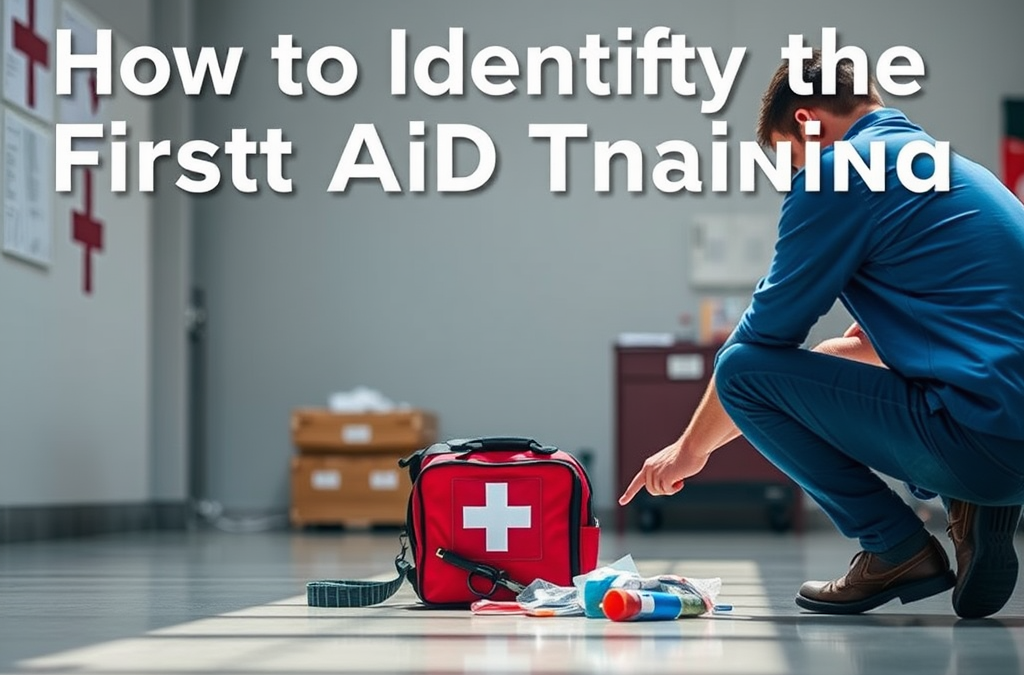
To identify the right first aid training, focus on accredited programs that align with your specific needs, whether personal or professional. Look for certifications from reputable organizations like the American Red Cross or the American Heart Association, as these indicate adherence to quality standards. Ensure the course includes practical components, such as hands-on practice with CPR and wound care, which are essential skills. Additionally, consider the course's content depth; specialized training may be necessary for specific environments like healthcare or wilderness settings. Always check if the certification requires renewal or refresher courses to maintain your skills effectively.
Understanding First Aid Training Types
First aid training varies widely, encompassing different types of courses tailored to various audiences. Basic first aid courses cover essential skills for the general public, while advanced courses focus on specific professions like healthcare, education, or emergency response. Recognizing the type of training that best suits your needs is crucial, as it dictates the skills you will acquire and the situations you will be prepared for.
For instance, a basic first aid class typically includes CPR, wound care, and how to respond to common emergencies. In contrast, a more specialized course might delve deeper into pediatric first aid or wilderness first aid, catering to specific environments or populations. Understanding these distinctions helps in selecting a course that aligns with your personal or professional needs.
Evaluating Course Certifications
When identifying the right first aid training, evaluating course certifications is vital. Accredited programs ensure that the training meets established quality standards. Look for courses certified by recognized organizations such as the American Red Cross, American Heart Association, or similar entities in your region. These certifications often indicate that the training is current and adheres to industry best practices.
Additionally, inquire about the length and content of the course. A well-structured program should include both theoretical knowledge and practical skills. Consider whether the certification is valid for a specific duration and if refresher courses are recommended to keep your skills up to date.

Instructor Qualifications and Experience
The qualifications and experience of instructors can significantly impact the quality of first aid training. Look for instructors with relevant certifications and practical experience in emergency response or healthcare. An experienced instructor can provide real-world insights and examples, enhancing the learning experience.
Furthermore, consider the instructor-to-student ratio in the course. Smaller class sizes often allow for more personalized attention and better hands-on practice. Ask about the instructor’s background and teaching methods to ensure they align with your learning preferences.
Practical Components of First Aid Training
Practical training is a crucial aspect of effective first aid education. Courses should include hands-on practice with realistic scenarios, allowing participants to apply their knowledge in a controlled environment. This practical component builds confidence and ensures that learners can perform skills effectively in real emergencies.
When evaluating a course, check if it includes simulations, role-playing, or practice with medical equipment. These experiences are invaluable in preparing you for actual situations. Additionally, inquire about the availability of training materials and resources for future reference.
Choosing the Right Training for Your Needs
Choosing the right first aid training involves assessing your specific needs and circumstances. For instance, workplace training may require certifications tailored to occupational safety standards, while personal training might focus on family care or outdoor activities. Consider your goals, the environments you frequent, and any regulatory requirements that may apply.
Ultimately, the right training should equip you with the skills and confidence to respond effectively in emergencies. Take the time to research and compare different courses to find the best fit for your situation.
Frequently Asked Questions
How long is first aid training typically valid?
Most first aid certifications are valid for two to three years, after which a refresher course is recommended.
Can I take first aid training online?
Yes, many organizations offer online first aid training, but ensure that the course includes a hands-on component to practice skills.
What should I look for in a first aid instructor?
Look for instructors with relevant certifications, practical experience, and a teaching style that suits your learning preferences.
Is first aid training necessary for everyone?
While not mandatory, first aid training is highly beneficial for anyone, especially those in caregiving or high-risk environments.
Further Reading
Authoritative Sources
- Library of Congress Research Guides
guides.loc.govResearch guides that help readers locate reliable background sources on a wide range of subjects
- USA.gov Official Information and Services
usa.govOfficial U.S. government information and public resources for practical reference
- Google Scholar
scholar.google.comAcademic search resource for finding research literature and source material
Conclusion
Identifying the right first aid training is essential for ensuring preparedness in emergencies. By evaluating course types, certifications, instructor qualifications, and practical components, you can select a program that meets your needs. Take the time to assess your specific situation and choose a course that equips you with essential skills and confidence for effective response in critical moments.
Related Content
- Readiness for Families: Essential Steps for Effective Emergency Preparedness
- Building a First Aid Kit: Essentials for Every Home
- Preparedness and Safety: Essential Strategies for Home and Community Resilience
- Must-Have Emergency Gear: Essential Items for Every Preparedness Kit
- Natural Disaster Kit Essentials: Must-Have Supplies for Every Emergency




