Understanding the right gear to include in your emergency kit is vital. Often, people overlook critical items or rely on generic lists that do not suit their specific needs. For instance, the geographical area you live in will dictate certain necessities, such as winter gear in colder climates or insect repellent in tropical regions. Additionally, personal factors like family size, pets, and medical conditions should influence your choices. The goal is to create a kit that addresses your unique circumstances effectively.
Common mistakes include failing to regularly check and update your supplies, which can lead to expired medications or depleted batteries. Moreover, many individuals underestimate the importance of practical training, such as knowing how to use a first aid kit or operate a multi-tool. Prioritizing these aspects can ensure that your emergency gear is not just present but also functional and ready to use in a crisis.
Essential Items for Your Emergency Kit
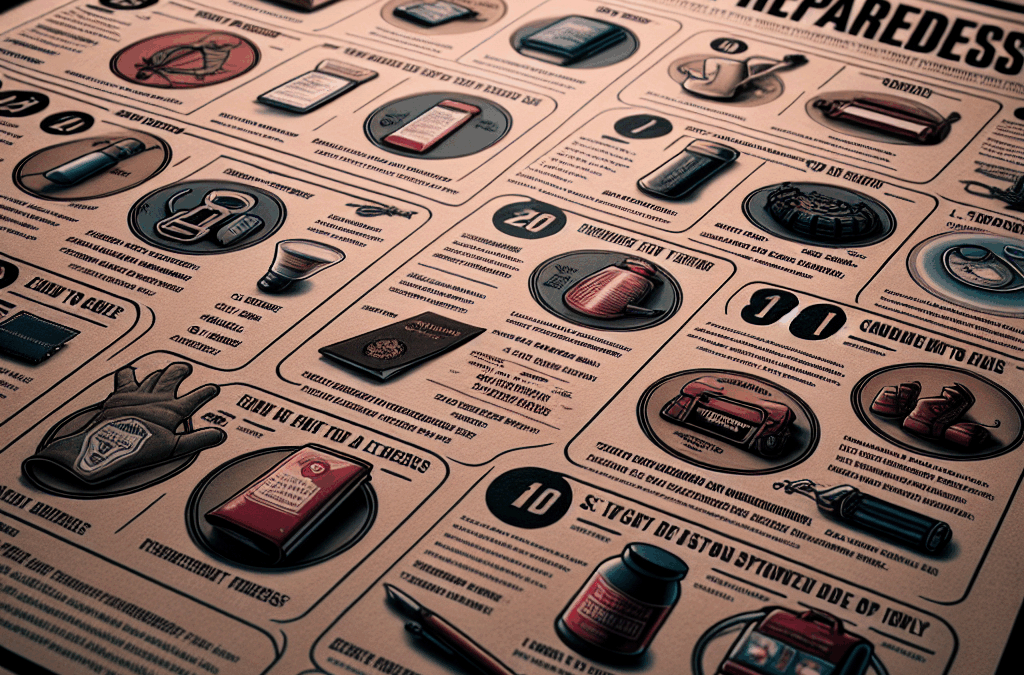
A well-rounded emergency kit should contain various essential items to address immediate needs. Key components include a first aid kit, which should be stocked with bandages, antiseptic wipes, and medications for common ailments. Additionally, a reliable flashlight with extra batteries is crucial for navigating in the dark after a power outage. Water purification systems, such as filters or purification tablets, ensure access to safe drinking water, while non-perishable food items, including energy bars and canned goods, provide necessary nutrition.
When assembling your emergency kit, consider the quantity of each item based on your family size and the anticipated duration of an emergency. For example, if you have a family of four, stock enough food and water for at least three days. This foresight can alleviate stress during a crisis, allowing you to focus on safety rather than scrambling for resources.
It’s essential to remember that not all emergency scenarios are the same. Depending on your location, you may need to include specific items like a fire extinguisher, a whistle for signaling, or blankets for warmth. Assess your environment and lifestyle to create a comprehensive kit tailored to your needs.
Understanding Your Unique Needs
Your emergency gear should reflect your specific circumstances. Factors such as geographic location, family composition, and any special medical needs must be considered when curating your supplies. For instance, if you live in an area prone to flooding, waterproof storage for your gear is critical. Conversely, if you have pets, don’t forget to include food and supplies for them as well.
Thank you for reading this post, don't forget to subscribe NOW for FREE!

Many people overlook the importance of personal medications and medical devices in their emergency kits. Regularly check the expiration dates of medications and ensure you have enough supplies for at least a week. This includes any specialized equipment, such as inhalers or insulin supplies, which can be life-saving in an emergency.
Additionally, consider the emotional needs of your family during crises. Items like comfort blankets, toys for children, or even games can help alleviate stress and provide a sense of normalcy. Addressing these personal and emotional needs can significantly enhance your family’s preparedness and resilience.
Maintaining Your Emergency Gear
Regular maintenance of your emergency gear is crucial to ensure it remains functional when needed. This involves checking expiration dates on food and medications, testing batteries in flashlights and radios, and ensuring that all equipment is in working order. Schedule a review of your emergency kit at least twice a year to keep everything up to date.
Another often neglected aspect is proper storage. Your emergency supplies should be stored in a cool, dry place to prevent damage. Using clear containers can help you quickly identify contents during a crisis, ensuring you can find what you need without delay.
Don’t forget to involve your family in this process. Teaching them where the emergency gear is stored and how to use it can save critical time during an emergency. Conducting regular drills can also help everyone remember the procedures, enhancing your family’s overall preparedness.
Training and Preparedness
Having the right gear is only part of effective emergency preparedness. Equally important is knowing how to use your emergency supplies. Familiarize yourself with the components of your first aid kit, practice using a fire extinguisher, and understand how to set up a temporary shelter if needed.
Consider enrolling in local training courses for CPR, first aid, or disaster response. These skills can be invaluable in emergency situations, allowing you to provide assistance not only to yourself but also to others in need. Additionally, training can boost your confidence, making you feel more equipped to handle unexpected challenges.
Regularly reviewing your emergency plan with your family is also vital. Discuss what to do in various scenarios and ensure everyone knows their roles. This proactive approach fosters a sense of security and readiness, which is crucial during high-stress situations.
Further Reading
It’s important to stay informed about emergency preparedness. Resources such as local government websites, the Red Cross, and FEMA provide valuable information on creating and maintaining your emergency kit.
Authoritative Sources
- American Red Cross: Emergency Preparedness
redcross.orgThis source offers comprehensive guidelines on preparing for emergencies and assembling essential supplies
- FEMA: Prepare for Emergencies
ready.govThis site provides resources for developing a personal emergency plan and kit tailored to individual needs
Frequently Asked Questions
What should I include in my emergency kit?
Essential items include a first aid kit, flashlight, water purification system, multi-tool, and non-perishable food.
How often should I check my emergency supplies?
It’s advisable to check your emergency kit at least twice a year to ensure all items are in working condition and not expired.
What are common mistakes when preparing an emergency kit?
Common mistakes include neglecting to update supplies, overlooking personal medications, and underestimating the importance of training.
How can I involve my family in emergency preparedness?
Involve your family by discussing the emergency plan, conducting drills, and teaching them how to use the emergency gear.
What if I have special medical needs?
Include all necessary medications and medical devices in your emergency kit and regularly check their expiration dates.
Conclusion
In summary, having must-have emergency gear is essential for ensuring safety during unexpected situations. Focus on assembling a kit that addresses your unique needs, maintain your supplies regularly, and prioritize training to enhance your preparedness. By taking these steps, you can build a robust emergency plan that not only equips you with the necessary tools but also instills confidence in your ability to handle crises effectively.
Related Content
- Basic Survival Readiness: Essential Checklist for Emergency Preparedness
- Natural Disaster Kit Essentials: Must-Have Supplies and Strategies for Preparedness
- Emergency Water Supply Storage Tips for 2025: Stay Prepared Now
- Best Ways to Secure Temporary Shelter
- Emergency Preparedness Tips Every Family Should Follow