
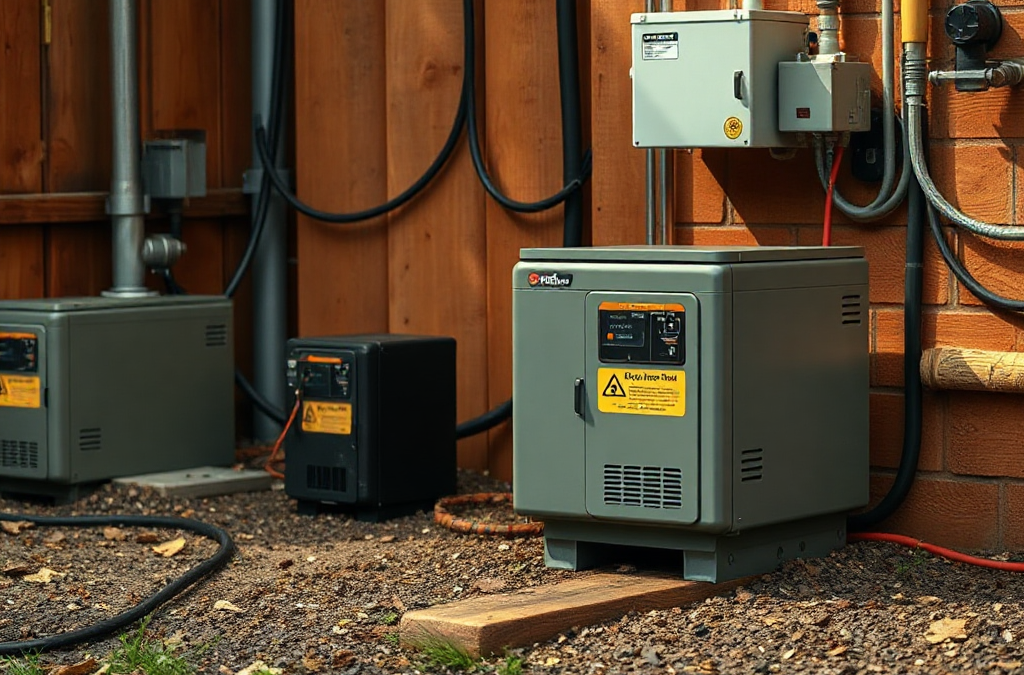
Not having a backup power source can lead to severe consequences, including safety hazards, financial losses, and operational disruptions. Critical systems such as medical equipment in hospitals and refrigeration for food storage rely on continuous power; without a backup, these functions can fail, risking lives and causing significant waste. Businesses may experience revenue loss during outages, while homeowners could face costly repairs from damage like burst pipes. To mitigate these risks, investing in reliable backup power solutions, such as generators or battery systems, is essential for maintaining safety and continuity during emergencies.
Understanding the Importance of Backup Power
Having a backup power source is essential in today’s world, where power outages can occur unexpectedly due to severe weather, equipment failure, or other emergencies. A backup power system ensures that critical functions continue to operate, protecting both property and safety. The absence of such a system can lead to a range of adverse effects, emphasizing the need for preparedness.
Backup power sources, such as generators or battery systems, provide a reliable solution during outages. They can keep essential appliances running, maintain heating or cooling systems, and ensure communication devices remain operational. Without these systems, individuals and businesses may face significant challenges, including safety hazards and operational disruptions.
Consequences of Power Outages
Power outages can have dire consequences, particularly for vulnerable populations and essential services. Hospitals, for instance, require continuous power to operate life-saving equipment. A lack of backup power can jeopardize patient safety and lead to critical failures. Similarly, food safety is at risk when refrigeration systems fail, potentially resulting in significant food spoilage and waste.
Financial losses are another major concern. Businesses that rely on electricity for operations may suffer revenue losses during outages. Moreover, the cost of replacing spoiled goods or repairing damaged equipment can be substantial. Homeowners may also face unexpected expenses related to property damage caused by outages, such as burst pipes due to freezing temperatures.

Key Considerations for Backup Power Solutions
When selecting a backup power solution, several factors should be considered to ensure it meets specific needs. First, assess the power requirements of critical devices and systems. Understanding wattage needs helps in selecting an appropriate generator or battery system that can handle the load without overloading.
Another important consideration is the type of fuel source. Generators can run on gasoline, propane, or diesel, each with its pros and cons. For instance, propane has a longer shelf life than gasoline, making it a more reliable option for long-term storage. Additionally, consider the ease of use and maintenance of the backup system, as well as the ability to integrate it into existing electrical systems for seamless operation.
Common Misconceptions About Backup Power
Many people underestimate the importance of having a backup power source, believing that outages are infrequent or that they can manage without one. This misconception can lead to inadequate preparation and increased vulnerability during emergencies. Additionally, some believe that backup systems are too expensive or complicated to install. However, various options are available that cater to different budgets and technical capabilities.
Another common mistake is assuming that portable generators alone are sufficient. While they can provide temporary relief, they often lack the capacity for long-term use and may require manual setup during outages. A more robust, permanently installed system can be a better investment for consistent reliability.
Understanding the risks associated with power outages and the importance of backup power sources can greatly enhance personal and business resilience during emergencies. Resources from reputable organizations can provide further insights into effective preparedness strategies.
Frequently Asked Questions
What types of backup power sources are available?
Common types include portable generators, standby generators, and battery backup systems, each suitable for different needs and budgets.
How do I determine the size of the generator I need?
Calculate the wattage requirements of essential devices and appliances, then select a generator that can handle that total load.
How often should I test my backup power system?
It is recommended to test your backup power system at least once every month to ensure it is functioning correctly and ready for use.
Can I connect a generator directly to my home's electrical system?
Only qualified professionals should connect generators to home electrical systems to prevent backfeeding, which can be dangerous.
What maintenance is required for backup generators?
Regular maintenance includes checking oil levels, testing the battery, and ensuring that fuel is fresh and the generator is in good working condition.
Further Reading
Authoritative Sources
- Library of Congress Research Guides
guides.loc.govResearch guides that help readers locate reliable background sources on a wide range of subjects
- USA.gov Official Information and Services
usa.govOfficial U.S. government information and public resources for practical reference
- Google Scholar
scholar.google.comAcademic search resource for finding research literature and source material
Conclusion
Understanding the risks of not having a backup power source is crucial for safeguarding personal safety and financial stability. The potential consequences of outages underscore the need for proactive measures. By investing in a reliable backup power solution and ensuring it is properly maintained, individuals and businesses can protect themselves against the disruptive impacts of power failures.