Families often overlook the importance of communication in their emergency preparedness plans. Without a clear understanding of roles and responsibilities, confusion can arise during crises. Prioritizing regular discussions about your family’s emergency plan can foster confidence and clarity, ensuring that everyone knows what to do when it matters most.
Another common mistake families make is underestimating the need for a well-stocked emergency supply kit. Many focus solely on food and water, neglecting other essentials such as first aid supplies, medications, and important documents. Understanding the full scope of necessary items can enhance your family’s readiness and resilience in the face of unforeseen situations.
Creating Your Family Emergency Plan
A family emergency plan outlines the steps each member should take during a crisis. This plan should include designated meeting points, emergency contacts, and specific roles for each family member. The clarity of responsibilities can significantly reduce stress and confusion in an emergency.
When crafting your plan, consider various scenarios such as natural disasters, medical emergencies, and home fires. Each situation may require different actions, so tailoring your plan to address these specifics is crucial. Include discussions about the types of emergencies most likely to occur in your area, ensuring that your plan is relevant and actionable.
Regularly reviewing and practicing your emergency plan can help reinforce its importance. Schedule drills to simulate emergencies, which will help family members feel more comfortable and confident in executing the plan. This proactive approach can also uncover any gaps in your plan that need addressing.
Assembling an Effective Emergency Supply Kit
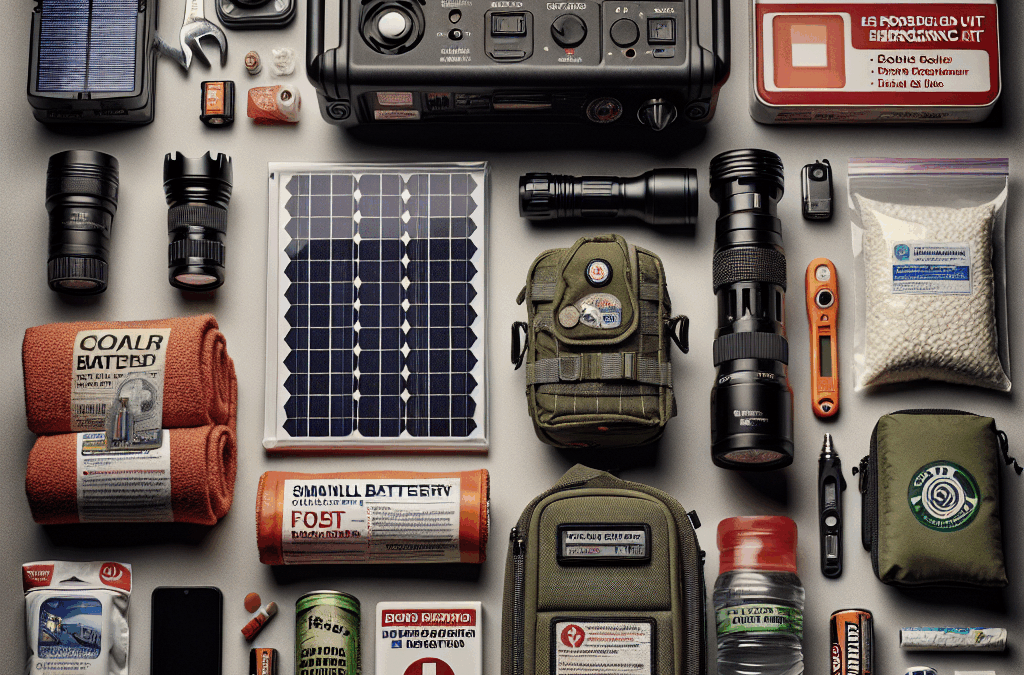
An effective emergency supply kit is essential for any family. It should contain enough supplies to sustain each family member for at least 72 hours. Key components include food, water, first aid supplies, flashlights, batteries, and personal hygiene items.
While food and water are primary concerns, families often forget items like medications, important documents, and pet supplies. Consider individual needs within your family, such as dietary restrictions and medical conditions, when assembling your kit. Regularly check expiration dates and replace items as needed to ensure everything is up to date.
Storing your kit in an easily accessible location is equally important. Make sure everyone in the family knows where it is kept and how to use the items within it. Involving children in the process can also teach them valuable skills about preparedness and safety.
Educating Family Members on Emergency Protocols
Education is a cornerstone of family readiness. Each member should understand the emergency protocols established in your family plan. This includes knowing how to respond to specific situations, such as where to go in case of a fire or how to contact emergency services.
Incorporate discussions about emergency preparedness into family activities. Utilize resources like local community programs or online courses to enhance your family’s knowledge. Engaging in hands-on training, such as first aid or CPR courses, can also equip your family with essential skills needed in emergencies.
Moreover, encourage open conversations about fears and concerns regarding emergencies. Addressing these feelings can help reduce anxiety and foster a sense of security, assuring family members that they are prepared for unexpected situations.
Common Mistakes in Family Preparedness
Many families make critical mistakes in their preparedness efforts that can lead to ineffective responses during crises. One common pitfall is failing to involve all family members in emergency planning, which can lead to confusion and panic during an actual event.
Additionally, families often underestimate the importance of practicing their emergency plans. Without regular drills, family members may forget crucial steps or feel unprepared when an emergency occurs. Establishing a routine for practice can help reinforce the plan and ensure everyone is comfortable with their roles.
Lastly, a lack of ongoing assessment of your emergency kit can render it ineffective. Regularly review and update your supplies to reflect changing needs and circumstances. This proactive approach can prevent critical shortages when emergencies arise.
Provides insights on health-related emergencies and preparedness strategies
Frequently Asked Questions
What should be included in a family emergency plan?
A family emergency plan should include designated meeting points, emergency contacts, and specific roles for each family member, tailored to various potential emergencies.
How often should we practice our emergency plan?
It’s recommended to practice your emergency plan at least twice a year to ensure everyone is familiar with their roles and responsibilities.
What items are essential for an emergency supply kit?
Your emergency supply kit should include food, water, first aid supplies, medications, flashlights, batteries, and personal hygiene items, among others.
How can I involve children in emergency preparedness?
Involve children by teaching them about the emergency plan, including them in drills, and encouraging them to help assemble the emergency supply kit.
What are common mistakes families make in preparedness?
Common mistakes include failing to involve all family members in planning, not practicing the plan regularly, and neglecting to update the emergency supply kit.
Conclusion
Ensuring readiness for families is a multifaceted process that requires careful planning, education, and regular practice. By creating a comprehensive emergency plan, assembling an effective supply kit, and educating all family members, families can significantly enhance their resilience in the face of emergencies. Regularly reviewing and updating these elements is crucial for maintaining preparedness. Take proactive steps today to secure your family’s safety and peace of mind during unexpected situations.
Understanding the specific threats faced in your area—such as natural disasters, fires, or civil unrest—is the first action step. Each type of disaster may require a different response plan. For instance, a flood-prone area requires different preparations than a region susceptible to wildfires. Recognizing these threats allows you to prioritize resources and actions effectively.
Another common pitfall is underestimating the importance of regular updates to your disaster plan. As circumstances change—such as moving to a new location or changes in family size—it’s essential to revisit and revise your plan. This ensures that it remains relevant and effective. Additionally, practicing the plan with all family members can significantly improve response times and reduce panic during an actual emergency.
Assessing Risks and Hazards
To develop a robust disaster plan, start with a thorough assessment of the risks and hazards that are most likely to affect your area. This includes natural disasters like floods, hurricanes, and earthquakes, as well as man-made threats such as industrial accidents or civil unrest. Understanding the specific risks allows you to tailor your preparedness strategies effectively.
Take the time to research local history and consult community resources to identify prevalent hazards. For instance, if your area has a history of hurricanes, focus on strategies specific to that threat, such as evacuation routes and shelter locations. Additionally, consider factors like your family’s health needs, the age of household members, and the location of your home when assessing risks.
Pitfalls often arise when individuals overlook less common risks or assume that they are safe because they have never experienced a disaster. Stay informed through local government resources and community programs to ensure you are aware of potential threats.
Creating an Emergency Kit
An emergency kit is a cornerstone of any effective disaster plan. It should include essential supplies that can sustain you and your family for at least 72 hours. This kit should contain non-perishable food, water, medications, first-aid supplies, flashlights, batteries, and a multi-tool.
When assembling your kit, consider the specific needs of each family member, including pets. It’s advisable to rotate supplies periodically to ensure everything is fresh and usable when needed. Additionally, store your emergency kit in a location that is easy to access but not in the way of daily activities.
One common mistake is failing to account for dietary restrictions or allergies when preparing food supplies. Be mindful of each family member’s needs and preferences to ensure that everyone can eat and stay comfortable during an emergency.
Developing a Communication Plan
Effective communication is vital during a disaster. Your plan should include how family members will communicate with each other if separated. Designate an out-of-area contact that everyone can reach, as local lines may be congested.
Incorporate multiple communication methods, such as mobile phones, social media, and even traditional methods like written notes. Ensure that each family member understands the plan and practices it so that everyone knows what to do in a crisis.
One frequent oversight is assuming that everyone will be reachable via mobile phones. Make provisions for alternate methods of communication, and teach children how to use them. This preparedness can alleviate stress during emergencies.
Practicing Your Disaster Plan
Regularly practicing your disaster plan is essential for ensuring its effectiveness. Conduct drills that simulate various disaster scenarios so that everyone knows their roles and responsibilities. This practice helps to identify any weaknesses in the plan and allows for adjustments to be made.
Incorporate discussions about what to do if things do not go as planned. This can help family members think critically and adapt to unexpected situations. Make these drills a family activity to foster teamwork and confidence.
Often, families underestimate the importance of familiarizing young children with the plan. Ensure that they understand simple steps they can take during a disaster without causing panic or confusion.
Features resources for assessing risks and preparing for various types of disasters
Frequently Asked Questions
What should I include in my disaster plan?
Your disaster plan should include risk assessments, a communication strategy, an emergency kit, and designated evacuation routes.
How often should I update my disaster plan?
It’s recommended to review and update your disaster plan at least once a year or after significant life changes.
What are the most common mistakes in disaster planning?
Common mistakes include not practicing the plan, overlooking specific family needs, and failing to stay informed about local hazards.
How can I prepare my children for a disaster?
Teach them about the plan, practice drills, and ensure they understand what to do in an emergency without panicking.
Where should I keep my emergency kit?
Your emergency kit should be stored in a readily accessible location, such as a closet or garage, away from daily traffic.
Conclusion
In conclusion, being ready for a disaster requires a well-thought-out plan that includes assessing risks, creating an emergency kit, and establishing clear communication methods. Regular practice of your disaster plan ensures that every family member knows their role and can act quickly in a real emergency. By addressing common pitfalls and prioritizing specific needs, you can enhance your preparedness and resilience. Take the time now to develop and refine your disaster plan, as the safety of your family depends on it.
Effective preparedness begins with identifying potential threats, such as natural disasters, health emergencies, or technological failures. Each situation requires tailored responses, but common elements include communication plans, evacuation routes, and resource allocation. Prioritizing these elements helps communities and individuals navigate crises more effectively.
A common mistake in preparedness planning is underestimating the importance of regular training and drills. Many individuals and organizations create plans but fail to practice them. Regular drills ensure that everyone knows their roles and responsibilities, which is crucial when unexpected events occur. Prioritizing hands-on training can significantly improve response times and effectiveness.
Understanding Risks and Vulnerabilities
Recognizing the specific risks and vulnerabilities your community or household faces is the first step in preparedness. This involves assessing the likelihood of various unexpected events such as floods, earthquakes, or pandemics. Understanding local hazards can help prioritize resources and planning efforts.
For instance, a coastal area may prioritize hurricane preparedness, while a region prone to wildfires will focus on fire safety measures. Knowing these details not only informs the planning process but also helps in the allocation of resources efficiently. Ignoring local risks can lead to inadequate preparation, leaving individuals and communities vulnerable.
Moreover, it’s crucial to consider community-specific vulnerabilities, such as population density, infrastructure quality, and access to emergency services. This comprehensive understanding helps in crafting tailored strategies that address the unique needs of your area, ensuring that resources are used effectively and efficiently.
Developing an Emergency Plan
A well-structured emergency plan is essential for preparedness. This document should outline roles, responsibilities, and procedures for various scenarios. Key components include communication strategies, evacuation routes, and designated meeting points.
Involving all family members or community stakeholders in the planning process can enhance the plan’s effectiveness. For families, this means discussing the plan together, ensuring that everyone understands their role. For communities, engaging local organizations and emergency services can provide valuable insights and resources.
Additionally, regularly reviewing and updating the emergency plan is critical. As circumstances change, including new risks or changes in family dynamics, the plan should evolve. This proactive approach ensures that preparedness remains relevant and effective.
Assembling Essential Supplies
Having the right supplies on hand is a cornerstone of effective preparedness. This includes food, water, medical supplies, and personal items necessary for survival during emergencies. The general recommendation is to have at least a three-day supply of essentials for each person in your household.
When assembling supplies, think about specific needs based on your situation. For example, families with young children may need baby formula, while those with elderly members might require medications. It’s also wise to include items that cater to pets if applicable.
Regularly checking and updating your supply inventory is crucial. Perishable items should be rotated out, and new supplies should be added as needed. This ensures that you are always prepared without wasting resources on expired goods.
Conducting Regular Drills
Regular drills are vital for ensuring that everyone knows how to respond during an unexpected event. These simulations should mimic real-life scenarios, providing practice and reinforcing the emergency plan.
Drills not only familiarize everyone with the plan but also highlight areas for improvement. After each drill, gather feedback to refine the process and make necessary adjustments. This iterative approach keeps the plan effective and ensures that everyone feels confident in their roles.
Moreover, consider varying the scenarios in drills to cover different types of emergencies. This comprehensive practice prepares individuals for a range of situations, enhancing overall resilience and response capability.
FEMA offers extensive resources on how to prepare for various emergencies, including local hazards
Frequently Asked Questions
What are the first steps in preparing for unexpected events?
The first steps include identifying potential risks, developing a comprehensive emergency plan, and assembling essential supplies tailored to your specific needs.
How often should I update my emergency plan?
Your emergency plan should be reviewed and updated at least once a year or whenever there are significant changes in your household or community.
What supplies should I include in my emergency kit?
Your emergency kit should include water, non-perishable food, a first aid kit, medications, flashlight, batteries, and personal hygiene items.
How can I involve my community in preparedness efforts?
Engage local organizations, host community workshops, and participate in local emergency planning meetings to enhance collective preparedness.
What is the importance of conducting drills?
Conducting drills ensures everyone knows their roles during an emergency, highlights areas for improvement, and builds confidence in the emergency plan.
Conclusion
In conclusion, preparedness for unexpected events is crucial for ensuring safety and minimizing disruption during crises. By understanding risks, developing comprehensive plans, assembling essential supplies, and conducting regular drills, individuals and communities can significantly enhance their resilience. Prioritize these actions today to be better equipped for whatever challenges may arise in the future.
Understanding the types of unexpected events that may occur is essential for effective preparedness. Common scenarios include natural disasters like hurricanes, floods, and wildfires, as well as health emergencies such as pandemics. Each type of event presents unique challenges and requires specific planning and resources. A practical approach involves conducting a risk assessment to identify potential threats, evaluating existing resources, and determining the most effective response strategies.
One common mistake in preparedness is underestimating the importance of communication. During unexpected events, clear communication can make a significant difference in response effectiveness. Establishing a reliable communication plan with family members, community members, and local authorities is vital. This plan should include emergency contacts, designated meeting places, and methods for disseminating information quickly and accurately.
Assessing Risks: Understanding Potential Threats
To effectively prepare for unexpected events, the first step is to assess the risks specific to your environment. This involves identifying natural disasters, technological hazards, and health emergencies that are most likely to occur in your area. Engaging with local emergency management agencies and reviewing historical data can provide valuable insights into common threats.
Many people overlook the significance of localized risks, focusing instead on broader issues. Understanding the specific vulnerabilities of your community, such as flood zones or areas prone to wildfires, can help prioritize preparedness efforts. It’s crucial to tailor your response plan to these localized threats to ensure effective action when an event occurs.
Developing a Response Plan: Key Components
A comprehensive response plan is essential for effective preparedness. This plan should clearly outline the steps to take in various scenarios, including evacuation routes, shelter locations, and emergency contacts. It should also detail the roles and responsibilities of each family member or community participant during a crisis.
One common pitfall is failing to regularly update and practice the response plan. A plan that is not reviewed and practiced can lead to confusion and delay during an actual event. Schedule regular drills and update the plan based on new information or changes in circumstances to ensure all participants are familiar with their roles.
Resource Allocation: Essential Supplies and Tools
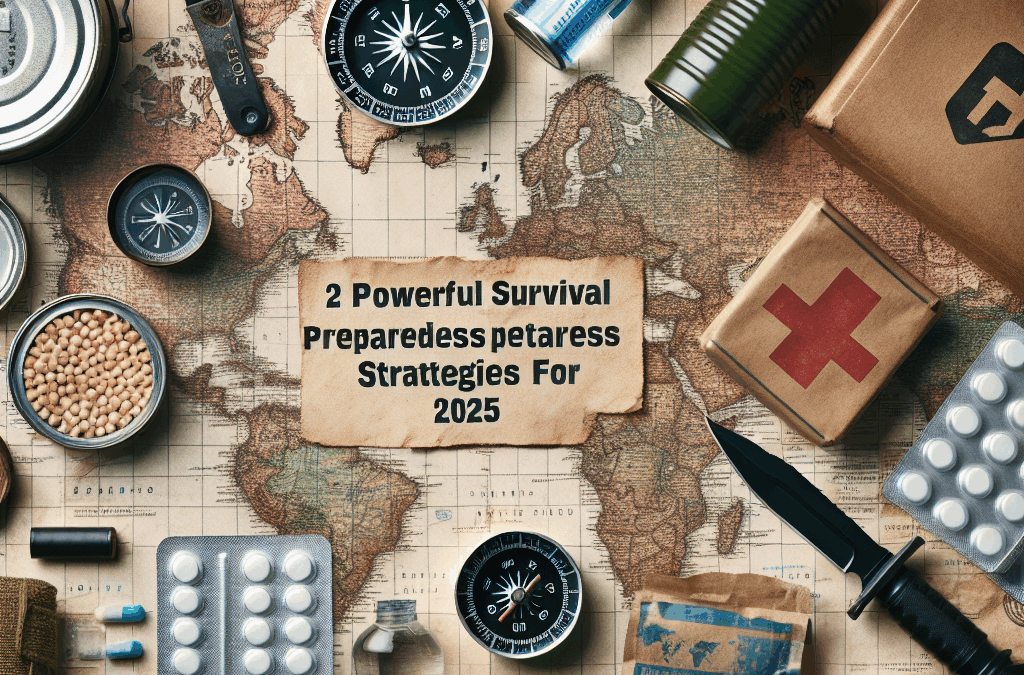
Having the right resources is critical for effective preparedness. Essential supplies may include food, water, medical kits, and tools for communication and shelter. It’s important to assess your needs based on the types of unexpected events you might face and ensure that you have adequate supplies for each scenario.
Many individuals underestimate the quantity of supplies needed or fail to consider special requirements for vulnerable family members, such as infants or elderly individuals. Conducting an inventory of your supplies and regularly checking expiration dates can help maintain readiness. Additionally, consider developing a community resource-sharing network to enhance overall preparedness.
Communication Strategies: Keeping Everyone Informed
Effective communication is a cornerstone of preparedness for unexpected events. Establishing clear communication channels helps ensure that everyone involved knows what to do and where to go during a crisis. This includes setting up group messaging systems, social media alerts, or utilizing local emergency notification systems.
A common mistake is relying solely on one form of communication. Consider diversifying your methods by incorporating phone calls, text messages, and local news updates, allowing for multiple ways to disseminate information. Regularly review and practice your communication strategies to ensure they remain effective and accessible when needed.
FEMA provides extensive guidance on disaster preparedness and recovery, including planning tools and resources
Frequently Asked Questions
What are the first steps to take in preparing for unexpected events?
Start by assessing potential risks in your area and developing a comprehensive response plan that outlines specific actions to take during emergencies.
How often should I update my emergency preparedness plan?
Review and update your plan at least annually or whenever significant changes occur in your household or community.
What types of supplies should I include in my emergency kit?
Your emergency kit should include water, non-perishable food, first aid supplies, flashlights, and important documents.
How can I ensure my family knows what to do during an emergency?
Conduct regular drills and ensure that each family member is aware of their specific roles and responsibilities outlined in your preparedness plan.
What resources are available for emergency preparedness?
Numerous resources, including government websites, local organizations, and emergency management agencies, offer valuable information and supplies for preparedness.
Conclusion
Preparedness for unexpected events is an ongoing process that requires attention to detail and a proactive approach. By assessing risks, developing a robust response plan, and ensuring effective communication, you can significantly enhance your ability to respond to emergencies. Prioritize regularly updating your plan and maintaining essential resources to ensure readiness. Take the first steps today to protect yourself and your community from unforeseen challenges.
Understanding the implications of being unprepared is vital. Many people underestimate the importance of having a thorough emergency readiness checklist, often leading to panic and disorganization during crises. Common mistakes include failing to account for specific needs, such as medical conditions, and neglecting to update supplies regularly. Prioritizing the right items can enhance your readiness and response efficiency.
Moreover, a well-structured checklist can evolve based on changing circumstances and personal needs. For instance, families with children or elderly members may require additional items, such as diapers or specialized medications. Regularly reviewing and practicing your emergency plan will ensure that everyone knows their role, reducing stress and confusion when it matters most.
Creating a Comprehensive Emergency Readiness Checklist
To create an effective emergency readiness checklist, start by assessing your potential risks based on geographical location and family needs. Identify the types of emergencies most likely to occur, such as earthquakes, floods, or health crises, and tailor your checklist accordingly. This targeted approach ensures that your preparations address the specific challenges you may face.
Additionally, involve all family members in the planning process. This engagement fosters a sense of responsibility and awareness among everyone, ensuring that each person understands their role during an emergency. Consider conducting regular drills to practice the plan and make adjustments based on feedback and experiences.
Remember that a comprehensive checklist should be dynamic. As your family grows or changes, update the list to reflect new needs or resources. For example, adding baby supplies when expecting a child or incorporating mobility aids for elderly family members will enhance overall preparedness.
Essential Items to Include in Your Checklist
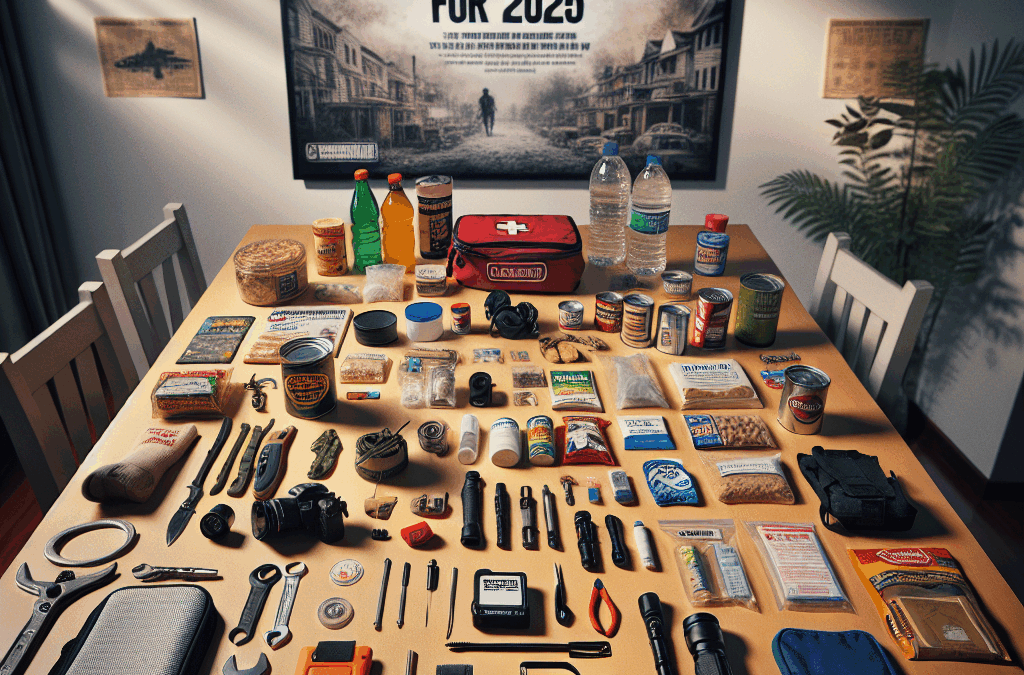
Your emergency readiness checklist should include vital resources that cater to immediate survival needs. Key items typically encompass non-perishable food, clean water, first aid supplies, medications, flashlights, batteries, and a multi-tool. Furthermore, consider adding personal documents, such as identification and insurance information, stored in a waterproof container.
When selecting food and water supplies, aim for at least a three-day supply per person. Opt for calorie-dense foods that require minimal preparation, such as canned goods, granola bars, and dried fruits. Ensure that your water supply is adequately stored in food-grade containers, and regularly check expiration dates on food and medications.
Moreover, communication tools are essential during emergencies. Include a battery-operated radio and a charged power bank for mobile devices to stay informed and connected. Establish a family communication plan that designates a meeting point and a method for reaching each other in case of separation.
Common Mistakes to Avoid in Emergency Preparedness
Many individuals and families overlook crucial aspects of emergency preparedness, leading to ineffective plans. One common mistake is failing to tailor the checklist to meet specific needs, such as dietary restrictions or medical conditions. This oversight can hinder survival efforts and increase stress during emergencies.
Another frequent error is neglecting to practice the emergency plan. While having a checklist is vital, understanding how to implement it under pressure is equally crucial. Regular drills can help reinforce roles and responsibilities, ensuring that everyone is prepared to act swiftly and effectively.
Additionally, many people forget to update their supplies. Regularly checking expiration dates and replenishing items as needed will ensure that your emergency readiness checklist remains effective. Ignoring this maintenance can result in relying on expired medications or spoiled food when it matters most.
Maintaining and Reviewing Your Checklist Regularly
Maintaining your emergency readiness checklist is just as important as creating it. Set a schedule for regular reviews, ideally every six months, to assess the list’s relevance and effectiveness. During these reviews, evaluate any changes in your family situation, such as new additions or shifts in health needs, and adjust the checklist accordingly.
Consider keeping a digital version of your checklist for easy access and updates. Many families find it helpful to use apps that allow for real-time collaboration, enabling everyone to contribute to the checklist maintenance. This collaborative approach fosters a sense of shared responsibility and ensures that all family members are aware of the current plan.
Additionally, practicing your emergency plan during these reviews can help identify any gaps in the checklist or areas for improvement. Encourage feedback from all family members to refine the plan continuously.
Provides health-focused guidance on preparing for emergencies, including specific recommendations for various disaster scenarios
Frequently Asked Questions
What should be included in an emergency readiness checklist?
Essential items include non-perishable food, water, first aid supplies, medications, flashlights, batteries, and important documents.
How often should I update my emergency checklist?
Review and update your checklist at least every six months or whenever there are changes in your family situation or needs.
What common mistakes should I avoid in emergency preparedness?
Common mistakes include failing to tailor the checklist to your specific needs, neglecting to practice the plan, and not regularly updating supplies.
How can I involve my family in emergency preparedness?
Involve family members in the planning process, assign roles, and conduct regular drills to ensure everyone understands their responsibilities during an emergency.
What should I do if my emergency supplies expire?
Replace expired items immediately and check the entire checklist regularly to ensure all supplies are current and usable.
Conclusion
In summary, maintaining an effective emergency readiness checklist is crucial for ensuring safety and preparedness in the face of unexpected events. Prioritize tailoring the checklist to your unique needs, regularly updating supplies, and practicing your emergency plan with family members. By fostering a culture of preparedness, you can enhance your ability to respond effectively during crises and safeguard the well-being of your loved ones.
Understanding the unique needs and strengths of a community is critical. Each community has different resources, vulnerabilities, and cultural dynamics that influence how they prepare for and respond to emergencies. Engaging local leaders, organizations, and residents in the planning process can lead to more tailored and effective readiness strategies. Moreover, communities often face challenges such as lack of funding, inadequate training, or insufficient communication, which can hinder their overall preparedness. Addressing these issues is vital for building a robust support system.
Common mistakes include failing to involve the community in the planning process, underestimating the importance of training, and neglecting to update emergency plans regularly. It’s essential for communities to prioritize ongoing education and drills to ensure all members are familiar with emergency procedures. Additionally, fostering partnerships with local organizations and agencies can amplify resources and support, creating a more cohesive response network.
Understanding Community Readiness
Community readiness refers to the degree to which a community is prepared to respond to emergencies or disasters. This includes not only having plans in place but also ensuring that residents understand their roles and responsibilities during a crisis. Effective community readiness combines awareness, training, and resources to create a resilient population.
In many instances, communities overestimate their readiness due to previous experiences or assumptions about their capacity. However, it’s crucial to conduct regular assessments to gauge true preparedness levels. This involves reviewing emergency plans, conducting drills, and engaging community members in discussions about their concerns and needs. Prioritizing these assessments can reveal gaps in knowledge and resources that need to be addressed.
Communities often miss the opportunity to engage diverse populations, including vulnerable groups who may have specific needs during emergencies. Ensuring that all voices are heard can lead to more comprehensive and effective readiness strategies.
Key Components of Community Readiness Support
Effective community readiness support encompasses several key components that work together to enhance overall preparedness. These include education and training, resource allocation, and community engagement.
Education and training initiatives should be designed to equip community members with the knowledge they need to act during emergencies. This can include workshops, simulations, and accessible informational materials. Resource allocation is also essential; communities must ensure they have the necessary supplies, such as first aid kits and communication devices, readily available.
Engaging the community in the planning process is vital for fostering ownership and accountability. Communities benefit from establishing local committees or working groups that can facilitate discussions, gather input, and disseminate information. Prioritizing inclusivity in these efforts ensures that diverse perspectives are represented, leading to more comprehensive strategies.
Common Pitfalls in Community Preparedness
Despite best efforts, many communities encounter common pitfalls that hinder their preparedness. One frequent issue is a lack of regular training and drills, which can lead to confusion during actual emergencies.
Another pitfall is the assumption that one-size-fits-all solutions will work across diverse populations. Each community has unique characteristics that influence how they respond to emergencies, and it’s essential to tailor strategies accordingly. Failing to do so can result in ineffective responses and increased vulnerability.
Communities should also avoid neglecting communication strategies. Establishing clear, reliable channels for sharing information before, during, and after an emergency is crucial. Without these channels, misinformation can spread, leading to chaos and confusion.
Building Effective Communication Networks
Effective communication is a cornerstone of community readiness support. Establishing reliable channels for sharing information can significantly improve response efforts during crises.
Communities can utilize various platforms, such as social media, community alert systems, and local radio stations, to disseminate information quickly and accurately. Training community members on how to use these platforms effectively ensures that information reaches everyone in a timely manner.
Additionally, fostering relationships with local media can enhance communication efforts. Media outlets can play a critical role in sharing important updates and safety information during emergencies. Communities should prioritize building these networks ahead of time to ensure smooth communication during crises.
The Red Cross provides training programs and resources for emergency preparedness and response
Frequently Asked Questions
What is community readiness support?
Community readiness support involves preparing local populations for effective emergency response through education, resources, and collaboration.
Why is it important to involve the community in preparedness planning?
Involving the community ensures that strategies are tailored to their unique needs and strengths, fostering ownership and accountability.
What are common mistakes in community readiness?
Common mistakes include neglecting regular training, assuming one-size-fits-all solutions, and failing to establish effective communication channels.
How can communities improve their communication during emergencies?
Communities can improve communication by utilizing social media, establishing alert systems, and building relationships with local media for timely updates.
What resources are available for community readiness?
Resources include official preparedness websites, local training programs, and partnerships with organizations like the Red Cross and FEMA.
Conclusion
In summary, community readiness support is essential for effective emergency response. By prioritizing education, fostering community engagement, and establishing strong communication networks, communities can enhance their resilience. It is crucial to regularly assess and adapt strategies to meet the evolving needs of the community. Taking proactive steps now will ensure that when crises occur, communities are not only prepared but can respond effectively and efficiently.