Understanding what to include in your emergency supply plan is crucial for ensuring that you and your loved ones are ready to face any situation. Many people underestimate the importance of having a well-thought-out supply kit and may overlook specific items that can make a significant difference. Prioritizing these supplies can greatly enhance safety and response effectiveness during crises.
A common mistake in emergency supply planning is failing to tailor the kit to individual needs, such as dietary restrictions or medical requirements. It’s essential to evaluate your unique situation and include items that address those specific needs. Additionally, regularly reviewing and updating your supplies ensures that everything remains functional and relevant.
Key Components of an Emergency Supply Kit
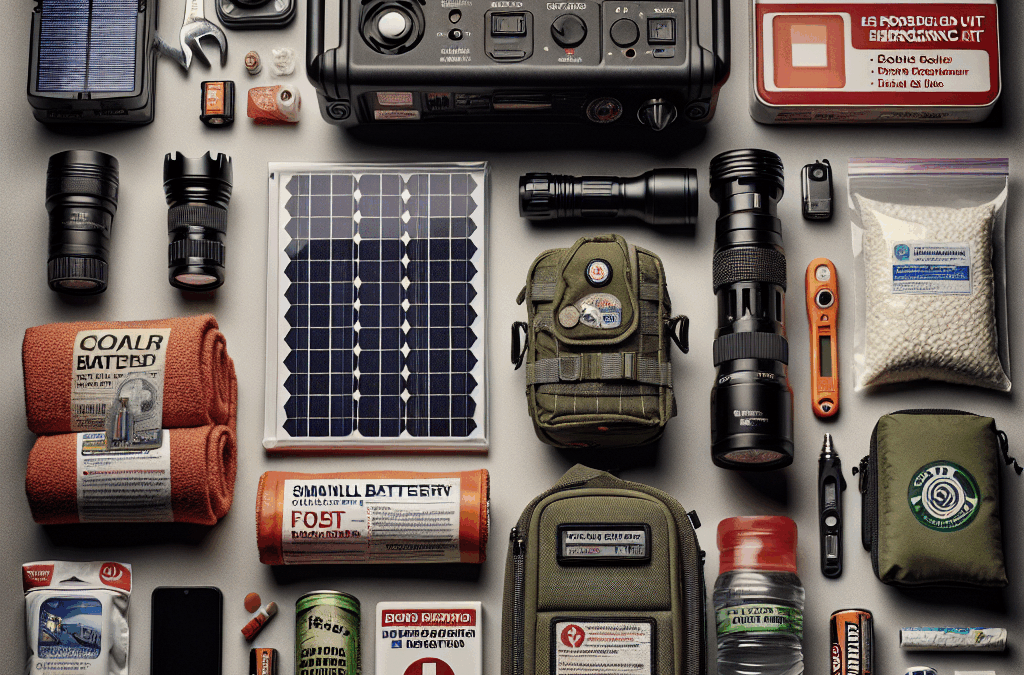
Every emergency supply kit should contain basic necessities that support survival for at least 72 hours. This includes non-perishable food, safe drinking water, and necessary medications. A well-rounded kit might also include hygiene products, flashlights, batteries, and a first aid kit.
It’s critical to ensure that food items are easy to prepare and require minimal resources, such as cooking or refrigeration. Canned goods, dried fruits, and energy bars are excellent choices. When it comes to water, experts recommend storing at least one gallon per person per day for drinking and sanitation.
Many people often forget essential items like multi-tools or portable chargers for communication devices. Including these tools can enhance your ability to stay informed and connected during emergencies. Regularly inspect and refresh your supplies to maintain their effectiveness and usability.
Assessing Your Unique Needs
Each household has specific needs that should be reflected in an emergency supply plan. Factors such as the number of family members, ages, and any medical conditions must be considered. For example, families with infants may require baby formula and diapers, while those with elderly members might need specialized medical supplies.
Additionally, consider the unique environmental risks you may face in your area, such as floods, hurricanes, or earthquakes. Understanding these risks will help you prioritize what to include in your kit. Engaging family members in this assessment can also foster a sense of preparedness and responsibility.
Many people overlook the importance of personal documents and records in an emergency kit. Keeping copies of identification, insurance policies, and medical records can be invaluable during crises. Make sure these documents are stored in a waterproof container within your kit.
Storage and Maintenance of Supplies
Proper storage of emergency supplies is crucial for ensuring their effectiveness when needed. Choose a cool, dry place for your kit, away from direct sunlight and moisture. Containers should be durable and easy to transport, such as plastic bins or backpacks.
Maintaining your supplies involves regular checks to replace expired items and replenish used goods. A good practice is to review your kit every six months, ideally coinciding with daylight saving time changes, to ensure everything is up-to-date.
It’s also advisable to keep a checklist of items in your kit. This way, you can quickly identify what needs to be restocked and simplify the maintenance process. Many people neglect this aspect, leading to incomplete or outdated kits when emergencies strike.
Creating an Emergency Communication Plan
In addition to physical supplies, a robust emergency communication plan is essential. This plan should outline how family members will contact each other during a crisis and where to meet if separated. Establishing contact methods in advance can reduce confusion and anxiety during emergencies.
Consider designating an out-of-area contact person who can help relay messages if local communication networks are disrupted. This person can be a friend or relative living far enough away to not be affected by the same emergency.
Many people underestimate the importance of practicing your communication plan. Regular drills can help ensure that everyone knows what to do and where to go, making the plan more effective when it truly matters.
FEMA offers resources and advice for personal and community preparedness
Frequently Asked Questions
What should I include in my emergency supply kit?
Your kit should contain non-perishable food, water, first aid supplies, tools, hygiene items, and necessary medications.
How often should I check my emergency supplies?
It is recommended to review your emergency supplies every six months to ensure everything is up-to-date and functional.
How much water should I store for emergencies?
Store at least one gallon of water per person per day for a minimum of three days for drinking and sanitation.
What is the best way to store emergency supplies?
Keep your supplies in a cool, dry place in durable containers that are easy to transport.
How can I prepare my family for emergencies?
Involve all family members in creating an emergency plan, practicing drills, and ensuring everyone knows what to do in a crisis.
Conclusion
Preparing for emergencies is not just about having supplies; it involves creating a comprehensive plan that addresses your family’s unique needs. By prioritizing essential items, assessing individual requirements, and maintaining your supplies, you increase your chances of staying safe during an unexpected event. Regular practice of your emergency communication plan can further enhance your preparedness. Take the time now to evaluate your situation and ensure that you are ready for any emergency that may arise.
A well-structured emergency plan is critical for effective disaster readiness. It should include specific details about evacuation routes, shelter locations, and the roles each family member will play during a crisis. Common mistakes include underestimating the importance of practice and failing to update the plan regularly. Real-world scenarios often reveal that those who have rehearsed their plans are far better equipped to handle emergencies than those who have not.
Many people overlook the importance of tailored preparation based on their unique circumstances, such as location, family size, and health needs. For instance, families with young children or elderly members may require customized kits that include specific medications, baby supplies, or mobility aids. Understanding these nuances can make a significant difference in the effectiveness of your emergency response.
Identifying Potential Risks
Identifying potential risks is a foundational step in disaster preparation. This involves assessing the specific threats that could affect your area, such as natural disasters, technological failures, or health crises. Understanding these risks allows families to tailor their emergency plans effectively.
For instance, a family living in a flood-prone area should prioritize flood preparedness, while those in regions susceptible to wildfires may need to focus on fire evacuation routes. Common pitfalls in this step include failing to research local hazards and not considering how these risks might evolve over time. Regularly reviewing and updating your risk assessment is crucial to maintaining an effective emergency plan.
Furthermore, engaging with local emergency management resources can provide valuable insights into the most relevant risks for your community. Many areas have specific guidelines and resources available to help residents understand the threats they face, ensuring that your preparation efforts are grounded in reality.
Assembling Emergency Supplies
Assembling emergency supplies is a critical component of preparation before disaster hits. Essential items typically include non-perishable food, water, first aid kits, flashlights, batteries, and personal hygiene products. However, the specific needs of each family can vary significantly.
For example, families with pets will need to consider pet food and supplies, while those with infants should include diapers and formula. A common mistake is creating a supply kit without considering the unique needs of all family members, which can lead to inadequate resources during a crisis. Regularly checking expiration dates and replacing items is vital to ensure that supplies remain usable.
Additionally, it’s beneficial to create a portable emergency kit that can be easily grabbed during an evacuation. This kit should include important documents, such as insurance policies and identification, along with cash and a list of emergency contacts. Prioritizing these details can make a significant difference in your ability to respond effectively during a disaster.
Establishing Communication Plans
Establishing a communication plan is essential in maintaining contact with family members during a disaster. This plan should outline how family members will communicate if separated and include designated meeting points. It’s important to consider that traditional communication methods may fail during emergencies, so having multiple backup options is advisable.
Many families overlook the need for alternative communication methods, such as using text messages or social media, which may be more reliable than voice calls in high-traffic situations. Additionally, having a family member outside the immediate area serve as a point of contact can help coordinate efforts and relay information effectively.
Regularly reviewing and practicing this communication plan can enhance its effectiveness. Family members should be familiar with the plan and understand how to execute it in various scenarios. This preparation can help reduce anxiety and confusion during an actual emergency.
Conducting Regular Drills
Conducting regular drills is crucial for ensuring that all family members are familiar with the emergency plan and know their roles. Practice can significantly improve response times and reduce panic during actual emergencies. Drills should cover various scenarios, such as fire evacuations, severe weather responses, and lockdown procedures.
A common mistake is treating drills as optional or infrequent, which can lead to confusion and inefficiency in real situations. Families should schedule drills at least twice a year and include all members, ensuring that everyone understands their responsibilities. Incorporating feedback after each drill can help refine the plan and address any uncertainties.
Moreover, consider involving neighbors or local community members in drills to foster a sense of collective preparedness. This collaboration can enhance community resilience and provide additional support during disasters.
The Federal Emergency Management Agency offers resources for understanding risks and preparing for various disasters
Frequently Asked Questions
What should be included in an emergency supply kit?
An emergency supply kit should include non-perishable food, water, first aid supplies, flashlights, batteries, personal hygiene items, and any necessary medications.
How often should I review and update my emergency plan?
Your emergency plan should be reviewed and updated at least once a year or whenever there are significant changes in your family or living situation.
Why is it important to conduct drills?
Conducting drills helps family members become familiar with the emergency plan, improving response times and reducing panic during actual emergencies.
What are some common mistakes in disaster preparedness?
Common mistakes include underestimating risks, neglecting to customize emergency kits, and not practicing communication plans regularly.
How can I identify potential risks in my area?
Identify potential risks by researching local hazards through community resources, government websites, and emergency management agencies.
Conclusion
In conclusion, preparation before disaster hits is a critical aspect of ensuring safety and minimizing chaos during emergencies. By identifying potential risks, assembling appropriate supplies, establishing clear communication plans, and conducting regular drills, families can enhance their readiness and resilience. It is essential to prioritize these actions and adapt them to meet the unique needs of your household. Taking proactive steps now will significantly improve your ability to respond effectively when disaster strikes.
When creating your emergency survival plan, consider the unique challenges your household may face. Factors such as the number of family members, pets, and any special needs should influence your planning. Additionally, assess the potential disasters most likely to occur in your area—be it natural disasters like hurricanes or man-made events. The common mistake many make is underestimating the importance of regular updates to their plans, which can lead to inadequate preparedness when an emergency strikes.
Moreover, it’s essential to prioritize communication methods within your emergency survival plan. In times of crisis, traditional communication channels may fail. Establishing predetermined meeting points and alternative ways to contact each other can prevent confusion and panic. Many families overlook the necessity of practicing their plan, which can lead to disorganization during an actual emergency. Regular drills help ensure everyone knows their roles and responsibilities, increasing the effectiveness of your emergency survival plan.
Creating an Emergency Survival Kit
Every effective emergency survival plan must include a well-stocked survival kit tailored to your family’s needs. This kit should contain non-perishable food, water, first-aid supplies, flashlights, batteries, and any necessary medications. Additionally, consider including items like a multi-tool, blankets, and hygiene products. The goal is to ensure you have enough supplies to last at least 72 hours, as assistance may not be immediately available.
When assembling your kit, prioritize items that have a long shelf life and are easy to prepare. Many families mistakenly focus only on food without considering other essentials, such as sanitation and warmth. Regularly check and rotate supplies to maintain freshness and replace any expired items. Tailor your kit according to specific needs—families with infants should include baby food and diapers, while those with pets should have pet food and supplies.
Furthermore, storing your emergency survival kit in a readily accessible location is crucial. Many individuals hide their kits away, making them difficult to find in a crisis. Designate a specific place in your home that everyone knows about, and consider having smaller kits in your car or workplace for added safety. Regularly reviewing the kit with family members can also reinforce its importance and ensure everyone knows where to find it.
Establishing Communication Protocols
Effective communication is a cornerstone of any emergency survival plan. Establishing clear protocols for how family members will communicate during a disaster can significantly reduce panic and ensure everyone remains informed. Decide on a primary and secondary method of communication, such as mobile phones and text messages, and ensure everyone knows how to use these methods effectively.
One common pitfall is assuming that everyone will know what to do in an emergency. It’s vital to create a list of emergency contacts, including out-of-town relatives who can serve as a point of contact if local communication fails. Additionally, consider using a family group chat or an app designed for emergency alerts to maintain communication during crises. Many overlook the need for a backup plan if phones are not operational.
Moreover, practice your communication protocols regularly. Involve family members in drills that simulate emergency scenarios, helping them understand their roles and how to reach one another. This practice can significantly enhance your plan’s effectiveness, ensuring that everyone knows what to do when it matters most.
Evacuation Routes and Safe Locations
Identifying evacuation routes and safe locations is a critical aspect of an emergency survival plan. Understanding how to exit your home and community safely can save lives during a disaster. Map out multiple routes from your home to safe areas, such as designated shelters or the homes of friends and family. Familiarize yourself with these routes, ensuring all family members know them.
Many people fail to consider alternative routes, which can be a significant oversight. Traffic congestion or road closures during emergencies can make primary routes impassable. Regularly review and practice these routes, allowing family members to feel comfortable and confident when navigating them. Additionally, keep a list of safe locations in your emergency kit, including nearby hospitals, fire stations, and community centers.
Furthermore, consider the unique needs of your family when selecting safe locations. Families with pets should ensure their chosen destinations are pet-friendly. Also, be aware of any special accommodations needed for elderly or disabled family members. Planning for these factors can enhance the effectiveness of your evacuation strategy.
Practicing Your Emergency Plan
Regularly practicing your emergency survival plan is crucial to ensuring its effectiveness. Conduct drills that simulate various scenarios, such as natural disasters or home invasions, to help family members understand their roles and responsibilities. Practicing helps reinforce the importance of the plan and ensures that everyone is familiar with the procedures.
A common mistake is neglecting to review and update the plan regularly. As family dynamics change, so too should your emergency plan. For instance, if a family member moves away or a new pet is adopted, adjustments may be necessary. Schedule regular reviews of your plan, ideally every six months, to keep everyone informed and prepared.
Moreover, encourage open communication about the plan. After each drill, discuss what worked well and what could be improved. This feedback loop can help refine your emergency survival plan and ensure that it remains relevant and practical. By practicing regularly, families can build confidence and reduce anxiety during real emergencies.
Further Reading
For more information on developing an effective emergency survival plan, consider the following resources:
Federal Emergency Management Agency provides tools and information for disaster preparedness and recovery
Frequently Asked Questions
What should be included in an emergency survival kit?
Your emergency survival kit should include food, water, first-aid supplies, flashlights, batteries, medications, and hygiene products.
How often should I review my emergency survival plan?
Review your emergency survival plan every six months to ensure it remains relevant and effective.
What are the best communication methods during a disaster?
Use mobile phones and text messages as primary methods, but also establish alternative communication methods like meeting points.
How can I practice my emergency survival plan?
Conduct regular drills that simulate various emergency scenarios to ensure family members understand their roles.
What should I do if I have special needs in my family?
Consider the unique needs of your family members when creating your emergency plan, ensuring accommodations are made for everyone.
Conclusion
In summary, creating an effective emergency survival plan involves careful consideration of various factors, including communication, evacuation routes, and necessary supplies. Prioritize regular practice and updates to ensure your family remains prepared for any emergency. By taking these proactive steps, you can significantly enhance your safety and response capabilities during crises. Make your emergency survival plan a living document that evolves with your needs, ensuring your family’s resilience in the face of adversity.
Understanding the specific threats your area faces is crucial for effective preparedness. Natural disasters such as floods, hurricanes, or earthquakes require tailored strategies. Additionally, human-made threats like industrial accidents or terrorism should also factor into your plans. By identifying these risks, you can prioritize resources and actions that will mitigate their impact on you and your community.
A common mistake in safety planning is underestimating the importance of regular updates and drills. Many individuals create a plan but fail to practice it, leading to confusion during an actual emergency. Regular reviews and simulations help ensure that everyone knows their roles and responsibilities, making the response more efficient and coordinated.
Assessing Risks: Understanding Local Threats
Assessing risks involves identifying and evaluating the specific threats that could affect your community. This includes natural disasters such as floods, hurricanes, and wildfires, as well as human-made threats like industrial accidents or civil unrest. Understanding these risks allows for targeted planning and resource allocation.
Communities should conduct risk assessments regularly, incorporating data from local emergency services, historical incidents, and environmental studies. This information helps to prioritize the most pressing threats and develop tailored strategies to address them effectively. For instance, a community prone to flooding might prioritize the construction of levees or improved drainage systems.
Moreover, engaging with local stakeholders, such as schools, businesses, and health services, is essential. They can provide valuable insights into specific vulnerabilities and help foster a collaborative approach to safety planning. Remember, risks can evolve over time, so continuous monitoring and reassessment are critical.
Creating a Comprehensive Emergency Plan
A comprehensive emergency plan outlines the procedures and resources needed to respond effectively to various emergencies. It should detail roles and responsibilities, evacuation routes, and procedures for different scenarios. This plan serves as a roadmap for individuals and families during crises.
When developing your plan, consider factors such as the size of your household, special needs of family members, and available resources. Include clear instructions on how to communicate during an emergency, as well as backup plans if primary communication methods fail. Additionally, ensure that everyone in the household understands the plan and their specific roles.
Regularly updating the plan is as important as its initial creation. Changes in family dynamics, new threats, or advancements in technology may necessitate revisions. Schedule periodic reviews and involve all family members in the discussion to ensure everyone remains informed and prepared.
Emergency Kits: Essential Supplies for Preparedness
Emergency kits are vital components of safety and preparedness planning. These kits should contain essential supplies that can sustain individuals for at least 72 hours during a disaster. A well-stocked emergency kit can make a significant difference in survival and recovery.
Your emergency kit should include items such as water, non-perishable food, first aid supplies, flashlights, batteries, and a battery-powered or hand-crank radio. Personal items, such as medications and important documents, should also be included. Additionally, consider the unique needs of your family, such as baby supplies or pet food.
It’s crucial to regularly check the contents of your emergency kit, replacing any expired items and adjusting supplies according to seasonal needs. Having multiple kits for different locations, such as your home, car, and workplace, ensures that you are always prepared, regardless of where you are.
Communication Strategies During Emergencies
Effective communication during emergencies is essential for coordinating responses and ensuring safety. Establishing clear communication strategies can significantly enhance preparedness and response efforts. This includes determining how information will be shared and how to reach each family member during a crisis.
Utilize multiple communication methods, such as text messages, social media, and emergency apps, to keep in touch with loved ones. Designate a family member outside your area as a point of contact to facilitate communication if local lines are down. Having a plan for how to communicate can alleviate confusion and anxiety during emergencies.
Consider also how to relay critical information to the community. Local governments and emergency services often utilize alert systems, so ensure you are subscribed to these services and have access to local news and updates. This proactive approach can help you stay informed and make better decisions during a crisis.
Conducting Drills and Regular Plan Reviews
Conducting drills and regularly reviewing your emergency plan are critical for ensuring that everyone knows what to do during a crisis. Drills help familiarize family members with procedures, reducing panic and confusion when an actual emergency occurs.
Schedule at least one drill per year to practice evacuation routes, communication plans, and emergency procedures. This practice not only reinforces the plan but also highlights areas that may need adjustment. After each drill, gather feedback from participants to identify any issues or improvements needed.
In addition to drills, set a schedule for reviewing your emergency plan. This should occur at least annually or whenever significant changes occur in your household or community. Keeping the plan current ensures that it remains relevant and effective, maximizing your safety and preparedness.
The Centers for Disease Control and Prevention offers guidance on preparedness for various types of disasters
Frequently Asked Questions
What should be included in an emergency kit?
An emergency kit should include water, non-perishable food, a flashlight, batteries, a first aid kit, medications, and important documents.
How often should I review my emergency plan?
Your emergency plan should be reviewed at least annually or whenever significant changes occur in your household or community.
What are the common mistakes in emergency planning?
Common mistakes include not practicing the plan, failing to update it regularly, and not considering the specific needs of all family members.
How can I stay informed during an emergency?
Stay informed by subscribing to local alert systems, following local news outlets, and using emergency apps for real-time updates.
Why are drills important in emergency preparedness?
Drills familiarize family members with procedures, reduce panic during an actual emergency, and highlight areas for improvement in your emergency plan.
Conclusion
Safety and preparedness planning is an essential aspect of protecting yourself and your community from emergencies. By assessing risks, creating a comprehensive emergency plan, and preparing necessary supplies, you can significantly enhance your resilience against potential threats. Regular drills and updates to your plan are crucial for ensuring that everyone is informed and ready to act. Prioritize these steps to create a safer environment for yourself and those around you.
Establishing clear communication channels is crucial. Ensure that all family members understand how to contact one another during an emergency, especially if separated. Designate a meeting point and share contact information for local emergency services. Additionally, consider the unique needs of each family member, such as elderly relatives or young children, when developing your plan.
Another common oversight is neglecting to regularly update your emergency plan and supplies. Review the plan annually, or whenever significant changes occur in your family dynamics or local risks. This ensures that everyone remains informed and ready to act quickly when necessary.
Identifying Potential Disasters
To effectively prepare your family for disaster, it’s essential to identify the specific risks in your area. This could include natural disasters like hurricanes, earthquakes, floods, or man-made crises such as chemical spills or power outages. Understanding these risks allows you to tailor your emergency plan accordingly.
Start by researching local hazards and historical data on past disasters. Consult resources like your local emergency management office or community websites. This knowledge will help you prioritize which scenarios to plan for and ensure your preparations are relevant and effective.
Additionally, consider the geographical features of your location that may exacerbate certain risks. For instance, if you live in a flood-prone area, ensure your emergency plan specifically addresses evacuation routes that avoid high-risk zones.
Creating a Family Emergency Plan
A family emergency plan should be comprehensive and easy to understand. Begin by outlining clear roles for each family member, ensuring everyone knows what to do in various scenarios. Include details such as how to communicate during a crisis and where to meet if separated.
It’s also vital to incorporate specific instructions for different situations, such as severe weather alerts or fire evacuations. Discuss these scenarios with your family to encourage input and ensure everyone feels confident in the plan. Regularly revisit and practice the plan to maintain familiarity.
Remember to keep a copy of your emergency plan in a safe and accessible location. Digital copies can be useful, but also maintain printed versions for those who may not have immediate access to technology during a disaster.
Building an Emergency Supply Kit
Your emergency supply kit is a crucial component of disaster preparedness. It should contain essential items that sustain your family for at least 72 hours. Include water, non-perishable food, first aid supplies, flashlights, batteries, and any necessary medications.
When assembling your kit, consider the specific needs of your family members, including pets. Ensure that you have enough supplies tailored to any dietary restrictions or health conditions. Regularly check and update your kit to keep items fresh and functional.
Additionally, include important documents like identification, insurance papers, and medical records in a waterproof container. This will streamline recovery processes post-disaster and ensure vital information remains intact.
Practicing Your Plan
Regular practice of your emergency plan is essential for ensuring everyone knows their roles and responsibilities. Schedule family drills to simulate different disaster scenarios, allowing each member to practice their specific tasks.
These drills help identify any gaps in your plan and build confidence among family members. It’s also an opportunity to discuss any changes in the family structure or location that may affect your emergency procedures.
Consider inviting neighbors to participate in these drills, as community preparedness can significantly enhance safety during a disaster. Collaborating with others can provide additional resources and support.
Provides resources and information on disaster preparedness and recovery
Frequently Asked Questions
What are the first steps to prepare my family for disaster?
The first steps include identifying potential disasters in your area, creating a family emergency plan, and assembling an emergency supply kit tailored to your family’s needs.
How often should we practice our emergency plan?
It’s advisable to practice your emergency plan at least twice a year. This helps ensure everyone remains familiar with their roles and responsibilities.
What should be included in an emergency supply kit?
Your emergency supply kit should include water, non-perishable food, first aid supplies, flashlights, batteries, medications, and important documents.
How can I ensure my family stays connected during a disaster?
Establish clear communication channels by designating a meeting point and sharing contact information for local emergency services. Consider using group messaging apps for quick updates.
Why is it important to update our emergency plan regularly?
Regular updates ensure that your emergency plan remains relevant and effective, especially after changes in family dynamics, local risks, or personal circumstances.
Conclusion
Preparing your family for disaster is a crucial responsibility that requires careful planning and regular practice. By identifying potential risks, creating a detailed emergency plan, assembling a comprehensive supply kit, and practicing your plan, you enhance your family’s readiness for unexpected situations. Prioritize ongoing communication and updates to your plan to adapt to changing circumstances. Act now to ensure that your family is equipped to stay safe and respond effectively during a crisis.
Prioritizing your checklist ensures that you cover the most critical aspects of home safety. Common pitfalls include overlooking basic supplies, like flashlights or batteries, or failing to involve all household members in the planning process. Engaging everyone in the preparations can help ensure that each person knows their role during an emergency, reducing panic and confusion.
Furthermore, many people mistakenly assume that a one-time preparation is sufficient. In reality, regular updates to your checklist are necessary to accommodate changing circumstances, such as new family members, changes in location, or updates to local emergency protocols. Make it a habit to review and refresh your checklist at least once a year.
Assessing Your Home’s Safety
A thorough assessment of your home is the first step in creating a comprehensive ‘prepare your home checklist.’ This involves identifying potential hazards such as loose wires, unsecured heavy furniture, or areas prone to flooding. Each of these risks can pose significant dangers during emergencies.
Understanding the specific risks associated with your home and neighborhood allows you to tailor your preparations effectively. For example, if you live in an area prone to earthquakes, securing heavy items and knowing how to turn off utilities is crucial. Conversely, those in flood-prone areas should focus on waterproofing and drainage.
It’s also essential to involve family members in this assessment. Discussing and identifying risks together can lead to a better understanding of each person’s responsibilities in an emergency, ensuring everyone is prepared and aware.
Essential Supplies to Include
Your ‘prepare your home checklist’ should include a variety of essential supplies. Start with non-perishable food items, drinking water, and a first-aid kit. Additionally, consider including items such as flashlights, batteries, a multi-tool, and a whistle.
Consider the duration of emergencies you might face. For instance, having enough food and water for at least three days is a common recommendation. Also, include supplies for pets if applicable, and check expiration dates regularly to ensure everything is usable.
Moreover, don’t overlook the importance of personal documents. Keep copies of important papers like insurance policies, identification, and medical records in a waterproof container. This preparation can save time and stress in case of an urgent evacuation.
Creating an Emergency Plan
Once you have your checklist of supplies, the next step is to develop an emergency plan. This should outline how family members will communicate during an emergency and where to meet if you need to evacuate.
Establishing clear roles for each family member can streamline the process during a crisis. For example, designating one person to gather supplies while another checks on pets can reduce chaos. Regular drills can reinforce these roles and ensure everyone knows what to do when the time comes.
Additionally, consider local emergency contacts and resources. Having a list of nearby shelters, hospitals, and emergency services can be invaluable during a crisis. Make sure this information is easily accessible and shared with all family members.
Regular Maintenance and Updates
Your ‘prepare your home checklist’ is not a static document; it requires regular maintenance and updates. Schedule periodic reviews, ideally once or twice a year, to ensure that supplies are replenished, equipment is functioning, and plans are still relevant.
As your family dynamics change—such as welcoming a new child or a pet—update your checklist and emergency plan accordingly. This ongoing process helps maintain a high level of preparedness and ensures that everyone remains informed and ready.
Involving family members in these reviews can also foster a culture of preparedness. Discussing what worked well in past emergencies and what could be improved will enhance your readiness for future situations.
Offers strategies for identifying risks and creating effective mitigation plans
Frequently Asked Questions
What should be included in a home emergency kit?
A home emergency kit should include non-perishable food, water, a first-aid kit, flashlights, batteries, and important documents.
How often should I update my emergency checklist?
It’s recommended to review and update your emergency checklist at least once or twice a year.
How can I ensure my family knows the emergency plan?
Involve all family members in creating and practicing the emergency plan regularly to ensure everyone understands their roles.
What are common mistakes when preparing a home for emergencies?
Common mistakes include overlooking basic supplies, not involving all family members, and failing to update the plan regularly.
How long should my emergency supplies last?
Your emergency supplies should ideally last for at least three days to accommodate potential disruptions.
Conclusion
In summary, preparing your home with a checklist is a proactive step toward ensuring safety during emergencies. Start by assessing your home’s risks, compiling essential supplies, and creating a clear emergency plan. Regularly updating your preparations is crucial for maintaining readiness. Involve all family members in this process to promote awareness and cooperation. By prioritizing these actions, you can significantly enhance your household’s resilience and safety in the face of unexpected events.