
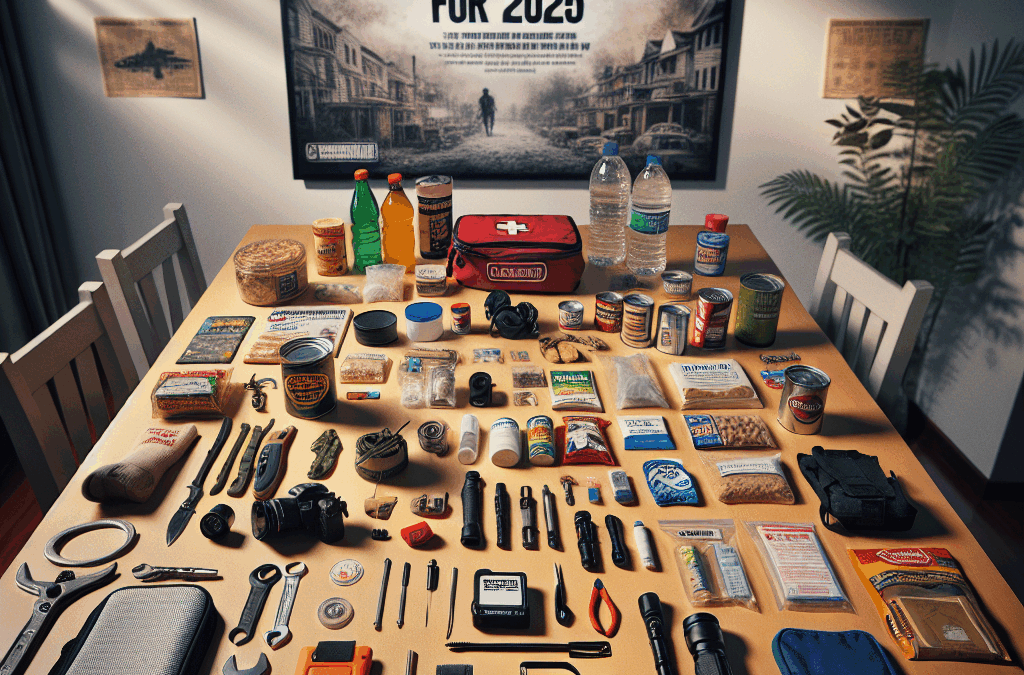
Understanding the types of unexpected events that may occur is essential for effective preparedness. Common scenarios include natural disasters like hurricanes, floods, and wildfires, as well as health emergencies such as pandemics. Each type of event presents unique challenges and requires specific planning and resources. A practical approach involves conducting a risk assessment to identify potential threats, evaluating existing resources, and determining the most effective response strategies.
One common mistake in preparedness is underestimating the importance of communication. During unexpected events, clear communication can make a significant difference in response effectiveness. Establishing a reliable communication plan with family members, community members, and local authorities is vital. This plan should include emergency contacts, designated meeting places, and methods for disseminating information quickly and accurately.
Assessing Risks: Understanding Potential Threats
To effectively prepare for unexpected events, the first step is to assess the risks specific to your environment. This involves identifying natural disasters, technological hazards, and health emergencies that are most likely to occur in your area. Engaging with local emergency management agencies and reviewing historical data can provide valuable insights into common threats.
Many people overlook the significance of localized risks, focusing instead on broader issues. Understanding the specific vulnerabilities of your community, such as flood zones or areas prone to wildfires, can help prioritize preparedness efforts. It’s crucial to tailor your response plan to these localized threats to ensure effective action when an event occurs.
Developing a Response Plan: Key Components
A comprehensive response plan is essential for effective preparedness. This plan should clearly outline the steps to take in various scenarios, including evacuation routes, shelter locations, and emergency contacts. It should also detail the roles and responsibilities of each family member or community participant during a crisis.
One common pitfall is failing to regularly update and practice the response plan. A plan that is not reviewed and practiced can lead to confusion and delay during an actual event. Schedule regular drills and update the plan based on new information or changes in circumstances to ensure all participants are familiar with their roles.
Thank you for reading this post, don't forget to subscribe NOW for FREE!

Resource Allocation: Essential Supplies and Tools
Having the right resources is critical for effective preparedness. Essential supplies may include food, water, medical kits, and tools for communication and shelter. It’s important to assess your needs based on the types of unexpected events you might face and ensure that you have adequate supplies for each scenario.
Many individuals underestimate the quantity of supplies needed or fail to consider special requirements for vulnerable family members, such as infants or elderly individuals. Conducting an inventory of your supplies and regularly checking expiration dates can help maintain readiness. Additionally, consider developing a community resource-sharing network to enhance overall preparedness.
Communication Strategies: Keeping Everyone Informed
Effective communication is a cornerstone of preparedness for unexpected events. Establishing clear communication channels helps ensure that everyone involved knows what to do and where to go during a crisis. This includes setting up group messaging systems, social media alerts, or utilizing local emergency notification systems.

A common mistake is relying solely on one form of communication. Consider diversifying your methods by incorporating phone calls, text messages, and local news updates, allowing for multiple ways to disseminate information. Regularly review and practice your communication strategies to ensure they remain effective and accessible when needed.
Further Reading
Authoritative Sources
- Ready.gov
ready.govThis official U.S. government website provides valuable resources and information on how to prepare for various emergencies
- American Red Cross
redcross.orgThe Red Cross offers comprehensive resources for emergency preparedness, including training and supplies
- FEMA
fema.govFEMA provides extensive guidance on disaster preparedness and recovery, including planning tools and resources
Frequently Asked Questions
What are the first steps to take in preparing for unexpected events?
Start by assessing potential risks in your area and developing a comprehensive response plan that outlines specific actions to take during emergencies.
How often should I update my emergency preparedness plan?
Review and update your plan at least annually or whenever significant changes occur in your household or community.
What types of supplies should I include in my emergency kit?
Your emergency kit should include water, non-perishable food, first aid supplies, flashlights, and important documents.
How can I ensure my family knows what to do during an emergency?
Conduct regular drills and ensure that each family member is aware of their specific roles and responsibilities outlined in your preparedness plan.
What resources are available for emergency preparedness?
Numerous resources, including government websites, local organizations, and emergency management agencies, offer valuable information and supplies for preparedness.
Conclusion
Preparedness for unexpected events is an ongoing process that requires attention to detail and a proactive approach. By assessing risks, developing a robust response plan, and ensuring effective communication, you can significantly enhance your ability to respond to emergencies. Prioritize regularly updating your plan and maintaining essential resources to ensure readiness. Take the first steps today to protect yourself and your community from unforeseen challenges.
Related Content
- The Ultimate Guide to what to pack for emergencies in 2025: 10 Effective Tips
- Ultimate Disaster Survival Kit Guide for 2025: Stay Prepared & Safe
- How to Build a Survival Kit: Essential Items and Practical Steps
- Sanitation Planning When Trash Collection Stops During Disasters — A Household Waste Checklist
- When is it best to run emergency practice drills?




