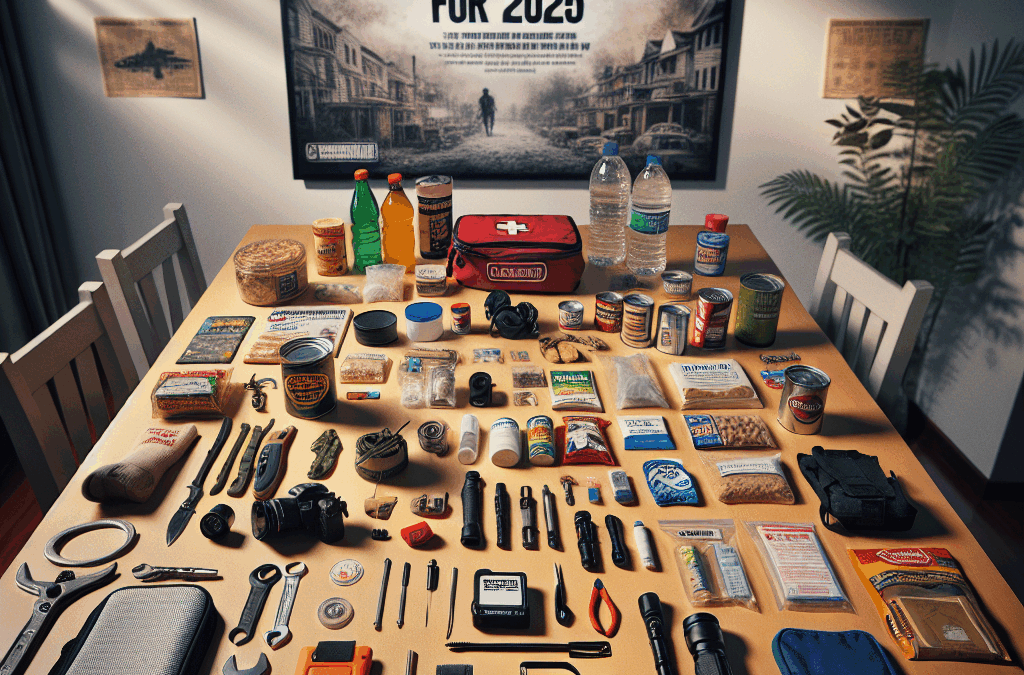
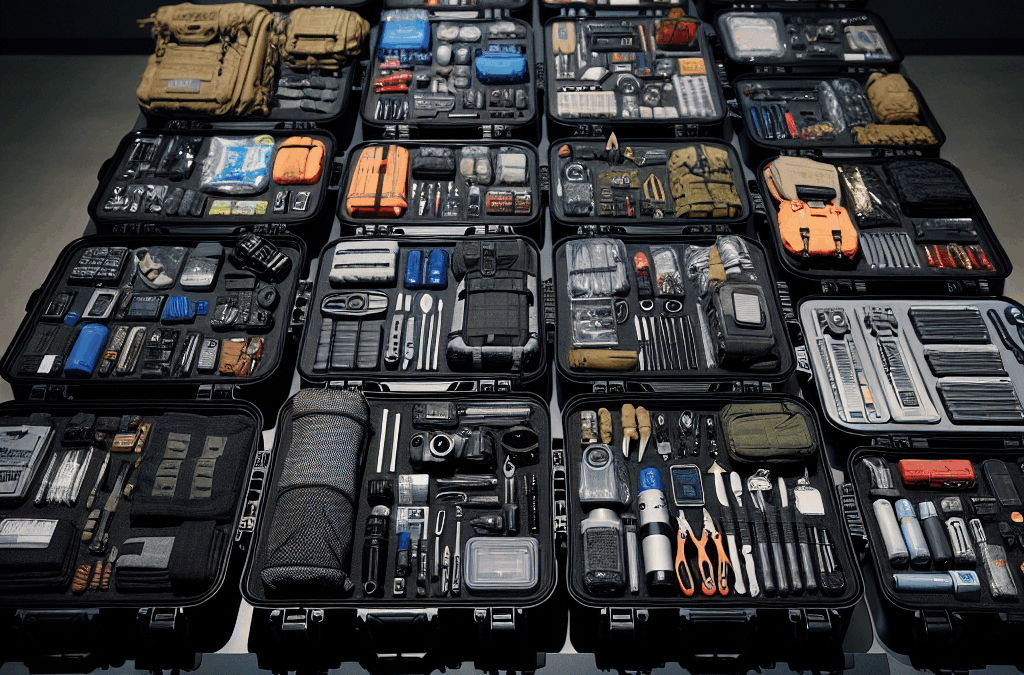
A practical interpretation of readiness involves understanding the specific threats one may face based on geographical location, community resources, and personal circumstances. For instance, individuals living in flood-prone areas should focus on different preparedness strategies than those in regions susceptible to wildfires. Common mistakes include underestimating the need for comprehensive plans or failing to regularly update emergency kits and plans as circumstances change.
Moreover, many people overlook the importance of mental preparedness. Developing a mindset that embraces adaptability and resilience can be just as crucial as having the physical supplies needed for survival. Training and practicing emergency responses can help individuals and families respond more effectively under pressure, highlighting the tradeoffs between merely having supplies and being mentally equipped to use them.
Assessing Risks for Effective Preparedness
To effectively prepare for emergencies, assessing the risks specific to your location and lifestyle is essential. This involves researching local hazards, such as earthquakes, floods, or civil unrest, and understanding how they can impact your community. By identifying these risks, individuals can tailor their preparedness strategies accordingly.
For instance, someone living in a coastal area may need to focus on hurricane preparedness, including evacuation routes and flood defenses, while a resident in a wildfire zone should prioritize fire-resistant landscaping and home hardening. Many overlook the need for regular assessments, assuming that once they have a plan, it remains valid indefinitely. In reality, changes in climate, urban development, and personal circumstances necessitate ongoing evaluations.
Building an Emergency Plan
Creating a comprehensive emergency plan is a critical step in readiness and survival. This plan should outline specific actions to take during various emergencies, including communication methods, evacuation routes, and designated meeting points. It’s important to involve all family members in this planning process to ensure everyone understands their roles.
Additionally, practicing the plan through drills can help identify weaknesses and improve response times. One common pitfall is neglecting to account for pets or special needs individuals in the planning process, which can lead to confusion or delays during an actual emergency. Prioritize inclusivity in your planning to enhance overall effectiveness.
Essential Survival Skills to Acquire
Survival skills are invaluable in emergency situations. Skills such as first aid, fire starting, water purification, and navigation can make a significant difference in survival outcomes. These skills not only provide practical benefits but also build confidence and self-reliance.
Many people mistakenly believe that survival skills are only necessary for outdoor enthusiasts or those in remote areas. However, urban environments also present unique survival challenges, such as navigating through disrupted infrastructure or managing scarce resources. Start with basic first aid training and gradually expand your skill set through workshops or online courses.
Common Mistakes in Readiness and Survival
Despite good intentions, many individuals make critical mistakes in their preparedness efforts. One prevalent error is failing to maintain and update emergency supplies, leading to expired items or outdated plans. Additionally, individuals often underestimate the importance of mental preparedness, neglecting to practice scenarios that can help reduce panic during real emergencies.
Another common mistake is overlooking the importance of community resources and connections in readiness efforts. Building relationships with neighbors and local organizations can enhance collective preparedness and provide additional support during crises. Prioritize establishing a support network to strengthen your overall readiness.
A resource for understanding weather-related emergencies and safety measures to take
Frequently Asked Questions
What should I include in my emergency kit?
Your emergency kit should include water, non-perishable food, a flashlight, batteries, a first aid kit, important documents, and any necessary medications.
How often should I update my emergency plan?
It’s advisable to review and update your emergency plan at least once a year or whenever there are significant changes in your circumstances or location.
What are some common misconceptions about emergency preparedness?
Many people believe that emergency preparedness is only necessary for natural disasters, but emergencies can arise from various sources, including health crises and civil unrest.
Why is mental preparedness important?
Mental preparedness helps individuals remain calm and focused during emergencies, allowing them to respond more effectively to stressful situations.
How can I involve my family in emergency planning?
Involve your family by discussing potential risks, creating a plan together, and practicing emergency drills to ensure everyone understands their roles.
Conclusion
Prioritizing readiness and survival is essential in today’s unpredictable environment. By assessing risks, building comprehensive emergency plans, acquiring vital survival skills, and avoiding common mistakes, individuals can significantly enhance their preparedness. Remember that effective preparedness combines both physical resources and mental resilience. Engage your family and community in these efforts to foster a supportive network that can better withstand emergencies. Take proactive steps today to ensure you and your loved ones are equipped to handle whatever challenges may arise.
Many people overlook the importance of having a designated meeting place where family members can reunite in case of an evacuation. Additionally, being aware of local emergency services and evacuation routes can save precious time during a crisis. Regularly updating emergency contact information and practicing the plan can help identify potential weaknesses. Furthermore, consider the unique needs of all family members, including pets, seniors, and those with disabilities, to ensure everyone is adequately prepared.
Common mistakes include failing to stock up on adequate supplies and neglecting to create a communication plan that accounts for power outages and cell service interruptions. Prioritizing the assembly of an emergency kit with food, water, first aid supplies, and essential documents can make a significant difference. It’s also wise to stay informed about local emergency management resources and participate in community preparedness initiatives to enhance your overall readiness.
Identifying Potential Risks
Understanding the types of disasters that may impact your area is the first step in preparedness. Conduct a risk assessment based on historical data and local geography. This could range from natural disasters like hurricanes and tornadoes to man-made emergencies such as chemical spills.
By identifying these risks, you can tailor your emergency plan and response strategies accordingly. For example, if you live in a flood-prone area, ensure your emergency kit includes waterproof gear and that you are familiar with local evacuation routes. Additionally, consider the impact of climate change on your region, as evolving patterns may introduce new risks.
Often, people underestimate the likelihood of specific disasters. Keeping an open mind and regularly updating your understanding of potential threats can help you stay prepared. Engage with local emergency management agencies to access valuable resources and information on how to address specific risks.
Creating an Emergency Kit
An emergency kit is a vital component of any disaster preparedness plan. It should contain essential items necessary for survival during the first few days after a disaster. This includes water, non-perishable food, a flashlight, batteries, a first aid kit, and necessary medications.
When assembling your kit, think about the unique needs of your family, including dietary restrictions and special medical requirements. Additionally, consider including documents such as insurance policies, identification, and emergency contact information in a waterproof bag. Regularly check and update your kit, replacing expired items and ensuring that everything is in working order.
Many people overlook the importance of including comfort items, especially for children or pets. A favorite toy, blanket, or pet food can provide emotional support during stressful situations. Prioritize not only the essentials but also items that can help maintain morale during a crisis.
Establishing Communication Plans
Effective communication is critical in ensuring that all family members are informed and can coordinate during an emergency. Establish a communication plan that includes designated contacts outside the immediate area, as local lines may be overwhelmed.
Make sure everyone knows how to reach these contacts and practice various scenarios to ensure familiarity. Consider using text messages or social media as alternatives to voice calls, as these methods may be more reliable during emergencies. Additionally, plan for potential communication barriers, such as power outages or cell service disruptions.
A common mistake is assuming that everyone knows what to do in an emergency. Regularly discussing and practicing the communication plan helps solidify understanding and ensures that everyone is on the same page. Consider conducting drills that simulate different disaster scenarios to enhance preparedness.
Regularly Reviewing and Practicing Your Plan
Having a plan is not enough; regular reviews and practice are essential for effective emergency preparedness. Schedule periodic family meetings to discuss the plan, review roles, and make necessary updates based on changing circumstances.
Conduct drills to simulate various disaster scenarios, such as evacuation or shelter-in-place situations. This practice helps identify weaknesses in your plan and reinforces the importance of preparedness. Additionally, involve children in these discussions and drills to empower them and ensure they know what to do in an emergency.
Many families neglect to update their plans as circumstances change, such as moving to a new location or changes in family structure. Establish a routine for reviewing your emergency plan, ideally every six months, to ensure it remains relevant and effective. This proactive approach can significantly enhance your family’s readiness for any disaster.
The Federal Emergency Management Agency provides information on disaster preparedness and recovery resources
Frequently Asked Questions
What should I include in my emergency kit?
Your emergency kit should include water, non-perishable food, a flashlight, batteries, a first aid kit, medications, and important documents.
How often should I review my emergency plan?
Review your emergency plan at least every six months or whenever there are significant changes in your circumstances, such as moving or changes in family size.
What is the best way to communicate during a disaster?
Establish a communication plan that includes designated contacts outside your area and consider using text messages or social media for communication.
How can I prepare my children for emergencies?
Involve children in discussions and practice drills regularly to ensure they understand their roles and what to do in an emergency.
What common mistakes should I avoid when preparing for a disaster?
Avoid assuming everyone knows the emergency plan, neglecting to update the plan, and underestimating the need for adequate supplies.
Conclusion
In summary, preparing for a disaster involves understanding potential risks, creating a comprehensive emergency kit, establishing effective communication plans, and regularly reviewing your strategy. Prioritize the unique needs of your family, conduct drills, and stay informed about local resources. By taking these proactive steps, you can significantly enhance your family’s safety and readiness in the face of emergencies. Remember, the goal is not just to survive, but to ensure that everyone knows what to do and where to go when disaster strikes.
Understanding the landscape of emergency communication is vital for effective crisis management. In situations like natural disasters, power outages, or civil unrest, traditional communication channels may become unreliable. Therefore, having a diverse set of communication tools at your disposal enhances your ability to respond swiftly and effectively, minimizing risks and ensuring safety.
Moreover, many people often underestimate the importance of training and preparedness in using these tools. Familiarity with the technology, understanding its limitations, and creating a communication plan ahead of time can make a significant difference in the effectiveness of your emergency response.
Two-Way Radios: Reliable Communication in the Field
Two-way radios are indispensable tools for emergency responders, providing reliable communication in environments where cell signals may fail. These devices allow for instant communication between team members, enabling coordination during critical operations.
When using two-way radios, it is essential to consider the range, battery life, and compatibility with other devices. Regular maintenance and testing of the equipment ensure that it functions properly during emergencies. Additionally, training team members in radio etiquette and usage can prevent miscommunication and enhance operational efficiency.
Common pitfalls include neglecting to charge devices and failing to establish clear communication protocols. To prioritize effectiveness, create a checklist for equipment readiness and conduct regular drills to familiarize all users with the technology.
Mobile Apps: Keeping Everyone Connected
Mobile applications designed for emergency communication play a crucial role in maintaining connectivity among individuals during a crisis. These apps can send alerts, share locations, and provide updates on the situation in real-time.
Choosing the right mobile app depends on its features, reliability, and user base. Popular options include emergency alert systems and community-based apps that facilitate information sharing. However, users must ensure that their devices are charged and accessible during emergencies.
Many users overlook the importance of regularly updating these apps. Keeping them current ensures access to the latest features and improvements. Moreover, creating a backup communication plan that includes non-digital methods is advisable in case of technology failure.
Satellite Phones: Lifelines in Remote Areas
Satellite phones are vital emergency communication tools, especially in remote areas where traditional networks are unavailable. They provide a reliable connection for emergency responders and individuals in isolated locations.
Before using a satellite phone, users should understand the coverage area and potential costs associated with usage. These devices can be expensive, both in terms of purchase and operational fees, so budgeting is essential.
One common mistake is underestimating the battery life of satellite phones. Always have extra batteries or a portable charger available. Additionally, familiarize yourself with the device’s functions to maximize its potential in emergencies.
Social Media: Real-Time Information Sharing
Social media platforms have become powerful tools for disseminating information during emergencies. They allow for real-time updates, sharing of resources, and community coordination.
However, social media can also spread misinformation quickly. It is crucial to verify information before sharing and to use official channels to communicate updates. Developing a strategy for social media use during crises can help mitigate the risks of misinformation.
Many individuals fail to engage with their community on these platforms until a crisis occurs. Establishing a social media presence and following relevant organizations can enhance preparedness and ensure access to timely information.
Further Reading
For those looking to deepen their understanding of emergency communication tools, consider exploring resources from reputable organizations such as the Federal Emergency Management Agency (FEMA) and the International Federation of Red Cross and Red Crescent Societies. These organizations provide valuable insights and guidelines on effective communication strategies in emergencies.
Public health guidance for emergencies, disasters, and recovery situations.
Frequently Asked Questions
What are the best emergency communication tools?
The best emergency communication tools include two-way radios, mobile apps, satellite phones, and social media platforms, each serving unique functions.
How do two-way radios work in emergencies?
Two-way radios operate on specific frequencies, allowing instant communication without reliance on cellular networks, making them reliable during emergencies.
Can mobile apps replace traditional communication methods?
While mobile apps enhance communication, they should not completely replace traditional methods, as technology can fail or become inaccessible.
What should I consider when choosing a satellite phone?
When choosing a satellite phone, consider coverage area, cost, battery life, and ease of use to ensure it meets your needs during emergencies.
How can social media be used effectively in emergencies?
Social media can be used to share real-time updates and resources, but it’s essential to verify information before sharing to avoid spreading misinformation.
Conclusion
In conclusion, effective emergency communication tools are essential for ensuring safety and coordination during crises. Prioritizing the selection and training on these tools can significantly enhance response efforts. By understanding the strengths and weaknesses of each communication method, individuals and organizations can better prepare for emergencies, ensuring they have the right tools ready to maintain connectivity and disseminate crucial information.
Prioritizing your prepping supplies is crucial. Consider the types of emergencies most likely to affect your area, such as natural disasters or civil unrest. It’s vital to have a clear plan for food storage, water purification, and emergency communication. Common mistakes include underestimating the amount of water needed or neglecting to practice emergency drills with your family.
Additionally, many people overlook the importance of a well-rounded supply kit that includes not only food and water but also hygiene products, medications, and tools for specific scenarios. Regularly reviewing and updating your supplies ensures they remain relevant and effective.
Understanding Non-Perishable Foods
Non-perishable foods are essential for any prepping strategy, as they can be stored for extended periods without spoiling. Focus on items such as canned goods, dried beans, rice, and freeze-dried meals. These foods provide necessary nutrients and can be easily prepared, even in challenging situations.
When selecting non-perishable foods, prioritize items that your family enjoys and will consume. This not only reduces waste but also ensures that everyone is willing to eat the supplies during an emergency. Additionally, consider the caloric density of your food choices, as you may require more energy than usual during stressful situations.
A common oversight is failing to rotate your food supplies. Regularly check expiration dates and replace items as needed to maintain freshness. Implementing a first-in, first-out system can help ensure that older items are used before they expire.
Water Storage and Purification Techniques
Water is one of the most critical resources to have during emergencies, as it’s essential for hydration, cooking, and sanitation. Aim to store at least one gallon of water per person per day for at least three days. Consider utilizing water storage containers that are designed for long-term storage, ensuring they are food-grade and BPA-free.
In addition to storing water, it’s important to have purification methods in place. This can include water filters, purification tablets, or boiling methods. Understanding how to purify water from various sources can significantly increase your preparedness level.
Many people overlook the need for backup water sources. Rainwater collection systems or nearby natural water sources can provide additional water supplies. However, ensure you have purification methods ready to make any collected water safe for consumption.
First Aid Kits: What to Include
A well-stocked first aid kit is vital for addressing injuries and illnesses during emergencies. Essential items should include bandages, antiseptic wipes, gauze, adhesive tape, pain relievers, and any personal medications. Consider including a first aid manual to guide you through common medical emergencies.
When assembling your first aid kit, tailor it to your family’s specific needs, taking into account any medical conditions or allergies. Regularly review and update the kit to ensure that all items are within their expiration dates and that any necessary medications are included.
A common mistake is failing to practice using the first aid kit. Familiarize yourself and your family with its contents and how to use each item effectively. This preparedness can make a significant difference in emergency situations.
Emergency Tools and Their Uses
Having the right tools can greatly enhance your preparedness. Essential tools include multi-tools, flashlights, batteries, and a portable charger for electronic devices. These items can help you navigate and communicate effectively during emergencies.
When selecting tools, prioritize versatility and durability. A multi-tool can serve multiple functions, reducing the need for several individual items. Additionally, consider tools that are easy to use, even under stress.
Many people forget to practice with their emergency tools. Regularly review their functions and ensure that everyone in your household knows how to use them effectively. This preparation can save time and increase safety during an emergency.
Provides guidance on disaster preparedness and recovery resources
Frequently Asked Questions
What are the most important basic prepping tips?
Focus on stockpiling non-perishable foods, clean water, first aid supplies, and essential tools. Prioritize items based on your specific risks and family needs.
How much water should I store for emergencies?
Store at least one gallon of water per person per day for at least three days. Adjust based on your family’s size and needs.
What should I include in my first aid kit?
Include bandages, antiseptic wipes, gauze, pain relievers, and personal medications. Tailor the kit to your family’s specific health needs.
How do I purify water during an emergency?
Use water filters, purification tablets, or boiling methods to make collected water safe for drinking. Understand various methods to enhance your preparedness.
What tools are essential for prepping?
Essential tools include multi-tools, flashlights, batteries, and portable chargers. Choose versatile and durable options for maximum effectiveness.
When assembling emergency supplies for kids, it’s essential to consider their age and developmental stage. Younger children may require items like diapers and baby formula, while older children might need educational materials or comfort items. It’s also important to regularly check and update the supplies, ensuring that perishables are replaced and that the kit remains relevant to the children’s current needs.
Many parents underestimate the importance of including comfort items in their emergency kits. Familiar toys, blankets, or books can provide significant emotional support to children during stressful times. Furthermore, understanding the potential challenges and risks associated with different types of emergencies can help parents prioritize which supplies are most necessary, ensuring that their emergency preparedness plan is both practical and effective.
Key Items to Include in Your Emergency Kit
When creating an emergency kit for kids, several key items should be prioritized. These include non-perishable food, clean water, a first aid kit, medications, and hygiene products. Non-perishable foods such as granola bars, canned fruits, or dried fruits are ideal, as they are easy to store and consume. Additionally, ensure that water is readily available—aim for at least one gallon per person per day for at least three days.
In addition to basic supplies, consider including items that cater specifically to children’s needs. For instance, a first aid kit should have child-safe medications and supplies such as adhesive bandages with fun designs. Moreover, hygiene products like hand sanitizer and wipes are essential for maintaining cleanliness in emergency situations.
Common mistakes when assembling emergency kits include underestimating the quantity of supplies needed and neglecting to account for specific dietary restrictions. Parents should regularly review their kits and adjust the contents as children grow or as family needs change. A well-stocked kit can make all the difference in ensuring children feel secure and cared for during crises.
Age-Specific Considerations for Emergency Supplies
Different age groups require different considerations when it comes to emergency supplies. For infants, parents should include items like diapers, wipes, and formula. For toddlers, consider adding small toys or comfort items to help soothe them during stressful situations. School-aged children may benefit from educational materials or games to keep them occupied.
It’s also vital to think about safety in relation to age. For example, older children might need flashlights or portable chargers for their devices, while younger kids may require more supervision and guidance. Tailoring the kit to the specific developmental needs of children can enhance their sense of security and preparedness.
One often overlooked aspect is including a communication plan that is age-appropriate. Teaching older children how to use phones or other devices to contact parents during emergencies can empower them and reduce panic. Ensure that all family members understand the plan, which can significantly improve safety and coordination during crises.
How to Prepare Kids for Emergencies
Preparing kids for emergencies involves not just having supplies but also educating them on what to do during a crisis. Start by discussing the types of emergencies that could occur, such as earthquakes, floods, or fires, and explain how the family will respond. This education can help reduce fear and anxiety.
Drills can be an effective way to reinforce this knowledge. Practice evacuation routes and emergency protocols regularly, allowing children to feel more comfortable and confident in their ability to respond. Additionally, involve them in assembling their emergency kits, which can foster a sense of ownership and responsibility.
Another critical element is to maintain open communication. Encourage kids to ask questions and express their feelings about emergency preparedness. This dialogue can help them process their thoughts and feelings, making them more resilient in the face of uncertainty.
Offers resources and activities to help children learn about emergency preparedness
Frequently Asked Questions
What are the most essential emergency supplies for kids?
The most essential emergency supplies for kids include non-perishable food, clean water, first aid kits, medications, hygiene products, and comfort items like toys or blankets.
How can I make an emergency kit for my child?
To make an emergency kit for your child, gather age-appropriate supplies such as food, water, a first aid kit, personal hygiene items, and comfort items, then store them in a durable, accessible container.
How often should I update my child’s emergency supplies?
Update your child’s emergency supplies at least twice a year or whenever there are changes in your child’s needs, such as growth spurts or changes in dietary restrictions.
What should I teach my child about emergency preparedness?
Teach your child about different types of emergencies, how to respond, and practice evacuation routes. Ensure they know how to use communication devices to contact you if necessary.
Are comfort items really necessary in an emergency kit?
Yes, comfort items are important as they can help reduce anxiety and provide emotional support to children during stressful situations.
Conclusion
In conclusion, preparing for emergencies with a well-stocked supply kit tailored for kids is essential for ensuring their safety and emotional well-being. Parents should prioritize age-appropriate items, including food, water, first aid supplies, and comfort items. Regularly reviewing and updating the kit, as well as educating children about emergency preparedness, are critical steps in fostering resilience. By taking these proactive measures, families can better navigate crises and keep their children secure.
One of the first steps in prepping is to create a comprehensive emergency kit. This kit should include non-perishable food, water, first aid supplies, flashlights, batteries, and any necessary medications. Families often underestimate the importance of having a well-stocked kit, leading to panic and confusion during emergencies. Prioritize gathering these essentials based on your family’s unique needs, such as children, pets, or elderly members.
Additionally, establishing a family communication plan is crucial. Ensure every family member knows how to reach each other in case of separation. Designate a meeting point and discuss how to communicate if mobile networks are down. Many families overlook this aspect, assuming they will simply find each other, which can lead to unnecessary distress.
Building an Emergency Kit
An emergency kit is a vital component of family preparedness. It should contain enough supplies to last at least 72 hours. Common items include bottled water, ready-to-eat meals, a flashlight, a first aid kit, and necessary medications. Families often make the mistake of underestimating food and water needs, so plan for at least one gallon of water per person per day.
When assembling your kit, consider the specific needs of your family members. For instance, if you have young children, include items like formula, diapers, and toys. Regularly check and update your kit to replace expired items and adapt to changing family needs.
Many families overlook the importance of including important documents in their emergency kit. Store copies of identification, medical records, and insurance information in a waterproof container. This preparation can save time and stress during a crisis when you need access to these documents quickly.
Creating a Family Communication Plan
A family communication plan ensures everyone knows how to connect during an emergency. Start by designating a safe meeting place where everyone can gather if separated. Ensure that all family members, including children, understand the plan.
Consider utilizing multiple communication methods, such as text messages, social media, or emergency apps, especially if phone lines are congested. Many families fail to practice these communication methods, leading to confusion when it matters most. Regularly review and practice the plan to keep it fresh in everyone’s mind.
Involving children in the planning process can empower them and make them feel more secure. Teach them how to dial emergency numbers and what to do if they can’t reach you. This preparation builds confidence and helps them understand the importance of the plan.
Practicing Emergency Drills
Regularly practicing emergency drills is essential for ensuring your family’s preparedness. Conduct fire drills, earthquake drills, or any other relevant scenarios based on local risks. These drills help reinforce the communication plan and ensure everyone knows their roles.
During drills, assess the effectiveness of your emergency kit and communication plan. Are there any gaps in supplies? Do family members remember the designated meeting point? Addressing these questions can significantly improve your overall readiness.
Many families neglect to practice drills regularly, which can lead to panic during real emergencies. Schedule drills at least twice a year, and consider involving neighbors or friends to create a more realistic scenario. This practice can also strengthen community ties, which is beneficial during actual emergencies.
Understanding Local Risks
Every family should be aware of the specific risks associated with their geographical area. Whether it’s hurricanes, earthquakes, or wildfires, understanding these risks can help you tailor your emergency preparedness efforts effectively.
Research local emergency services and resources that can assist during a crisis. Many families fail to utilize community resources, which can provide valuable information and support. Engaging with local emergency management agencies can also help you stay informed about potential threats and the best practices for your area.
Being aware of local risks enables families to make informed decisions about what to include in their emergency kits. For instance, if you live in an area prone to flooding, waterproofing your supplies and having an evacuation plan are crucial steps that should not be overlooked.
Further Reading
Consider exploring additional resources to deepen your understanding of family preparedness:
Guidance on health and safety during different types of disasters
Frequently Asked Questions
What should be included in an emergency kit?
Your emergency kit should include water, non-perishable food, a flashlight, batteries, first aid supplies, and any necessary medications.
How often should I update my emergency kit?
Check your emergency kit every six months to replace expired items and adjust supplies based on your family’s changing needs.
What is a family communication plan?
A family communication plan outlines how family members will contact each other and where to meet during an emergency.
How can I involve my children in emergency preparedness?
Involve your children by teaching them emergency procedures, practicing drills, and discussing the importance of preparedness.
Why is it important to understand local risks?
Understanding local risks helps you tailor your emergency plan and kit to address specific threats in your area.
Conclusion
Prepping your family for emergencies is an essential task that can make a significant difference during a crisis. By building a comprehensive emergency kit, creating a family communication plan, practicing regular drills, and understanding local risks, you can enhance your family’s preparedness and resilience. Focus on prioritizing these steps, as they can help you navigate emergencies effectively and minimize stress for your family. Start today by assessing your current preparedness level and making necessary adjustments.