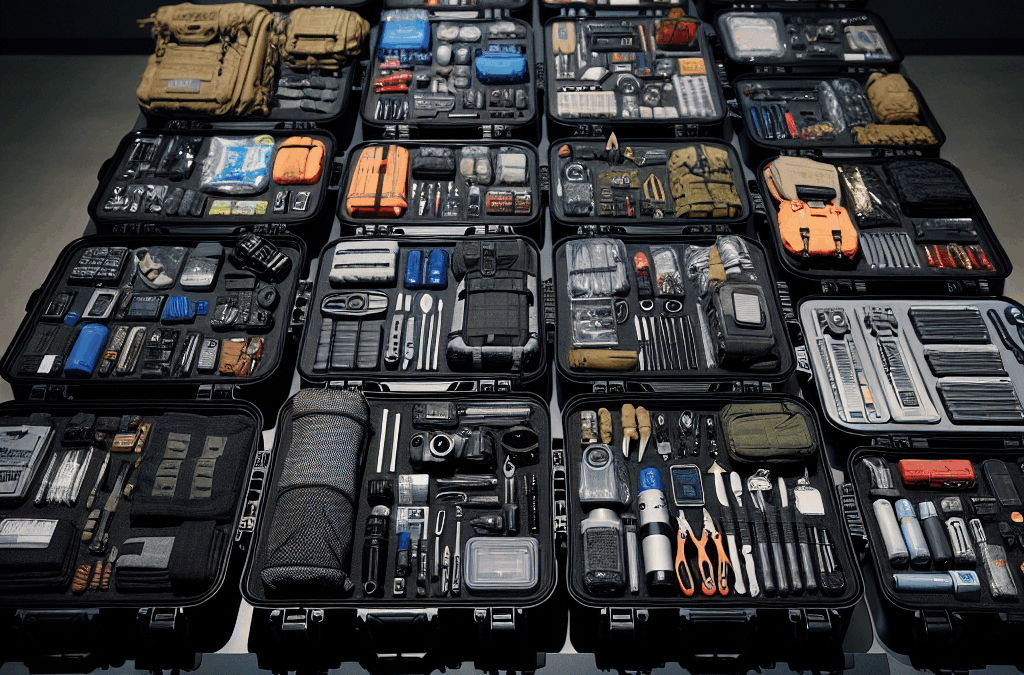
Understanding what to include in your go bag is essential for effective emergency preparedness. Common mistakes include overpacking with unnecessary items, neglecting to update supplies, and failing to consider individual needs, such as medications or dietary restrictions. Prioritize versatile and durable items that can serve multiple purposes, ensuring your go bag is both functional and efficient.
Many people underestimate the importance of regular maintenance and updates for their go bags. Items can expire, and personal circumstances may change, necessitating adjustments in your go bag’s contents. Regularly check and refresh your supplies to ensure they meet your current needs and remain effective in an emergency.
Water: The Most Critical Supply
Water is the most vital item in any go bag. The general recommendation is to have at least one gallon of water per person per day for at least three days. This ensures hydration and helps with sanitation. Consider including water purification tablets or a portable water filter to enhance your options in emergencies.
Many people overlook the importance of water storage. Using durable, BPA-free containers can help ensure that your water supply remains safe and uncontaminated. Additionally, remember to rotate your water supply every six months to maintain freshness.
When creating your water supply, think about accessibility and weight. Opt for lightweight containers that are easy to carry, especially if you need to evacuate quickly. Consider using hydration packs or collapsible water bottles that can save space.
Non-Perishable Food Options
Non-perishable food items are essential for providing energy and sustenance during emergencies. Look for foods that require minimal preparation, such as canned goods, energy bars, and freeze-dried meals. These options are lightweight and can be consumed without cooking.
It’s important to consider dietary restrictions when selecting food items. Including a variety of protein sources, such as nut butter or canned beans, can cater to different nutritional needs. Additionally, opt for foods that are high in calories to ensure adequate energy during stressful situations.
Regularly check the expiration dates on your food items and rotate your supplies to ensure freshness. Pack food in resealable bags or airtight containers to maintain quality and prevent spoilage.
First Aid Kit Essentials
A well-stocked first aid kit is a must-have in any go bag. Essential items include adhesive bandages, antiseptic wipes, gauze pads, and pain relievers. Additionally, consider adding specific medications, such as allergy treatments or personal prescriptions.
Understanding how to use your first aid supplies is just as important as having them. Take a basic first aid course to familiarize yourself with essential techniques and treatments. This knowledge can be invaluable in emergency situations.
Regularly inspect your first aid kit to ensure all items are within their expiration dates and replace any used supplies. Customizing your first aid kit to fit your family’s specific needs can enhance its effectiveness.
Tools and Equipment
Including various tools and equipment in your go bag can significantly enhance your preparedness. Essential items include a multi-tool, flashlight, batteries, and a whistle. These tools can assist in numerous situations, from navigation to signaling for help.
When selecting tools, prioritize durability and multipurpose functionality. For example, a multi-tool can serve as a knife, screwdriver, and can opener, reducing the number of items you need to carry. A reliable flashlight with extra batteries ensures you can navigate in low-light conditions.
Think about the weight and size of your tools, as bulky items can make your go bag cumbersome. Choose compact, lightweight options that still provide the necessary utility.
The Red Cross outlines key components for survival kits, emphasizing the importance of readiness
Frequently Asked Questions
What should I include in a basic go bag?
A basic go bag should include water, non-perishable food, a first aid kit, clothing, and tools like a flashlight and multi-tool.
How often should I update my go bag?
It’s recommended to check and update your go bag every six months, replacing expired items and adjusting contents based on changing needs.
How much water should I pack?
You should pack at least one gallon of water per person per day for at least three days in your go bag.
What types of food are best for a go bag?
Non-perishable foods like canned goods, energy bars, and freeze-dried meals are best for a go bag as they require no cooking and have a long shelf life.
How can I make my go bag lighter?
To lighten your go bag, opt for multi-tools, compact items, and prioritize essential supplies while avoiding unnecessary extras.
Conclusion
Preparing a go bag with basic items is an essential step in emergency preparedness. Focus on including critical supplies such as water, food, first aid kits, and tools that enhance your readiness. Regularly updating your go bag ensures you are equipped to handle unexpected situations effectively. Remember to tailor your go bag contents to your specific needs for maximum efficiency and safety.
Effective readiness involves identifying potential risks, developing contingency plans, and ensuring that necessary resources are in place. Many organizations overlook the importance of regular training and drills, which can lead to confusion during an actual crisis. Furthermore, recovery strategies must focus on not only restoring operations but also addressing the emotional and psychological impacts on those affected.
A common mistake in readiness planning is underestimating the time and resources required for recovery. Organizations often focus solely on immediate response tactics, neglecting the long-term recovery process. Prioritizing a balanced approach between readiness and recovery can significantly enhance overall resilience.
Assessing Risks and Vulnerabilities
Assessing risks and vulnerabilities is the first step in developing a readiness and recovery strategy. This process involves identifying potential threats specific to the organization or community, such as natural disasters, technological failures, or security incidents. Understanding these risks allows for tailored strategies that address the unique challenges faced.
Organizations often fail to conduct thorough risk assessments, leading to unpreparedness for unforeseen events. Regularly updating risk assessments is crucial as new threats emerge. This proactive approach ensures that resources are allocated efficiently, and the most critical vulnerabilities are addressed first.
It’s also essential to engage various stakeholders during the assessment process, as different perspectives can unveil risks that may be overlooked. Collaborative assessments not only enhance understanding but also foster a culture of preparedness within the organization.
Developing a Comprehensive Plan
A comprehensive plan for readiness and recovery outlines the procedures and resources required during a crisis. This plan should detail the roles and responsibilities of team members, communication protocols, and recovery processes. A well-defined plan reduces chaos during an emergency and ensures that everyone knows their specific responsibilities.
One common pitfall is creating a plan that is too rigid or complicated, making it difficult to execute under pressure. Flexibility is vital; plans should allow for adjustments based on the situation’s dynamics. Additionally, involving team members in the planning process can enhance buy-in and ensure that the plan is practical and actionable.
Regular reviews and updates of the plan are necessary to incorporate lessons learned from previous incidents and evolving best practices. This iterative process ensures that the plan remains relevant and effective.
Training and Drills
Training and drills are essential components of readiness and recovery. They provide individuals and teams with the skills and confidence needed to respond effectively during a crisis. Regular practice helps to reinforce the procedures outlined in the comprehensive plan and identifies areas for improvement.
Many organizations underestimate the importance of realistic drills, which can lead to a false sense of preparedness. Drills should simulate real-life scenarios to test the effectiveness of the plan and the team’s response. After-action reviews following drills are crucial for assessing performance and making necessary adjustments.
Incorporating feedback from participants can also enhance training effectiveness. It’s important to create a culture where team members feel comfortable sharing their observations and suggestions for improvement.
Communication Strategies
Effective communication is vital during a crisis. Clear and timely information can mitigate panic and confusion, ensuring that everyone involved understands the situation and their roles. A communication strategy should outline how information will be disseminated to team members, stakeholders, and the public.
Organizations often struggle with communication during emergencies due to a lack of established channels or protocols. Utilizing multiple platforms, such as social media, emails, and text alerts, can enhance reach and ensure that critical information is received by all parties.
Regularly testing communication systems is essential to ensure functionality during a crisis. Feedback from these tests can help refine the communication strategy and ensure it meets the needs of all stakeholders.
Long-Term Recovery and Resilience
Long-term recovery is a critical aspect of readiness and recovery strategies. This phase focuses on restoring normal operations and addressing the broader impacts of the crisis, including emotional and economic factors. A successful recovery plan should consider both immediate needs and long-term sustainability.
Organizations often overlook the importance of mental health support during recovery. Providing resources for emotional well-being can significantly impact the overall recovery process. Additionally, evaluating the effectiveness of the recovery efforts is crucial for future preparedness.
Building resilience involves fostering a culture of continuous improvement and learning from past experiences. Organizations should prioritize adaptability and innovation to enhance their readiness for future crises.
Provides guidelines and resources for public health emergency preparedness
Frequently Asked Questions
What is the importance of readiness and recovery?
Readiness and recovery are crucial for minimizing the impact of crises, ensuring swift responses, and restoring normal operations efficiently.
How often should organizations update their readiness plans?
Organizations should review and update their readiness plans at least annually or after any significant incident or change in operations.
What are common mistakes in crisis management?
Common mistakes include inadequate training, poor communication strategies, and failing to consider long-term recovery needs.
How can organizations ensure effective communication during a crisis?
Establishing clear communication protocols, using multiple platforms, and conducting regular tests can enhance communication effectiveness during crises.
What role does mental health play in recovery?
Mental health support is essential during recovery, helping individuals cope with emotional stress and facilitating a smoother transition back to normalcy.
Conclusion
In conclusion, readiness and recovery are critical components of effective crisis management. Organizations must prioritize risk assessments, comprehensive planning, and effective communication to enhance their preparedness. Regular training and a focus on long-term recovery will ensure that organizations not only respond effectively to crises but also emerge stronger and more resilient. By fostering a culture of preparedness, organizations can significantly reduce the impact of future crises and ensure a swift return to normal operations.
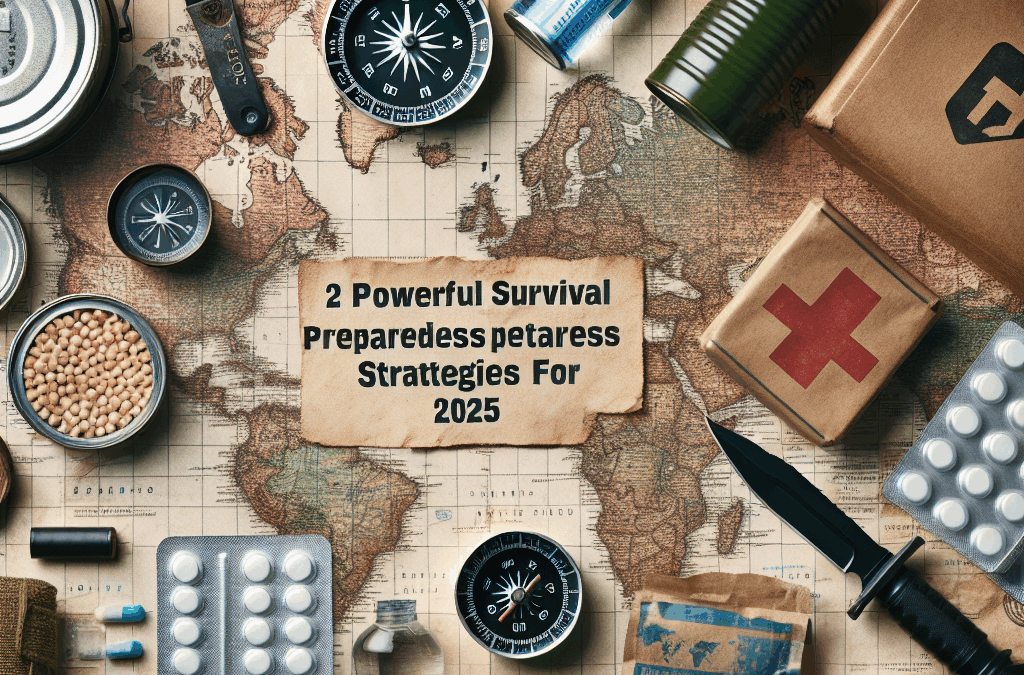
Understanding what you need for survival goes beyond simply gathering items; it involves prioritizing the essentials that cater to your unique circumstances. For instance, if you live in an area prone to natural disasters, your kit should include items that address those specific threats, like a whistle for signaling in case of a collapse or a portable phone charger. Common mistakes include overlooking the importance of fresh water and underestimating the shelf-life of food supplies.
Many people assume that they can grab supplies at the last minute, but this is often a miscalculation. Emergencies can strike without warning, leaving little time for preparation. It’s essential to regularly review and update your survival kit to account for expired items and changing needs. Prioritization of what to include can also depend on the number of people in your household and their specific needs, such as medication or dietary restrictions.
Water: The Most Critical Resource
Water is arguably the most critical resource in any survival situation. Humans can only survive a few days without water, making it essential to have a sufficient supply on hand. A general rule of thumb is to store at least one gallon of water per person per day for at least three days.
When preparing your emergency supply, consider how you will store and purify water. Bottled water is a straightforward option, but it can take up significant space. Alternatively, you can use water purification tablets or filters to make water from natural sources safe to drink. Prioritizing water storage and purification methods can greatly enhance your chances of survival.
Many people underestimate their water needs, especially in hot climates or during physical exertion. It’s vital to assess your situation and adjust your water supplies accordingly. Additionally, remember to replace stored water every six months to ensure freshness.
Food Supplies: Nutritional Needs in Emergencies
When it comes to food supplies for survival, focus on non-perishable items that provide sufficient nutrition. Canned goods, dried fruits, nuts, and energy bars are excellent options. Aim for a variety of foods to ensure a balanced diet, especially if you expect to be in a survival situation for an extended period.
While stockpiling food, consider the dietary restrictions of your household. If someone has allergies or specific health needs, make sure to include suitable options. Diversifying your food supplies not only keeps meals interesting but can also prevent nutrient deficiencies.
A common pitfall is neglecting to rotate food supplies, leading to expired items. Regularly check expiration dates and replace old food to maintain a viable emergency food stock. In addition, practice cooking or preparing your emergency food options ahead of time to ensure familiarity with them during a crisis.
First-Aid Kits: Essential Medical Supplies
A well-stocked first-aid kit is crucial for addressing injuries or health issues that may arise during emergencies. Your kit should include bandages, antiseptics, pain relievers, and any necessary prescription medications. It’s advisable to customize your first-aid kit based on personal and family health needs.
Many people overlook the importance of training in first aid. Knowing how to use the supplies in your kit can be as important as having them on hand. Consider taking a first-aid course to feel confident in your ability to respond to medical emergencies.
In addition, remember to regularly check your first-aid supplies for expiration dates, replacing any items that are no longer usable. This practice ensures that you are always prepared for emergencies.
Tools and Equipment: What You Should Have
Beyond food and water, specific tools and equipment can enhance your survival chances. A multi-tool or knife can serve multiple purposes, from food preparation to repairs. Flashlights and extra batteries are also essential, as they provide light during power outages or when navigating dark environments.
Consider including a portable phone charger or solar charger in your survival kit to maintain communication during emergencies. This can be crucial for receiving updates or calling for help.
Many individuals forget to prepare for the possibility of being stranded outdoors. Having a whistle, a fire starter, and a basic map of your area can be lifesaving in such situations. Prioritize selecting tools that are durable and versatile, as they can make a significant difference in your ability to cope with emergencies.
Public health guidance for emergencies, disasters, and recovery situations.
Frequently Asked Questions
What are the most important items to include in a survival kit?
Essential items include water, non-perishable food, a first-aid kit, a flashlight, multi-tools, and personal hygiene supplies.
How much water should I store for emergencies?
Store at least one gallon of water per person per day for at least three days to ensure adequate hydration.
How often should I check my survival supplies?
It’s recommended to check your supplies every six months to replace expired items and ensure everything is in working order.
Can I use regular food items in my survival kit?
Yes, but focus on non-perishable items with long shelf lives, such as canned goods, dried fruits, and energy bars.
Is it necessary to have a first-aid kit?
Yes, a first-aid kit is essential for treating injuries and managing health issues during emergencies.
Conclusion
In conclusion, knowing what you need for survival is essential for effective emergency preparedness. Water, food, a first-aid kit, and essential tools must be prioritized. Regularly reviewing and updating your supplies ensures you are always prepared for unexpected situations. Tailor your kit to your specific risks and household needs, and take proactive steps to enhance your chances of survival.
One of the first actions to take is to assess your home and identify potential vulnerabilities. Ensure that your windows and doors are secure, and consider reinforcing them if necessary. Additionally, having a detailed inventory of emergency supplies, including non-perishable food, water, medications, and first-aid items, will help you respond effectively during a storm.
Moreover, it’s vital to stay updated on storm forecasts and warnings through reliable sources. Many people mistakenly underestimate the severity of storms, leading to inadequate preparation. Prioritize gathering information from trusted weather services and local authorities to make informed decisions about evacuation and safety measures.
Assessing Your Home for Vulnerabilities
Assessing your home for vulnerabilities is a critical first step in storm preparation. Look for areas that may be susceptible to wind, flooding, or debris damage. This includes checking your roof, windows, and doors for weaknesses. Reinforcing these areas can significantly reduce the risk of damage.
Common mistakes include ignoring minor repairs, which can lead to major issues during a storm. Make necessary repairs ahead of time and consider investing in storm shutters or impact-resistant windows for additional protection. Prioritize securing outdoor items that could become projectiles in high winds, such as patio furniture and garden tools.
It’s also advisable to create a clear evacuation route and familiarize your family with it. Many homeowners overlook this step, believing they will have time to figure things out during an emergency. Having a plan in place can save valuable time and reduce panic.
Essential Supplies to Gather
Gathering essential supplies is a fundamental aspect of getting prepared before a storm. Create a checklist of items you need, including at least a three-day supply of water and non-perishable food. Additionally, include items like flashlights, batteries, a first-aid kit, and necessary medications.
One common pitfall is underestimating the importance of having enough water and food. Many people may think they can rely on stores remaining open, but in severe storms, supply chains can be disrupted. Prioritize stocking up on essentials well in advance of a storm to avoid last-minute panic buying.
Consider also including important documents in a waterproof container, such as insurance papers, identification, and medical records. This can prevent complications in the aftermath of a storm when access to these documents may be limited.
Creating an Emergency Plan
Creating an emergency plan is essential for effective storm preparedness. This plan should include clear communication strategies for family members, including how to reach each other during a storm and where to meet if evacuation becomes necessary.
Many families overlook the importance of communication during emergencies. Ensure all family members are aware of the plan and practice it together. Assign roles, such as who is responsible for gathering supplies or checking on neighbors, to streamline your response.
Additionally, consider special needs for pets and elderly family members. Make arrangements for their safety and ensure that all supplies needed for their care are included in your emergency preparations.
Staying Informed During a Storm
Staying informed during a storm is critical for making timely decisions. Utilize multiple sources for updates, including local news, weather apps, and official government alerts. This ensures you receive accurate and timely information about the storm’s progress.
A common mistake is relying solely on one source of information, which can lead to misinformation. Set up alerts on your phone for emergency notifications and follow local agencies on social media for real-time updates. Being proactive can help you prepare for changes in the storm’s trajectory or intensity.
Additionally, consider having a battery-operated radio as a backup for receiving information if power goes out. This allows you to stay updated on emergency instructions and safety advisories when other communication methods may fail.
Features guidelines on preparing for storms and what to do during and after one
Frequently Asked Questions
What should I include in my emergency supply kit?
Your emergency supply kit should include water, non-perishable food, a flashlight, batteries, a first-aid kit, and any necessary medications.
How can I secure my home before a storm?
To secure your home, check and reinforce windows and doors, secure outdoor items, and consider installing storm shutters.
What is the best way to stay informed during a storm?
Utilize multiple sources such as weather apps, local news, and emergency alerts to stay updated on the storm’s progress.
Should I evacuate before a storm?
If local authorities recommend evacuation, it is crucial to follow their guidance to ensure your safety.
What common mistakes should I avoid when preparing for a storm?
Avoid underestimating the storm’s severity, neglecting to secure your home, and failing to gather enough supplies in advance.
Conclusion
Preparing for a storm is an essential responsibility that can significantly impact your safety and well-being. Focus on assessing your home, gathering essential supplies, and creating a comprehensive emergency plan. Stay informed through trusted sources and prepare for the unexpected. By prioritizing these steps, you can enhance your readiness and reduce the risks associated with storms. Take the time to prepare now, and you’ll be better equipped to handle whatever weather challenges come your way.
One of the first steps is to identify the specific risks your family may face, such as natural disasters, medical emergencies, or other unforeseen events. Understanding these risks allows you to tailor your emergency plan accordingly, ensuring that all family members are aware of the potential scenarios they might encounter. Additionally, a clear communication strategy is vital; everyone should know how to reach one another and where to meet if separated.
It’s also crucial to regularly review your emergency plan and conduct practice drills. This helps to ensure that all family members, including children, are familiar with their roles and responsibilities during an emergency. By involving everyone in the planning and practice, you create a sense of ownership and preparedness.
Assessing Risks and Needs
Start by evaluating the specific risks that your family may face based on your location and lifestyle. This includes considering natural disasters like earthquakes, floods, or hurricanes, as well as man-made emergencies such as fires or civil unrest. Understanding these risks can help prioritize the types of preparations you need to make.
For instance, if you live in an area prone to hurricanes, focus on creating a plan that addresses evacuation routes and shelters. Conversely, if wildfires are a concern, consider how to protect your home and create a defensible space. Be sure to include any special needs your family members may have, such as medical conditions or mobility issues.
Common mistakes in this phase include underestimating local hazards or assuming that emergencies won’t happen to your family. It’s essential to take a proactive approach and consider various scenarios during your assessment.
Creating a Family Emergency Plan
Your family emergency plan should detail how your family will respond to different types of emergencies. It should include information on how to communicate with each other, where to meet, and what to do in various situations.
Start by setting up a family communication plan that includes contact information for all family members and a designated meeting place. This should be a location that everyone can easily access and remember, whether it’s a neighbor’s house or a local park. Ensure that all family members understand the plan and feel comfortable executing it.
It’s also important to factor in contingencies for different scenarios. For example, if a family member is at work or school during an emergency, how will they get home? Having a clear plan can alleviate confusion and anxiety during a crisis.
Assembling an Emergency Kit
An emergency kit is a crucial component of your family’s preparedness. It should contain essential supplies to sustain your family for at least 72 hours during a crisis.
Include items such as non-perishable food, water, a flashlight, batteries, a first aid kit, medications, and important documents. Consider the unique needs of your family when assembling your kit, such as including baby supplies or pet food if applicable.
Regularly check and update your emergency kit to ensure that all items are in good condition and not expired. A common oversight is neglecting to rotate food and medications, which can lead to waste and unpreparedness.
Practicing Your Emergency Plan
Practicing your emergency plan is essential to ensure that all family members know what to do when an actual emergency occurs. Regular practice helps solidify the plan in everyone’s mind and can reduce panic during real situations.
Schedule regular drills that simulate different emergency scenarios, such as fire evacuations or severe weather responses. Discuss what went well during the drills and what could be improved. Encourage family members to ask questions and voice concerns about the plan.
One common mistake is failing to conduct these drills regularly, leading to confusion and uncertainty when an emergency arises. Make it a family activity to ensure everyone is engaged and aware of their responsibilities.
Provides information on disaster preparedness and recovery resources
Frequently Asked Questions
What should be in an emergency kit?
An emergency kit should include non-perishable food, water, a flashlight, batteries, a first aid kit, medications, and important documents.
How often should I review my emergency plan?
It’s recommended to review your emergency plan at least once a year or after any significant life changes, such as moving or a new family member.
What are common mistakes in emergency preparedness?
Common mistakes include underestimating local hazards, neglecting to update emergency kits, and failing to practice emergency plans regularly.
How can I involve children in emergency preparedness?
Involve children by explaining the emergency plan, assigning them roles, and conducting practice drills to help them understand their responsibilities.
What is the first step in preparing for emergencies?
The first step is to assess the specific risks your family may face and identify the resources you’ll need to address those risks effectively.
Conclusion
In conclusion, preparing your family for emergencies requires a systematic approach that includes assessing risks, creating a detailed emergency plan, assembling an emergency kit, and practicing your plan regularly. Prioritize clear communication and involve all family members in the preparation process. This proactive stance not only enhances safety but also fosters confidence and resilience in your family. Start today by taking small steps towards comprehensive preparedness, and you’ll be better equipped to handle any emergency that may arise.
Prioritizing the right supplies is crucial. Many people assume that simply having a first aid kit is enough, but effective emergency response requires a comprehensive approach. This includes not only medical supplies but also food, water, and communication devices. Additionally, understanding how to use these supplies effectively can prevent panic and confusion when a crisis strikes.
A common mistake in emergency preparedness is underestimating the importance of a well-structured plan. Relying solely on supplies without a clear action plan can lead to chaos during emergencies. It is essential to regularly review and practice emergency procedures, ensuring all family members understand their roles and responsibilities.
Critical Supplies for Emergency Preparedness
Having the right supplies is the cornerstone of effective emergency response. Essential items include first aid kits, non-perishable food, bottled water, flashlights, batteries, and communication devices like radios. Each of these components plays a critical role in ensuring safety and survival during crises.
Many people overlook the importance of having a diverse range of supplies. For example, a first aid kit should contain more than just band-aids; it should include antiseptics, gauze, and medications for common ailments. Similarly, food supplies should be varied and cater to family members’ dietary restrictions.
It’s also important to regularly check and replenish supplies. Items like food and medications can expire, rendering them useless in an emergency. Setting a schedule for inventory checks can help maintain preparedness and ensure that all supplies are in good condition.
Effective Communication Strategies
Communication during an emergency can often make or break the response effort. Developing a communication plan that includes multiple channels—such as cell phones, landlines, and two-way radios—ensures that you can stay connected with family members and emergency services.
Many people fail to account for the possibility of network outages during crises. Therefore, having a backup communication method, like a family meeting point or a whistle, is crucial. This redundancy can prevent separation and ensure everyone knows how to reach each other.
Establishing a clear communication protocol can also alleviate anxiety during emergencies. Regularly discussing your plan with family members and practicing it can prepare everyone for real situations, reducing panic and confusion.
Local Emergency Protocols and Resources
Understanding local emergency protocols is critical for effective response. Each community has specific resources and guidelines that can aid in crisis situations. Familiarize yourself with local emergency services, shelters, and evacuation routes.
Many individuals overlook the importance of local resources, assuming that help will be readily available during a crisis. However, knowing where to go and what to do can save valuable time. Local emergency management offices often provide critical information and training sessions that can enhance preparedness.
Additionally, staying informed about potential risks in your area, such as floods or wildfires, can help tailor your emergency response plan. Regularly attending community meetings and workshops can deepen your understanding of local protocols.
Common Mistakes to Avoid
While preparing for emergencies, it is easy to make mistakes that can hinder effective response. One common error is over-reliance on technology. Many people assume that smartphones will always work, but during a crisis, networks can become overwhelmed or fail entirely.
Another frequent mistake is neglecting to practice emergency plans. Families often create plans but fail to rehearse them, leading to confusion when they are needed most. Regular drills can help reinforce roles and responsibilities, ensuring that everyone knows what to do.
Finally, many individuals do not tailor their emergency kits to their specific needs. It’s essential to consider dietary restrictions, medical conditions, and the ages of family members when assembling supplies. Customizing your emergency response essentials can significantly improve your readiness.
Offers health-focused resources for preparing for emergencies and disasters, including health risks and safety tips
Frequently Asked Questions
What should I include in my emergency kit?
Your emergency kit should include first aid supplies, non-perishable food, bottled water, flashlights, batteries, and a battery-operated radio.
How often should I check my emergency supplies?
It’s recommended to check your emergency supplies every six months to ensure that items are not expired and are in good condition.
What is the best way to communicate during an emergency?
Establish a communication plan that includes multiple methods, such as cell phones, landlines, and two-way radios, to ensure connectivity.
Why is it important to have a family emergency plan?
A family emergency plan ensures that all members know their roles and responsibilities, reducing confusion and panic during a crisis.
What local resources should I be aware of?
Familiarize yourself with local emergency services, shelters, and evacuation routes specific to your community to enhance your preparedness.
Conclusion
In summary, being prepared for emergencies requires understanding the essential supplies, effective communication strategies, and local resources. Avoiding common mistakes such as over-reliance on technology and neglecting to practice your emergency plans can significantly improve your readiness. By prioritizing a tailored approach to emergency response essentials, you can ensure that you and your family are well-equipped to handle crises effectively. Regularly updating your supplies and practicing your response plan will make all the difference when faced with unexpected situations.