A practical interpretation of readiness involves understanding the specific threats one may face based on geographical location, community resources, and personal circumstances. For instance, individuals living in flood-prone areas should focus on different preparedness strategies than those in regions susceptible to wildfires. Common mistakes include underestimating the need for comprehensive plans or failing to regularly update emergency kits and plans as circumstances change.
Moreover, many people overlook the importance of mental preparedness. Developing a mindset that embraces adaptability and resilience can be just as crucial as having the physical supplies needed for survival. Training and practicing emergency responses can help individuals and families respond more effectively under pressure, highlighting the tradeoffs between merely having supplies and being mentally equipped to use them.
Assessing Risks for Effective Preparedness
To effectively prepare for emergencies, assessing the risks specific to your location and lifestyle is essential. This involves researching local hazards, such as earthquakes, floods, or civil unrest, and understanding how they can impact your community. By identifying these risks, individuals can tailor their preparedness strategies accordingly.
For instance, someone living in a coastal area may need to focus on hurricane preparedness, including evacuation routes and flood defenses, while a resident in a wildfire zone should prioritize fire-resistant landscaping and home hardening. Many overlook the need for regular assessments, assuming that once they have a plan, it remains valid indefinitely. In reality, changes in climate, urban development, and personal circumstances necessitate ongoing evaluations.
Building an Emergency Plan
Creating a comprehensive emergency plan is a critical step in readiness and survival. This plan should outline specific actions to take during various emergencies, including communication methods, evacuation routes, and designated meeting points. It’s important to involve all family members in this planning process to ensure everyone understands their roles.
Additionally, practicing the plan through drills can help identify weaknesses and improve response times. One common pitfall is neglecting to account for pets or special needs individuals in the planning process, which can lead to confusion or delays during an actual emergency. Prioritize inclusivity in your planning to enhance overall effectiveness.
Thank you for reading this post, don't forget to subscribe NOW for FREE!

Essential Survival Skills to Acquire
Survival skills are invaluable in emergency situations. Skills such as first aid, fire starting, water purification, and navigation can make a significant difference in survival outcomes. These skills not only provide practical benefits but also build confidence and self-reliance.
Many people mistakenly believe that survival skills are only necessary for outdoor enthusiasts or those in remote areas. However, urban environments also present unique survival challenges, such as navigating through disrupted infrastructure or managing scarce resources. Start with basic first aid training and gradually expand your skill set through workshops or online courses.
Common Mistakes in Readiness and Survival
Despite good intentions, many individuals make critical mistakes in their preparedness efforts. One prevalent error is failing to maintain and update emergency supplies, leading to expired items or outdated plans. Additionally, individuals often underestimate the importance of mental preparedness, neglecting to practice scenarios that can help reduce panic during real emergencies.
Another common mistake is overlooking the importance of community resources and connections in readiness efforts. Building relationships with neighbors and local organizations can enhance collective preparedness and provide additional support during crises. Prioritize establishing a support network to strengthen your overall readiness.

Further Reading
Authoritative Sources
- Ready.gov
ready.govA comprehensive resource for emergency preparedness information and planning tools
- American Red Cross: Prepare for Emergencies
redcross.orgOffers resources and guidelines for creating personal emergency plans and understanding disaster preparedness
- FEMA: Emergency Management
fema.govProvides information on federal emergency management resources and preparedness initiatives
- NOAA: Weather Safety
nssl.noaa.govA resource for understanding weather-related emergencies and safety measures to take
Frequently Asked Questions
What should I include in my emergency kit?
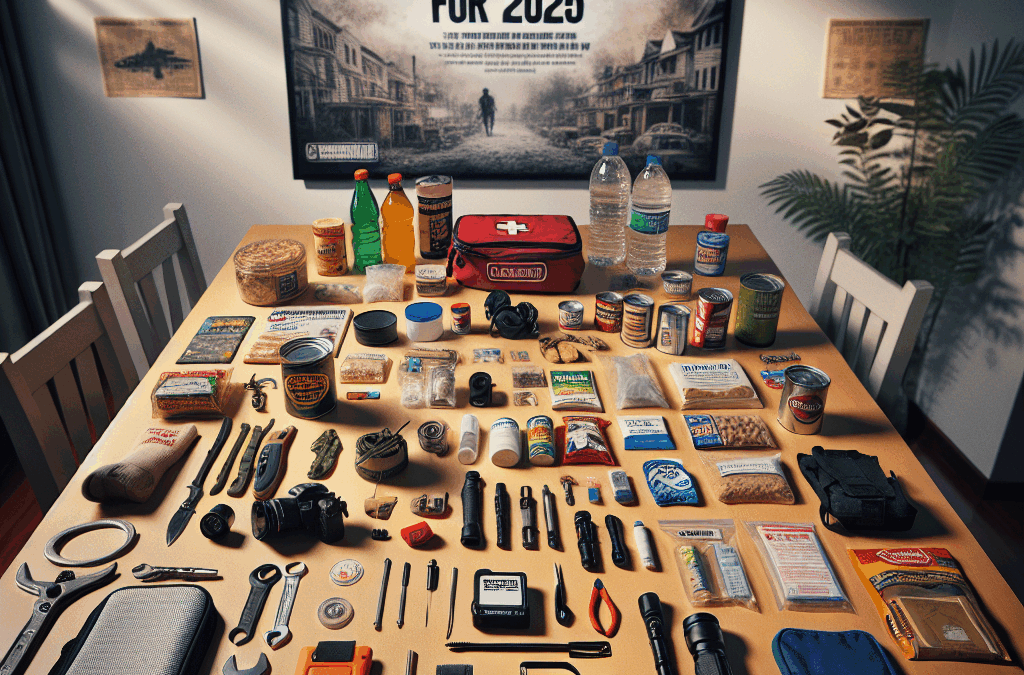
Your emergency kit should include water, non-perishable food, a flashlight, batteries, a first aid kit, important documents, and any necessary medications.
How often should I update my emergency plan?
It’s advisable to review and update your emergency plan at least once a year or whenever there are significant changes in your circumstances or location.
What are some common misconceptions about emergency preparedness?
Many people believe that emergency preparedness is only necessary for natural disasters, but emergencies can arise from various sources, including health crises and civil unrest.
Why is mental preparedness important?
Mental preparedness helps individuals remain calm and focused during emergencies, allowing them to respond more effectively to stressful situations.
How can I involve my family in emergency planning?
Involve your family by discussing potential risks, creating a plan together, and practicing emergency drills to ensure everyone understands their roles.
Conclusion
Prioritizing readiness and survival is essential in today’s unpredictable environment. By assessing risks, building comprehensive emergency plans, acquiring vital survival skills, and avoiding common mistakes, individuals can significantly enhance their preparedness. Remember that effective preparedness combines both physical resources and mental resilience. Engage your family and community in these efforts to foster a supportive network that can better withstand emergencies. Take proactive steps today to ensure you and your loved ones are equipped to handle whatever challenges may arise.
Related Content
- When should I start preparing for long-term crises?
- What’s the most effective way to fortify my home during a crisis?
- The Role of Communication in Crisis Preparedness
- Positive Preparedness: Overcoming Adversity with Confidence
- The Importance of Testing Your Emergency Gear Regularly: Ensuring Reliability and Safety




