Begin by assessing your household’s needs and potential emergency scenarios, such as natural disasters or prolonged power outages. A good rule of thumb is to store enough food and water to last at least two weeks for each family member.
It’s also important to think about cooking methods during an emergency; ensure you have a portable stove or a reliable way to heat food. Regularly check your supplies to replace any expired items and adapt your stock based on changing needs or family members.
Understanding Emergency Needs
Recognizing the types of emergencies you might face is crucial for effective preparation. Natural disasters, pandemics, and unforeseen events can disrupt access to food and essential services. By understanding your specific risks, such as local weather patterns or infrastructure vulnerabilities, you can tailor your stock to meet those challenges. For instance, if you live in an area prone to hurricanes, focus on items that are easy to store and require minimal preparation.
It’s also vital to consider the unique needs of your household. Families with children, elderly members, or pets will require specific items that cater to their dietary and medical needs. Taking a personalized approach helps ensure that your emergency stock is not only sufficient but also relevant to your situation.
Essential Food Items for Emergencies
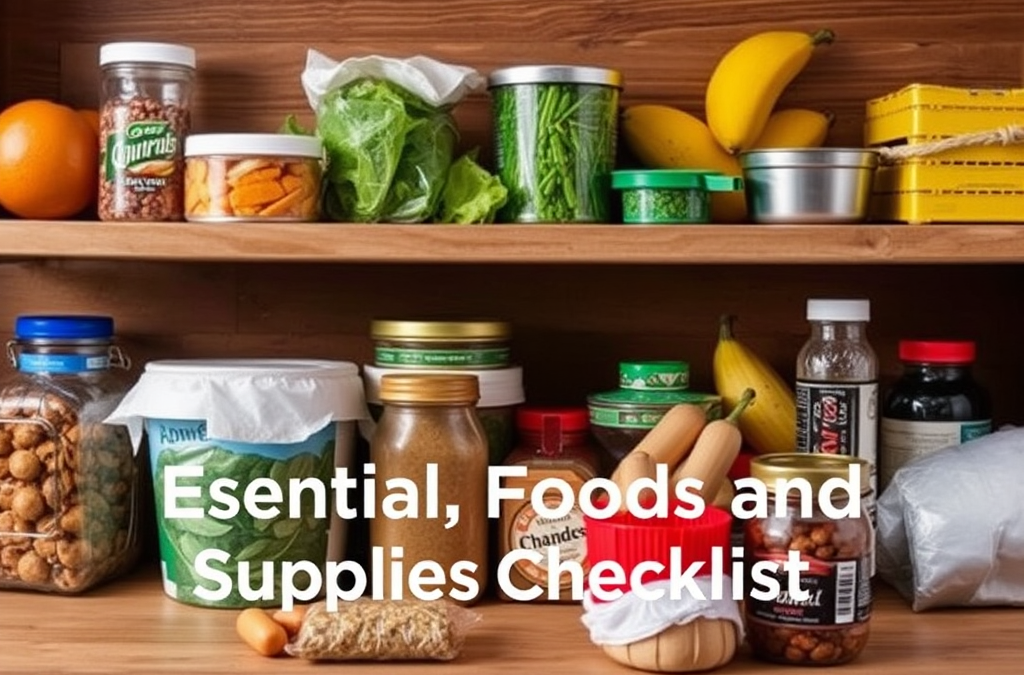
When stocking food for emergencies, prioritize non-perishable items that provide both nutrition and energy. Canned goods, such as beans, vegetables, and meats, are excellent choices due to their long shelf life and ease of use. Additionally, consider including items like rice, pasta, and oatmeal, which can be easily prepared and stored.
Here’s a quick list of essential food items to include:
Canned vegetables and fruits
Dried beans and lentils
Whole grains like rice and quinoa
Nut butter and nuts
Powdered milk or shelf-stable dairy alternatives
High-energy snacks like granola bars
Ensure that you have a variety of foods to prevent monotony and maintain morale during emergencies. Rotate your stock regularly to keep it fresh and avoid waste.
Non-Food Supplies to Consider
Adequate food is only part of emergency preparedness; non-food supplies are equally crucial. Stock first aid kits with essential medications, bandages, and antiseptics to address minor injuries. Additionally, include hygiene products such as soap, hand sanitizer, and toilet paper to maintain cleanliness during extended periods without utilities.
Consider adding the following non-food items to your emergency stock:
Flashlights and batteries
Portable cooking equipment
Multi-tools or basic repair kits
Blankets and warm clothing
Water purification tablets
These supplies can make a significant difference in your comfort and safety during an emergency situation.
Common Mistakes When Stocking
Many individuals make critical mistakes when preparing their emergency stock. One common error is underestimating the amount of food needed; failing to account for individual caloric needs can leave you short on essential nutrients. Another mistake is neglecting to regularly update and rotate supplies, leading to expired or spoiled items.
To avoid these pitfalls, regularly assess your stock and adjust based on the number of family members and their specific dietary needs. Establish a schedule to review and refresh your supplies, ensuring that you maintain a reliable emergency stock.
Academic search resource for finding research literature and source material
Frequently Asked Questions
What are the most important items to stock for emergencies?
The most important items include non-perishable food, water, first aid kits, batteries, and hygiene products.
How much water should I store for emergencies?
Store at least one gallon of water per person per day for at least two weeks.
How often should I check my emergency supplies?
Check your emergency supplies every six months to ensure items are not expired and are still in good condition.
Can I use my regular pantry items for emergencies?
Yes, but focus on non-perishable items that have a long shelf life and require minimal preparation.
What should I do if I have special dietary needs?
Include specialized food items that cater to dietary restrictions, such as gluten-free or vegan options.
Conclusion
In conclusion, effective emergency stocking requires careful planning and consideration of both food and non-food items tailored to your household’s needs. Prioritize non-perishable foods and essential supplies that can sustain you during crises. Regularly review and refresh your stock to ensure its reliability. By proactively preparing, you can navigate emergencies with confidence and security.
Ensure that your supplies are stored in a designated location, making them easy to reach quickly. Additionally, consider including items like flashlights, batteries, a whistle, and personal hygiene products, which can enhance safety and comfort during an evacuation.
When creating an evacuation preparedness checklist, it is crucial to include essential items that will support your safety and well-being. consider including items like flashlights, batteries, a whistle, and personal hygiene products, which can enhance safety and comfort during an evacuation.
Essential Items for Your Checklist
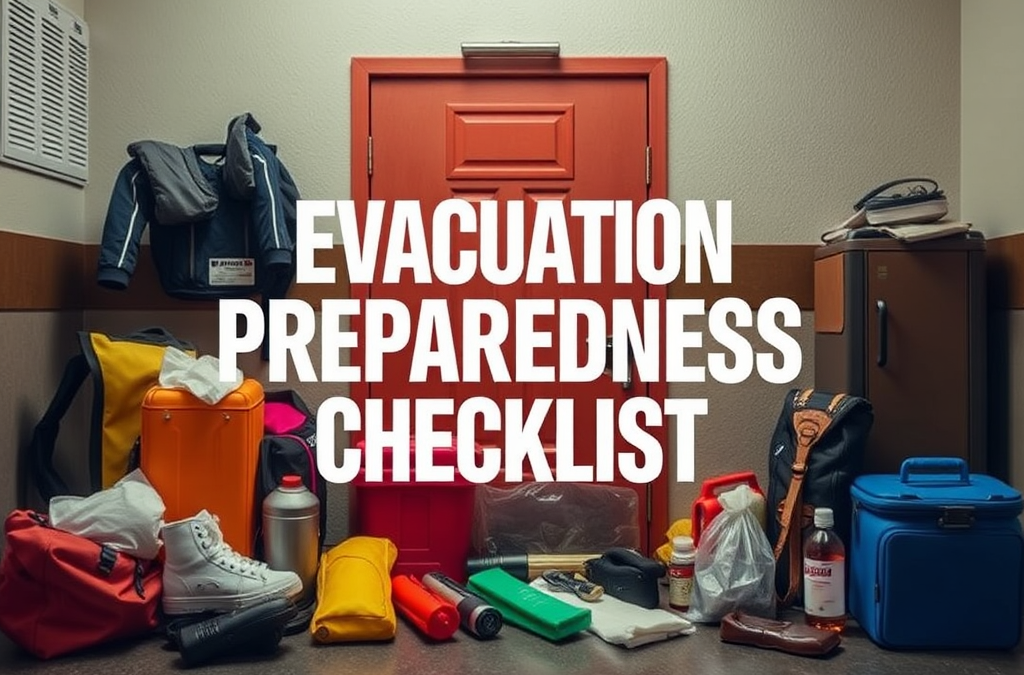
When creating an evacuation preparedness checklist, it is crucial to include essential items that will support your safety and well-being. Key items typically include a first-aid kit, sufficient water (at least one gallon per person per day), non-perishable food, and important personal documents such as identification and insurance papers. Additionally, consider including a flashlight, batteries, a multi-tool, and personal hygiene items.
Make sure to tailor your checklist based on personal needs, such as medications for chronic conditions or supplies for infants or pets. A well-prepared checklist not only ensures you have what you need but also provides peace of mind, knowing that you have taken steps to protect yourself and your loved ones.
Organizing Your Evacuation Supplies
Effective organization of your evacuation supplies can make a significant difference during a crisis. Store all items in a sturdy, clearly labeled container or backpack that can be easily grabbed when it’s time to leave. Group similar items together, such as medical supplies, food, and personal documents, to streamline access under pressure.
Consider designating a specific location in your home for these supplies, ensuring all household members know where to find them. Regularly checking the contents of your evacuation kit will help keep it fresh and ensure nothing is expired or missing. This proactive approach can save valuable time during an actual emergency.
Common Mistakes to Avoid
One of the most frequent mistakes people make regarding evacuation preparedness is not practicing evacuation drills. Without practice, individuals may not be familiar with the route to safety or how to access their supplies quickly. Additionally, neglecting to consider the unique needs of all family members can lead to critical oversights.
Another mistake is assuming that you have enough supplies without actually verifying the quantities. It is essential to conduct regular inventory checks to ensure your evacuation kit remains adequately stocked. Keeping an up-to-date checklist can help avoid these common pitfalls and ensure a smoother evacuation process.
Updating Your Checklist Regularly
Regularly updating your evacuation preparedness checklist is vital to ensure it remains relevant and effective. Changes in family dynamics, such as the arrival of a new baby or a pet, require adjustments to your supplies. Seasonal changes may also necessitate different items, such as warmer clothing or additional food supplies.
Schedule a routine review of your checklist at least twice a year, or more frequently if you experience significant life changes. This practice will help you stay prepared and avoid panic during an emergency, allowing for a safer and more efficient evacuation.
National preparedness resources for planning, mitigation, and response readiness
Frequently Asked Questions
What should be included in a basic evacuation preparedness checklist?
A basic evacuation checklist should include first-aid supplies, water, non-perishable food, important documents, flashlights, batteries, and personal hygiene items.
How often should I update my evacuation checklist?
Your evacuation checklist should be reviewed and updated at least twice a year or whenever significant changes occur in your household.
Why is practicing evacuation drills important?
Practicing evacuation drills helps ensure that all household members are familiar with the evacuation route and know how to access emergency supplies quickly during an actual emergency.
What are common mistakes people make with evacuation preparedness?
Common mistakes include not practicing evacuation drills, neglecting individual needs, and assuming they have enough supplies without verification.
How can I organize my evacuation supplies effectively?
Organize your supplies in a clearly labeled container or backpack, group similar items together, and designate a specific location in your home for quick access.
Conclusion
In summary, having a well-prepared evacuation checklist is crucial for ensuring safety during emergencies. Focus on including essential items, organizing your supplies effectively, and regularly updating your checklist to reflect any changes in your household. By avoiding common mistakes and practicing evacuation drills, you can enhance your readiness for any situation. Take the time to prepare now, and you will be better equipped to handle emergencies when they arise.
Many people overlook the importance of regular training and updating their emergency plans based on their circumstances. A well-prepared individual not only has access to food, water, and medical supplies but also possesses the knowledge to use them effectively. The first step is to assess your individual or family needs, which will guide your planning and resource allocation.
Additionally, consider the potential scenarios you might face. Different emergencies require varying responses, and understanding these distinctions is crucial. For instance, a wildfire evacuation plan will differ significantly from a response plan for an earthquake. Therefore, prioritize creating a flexible, adaptable plan that can be modified based on the situation you encounter.
The direct answer to Basic Survival Readiness: Essential Steps for Emergency Preparedness depends on basic, survival, readiness and the specific conditions described in the article. Many people overlook the importance of regular training and updating their emergency plans based on their circumstances.
Establishing a Comprehensive Emergency Plan
The foundation of basic survival readiness is a well-structured emergency plan that outlines specific actions to take during various scenarios. This plan should include evacuation routes, meeting points, and essential contacts. A clear, concise emergency plan can drastically improve your response time and effectiveness during a crisis.
Moreover, regularly practicing your emergency plan is equally important. Conduct drills with your family to ensure everyone understands their roles and responsibilities. This practice not only builds confidence but also highlights any weaknesses in your plan, allowing for adjustments to be made before an actual emergency occurs.
Essential Supplies for Survival
Having the right supplies on hand is critical for survival in an emergency. Basic supplies should include non-perishable food, clean water, first aid kits, flashlights, batteries, and personal hygiene items. Additionally, consider including tools, blankets, and any necessary medications.
It’s imperative to regularly check and update your supplies. Many people make the mistake of assuming their emergency kits are always ready to go. Rotating food and ensuring that all items are functional and within expiration dates is crucial to maintaining readiness.
Training and Skill Development
Basic survival readiness requires more than just having supplies; it also involves developing essential survival skills. Consider taking courses in first aid, CPR, and wilderness survival. These skills can be invaluable in emergencies and can make the difference between life and death.
Regularly practicing these skills ensures that they become second nature. Engaging with local survival groups or attending workshops can provide both knowledge and community support. Many people underestimate the importance of training, believing that supplies alone will suffice.
Communication Strategies
Effective communication during emergencies is vital for coordinating efforts and ensuring the safety of loved ones. Establish a communication plan that includes how family members will reach each other during a crisis. This plan should encompass various scenarios, such as power outages or loss of cell service.
Include alternative communication methods, such as two-way radios or pre-established meeting points, to ensure everyone can connect when technology fails. Regularly review and update this plan to adapt to changing circumstances and ensure everyone is informed.
Insights into essential survival skills and training resources
Frequently Asked Questions
What is basic survival readiness?
Basic survival readiness involves preparing for emergencies by having a plan, necessary supplies, and survival skills.
Why is an emergency plan important?
An emergency plan provides clear steps to follow during a crisis, improving response time and safety.
What should be included in a survival kit?
A survival kit should include food, water, medical supplies, tools, and personal hygiene items.
How often should I update my emergency supplies?
Regularly check and update supplies at least every six months to ensure they are functional and not expired.
What survival skills should I learn?
Consider learning first aid, CPR, and wilderness survival skills to enhance your readiness.
Conclusion
Basic survival readiness is essential for effectively navigating emergencies and ensuring the safety of yourself and your loved ones. Prioritize establishing a comprehensive emergency plan, gathering necessary supplies, and developing survival skills. Regularly review and update your strategies to adapt to changing circumstances and maintain your preparedness. By taking these proactive steps, you can significantly improve your chances of successfully managing any crisis that may arise.
By keeping detailed records, you can identify strengths and weaknesses in your approach, ultimately enhancing your ability to respond effectively when faced with a crisis.
The direct answer to The Importance of Documenting Your Preparedness Journey: Key Benefits and Strategies depends on importance, documenting, preparedness and the specific conditions described in the article. By keeping detailed records, you can identify strengths and weaknesses in your approach, ultimately enhancing your ability to respond effectively when faced with a crisis.
Benefits of Documenting Your Preparedness Journey
One of the primary benefits of documenting your preparedness journey is that it provides a clear overview of what you have accomplished and what still needs attention. This clarity can be invaluable during high-stress situations when quick, informed decisions are necessary. It helps you maintain focus on your preparedness goals and reinforces the importance of continual improvement.
Furthermore, having a documented history allows you to share your experiences with others, fostering a community of preparedness-minded individuals. This exchange of information can lead to valuable insights and new strategies that you may not have considered. Ultimately, well-documented experiences serve as a resource for both personal reflection and community education.
Effective Strategies for Documentation
To effectively document your preparedness journey, consider using a combination of methods. Maintaining a physical journal can be beneficial for personal reflection, while digital tools such as apps and cloud storage can help you organize data and access it easily. Additionally, creating a checklist of supplies and plans can provide a straightforward way to track your progress.
Using visuals, such as charts or infographics, can also enhance your documentation efforts. Visual aids can quickly convey complex information and make it easier to spot trends or gaps in your preparedness. Regularly updating your documentation is essential; set aside time weekly or monthly to review and revise your records.
Common Mistakes to Avoid
A common mistake in documenting preparedness is being inconsistent. Infrequent updates can lead to outdated information, which can compromise your readiness. Make it a habit to document your experiences as they happen, rather than waiting until a significant event occurs.
Another pitfall is focusing solely on supplies without considering the broader context of preparedness. While knowing what gear you have is important, understanding how you plan to use it and the scenarios you might face is equally vital. Ensure that your documentation encompasses both logistical details and strategic planning.
For those interested in deepening their understanding of preparedness documentation, consider exploring official resources from emergency management organizations or local community preparedness programs. These sources often provide templates and guidelines that can enhance your documentation process.
National preparedness resources for planning, mitigation, and response readiness
Frequently Asked Questions
Why is documenting my preparedness journey important?
Documenting your preparedness journey helps you track progress, identify gaps in your plan, and enhance overall readiness for emergencies.
What should I include in my documentation?
Your documentation should include supplies inventory, plans, decisions made, challenges faced, and outcomes of your preparedness efforts.
How often should I update my preparedness documentation?
You should aim to update your documentation regularly, ideally on a weekly or monthly basis, to ensure that the information remains current and relevant.
Can I use digital tools for documenting my preparedness?
Yes, digital tools such as apps and cloud storage can help you organize and access your documentation easily and efficiently.
What are common mistakes in documenting preparedness?
Common mistakes include being inconsistent in updates and focusing solely on supplies without considering your overall preparedness strategy.
Conclusion
In conclusion, documenting your preparedness journey is a vital practice that enhances your readiness for emergencies. By keeping detailed records, you can track your progress, identify areas for improvement, and ultimately strengthen your response capabilities. Prioritize regular updates and consider using various documentation methods to ensure a comprehensive overview of your preparedness efforts. This proactive approach not only benefits you but can also contribute valuable insights to your community’s preparedness initiatives.
These factors can compromise the safety and effectiveness of the equipment when it’s needed most. Buyers must be vigilant in evaluating the condition and reliability of used items, understanding that many may not perform as expected in critical situations.
The direct answer to Issues With Second-Hand Preparedness Gear: Common Risks and Evaluation Criteria depends on issue, second-hand, preparedness and the specific conditions described in the article. These factors can compromise the safety and effectiveness of the equipment when it's needed most.
Common Risks of Second-Hand Gear
Second-hand gear can harbor various risks, such as hidden damage from previous use or environmental exposure. This damage might not be immediately visible, leading to equipment failure when it is critically needed. Additionally, older gear may not meet current safety standards or may be outdated in terms of technology, which can impact its performance.
For example, a used emergency radio may have outdated batteries that no longer hold a charge or may lack the latest features that enhance its functionality. Buyers should be aware that even minor issues can escalate into significant problems during emergencies, making it vital to assess the full condition of any used equipment.
Evaluating Used Equipment
When considering second-hand preparedness gear, thorough evaluation is essential. Start by checking for any visible signs of wear, such as frayed straps, rust, or cracked components. It’s also important to inquire about the item’s history, including how it was used and stored. Asking the seller about any previous repairs or known issues can provide valuable insight.
In addition, testing the gear, if possible, can reveal its functionality. For instance, ensuring that a used flashlight operates correctly or that a camping stove ignites reliably can prevent future disappointments. Buyers should prioritize gear that has been well-maintained and has a clear operational history.
Long-Term Considerations
Investing in second-hand preparedness gear requires weighing long-term implications. While initial costs may be lower, the potential for equipment failure can lead to higher expenses if replacements or repairs are needed. Furthermore, the lack of warranties on used items can complicate matters if issues arise after purchase.
Planning for long-term reliability means considering how often gear will be used and for what purposes. For instance, items intended for frequent use should be scrutinized more rigorously than those for infrequent situations. It’s essential to balance cost savings with quality assurance to ensure preparedness efforts are not compromised.
National preparedness resources for planning, mitigation, and response readiness
Frequently Asked Questions
What should I look for when buying second-hand preparedness gear?
Look for signs of wear, check the operational history, and inquire about any repairs or issues. Testing the equipment, if possible, is also important.
Are there specific types of gear that are safer to buy second-hand?
Items that are less likely to malfunction, such as certain tools or storage containers, can be safer to buy second-hand compared to critical items like water purifiers or life-saving gear.
How can I ensure the second-hand gear I buy is reliable?
Research the brand and model for reviews, check for recalls, and ensure the item has been well-maintained before purchase.
What are the risks of using outdated preparedness gear?
Outdated gear may not meet current safety standards, may lack essential features, and can fail when needed most, putting you at risk during emergencies.
Is it worth it to buy second-hand gear instead of new?
It can be worth it if you thoroughly evaluate the gear, but be aware of the potential risks and ensure you are not compromising on quality and reliability.
Conclusion
When considering second-hand preparedness gear, prioritize thorough evaluation and understanding of potential risks. Assess the condition, functionality, and history of the equipment before purchase. It’s crucial to weigh the savings against the reliability of the gear, as the stakes can be high in emergency situations. By being diligent, you can effectively enhance your preparedness without compromising safety.
Regularly updating your kit is vital to ensure you have what you need when disaster strikes. Additionally, understanding local risks, such as floods or earthquakes, allows you to tailor your preparedness measures effectively. Many people make the mistake of underestimating the likelihood of certain disasters, leading to inadequate preparation.
The direct answer to How to Prepare for Unexpected Natural Disasters: Essential Steps and Checklists depends on prepare, unexpected, natural and the specific conditions described in the article. Regularly updating your kit is vital to ensure you have what you need when disaster strikes.
Developing an Emergency Plan
Your emergency plan should cover communication strategies, evacuation routes, and designated meeting points for your family. Start by discussing with your family what to do during various disasters, including how to contact each other if separated. Ensure everyone understands their roles and responsibilities.
Regularly review and practice this plan to ensure everyone is familiar with it. One common mistake is failing to account for different scenarios, such as being away from home during a disaster. Planning for these situations will help reduce chaos and confusion when emergencies occur.
Assembling a Disaster Supply Kit
A well-stocked disaster supply kit is essential for surviving unexpected natural disasters. Essential items include non-perishable food, water, medications, first-aid supplies, flashlight, batteries, and important documents. Aim for at least a three-day supply of food and water for each person in your household.
Regularly check and update your kit to ensure all items are in good condition and not expired. Many people overlook the importance of maintaining their kits, leading to inadequate supplies when they are most needed. Consider also including comfort items, such as games or books, especially for children, to help manage stress during emergencies.
Staying Informed About Local Hazards
Understanding the natural disasters that are likely to occur in your area is crucial for effective preparedness. Familiarize yourself with local weather patterns, geological hazards, and any historical events that may inform your planning. Subscribe to local emergency alerts and weather notifications to stay informed of any potential threats.
Many people fail to recognize the risks present in their communities, leading to inadequate preparedness. By staying informed, you can adapt your emergency plan and supply kit based on seasonal changes and local hazard forecasts.
Practicing Your Plan
Regularly practicing your emergency plan ensures that everyone in your household knows what to do during a disaster. Conduct drills for different scenarios, such as fire evacuations or severe weather responses. This not only builds confidence but also helps identify any gaps in your plan that need to be addressed.
Failing to practice can lead to panic and confusion during real emergencies. Make it a family event to keep it engaging and ensure that everyone takes it seriously. Encourage open discussions about the plan and any concerns family members may have.
For further guidance on preparing for natural disasters, check official resources such as the Ready.gov, which provides comprehensive planning tools and checklists.
Academic search resource for finding research literature and source material
Frequently Asked Questions
What should I include in my disaster supply kit?
Your disaster supply kit should include non-perishable food, water, medications, first-aid supplies, flashlight, batteries, and important documents.
How often should I update my emergency plan?
Review and update your emergency plan at least once a year or whenever a significant change occurs in your household.
How can I stay informed about natural disasters?
Subscribe to local emergency alerts and weather notifications to stay informed of potential threats in your area.
What are common mistakes in disaster preparedness?
Common mistakes include underestimating the likelihood of disasters, not practicing emergency plans, and failing to maintain disaster supply kits.
Why is it important to practice my emergency plan?
Practicing your emergency plan builds confidence, ensures everyone knows their role, and helps identify any gaps that need addressing.
Conclusion
Preparing for unexpected natural disasters is essential for ensuring the safety and well-being of you and your loved ones. Focus on developing a comprehensive emergency plan, assembling a well-stocked disaster supply kit, and staying informed about local hazards. Regularly practicing your plan helps build confidence and reduces the risk of panic during emergencies. By taking these proactive steps, you can significantly improve your preparedness and response in the face of any unexpected natural disaster.