These factors can compromise the safety and effectiveness of the equipment when it’s needed most. Buyers must be vigilant in evaluating the condition and reliability of used items, understanding that many may not perform as expected in critical situations.
The direct answer to Issues With Second-Hand Preparedness Gear: Common Risks and Evaluation Criteria depends on issue, second-hand, preparedness and the specific conditions described in the article. These factors can compromise the safety and effectiveness of the equipment when it's needed most.
Common Risks of Second-Hand Gear
Second-hand gear can harbor various risks, such as hidden damage from previous use or environmental exposure. This damage might not be immediately visible, leading to equipment failure when it is critically needed. Additionally, older gear may not meet current safety standards or may be outdated in terms of technology, which can impact its performance.
For example, a used emergency radio may have outdated batteries that no longer hold a charge or may lack the latest features that enhance its functionality. Buyers should be aware that even minor issues can escalate into significant problems during emergencies, making it vital to assess the full condition of any used equipment.
Evaluating Used Equipment
When considering second-hand preparedness gear, thorough evaluation is essential. Start by checking for any visible signs of wear, such as frayed straps, rust, or cracked components. It’s also important to inquire about the item’s history, including how it was used and stored. Asking the seller about any previous repairs or known issues can provide valuable insight.
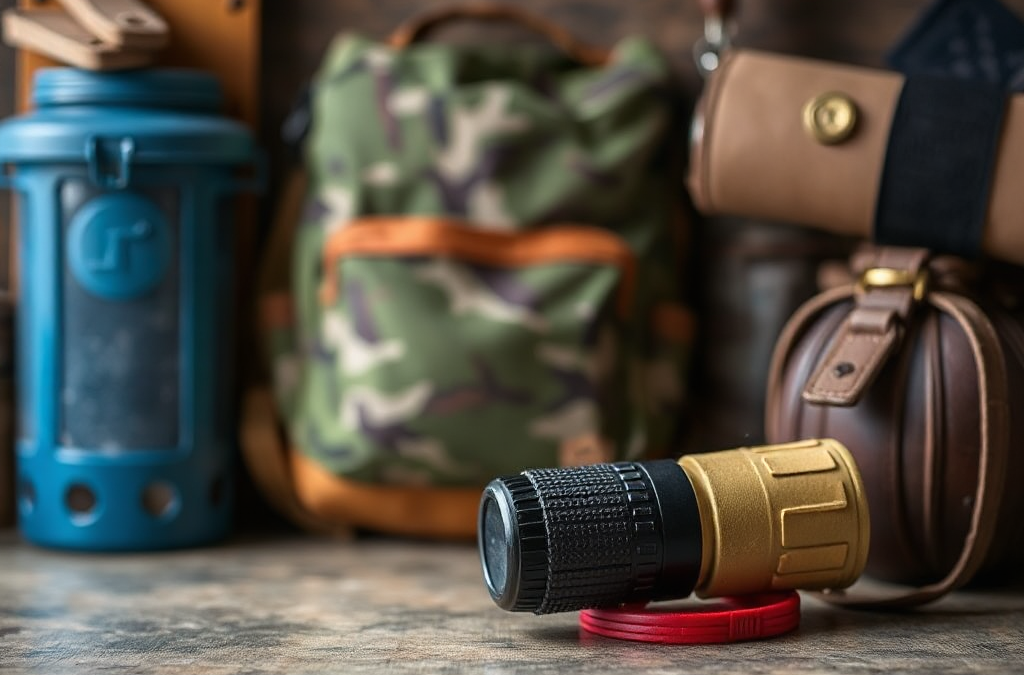
In addition, testing the gear, if possible, can reveal its functionality. For instance, ensuring that a used flashlight operates correctly or that a camping stove ignites reliably can prevent future disappointments. Buyers should prioritize gear that has been well-maintained and has a clear operational history.

Long-Term Considerations
Investing in second-hand preparedness gear requires weighing long-term implications. While initial costs may be lower, the potential for equipment failure can lead to higher expenses if replacements or repairs are needed. Furthermore, the lack of warranties on used items can complicate matters if issues arise after purchase.
Planning for long-term reliability means considering how often gear will be used and for what purposes. For instance, items intended for frequent use should be scrutinized more rigorously than those for infrequent situations. It’s essential to balance cost savings with quality assurance to ensure preparedness efforts are not compromised.
Further Reading
Authoritative Sources
- Ready.gov Preparedness Guidance
ready.govFederal preparedness guidance for household planning, alerts, supplies, and emergencies
- American Red Cross Emergency Preparedness
redcross.orgEmergency preparedness resources for families, disasters, and practical safety planning
- FEMA Preparedness Resources
fema.govNational preparedness resources for planning, mitigation, and response readiness
Frequently Asked Questions
What should I look for when buying second-hand preparedness gear?
Look for signs of wear, check the operational history, and inquire about any repairs or issues. Testing the equipment, if possible, is also important.
Are there specific types of gear that are safer to buy second-hand?
Items that are less likely to malfunction, such as certain tools or storage containers, can be safer to buy second-hand compared to critical items like water purifiers or life-saving gear.
How can I ensure the second-hand gear I buy is reliable?
Research the brand and model for reviews, check for recalls, and ensure the item has been well-maintained before purchase.
What are the risks of using outdated preparedness gear?
Outdated gear may not meet current safety standards, may lack essential features, and can fail when needed most, putting you at risk during emergencies.
Is it worth it to buy second-hand gear instead of new?
It can be worth it if you thoroughly evaluate the gear, but be aware of the potential risks and ensure you are not compromising on quality and reliability.
Conclusion
When considering second-hand preparedness gear, prioritize thorough evaluation and understanding of potential risks. Assess the condition, functionality, and history of the equipment before purchase. It’s crucial to weigh the savings against the reliability of the gear, as the stakes can be high in emergency situations. By being diligent, you can effectively enhance your preparedness without compromising safety.
Related Content
- Don’t Wait for the Storm: Proactive Steps for Effective Disaster Preparedness
- Individual Material Readiness List for Solo Preppers With a 30-Day Priority System
- The Ultimate Guide to 10 Effective Emergency Kits for Home in 2025
- Survival Cooking: Best Practices and Recipes
- Top 10 Essential Emergency Gear for Home in 2025 You Cant Ignore




