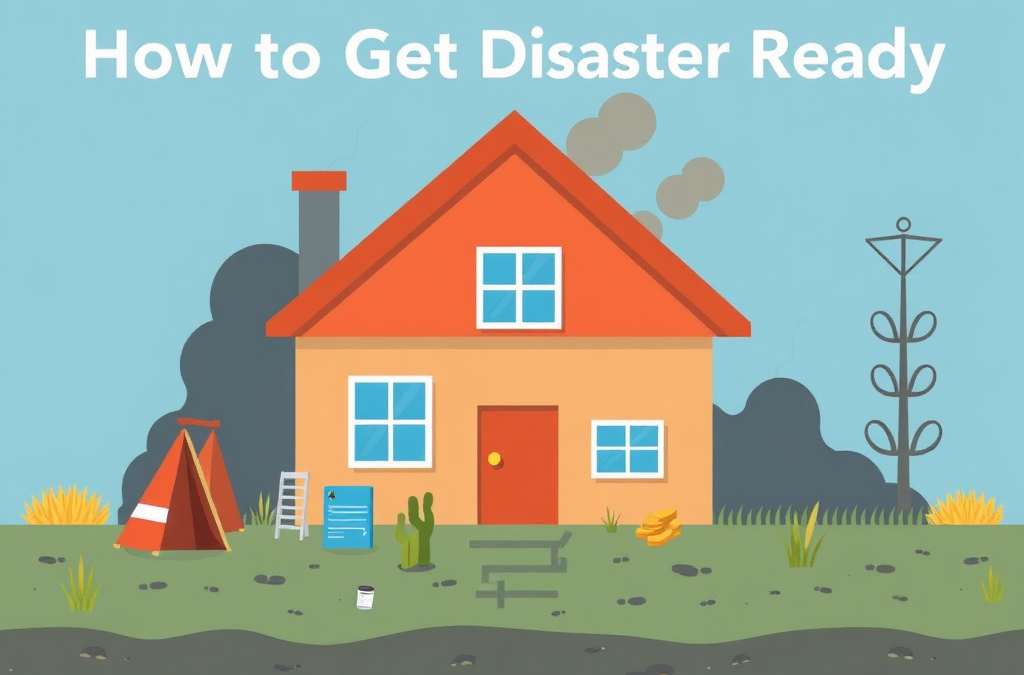
For example, if you live in a flood-prone area, it is essential to establish evacuation routes that avoid flooded roads. Conversely, those in wildfire zones should know how to create defensible spaces around their homes and have a go-bag ready with necessary supplies. Moreover, ensure that your emergency contacts are updated and easily accessible.
Another key component is assembling an emergency supply kit, which should include food, water, medications, flashlight, batteries, and first aid supplies. Regularly check and replenish your supplies to ensure they are not expired and meet your family’s needs. It’s also wise to include important documents, such as insurance papers and identification, in a waterproof container.
The direct answer to How to Get Disaster Ready: Essential Steps for Effective Preparedness depends on get, disaster, ready and the specific conditions described in the article. For example, if you live in a flood-prone area, establish evacuation routes that avoid flooded roads.
Understanding Disaster Risks
Understanding the specific risks associated with your location is fundamental to effective disaster preparedness. Each area has unique vulnerabilities, such as hurricanes, tornadoes, or earthquakes. Knowing these risks allows you to tailor your emergency plan accordingly. For instance, coastal areas should prepare for potential flooding and storm surges, while regions prone to wildfires need strategies for evacuation and property protection.
Some common mistakes include not considering local hazards or assuming that you will have enough time to react when a disaster strikes. It’s crucial to stay updated on local forecasts and emergency alerts to respond quickly and effectively. Keeping an eye on seasonal threats, like hurricane season, can help you remain vigilant and prepared.
Creating an Emergency Plan
Creating an emergency plan is a vital step in ensuring your family knows what to do during a disaster. Start by establishing a communication strategy that includes contact information for family members and a designated meeting place if you become separated. Ensure everyone is aware of their responsibilities in the event of an emergency.
Revisit your plan regularly, especially after significant life changes such as a move or the addition of family members. Conduct practice drills to familiarize everyone with evacuation routes and safety procedures. This practice helps to minimize panic and confusion during an actual disaster.
Building Your Supply Kit
Your emergency supply kit should be comprehensive and tailored to your family’s needs. At a minimum, it should contain enough non-perishable food and water to last at least three days, as well as essential items like medications, a flashlight, batteries, a first aid kit, and personal hygiene products. Consider including items for pets, if applicable.
Regularly check your kit to replace expired items and update it based on changing family needs. Having a well-stocked kit can significantly alleviate stress during an emergency, allowing you to focus on safety rather than scrambling for supplies.
Staying Informed and Practicing
Staying informed about potential disasters and local emergency services is crucial in your preparedness efforts. Sign up for local alerts and warnings to receive timely information about weather events and safety instructions. Awareness of your surroundings and local resources can significantly impact your ability to respond effectively.
In addition to staying informed, regularly practicing your emergency plan ensures that everyone is prepared. Schedule drills at least twice a year to keep the information fresh and address any changes in your family dynamics or living situation. This proactive approach can save lives during a real emergency.
National preparedness resources for planning, mitigation, and response readiness
Frequently Asked Questions
What should I include in my emergency supply kit?
Your emergency kit should include food, water, medications, first aid supplies, a flashlight, batteries, and important documents.
How often should I practice my emergency plan?
Practice your emergency plan at least twice a year to keep it fresh and ensure everyone knows their roles.
What are common mistakes in disaster preparedness?
Common mistakes include underestimating risks, not having an updated emergency plan, and failing to maintain a well-stocked supply kit.
How can I stay informed during a disaster?
Sign up for local alerts and warnings to receive timely information about potential disasters and safety instructions.
Why is it important to have an evacuation plan?
An evacuation plan ensures that everyone knows where to go and what to do in case of an emergency, minimizing confusion and panic.
Conclusion
Being disaster ready is about proactive planning and preparation. Start by understanding the risks specific to your area and create a comprehensive emergency plan that includes communication strategies and evacuation routes. Assemble an emergency supply kit tailored to your family’s needs and stay informed about local alerts and resources. Regularly practicing your plan is essential to ensure everyone knows their roles, which can significantly reduce panic during a real emergency. Remember, preparedness can save lives and provide peace of mind in uncertain times.
This includes creating a detailed response plan, establishing clear communication channels, and ensuring that necessary supplies and resources are readily available. The importance of these elements cannot be overstated, as they greatly enhance the ability to navigate crises efficiently and minimize potential harm.
The direct answer to Crisis Readiness Essentials: Key Strategies for Effective Emergency Preparedness depends on crisi, readiness, essential and the specific conditions described in the article. This includes creating a detailed response plan, establishing clear communication channels, and ensuring that necessary supplies and resources are readily available.
Developing a Comprehensive Response Plan
A comprehensive response plan is a cornerstone of crisis readiness. It outlines the steps to be taken in various emergency scenarios and assigns responsibilities to team members. This structured approach ensures that everyone understands their role and can act swiftly during a crisis.
Effective response plans should include specific procedures for different types of emergencies, such as natural disasters, technological incidents, or public health crises. Regularly reviewing and updating these plans is crucial to adapt to changing circumstances and to incorporate lessons learned from past incidents. Failing to do so can lead to confusion and inefficiency when a real crisis strikes.
Establishing Effective Communication Protocols
Clear and effective communication protocols are vital for crisis readiness. During an emergency, the ability to disseminate information quickly and accurately can save lives and resources. Establishing a communication hierarchy ensures that messages flow smoothly from leadership to all team members.
Consider implementing multiple communication channels, such as text alerts, emails, and social media updates, to reach various audiences. Training team members on these protocols is essential, as misunderstandings can lead to delays and mistakes. Prioritize clarity and simplicity in communication to avoid confusion during high-stress situations.
Ensuring Resource Availability
Having the right resources available is a critical aspect of crisis readiness. This includes not only physical supplies like food, water, and medical kits but also access to technology and information. Assessing resource needs regularly helps ensure that nothing is overlooked.
In addition to stockpiling resources, organizations should consider establishing partnerships with local agencies and suppliers. These relationships can provide quick access to additional support during a crisis. It’s important to conduct regular checks on the condition and availability of resources to prevent shortages when they are most needed.
Conducting Regular Drills and Updates
Regular drills and updates are essential for maintaining crisis readiness. These practices help reinforce the response plan and ensure that all team members are familiar with their roles. Drills should simulate real-life scenarios to provide practical experience in handling emergencies.
After each drill, gather feedback to identify areas for improvement. This iterative process strengthens the overall response capability and builds confidence among team members. Neglecting to conduct drills can lead to unpreparedness and ineffective responses during actual emergencies.
National preparedness resources for planning, mitigation, and response readiness
Frequently Asked Questions
What are the key components of a crisis readiness plan?
The key components include a comprehensive response plan, effective communication protocols, resource availability, and regular drills for preparedness.
Why is communication important during a crisis?
Effective communication ensures timely information dissemination, which is crucial for coordination and decision-making in emergencies.
How often should crisis response plans be updated?
Crisis response plans should be reviewed and updated at least annually or after any significant incident to ensure relevance and effectiveness.
What resources should be included in a crisis readiness plan?
Essential resources include first aid supplies, food and water, communication devices, and emergency contact information for all team members.
What is the benefit of conducting regular drills?
Regular drills reinforce the response plan, improve team familiarity with procedures, and identify areas for improvement, enhancing overall readiness.
Conclusion
In summary, crisis readiness essentials are crucial for effective emergency preparedness. By developing a comprehensive response plan, establishing clear communication protocols, ensuring resource availability, and conducting regular drills, individuals and organizations can significantly enhance their ability to respond to crises. Prioritizing these elements not only mitigates risks but also builds resilience, ensuring that when emergencies arise, everyone is prepared to act decisively and effectively. Moving forward, it’s essential to maintain a proactive approach to crisis readiness to safeguard against future challenges.
Next, assembling a well-stocked emergency kit is crucial. It’s important to regularly check and update your supplies, ensuring they remain usable and appropriate for your needs. One common mistake is to underestimate the amount of food and water required for each family member, leading to inadequate provisions during an emergency.
In addition to personal preparations, staying informed about local risks and resources can significantly improve your readiness. Understanding the types of emergencies that could affect your area allows you to tailor your planning effectively. Utilize local alerts and community resources to stay updated on potential threats and available assistance.
The direct answer to Prepare Now Tips: Essential Steps for Effective Disaster Readiness depends on prepare, now, essential and the specific conditions described in the article. Next, assembling a well-stocked emergency kit is crucial.
Creating an Emergency Plan
Creating an emergency plan is a foundational step in disaster readiness. This plan should detail specific actions for various scenarios, ensuring everyone knows their roles and responsibilities. Include details such as how to contact one another, where to meet, and what to do in case of evacuation. Regular drills can reinforce this knowledge and help identify any gaps in the plan.
When developing your plan, consider potential hazards unique to your area, such as floods, earthquakes, or wildfires. Tailoring your plan to address these risks can enhance your overall preparedness. Remember to keep a copy of your emergency plan in your emergency kit and share it with family members and close friends.
Assembling Your Emergency Kit
Assembling your emergency kit is vital for ensuring you have the necessary supplies during a disaster. A well-stocked kit should include items such as water (one gallon per person per day for at least three days), non-perishable food, a flashlight, batteries, a first-aid kit, and any necessary medications. Don’t forget to include personal hygiene items and important documents in waterproof bags.
Regularly check your emergency kit to replace expired items and adjust your supplies according to changes in family size or needs. This proactive approach can prevent last-minute scrambling during an emergency. Additionally, consider having a separate kit for your vehicle if you travel frequently.
Staying Informed About Local Risks
Staying informed about local risks is essential for effective disaster preparedness. Familiarize yourself with the types of emergencies that can occur in your area, such as hurricanes, tornadoes, or earthquakes, and understand the local warning systems. Many communities offer alerts via text or email, which can provide timely updates about impending threats.
Engaging with local emergency services can also provide valuable insights into available resources and support during a disaster. Attending community meetings or workshops can enhance your knowledge and preparedness, allowing you to make informed decisions when it matters most.
Involving Family Members in Planning
Involving all family members in the planning process is crucial for ensuring everyone understands their roles and responsibilities during an emergency. Hold family discussions to review the emergency plan and gather input from everyone, including children. This participation can foster a sense of ownership and readiness.
Consider assigning specific tasks to each family member, such as gathering supplies, maintaining the emergency kit, or keeping track of important documents. Regularly practicing the emergency plan together can reinforce these roles and improve overall readiness.
For more comprehensive information on emergency preparedness, consider exploring official resources from organizations such as the Federal Emergency Management Agency (FEMA) or the American Red Cross. These organizations offer valuable guidelines and resources to help you stay prepared.
National preparedness resources for planning, mitigation, and response readiness
Frequently Asked Questions
What should I include in my emergency kit?
Your emergency kit should include water, non-perishable food, a flashlight, batteries, a first-aid kit, and any necessary medications.
How often should I review my emergency plan?
Review your emergency plan at least once a year, or whenever there are significant changes in your family dynamics or living situation.
What are common mistakes in emergency preparedness?
Common mistakes include neglecting to update supplies, not involving all family members in planning, and underestimating the amount of food and water needed.
How can I stay informed about local emergencies?
Stay informed through local news outlets, community alert systems, and social media channels that provide updates on potential emergencies.
Why is family involvement important in emergency planning?
Family involvement ensures everyone understands their roles and responsibilities, fostering confidence and readiness during an emergency.
Conclusion
Effective disaster readiness requires a proactive approach that includes creating a comprehensive emergency plan, assembling a well-stocked emergency kit, and involving all family members in the planning process. By prioritizing communication, staying informed about local risks, and regularly updating your preparations, you can significantly enhance your safety and readiness during emergencies. Take the time today to implement these prepare now tips and ensure your family’s security in the face of potential disasters.
individuals tend to panic or act impulsively, which can exacerbate the situation. Understanding the importance of remaining calm can significantly affect the outcome of an emergency. Providing basic first aid, if trained, is also a vital step that can save lives while waiting for professional responders. Recognizing common pitfalls, such as neglecting to secure the area or failing to communicate effectively with emergency personnel, can make a significant difference in emergency outcomes.
Assessing the Situation
The first step in any emergency is to assess the situation carefully. This involves looking for immediate dangers that could pose a threat to yourself or others. For instance, if there is a fire or gas leak, evacuating the area should be the first priority. Understanding the environment and potential hazards allows for informed decision-making.
When assessing the scene, consider factors such as the number of people involved, their conditions, and the type of emergency. It’s crucial to remain aware of your surroundings and avoid rushing in without a clear understanding of the risks. Taking a moment to evaluate can help prevent additional injuries or complications.
Calling for Help
Once the situation has been assessed and it is safe to do so, calling emergency services is essential. This step should not be delayed, as professional help can provide necessary assistance and resources that individuals may not be equipped to handle. When calling, be prepared to provide detailed information about the incident, including location, nature of the emergency, and the number of people involved.
Effective communication is key in this step. Speak clearly and calmly, and follow any instructions given by the dispatcher. Remember that emergency responders rely on accurate information to respond quickly and effectively. Miscommunication can lead to delays and potentially worsen the situation.
Providing First Aid
If trained, administering first aid can be a lifesaving action while waiting for emergency services. This may include performing CPR, controlling bleeding, or assisting someone in shock. Knowing basic first aid principles can empower individuals to help those in need during critical moments.
However, it is vital to assess your own safety before providing assistance. If the situation changes or if personal safety is compromised, it may be necessary to withdraw and wait for professionals. Always prioritize the safety of both the rescuer and the victim.
Common Mistakes to Avoid
In the heat of an emergency, individuals often make mistakes that can worsen the situation. A common error is rushing into action without proper assessment, which can lead to further injuries or complications. Another frequent mistake is failing to communicate effectively with emergency responders, which can delay assistance.
Additionally, neglecting to secure the area can put others at risk. It is essential to ensure that the environment is safe before attempting to assist victims. By understanding these common pitfalls, individuals can better prepare themselves to handle emergencies effectively.
National preparedness resources for planning, mitigation, and response readiness
Frequently Asked Questions
What are the first steps to take in an emergency?
The first steps include assessing the situation for dangers, calling emergency services, and providing first aid if trained.
How can I prepare for emergencies?
Preparation involves having a first aid kit, knowing emergency contact numbers, and being trained in basic first aid and CPR.
What should I do if I can’t reach emergency services?
If you cannot reach emergency services, try to find someone who can or use alternative communication methods, such as social media or local community channels.
How do I assess a scene for safety?
Look for hazards like fire, traffic, or unstable structures and ensure the area is safe before approaching any victims.
What are common mistakes people make during emergencies?
Common mistakes include rushing into danger, failing to communicate effectively, and neglecting to secure the area.
Conclusion
Emergency first steps are crucial for ensuring safety and minimizing harm after an incident. Prioritizing an assessment of the situation, calling for help, and providing first aid can significantly impact the outcome. Being aware of common mistakes and preparing in advance can enhance your ability to respond effectively in emergencies. Stay informed, remain calm, and always prioritize safety for yourself and others.
By prioritizing these elements, organizations and individuals can ensure a coordinated response during crises, minimizing harm and optimizing recovery efforts.
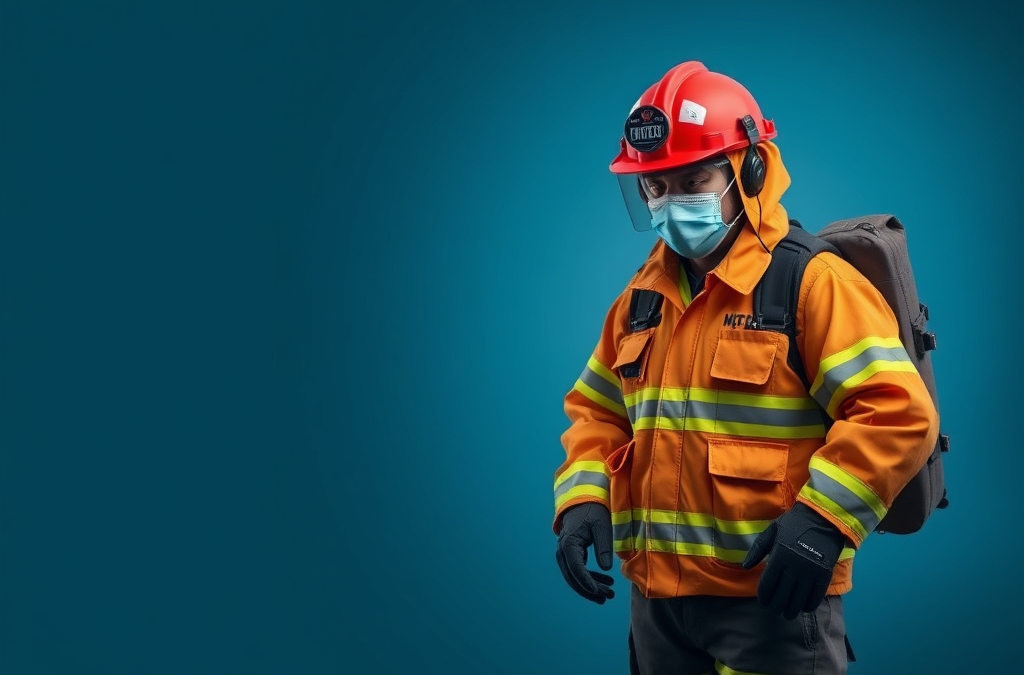
The direct answer to Preparedness and Safety: Essential Steps for Effective Emergency Management depends on preparedness, safety, essential and the specific conditions described in the article. By prioritizing these elements, organizations and individuals can ensure a coordinated response during crises, minimizing harm and optimizing recovery efforts.
Understanding Hazards and Risks
Identifying potential hazards is the first step in effective preparedness and safety planning. This involves assessing both natural disasters, such as floods and earthquakes, and human-made risks, including industrial accidents or terrorist threats. A comprehensive risk assessment allows individuals and organizations to prioritize their resources and focus on the most likely scenarios.
For instance, residents in hurricane-prone areas should prepare differently than those living in regions susceptible to wildfires. Understanding local risks helps tailor preparedness efforts, ensuring that resources are allocated effectively. Additionally, community engagement can provide insights into shared risks, fostering a culture of collective safety.
Establishing Communication Plans
Effective communication is critical during emergencies to ensure that all stakeholders are informed and can respond quickly. Establishing clear communication protocols helps streamline information flow, reducing confusion and increasing efficiency. This includes creating an emergency contact list, utilizing multiple communication channels, and ensuring that messages are clear and concise.
Moreover, organizations should consider how to communicate with vulnerable populations who may have special needs during an emergency. Incorporating translation services and accessible formats can enhance communication efforts, ensuring that everyone receives the necessary information to stay safe.
Conducting Regular Drills
Regular drills are essential for ensuring that individuals and organizations are prepared to respond effectively in an emergency. These exercises allow participants to practice their roles, identify weaknesses in their plans, and build confidence in their abilities. Drills should simulate real-life scenarios, providing participants with hands-on experience in managing crises.
Failing to conduct regular drills can lead to a false sense of security, as individuals may believe they are prepared without having tested their plans. Engaging stakeholders in these drills, including local emergency services, can also foster collaboration and improve overall community readiness.
Evaluating and Updating Plans
Emergency plans should not be static; they must be regularly evaluated and updated based on new information, lessons learned from drills, and changes in community risk profiles. Establishing a review schedule ensures that preparedness efforts remain relevant and effective in addressing current threats.
Additionally, organizations should seek feedback from participants following drills to identify areas for improvement. This iterative process enhances the overall effectiveness of emergency management strategies, ensuring that communities are better prepared for future challenges.
For those looking to deepen their understanding of preparedness and safety, consider exploring resources from recognized organizations such as the Federal Emergency Management Agency (FEMA) and the American Red Cross. These organizations offer valuable insights and tools for enhancing emergency preparedness.
National preparedness resources for planning, mitigation, and response readiness
Frequently Asked Questions
What is the importance of preparedness and safety?
Preparedness and safety are crucial for minimizing risks and ensuring effective responses during emergencies, ultimately saving lives and resources.
How can I assess risks in my area?
Assess risks by researching local hazards, consulting government resources, and engaging with community safety programs.
What should be included in a communication plan?
A communication plan should include emergency contact lists, clear messaging guidelines, and multiple communication channels to reach all stakeholders effectively.
Why are drills necessary for emergency preparedness?
Drills are essential for practicing response procedures, identifying weaknesses in plans, and building confidence among responders and community members.
How often should emergency plans be updated?
Emergency plans should be reviewed and updated at least annually or after significant changes in community risk profiles or following drills.
Conclusion
In conclusion, focusing on preparedness and safety is essential for effective emergency management. By understanding local hazards, establishing robust communication plans, conducting regular drills, and continually evaluating strategies, individuals and organizations can enhance their readiness for potential crises. Prioritizing these elements not only helps mitigate risks but also fosters a culture of safety within communities. To ensure the best outcomes, make preparedness a continuous, collaborative effort involving all stakeholders.
For example, natural disasters often necessitate different preparations than public health emergencies. Understanding these distinctions and developing specialized plans can prevent common pitfalls, such as inadequate resource allocation or lack of coordination among responders. Additionally, conducting risk assessments can help identify vulnerabilities and inform decision-making processes.
Regularly reviewing and updating preparedness plans is essential to maintain readiness. As circumstances change, so too should strategies for dealing with potential crises. Engaging with local authorities, emergency services, and community organizations can provide valuable insights and resources. Establishing partnerships can enhance resource sharing and improve overall response capabilities.
The direct answer to Readiness for Major Events: Effective Planning Strategies and Common Mistakes depends on readiness, major, event and the specific conditions described in the article. For example, natural disasters often necessitate different preparations than public health emergencies.
Understanding Major Events
Major events can range from natural disasters like hurricanes and earthquakes to man-made crises such as industrial accidents or public health emergencies. Each type of event requires a specific set of preparedness measures tailored to the unique risks involved. Understanding the nature of potential threats is the first step toward effective readiness.
For instance, in preparing for a natural disaster, it’s vital to consider geographical factors that might influence the severity of the event. Communities located in flood-prone areas need to prioritize flood defenses and evacuation routes, while those in seismic zones must focus on structural resilience. Fostering awareness of these elements can significantly improve community preparedness.
Key Components of Readiness
Effective readiness hinges on several core components: planning, resource allocation, training, and communication. A well-structured plan should outline specific actions to be taken before, during, and after a major event. This plan should be accessible to all stakeholders and regularly practiced through drills.
Resource allocation involves identifying and securing the necessary supplies, such as food, water, first aid kits, and communication tools. Ensuring that these resources are readily available and easily accessible can save lives during a crisis. Additionally, establishing clear lines of communication among all parties involved is crucial for coordinating efforts and sharing vital information.
Common Mistakes to Avoid
One of the most frequent mistakes in preparing for major events is underestimating the resources required. Many organizations fail to account for the full scope of what may be needed, leading to shortages during an emergency. Another common pitfall is neglecting to engage with local authorities and emergency services, which can result in a lack of support during a crisis.
Moreover, failing to conduct regular training and drills can lead to confusion and disorganization when an actual event occurs. Organizations should prioritize continuous education and practice to ensure that all team members are familiar with their roles and responsibilities.
Regular Assessment and Updates
Maintaining readiness requires ongoing assessment of plans and resources. Regularly reviewing and updating preparedness strategies is essential to adapt to changing circumstances, such as new threats or shifts in community demographics. Engaging with feedback from drills and real events can provide insights into areas that need improvement.
Incorporating lessons learned from past events into future planning can significantly enhance an organization’s readiness. This iterative process ensures that preparedness measures remain relevant and effective over time.
Academic search resource for finding research literature and source material
Frequently Asked Questions
What are the first steps to prepare for a major event?
The first steps include assessing potential risks, creating a detailed emergency plan, and gathering necessary supplies for various scenarios.
How often should preparedness plans be updated?
Preparedness plans should be reviewed and updated at least annually or whenever significant changes occur within the community or organization.
What resources are essential for major event readiness?
Essential resources typically include food, water, first aid supplies, communication devices, and emergency contact information.
How can communication be improved during a crisis?
Establishing clear communication channels and conducting regular training can enhance information sharing and coordination among responders during a crisis.
What common mistakes should be avoided in preparedness?
Common mistakes include underestimating resource needs, neglecting to engage with local authorities, and failing to conduct regular drills.
Conclusion
Readiness for major events is not just a matter of having supplies on hand; it involves comprehensive planning and ongoing assessment to adapt to changing circumstances. By understanding the unique challenges of different types of events, prioritizing clear communication, and regularly updating preparedness plans, organizations can significantly enhance their ability to respond effectively. It is essential to engage with local resources and continuously educate all stakeholders to ensure a coordinated response in times of crisis.