
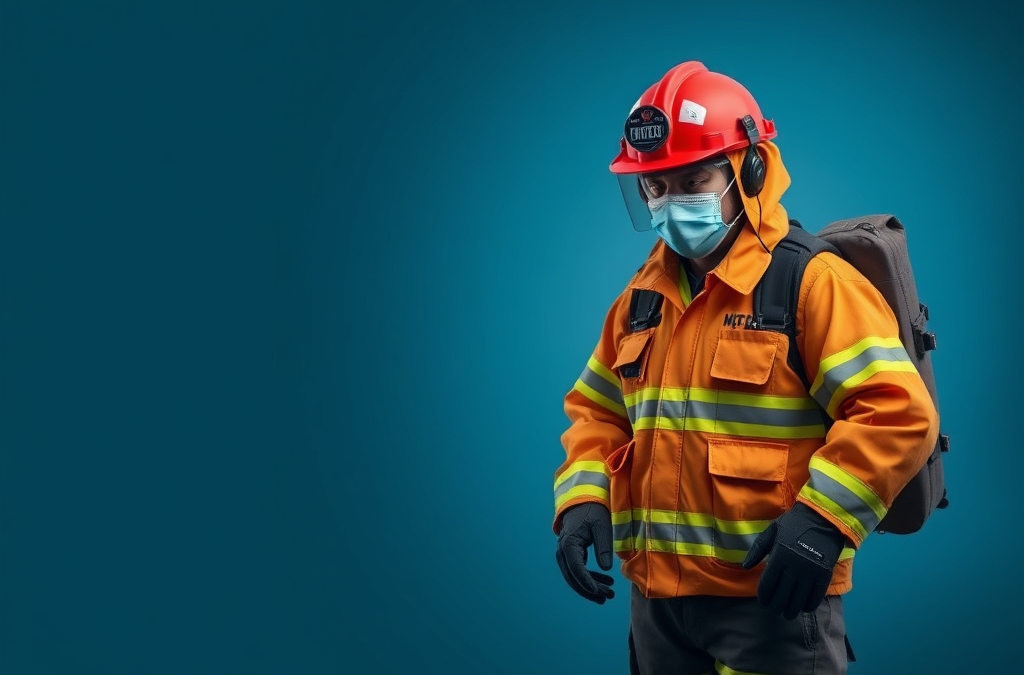
By prioritizing these elements, organizations and individuals can ensure a coordinated response during crises, minimizing harm and optimizing recovery efforts.
The direct answer to Preparedness and Safety: Essential Steps for Effective Emergency Management depends on preparedness, safety, essential and the specific conditions described in the article. By prioritizing these elements, organizations and individuals can ensure a coordinated response during crises, minimizing harm and optimizing recovery efforts.
Understanding Hazards and Risks
Identifying potential hazards is the first step in effective preparedness and safety planning. This involves assessing both natural disasters, such as floods and earthquakes, and human-made risks, including industrial accidents or terrorist threats. A comprehensive risk assessment allows individuals and organizations to prioritize their resources and focus on the most likely scenarios.
For instance, residents in hurricane-prone areas should prepare differently than those living in regions susceptible to wildfires. Understanding local risks helps tailor preparedness efforts, ensuring that resources are allocated effectively. Additionally, community engagement can provide insights into shared risks, fostering a culture of collective safety.
Establishing Communication Plans
Effective communication is critical during emergencies to ensure that all stakeholders are informed and can respond quickly. Establishing clear communication protocols helps streamline information flow, reducing confusion and increasing efficiency. This includes creating an emergency contact list, utilizing multiple communication channels, and ensuring that messages are clear and concise.
Moreover, organizations should consider how to communicate with vulnerable populations who may have special needs during an emergency. Incorporating translation services and accessible formats can enhance communication efforts, ensuring that everyone receives the necessary information to stay safe.

Conducting Regular Drills
Regular drills are essential for ensuring that individuals and organizations are prepared to respond effectively in an emergency. These exercises allow participants to practice their roles, identify weaknesses in their plans, and build confidence in their abilities. Drills should simulate real-life scenarios, providing participants with hands-on experience in managing crises.
Failing to conduct regular drills can lead to a false sense of security, as individuals may believe they are prepared without having tested their plans. Engaging stakeholders in these drills, including local emergency services, can also foster collaboration and improve overall community readiness.
Evaluating and Updating Plans
Emergency plans should not be static; they must be regularly evaluated and updated based on new information, lessons learned from drills, and changes in community risk profiles. Establishing a review schedule ensures that preparedness efforts remain relevant and effective in addressing current threats.
Additionally, organizations should seek feedback from participants following drills to identify areas for improvement. This iterative process enhances the overall effectiveness of emergency management strategies, ensuring that communities are better prepared for future challenges.
For those looking to deepen their understanding of preparedness and safety, consider exploring resources from recognized organizations such as the Federal Emergency Management Agency (FEMA) and the American Red Cross. These organizations offer valuable insights and tools for enhancing emergency preparedness.

Further Reading
Authoritative Sources
- Ready.gov Preparedness Guidance
ready.govFederal preparedness guidance for household planning, alerts, supplies, and emergencies
- American Red Cross Emergency Preparedness
redcross.orgEmergency preparedness resources for families, disasters, and practical safety planning
- FEMA Preparedness Resources
fema.govNational preparedness resources for planning, mitigation, and response readiness
Frequently Asked Questions
What is the importance of preparedness and safety?
Preparedness and safety are crucial for minimizing risks and ensuring effective responses during emergencies, ultimately saving lives and resources.
How can I assess risks in my area?
Assess risks by researching local hazards, consulting government resources, and engaging with community safety programs.
What should be included in a communication plan?
A communication plan should include emergency contact lists, clear messaging guidelines, and multiple communication channels to reach all stakeholders effectively.
Why are drills necessary for emergency preparedness?
Drills are essential for practicing response procedures, identifying weaknesses in plans, and building confidence among responders and community members.
How often should emergency plans be updated?
Emergency plans should be reviewed and updated at least annually or after significant changes in community risk profiles or following drills.
Conclusion
In conclusion, focusing on preparedness and safety is essential for effective emergency management. By understanding local hazards, establishing robust communication plans, conducting regular drills, and continually evaluating strategies, individuals and organizations can enhance their readiness for potential crises. Prioritizing these elements not only helps mitigate risks but also fosters a culture of safety within communities. To ensure the best outcomes, make preparedness a continuous, collaborative effort involving all stakeholders.




