When I first thought about making a personal emergency plan, I realized how important it is to identify potential risks. I started by considering my environment – what natural disasters could occur? Earthquakes, floods, and even cybersecurity risks were on my mind. It gets a bit overwhelming, but breaking it down into manageable parts makes it easier.
I also reached out to local resources for more information. Sometimes, your community or city has specific resources or emergency services that can provide insights on what threats are more prevalent in your area. You’d be surprised at how many people are willing to share their knowledge!
Finally, don’t forget to look inward at your personal circumstances. If I have a medical condition or kids or pets, how does that factor in? Adjusting my plan to accommodate these elements is crucial. It’s all about finding what affects me and planning accordingly.
Establish Communication Protocols
Establishing communication protocols was another step I took while creating my plan. Texting might work when the power’s up, but in a disaster scenario, I realized sometimes traditional methods become unreliable. So I set up a system where my family and close friends knew how to reach each other and where to meet up if things go south.
We created a group chat, but I also made sure that everyone knew how to call, and what to do if cell networks were jammed. Writing it all down and making sure everyone had a copy was important! I also made a list of alternative contacts, in case I couldn’t reach anyone in the immediate circle.
I can’t stress enough how calming it is to have a plan! Knowing we can rely on our communication channels helps eliminate some fear and builds confidence when facing the unknown.
Regularly Update Your Plan
After drafting my emergency plan, I quickly learned that it’s not a “set it and forget it” situation. Regular updates became a priority for me! I set personal reminders in my calendar every six months to review the plan, updating any resources, contacts, or logistical details that needed a tweak.
Sometimes I find things change—new family members, new locations, new risks! I also make sure to involve my family in this process, making it a team activity. We often discuss how our lives have shifted and what changes we can implement into our plan.
By keeping my plan fresh and relevant, I ensure it remains effective. Plus, revisiting the plan reminds me why I invested time in it, boosting my confidence in times of uncertainty.
Build an Emergency Supply Kit
Decide What to Include
When I first started putting together my emergency supply kit, it was like a scavenger hunt. I thought about what I would genuinely need. Water, non-perishable food, and first aid supplies were no-brainers. I researched and even asked friends what they thought were essential items. Sometimes, you get great tips from other people’s experiences!
I also added some personal touches—like comfort items. For instance, I included my favorite book and games to keep spirits up during tough times. It’s important to think through what would make a stressful situation a bit easier, don’t you think?
Last but not least, I checked the shelf lives of everything I included and made a point to rotate items out every few months. This ensures nothing expires before I can use it. It’s a simple habit that keeps my kit ready for any scenario!
Pack Your Kit Efficiently
Packing my emergency supply kit became an exercise in organization! I started with durable bins that I could easily carry. I soon realized putting everything in zip-lock bags keeps them neat and dry, especially important if I’m facing potential flooding! And who wants soggy supplies anyways?
Labels became my best friend. I made sure everything was marked clearly. When disaster strikes, the last thing you want is to spend precious time rummaging through the kit hoping to remember where the matches are. Keeping it organized is crucial.
I also made it easy to grab and go! I considered putting some supplies in my car for added security. If I’m on the move, I want essentials at hand without having to return home. Having some items stored away brings that extra comfort.
Review and Refresh Your Supplies
Once my kit was packed, I made a commitment to review my supplies regularly. As seasons change, so do my needs! It’s good practice to check my food’s expiration dates and replace anything I’ve used in between. It’s like a mini inventory check every few months!
I also ask myself questions: have I added new family members? Are the kids old enough to need new items? Life happens, and I want to make sure my kit is prepared for it. This little bit of upkeep can make a big difference when the unexpected strikes.
Plus, keeping my supplies fresh gets me engaged in the practice. It becomes less of a chore and more of a habit when continually engaging with it. Who knew preparation could be so dynamic?
Stay Informed About Emergencies
Sign Up for Alerts
Staying informed about emergency alerts has been a real game changer for me! I signed up for local alerts to keep tabs on severe weather or emergency situations in my area. It’s great to receive timely updates that help me plan and react appropriately. Most cities these days have alert systems, so it’s a no-brainer to get involved!
I even downloaded relevant apps on my phone. They provide a ton of information like tips for emergency preparedness and alerts straight from local authorities. It’s comforting to have vital information literally at my fingertips.
Keeping an eye on these updates not only prepares me for potential emergencies but gives me peace of mind, knowing that I’m watching out for myself and my loved ones!
Follow Reliable News Sources
Honestly, I can’t stress enough the importance of following reliable news sources. I carved out some time to follow local news channels on social media to stay updated. I’ve found it’s the quickest way to get a snapshot of what’s happening in real-time!
In addition to local updates, I also keep my eye on larger outlets with more comprehensive coverage. Sometimes it’s about seeing how national incidents could ripple down to my community, and I like to stay ahead of the curve.
I remember coming across an emergency preparedness workshop—something I wouldn’t have known about without following the right channels. Staying informed has made all the difference in knowing I can be proactive rather than reactive.
Participate in Community Training
Participating in community training is honestly one of the most fulfilling parts of my preparedness journey. It’s a great way to engage with others while learning life-saving skills like CPR or first aid. Plus, there’s nothing like a little camaraderie when getting prepared together!
These workshops often share knowledge about emergency response best practices. By undergoing training, we share experiences and strengthen our community bonds. I’ve met some great people who share the same interests and ideals about preparedness. It’s like a small family!
A better-prepared community means everyone benefits from a collective sense of security. I love knowing that I’m part of something bigger while actively improving my skills!
Practice Preparedness Drills
Conduct Home Drills
When it comes to emergency preparedness, practicing drills at home is something I never skip. We started small by simulating a fire drill. Everyone knew the exit routes, and it was comforting to see my family handle it without panic. Running through the process made it feel less abstract!
As our confidence level increased, we added different scenarios. Each drill acted as a reminder of what we’ve learned while adjusting the plan when necessary. Feedback in family discussions usually sparks new ideas for improvement!
Not only does this keep everyone sharp, but it creates an open environment for discussions. My kids feel empowered to ask questions, express concerns, and understand the importance of being prepared, which is so important for their growth!
Engage in Community Simulations
Involving myself in community simulations added a whole new layer to our practice drills. Many local emergency services offer open houses or disaster response year drills. When I participated, I learned to work as a team with others in real scenarios, which is invaluable.
Synchronizing our community efforts empowers everyone to be on the same page during actual emergencies. It’s all about teamwork. Experiencing the dynamics of a community simulation filled me with gratitude for the partnerships that form during tough times.
Getting out there also fosters relationships with local responders, which could come in handy during a crisis. They’re our neighbors who we might need help from one day! Building that connection has been a crucial part of my preparation strategy.
Review and Reflect on Drills
After conducting our drills and participating in community simulations, I always make it a point to review and reflect. What went well? What could we improve? I like to take notes during our practice sessions and get input from my family. It’s all about building on past successes!
Often, we follow up with a discussion where everyone can share their feelings about the experience. This helps fortify the lesson learned while creating a space to talk about fears and concerns—what a powerful tool for growth!
Consistency is vital! By regularly practicing and reviewing drills, it turns preparedness into a habit. The more we do it, the more confident we’ll feel when it counts!
Embrace a Positive Mindset
Develop Self-Confidence
Okay, let’s talk about mindset! Developing self-confidence around preparedness takes time, and it’s a journey. I started tackling small tasks—like understanding my emergency kit! Each new skill I added chipped away at the fear I initially felt.
Voicing my concerns to supportive friends or family also helps. They remind me of the progress I’ve made since day one. Those little wins add up over time and help me cultivate a stronger sense of self-assurance.
It’s a great feeling to know that I can take action when necessary. That self-reliance empowers me in so many aspects of life! I’ve found that keeping a positive perspective attracts similar attitudes. It really creates that circle of support.
Focus on What You Can Control
Focusing on what I can control helps cultivate a positive mindset. I learned early on that worrying about everything is counterproductive, so I shifted my focus to the things within my grasp. For example, I can control my plans and supplies but can’t anticipate every natural disaster.
This approach actually lightens the mental load. By narrowing my focus, I can take actionable steps without getting bogged down in anxiety. It made discussions with my family more productive, too, as I’m no longer fretting about uncontrollable factors.
When I catch myself spiraling into worry, I take a step back, refocus, and remind myself of the steps I can take. This positive self-talk is a game changer and has proven helpful during challenging times.
Practice Mindfulness Techniques
Mindfulness has played a significant role in my preparedness journey. The ability to stay present helps me manage my stress levels and think clearly. I’ve incorporated mindfulness techniques into my daily routine, like meditation or just taking deep breaths when I start feeling anxious about things beyond my control.
Even something as simple as going for a walk helps me clear my mind and reflect on what’s necessary for my preparedness journey. Nature soothes me, giving me a fresh perspective and reminding me of my priorities.
When faced with challenges, this mindful state enables me to respond thoughtfully rather than react impulsively. It’s like maintaining that balance in my life allows me to tackle preparedness with a calm and collected approach.
Conclusion
Practicing positive preparedness daily has transformed how I approach emergencies. By creating plans, building kits, staying informed, practicing drills, and embracing a can-do attitude, I’ve cultivated resilience—an essential quality in facing life’s uncertainties. Remember, it’s all about progress. Take your time, and each step brings comfort, security, and readiness into your life!
FAQ
1. Why is creating a personal emergency plan important?
A personal emergency plan helps you prepare for potential crises by providing a structured response strategy. It reduces stress and enhances your confidence to react appropriately when needed.
2. What should I include in my emergency kit?
Your kit should include essentials like water, non-perishable food, first aid supplies, flashlights, batteries, and personal items. Also consider comfort items that can provide a morale boost during tough times.
3. How often should I update my emergency plan and kit?
It’s a good practice to review and update your emergency kit and plan every six months, or sooner if your circumstances change (like new family members or changing locations).
4. How can I improve my preparedness mindset?
Develop self-confidence by practicing skills and staying focused on what you can control. Incorporate mindfulness techniques to manage stress, allowing you to maintain a positive outlook amid uncertainties.
5. Why should I engage in community preparedness activities?
Engaging in community activities strengthens bonds and ensures that everyone is on the same page. Plus, it helps you learn from others, and you may find valuable resources and forms of support!
Alright, let’s kick things off by taking a good look around. Every home, neighborhood, or workplace has its unique risks. It could be anything from natural disasters like floods or earthquakes to man-made emergencies like accidents or health crises. Wherever you are, understanding what could potentially happen is the first step in preparing yourself.
I’ve spent some time mapping out the risks in my area, which has really opened my eyes. For example, if you live in a flood zone, it’s super important to know the routes out of your neighborhood. On the other hand, if you’re in a busy city, being aware of medical facilities nearby can really save you in a pinch.
Once you’ve figured out the specific risks, it’s time to adjust your emergency plans accordingly. This way, you’re not only preparing for the big stuff but also considering the smaller things that can happen any day, like an unexpected allergic reaction or a minor accident.
Building an Emergency Kit
Gather Essential Supplies
Your emergency kit is basically your lifeline in a crisis. I remember the first time I built mine; it felt like I was preparing for a camping trip. You want to include basic medical supplies—think first aid items like band-aids, antiseptic wipes, and whatever you need for specific conditions, like an EpiPen if you have allergies.
It’s also smart to have items like a thermometer, scissors, and tweezers in there. I was super glad I had these when a friend got a splinter during a hike. A well-stocked kit can help treat minor injuries and prepare you for any unexpected health emergencies.
Don’t forget to include any personal medications you might need, as well as emergency contact numbers. I’ve also added items like hand sanitizer and gloves for those times when things get messy—trust me, you’ll thank yourself later!
Training in Basic First Aid
Why First Aid Training Matters
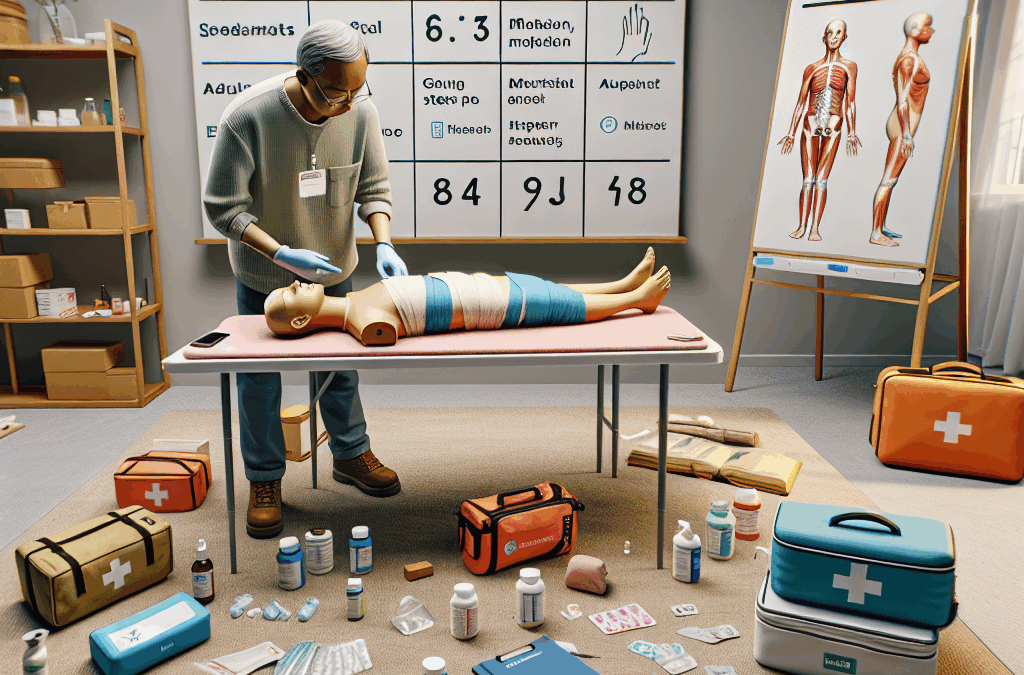
So, here’s the deal—having supplies is great, but knowing how to use them? That’s where the real magic happens. I remember my first aid class: it was a game changer. The confidence boost I got from learning how to handle common scenarios really helped, especially during a family picnic when my cousin sprained her ankle.
Training in basic first aid equips you with skills to handle minor emergencies effectively. You’ll learn how to assess a situation, provide proper care, and even when to seek professional medical help. Plus, it’s a chance to connect with your community by sharing knowledge and resources.
Check your local community centers or hospitals for classes. Nowadays, you can even find online courses that fit into your schedule. The key is to stay sharp and keep your skills fresh. You never know when that knowledge will come in handy!
Creating an Emergency Plan
Steps for a Solid Plan
The beauty of having an emergency plan is the peace of mind it brings. Believe me, once I sat down and mapped it out with my family, everything felt much more manageable. Start by identifying your emergency contacts and setting a family meeting point in case you get separated.
Next, keep communication lines open—smartphones are great, but if the grid goes down, you might need a backup. Consider using walkie-talkies or agree on a friend’s house as a rendezvous if things go sideways. Having a solid plan means everyone knows what to do, making stressful situations a bit easier to handle.
Make it a fun activity! Instead of it being a chore, turn it into a family bonding experience by practicing drills. It sounds nerdy, but trust me, practicing can actually make you feel more comfortable for the real thing.
Staying Informed
Resources for Staying Updated
Last but definitely not least, staying informed is critical. I can’t stress enough how important it is to know what’s happening in your community, especially regarding health alerts. Subscribing to local news or following health department updates can keep you in the loop.
It’s also a good idea to follow medical organizations and listen to podcasts or read articles that focus on health and emergency preparedness. I’ve found that keeping these resources close at hand helps me feel a bit more in control when things get chaotic.
Lastly, don’t underestimate the power of engaging with your local community. Networking with neighbors can provide practical tips, resources, and support in case of emergencies. Together, you can form a community of safety, and that’s worth its weight in gold.
Frequently Asked Questions
1. What should I include in my emergency kit?
Your emergency kit should include basic first aid supplies, personal medications, a flashlight, batteries, and any water or food that won’t perish quickly. Make sure to tailor it to your family’s specific needs!
2. How can I find a first aid training course?
Check with local community centers, hospitals, or even online platforms. Many organizations like the Red Cross offer courses both in-person and online that are very convenient.
3. How often should I review my emergency plan?
It’s a good idea to review your plan at least once a year or whenever there are changes in your family dynamics or living situation. Keep it up to date so that everyone knows their roles.
4. Are there apps available for emergency preparedness?
Yes! There’s a plethora of apps designed to keep you informed and help you manage emergencies. Some even connect you to local resources and alerts, making it easier to stay prepared.
5. How do I stay calm during an emergency?
Staying calm can be challenging, but having a plan in place makes a world of difference. Practice your emergency responses and remember to breathe deeply. Keeping a clear head will help you make better decisions.
In an unpredictable world, understanding emergency preparedness is not just prudent; it’s essential. But what does this concept truly entail? At its core, emergency preparedness means being ready for unexpected situations—natural disasters, medical emergencies, or any other crises that may arise. It involves planning ahead, ensuring you have the necessary resources, and equipping yourself with the knowledge needed to respond effectively. The significance of this proactive approach cannot be overstated; it empowers individuals and families to navigate through chaos with confidence and resilience.
Creating your emergency plan is a crucial step in safeguarding your loved ones. Start by assessing the potential risks in your area—whether they include hurricanes, earthquakes, wildfires, or floods. Next, establish clear communication strategies among family members. Designate a meeting place where everyone can gather if separated and ensure that all members are aware of emergency contacts. Don’t forget to include pets in your plan! They are part of your family too. Practice these plans regularly so that every person knows their role when an actual crisis arises.
Now that you have a framework for an emergency plan, let’s delve into the essentials—your emergency kit. This often-overlooked component can make all the difference during a disaster. Begin with water; having at least one gallon per person per day for three days is recommended. Non-perishable food items should also be included—think canned goods or energy bars that require minimal preparation. First aid supplies are non-negotiable; bandages, antiseptic wipes, and any necessary medications must be readily available.
Don’t stop there! Ensure you pack items like flashlights with extra batteries, a multi-tool or Swiss Army knife for versatility, and a whistle to signal for help if needed. Portable phone chargers will keep you connected even when power outages occur. And remember important documents—copies of identification, insurance policies, and medical records stored securely but accessibly can save invaluable time during an emergency.
Staying informed is another pillar of effective emergency readiness. Sign up for local alerts from meteorological services or community organizations so you’re always aware of impending threats in your vicinity. Familiarize yourself with basic first aid procedures and CPR techniques; knowing how to react in emergencies could mean saving someone’s life—not just your own! Consider enrolling in local workshops or online courses focused on disaster response and survival skills.
Finally, don’t underestimate the power of community engagement when it comes to preparedness. Forming alliances with neighbors can strengthen collective resilience against various adversities—and sharing information is key! Organizing community drills not only enhances individual awareness but also fosters camaraderie among residents who may face similar challenges together.
In conclusion, while we never hope to face emergencies in our daily lives, being prepared transforms fear into empowerment. Understanding what it means to be prepared lays the foundation for creating robust plans tailored to your unique situation while gathering essential supplies ensures you’re equipped when moments matter most. Staying informed through training further reinforces this readiness—a holistic approach combining awareness with action will undoubtedly enhance safety at home and beyond!
One of the most effective ways I’ve found to secure my property is simply by fostering good relationships with my neighbors. When you know the people living around you, there’s a sense of camaraderie that naturally develops a tighter community. We look out for one another, and that can deter potential troublemakers who might think twice about entering a ‘watched’ area.
Don’t underestimate the power of a friendly wave or a casual chat over the fence. These interactions lay the groundwork for a supportive network. You’ll find that just having a shared awareness can significantly reduce the chances of crime as it builds a sense of trust and accountability. If something unusual happens, you’ve already got eyes on the street.
Also, consider organizing a neighborhood watch program. This doesn’t have to be a formal setup; it could be as simple as a group text to alert each other about suspicious activities. The collective vigilance of a community can create an impenetrable shield around your property.
Creating a Secure Environment
The next step in my playbook is making my property less appealing to potential intruders. To do this, I focus on simple but effective changes. For instance, landscaping can play a major role in security. I always keep bushes trimmed and trees pruned to remove hiding places. A well-maintained yard conveys that someone is home and paying attention, which is a major deterrent.
Good lighting is another cornerstone of a secure environment. I personally opt for solar-powered motion sensor lights around my yard. Not only are they cost-effective, but they also provide that instant ‘uh-oh’ moment when an unwelcome visitor is caught in the beam of light. It’s about making your home shine—literally and figuratively!
Lastly, I recommend keeping valuables out of sight. If someone can see your shiny new gadget through a window, it’s a no-brainer for them. Close curtains or use window films to shield your belongings from prying eyes. It’s all about maintaining that air of invisibility for what’s inside.
Utilizing Traditional Security Measures
When it comes to securing your property, sometimes you don’t need high-tech systems to be secure. I still swear by the good old-fashioned lock and key! I make sure that every entry point to my home—doors, windows—has reliable locks. Plus, I never underestimate the power of a sturdy deadbolt; it’s a first line of defense that isn’t going anywhere.
Another traditional measure I advocate for is visibility. Having a peephole or a doorbell that lets you see who’s at the front can create a huge psychological advantage. I can’t tell you how many times I’ve just peeked out, and the thought of someone thinking twice on whether they want to be caught at my door has made all the difference.
And don’t skimp on signage! I have a “Beware of Dog” sign, despite my pup being the friendliest one on the block. The mere perception of a dog can be a significant deterrent for many intruders who want to avoid barking and potential scratches—or worse!
Establishing Strong Boundaries
Physical Barriers
Next up in my security wisdom is the use of physical barriers. Fences, gates, or even simple hedges can delineate your property and serve as effective deterrents. Making it a bit harder for someone to wander onto your property can stop a thief in their tracks. I’ve invested in a fencing solution that not only enhances the aesthetic of my yard but also serves as a notable barrier, stopping any late-night wanderers from getting too close.
It’s all about deterrence. The harder you make it for someone to get in, the more likely they are to rethink their choices. A solid fence often means someone will look for an easier target elsewhere. It can be especially effective if complemented with other strategies, like good visibility from the street.
In my experience, planting thorny bushes near your windows can also deter those who might be tempted to enter. Believe me, nobody wants to deal with those prickly little things when they’re trying to climb through a window!
Securing Routine and Awareness
Keeping a regular routine can also be a secret weapon in safeguarding your property. I make it a point to vary my schedule when I’m out and about. If I leave at the same time every day or do the same thing each weekend, it creates a predictable pattern that’s easy for potential burglars to notice.
Awareness extends to being observant—if something feels off, trust your gut. Numerous times, I’ve simply felt that something wasn’t right, and it turns out my intuition was spot-on. It’s important to be present and notice changes in your environment; whether that’s a new car parked too long in the street or a person loitering around, your instincts can guide you.
Finally, I always encourage people to document anything suspicious! Taking a few notes or even snapping a pic if it’s safe to do so can be an invaluable asset if law enforcement needs specifics later. You never know when a little vigilance pays off!
Leveraging Technology Wisely
Smart Use of Simple Technologies
Now, I know I mentioned securing your property without modern systems but let’s talk about how you can still creatively utilize simple technology without relying on the latest gadgets. For instance, using a basic video doorbell not only gives me a ping when someone’s at my door but also creates a record of activity so that I can refer back if needed. It’s not overly complicated but offers a great sense of awareness.
Another easy tech tool is a home alarm system. While some are high-tech, there are more basic systems that merely act as good-sounding deterrents. Just the sound of an alarm going off can send someone running. I make it part of my routine to test and check these systems monthly, ensuring they’re always ready should an incident arise.
Also, social media can be a surprising ally. I often post updates during vacations or long absences to keep friends informed but never mention my home location until I’m back. This ensures that I’m not broadcasting my empty home to the entire world. Be smart about how you share information—it can really make a difference.
Community Resources and Support
Lastly, never overlook the advantages of community resources. Local law enforcement often offers advice on securing your home and may even host workshops. Connecting with them can give you insights tailored to your area’s specific needs. When I attended one of their community meetings, I crossed paths with neighbors who shared their experiences and strategies, which has been invaluable.
Many neighborhoods have online forums or social media groups that focus on safety. Staying engaged in your community helps you stay informed. If you notice increased crime rates, for instance, you can jump into action to enhance your efforts on securing your property.
Finally, often overlooked, is the value of insurance! While it doesn’t prevent crime, being adequately insured provides peace of mind that, should the unfortunate happen, I’ll be taken care of. Knowing that I’m covered eases some of the worries that come with vulnerability, allowing me to breathe a little easier.
Conclusion
Securing your property without modern systems doesn’t have to be daunting. By focusing on community engagement, creating a secure environment, utilizing traditional measures, establishing strong boundaries, and leveraging technology wisely, you can safeguard your home effectively. It all boils down to being proactive, observant, and connected with those around you. Taking these steps can ensure that your home remains a safe haven.
FAQ
1. What are the most effective traditional security measures?
Effective traditional security measures include installing reliable locks, using deadbolts, and maintaining visibility at entry points with peepholes or controlled lighting. Creating a perception of security can deter intruders.
2. How can community engagement enhance property security?
Engaging with your community fosters trust and vigilance. It allows neighbors to watch out for each other and communicate swiftly if something seems off, creating a sense of shared responsibility.
3. What role does landscaping play in security?
Good landscaping can create an unwelcoming environment for potential intruders. Keeping bushes trimmed and using thorny plants near windows makes it harder for someone to access your home undetected.
4. Are there low-tech solutions for home security?
Yes! Simple solutions like good locks, sturdy fences, and even signage can be very effective. Regularly checking and maintaining these aspects ensures ongoing safety without high-tech equipment.
5. How often should I reassess my property’s security measures?
It’s wise to reassess your property’s security at least twice a year or whenever you notice changes in your neighborhood. Keeping up with local crime trends can prompt timely upgrades or changes to your security strategy.
Hey there! I want to share some thoughts and experiences I’ve had when it comes to planning for those unexpected power outages that can really throw a wrench in our daily lives. It’s always good to be prepared, especially when you consider how long power failures can last. Here are some major areas to focus on when creating your disaster plan for extended power failures.
Understanding the Risks
Identifying Potential Causes
First off, it’s crucial to understand what could lead to a power failure. Weather-related incidents, such as heavy storms, can knock out power lines, and things like earthquakes or wildfires can also create challenges. In my experience, having a list of potential causes helps me stay one step ahead.
Another thing to consider is that human error, like construction accidents or equipment failures, can also lead to outages. These events often happen without a lot of warning, which can catch you off guard. By recognizing these risks, I feel more empowered to take action.
Lastly, technology failures, such as issues at the power plant or on the grid, can lead to widespread outages. It’s important to keep updated on local news and utility company alerts so I can stay informed about what’s happening in my area.
Preparing Your Home
Creating a Supply Kit
One part of planning that I can’t stress enough is the importance of having a supply kit ready to go. This kit should include not just water and food, but also batteries, flashlights, first-aid supplies, and other essentials. I’ve found it handy to store these items in a designated spot so I can grab them quickly when needed.
You might want to include a portable phone charger, too. Trust me, when the power’s out, you won’t appreciate how fast your phone’s battery drains without a way to charge it. And don’t forget any medications you or your family members might need!
Every time I review my kit, I make sure to rotate out food and water supplies to keep everything fresh. It’s really about creating a routine, so it doesn’t feel overwhelming. Doing this prepares me physically and mentally for whatever may come.
Establishing Communication Plans
Staying in Touch with Family
When the lights go out, it’s nice to know how to stay connected. I recommend creating a family communication plan in advance. I’ve had success with designating a specific family member as the point of contact. That way, if things get chaotic, everyone knows who to check in with.
We also set up a group text—or a buddy system—so that everyone has a way to share updates. In my family, we use WhatsApp because it works even without cell service in some areas. I’d suggest checking which options work best for you.
Lastly, having a set place to meet if things get really out of hand can make calm a stressful situation. It’s just a smart way to ensure that everyone knows where to go to find each other if things go sideways.
Safeguarding Essential Equipment
Investing in Backup Power Sources
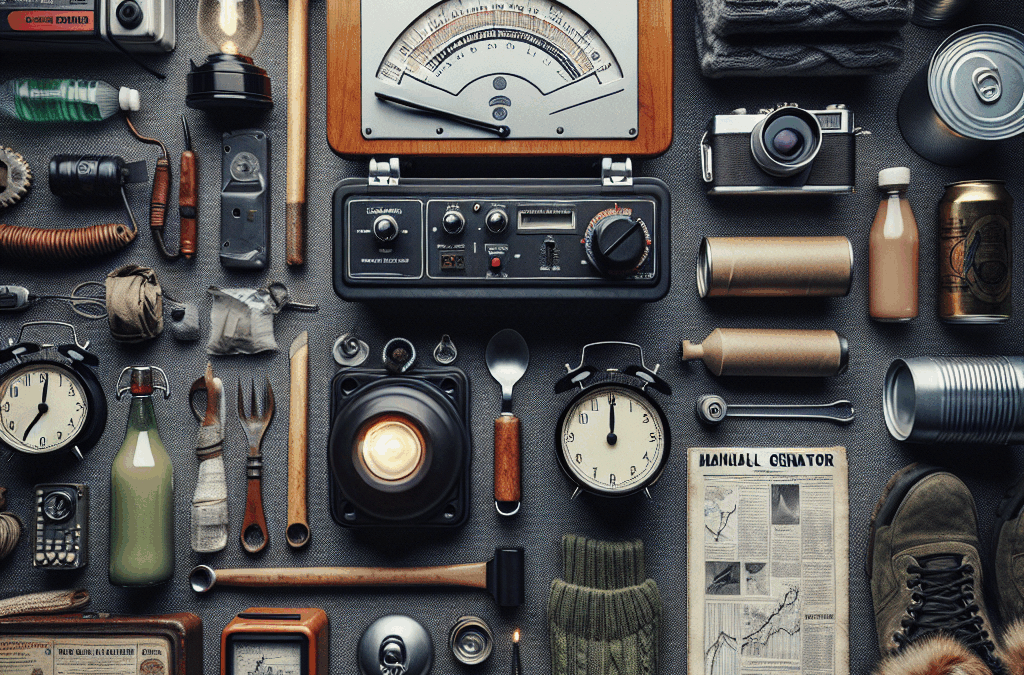
One of the best investments I made was getting a generator. These things can be lifesavers when power goes out for an extended period. But it’s crucial to know how to operate it safely. I’ve learned that propane or solar generators can be a good choice depending on your situation.
Fuel storage is another consideration. I always try to keep extra fuel on hand while storing it correctly away from the house. Proper storage not only keeps my generator running but also gives me peace of mind during longer outages.
If a generator isn’t in your budget, think about smaller options like power banks or solar chargers for devices. I love having these handy for when I don’t need a full generator but still want to keep my essentials running.
Creating an Emergency Response Plan
Developing a Family Action Plan
One of the final steps I suggest is developing an action plan. Identify what you should do when the power goes out. This might mean having a manual for your generator or a backup cooking method like a camping stove. Knowing these steps can make things much smoother in an emergency.
I also recommend establishing who’s in charge of what in your family. For example, I assign my kids tasks like helping to organize supplies or checking on neighbors. Giving them responsibility creates a sense of control during an uncertain time and helps keep morale high.
Finally, practice your plan occasionally. We make a game out of it, checking to see how quickly we can do everything in our plan. It feels less like a chore and more like a family activity, which I appreciate when preparing for tougher times.
Conclusion
Being prepared for extended power failures doesn’t just provide peace of mind; it can truly make a difference in how well you and your loved ones cope during challenging times. From understanding potential risks to having a solid action plan, I hope these tips help you feel confident when facing unexpected outages! Remember, it’s all about being proactive rather than reactive.
FAQ
1. What should I include in my emergency supply kit?
Your emergency supply kit should include water, non-perishable food, first-aid supplies, flashlights with extra batteries, a portable phone charger, and necessary medications.
2. How can I ensure my family stays connected during a power outage?
Establish a communication plan that includes a designated point of contact and set meeting locations. Using messaging apps that work offline can also help.
3. What kind of backup power source should I consider?
Generators are great for providing backup power. Depending on your needs, you might consider propane, solar generators, or smaller devices like power banks.
4. How often should I check and update my emergency plan?
It’s a good idea to review your emergency plan at least twice a year. Keep supplies fresh and make sure everyone in your family knows the plan.
5. How can I make my kids feel involved in the planning process?
Assign them tasks and allow them to help create the emergency kit or practice the action plan with you. Making it a fun family activity can keep them engaged.
In today’s unpredictable world, the importance of emergency preparedness cannot be overstated. Whether it’s a natural disaster, a power outage, or an unexpected family crisis, being ready can make all the difference. That’s where an emergency kit comes into play. But what exactly is an emergency kit, and why is it essential for every household?
*Understanding the Basics: What is an Emergency Kit and Why You Need One**
An emergency kit is essentially a collection of supplies and tools designed to sustain you and your family during unforeseen situations. Think of it as your safety net in times of chaos. The rationale behind having one is straightforward: when disaster strikes, time becomes a luxury you can’t afford. An organized kit ensures that you have immediate access to vital resources—food, water, medical supplies—without having to scramble at the last minute.
*Essential Supplies: What to Include for Every Situation**
So what should your emergency kit contain? The essentials start with non-perishable food items—think canned goods or energy bars—and at least one gallon of water per person per day for three days. Don’t forget about first-aid supplies! A well-stocked first-aid kit inclusive of bandages, antiseptics, and any prescription medications is critical.
Flashlights with extra batteries are indispensable for illuminating dark spaces during outages. A multi-tool can be invaluable as well; it combines several functions in one small device. Don’t overlook personal hygiene products like wet wipes or hand sanitizer either—they’re important for maintaining health under stressful conditions.
Another must-have is a battery-operated radio or weather radio to stay updated on the latest news and alerts. Lastly, documents such as IDs, insurance information, and medical records should be safely stored in waterproof containers within your kit.
*Customization is Key: Tailoring Your Kit to Family Needs and Locations**
While these basics serve as a solid foundation, customization transforms an ordinary emergency kit into an extraordinary lifeline tailored specifically to your family’s needs and circumstances. If you have young children or pets, including baby formula or specific pet food could be crucial.
Additionally, consider your geographical location—those living in hurricane-prone areas may need different supplies compared to someone situated near wildfires or earthquakes. Creating a versatile yet personalized kit means anticipating potential risks unique to your environment while ensuring everyone’s individual needs are met.
*Maintenance Matters: How to Keep Your Emergency Kit Ready for Action**
Creating an effective emergency kit isn’t just a one-time task; maintenance plays a pivotal role in its efficacy over time. Regularly check expiration dates on food items and medications—replace them as needed so nothing goes stale or becomes ineffective.
Every six months or so (perhaps during daylight saving time changes), conduct an inventory review of your kits’ contents. This ensures everything remains functional and relevant while allowing you the peace of mind that comes from being prepared.
*Beyond the Kit: Creating an Emergency Plan for Your Household**
Lastly, don’t underestimate the significance of weaving together an emergency plan alongside your well-stocked kit. Discuss escape routes from your home should evacuation become necessary; establish meeting points where family members can regroup after a disaster strikes. Ensuring open communication about these plans can alleviate anxiety when emergencies arise.
In conclusion, transitioning from chaos to calm begins with proactive steps towards preparedness through crafting a thoughtful emergency kit and plan tailored specifically for you and your loved ones. With each item gathered and strategy discussed, you’ll find comfort knowing you’re ready for whatever life throws at you next!