
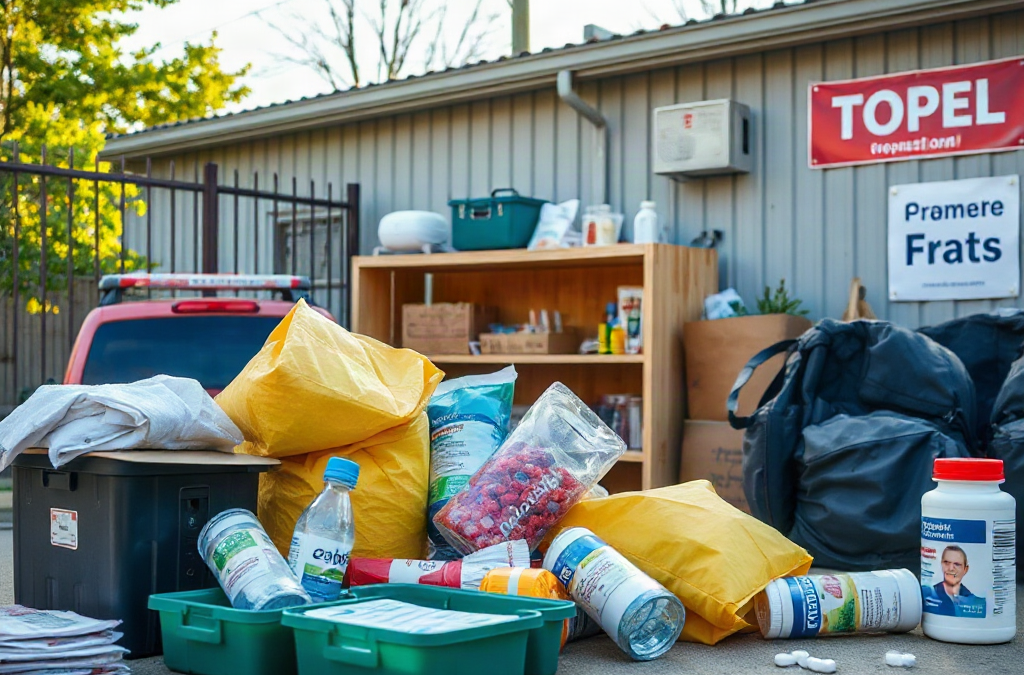
Emergency preparedness drills that test real decisions use realistic disruptions, limited information, time pressure, and competing priorities to reveal whether people can choose, communicate, and act safely. A useful drill might require deciding whether to shelter or evacuate, which information source to trust, how to assist a dependent person, or when to abandon a failed transportation route. Run the scenario without coaching, record decisions and delays, then debrief the reasoning rather than judging people for imperfect outcomes. Short tabletop exercises suit first attempts, while timed, multi-step drills expose communication gaps, unclear authority, missing supplies, and assumptions that would otherwise remain hidden.
What Makes a Drill Test Real Decisions
A decision-focused preparedness drill presents a problem that cannot be solved by reciting a checklist. Participants must interpret changing information, select among imperfect options, and explain what they will do next. That distinction matters because a household or team may own water, batteries, first-aid supplies, and printed contacts yet still hesitate when an evacuation order conflicts with a loved one’s work schedule or a familiar route is blocked.
The strongest exercises introduce constraints deliberately. Give participants a short scenario, a starting time, a few known facts, and one or two developments delivered later. Do not reveal the “correct” response in advance. For example, a simulated winter power outage could begin with a loss of heat and then add a dead phone battery, a neighbor requesting medication transport, or a road closure. The purpose is not to imitate every detail of a disaster; it is to observe how people prioritize safety, information, mobility, and care responsibilities.
A discussion-only tabletop is often the right first step for young children, older adults, or people with mobility limitations. A timed physical exercise may be more informative for testing alarms, grab bags, lighting, or exit routes, but it can create unnecessary risk if participants run, use real flames, drive during poor conditions, or interrupt essential medication routines. Choose the lowest-risk format that still exposes the decision you want to examine. A useful Emergency preparedness drills that test real decisions program separates simulated danger from genuine danger.
Common failure comes from making the scenario too comfortable. If everyone knows the location, timing, answer, and available resources, the exercise measures memory rather than judgment. A second mistake is turning the event into a performance test for one leader. Effective drills let every participant state what they know, what they do not know, and what authority they have to act.

Scenarios That Reveal Judgment Under Pressure
Scenarios should be built around a specific decision, not a dramatic disaster label. “A major storm occurs” is too broad to guide observation. “The power has been out for four hours, indoor temperature is falling, one person needs refrigerated medicine, and the nearest open shelter is unfamiliar” creates choices that can be discussed and measured.
Several scenario types work especially well. An evacuation exercise can test when participants leave, which route they choose, how they confirm destination information, and what happens if a vehicle is unavailable. A shelter-in-place exercise can examine ventilation decisions, room selection, communication with people outside the home, and the point at which conditions require relocation. A communications scenario can introduce conflicting messages from a social media post, a neighbor, and an official alert, then ask participants to identify which information they will verify before acting.
Care responsibilities add realism. Ask how the plan changes when a child is at school, a pet cannot travel easily, an older relative cannot use stairs, or a household member works an overnight shift. These details often expose a weak assumption: that everyone receives the same warning, has the same mobility, or can stop what they are doing immediately. A plan that works for two healthy adults may fail when a single person is home with an infant and a dead vehicle battery.
Use injects sparingly. One new fact every few minutes can reveal adaptation; a dozen simultaneous problems usually produces confusion without useful learning. Compare a simple scenario with an advanced one: beginners might decide between two exits, while an experienced group might manage a changing destination, incomplete information, and a missing decision-maker. In both cases, the exercise should identify what participants need to know, not reward theatrical urgency.
Before running the drill, write down the intended decision points. These might include verifying an alert, selecting a meeting location, accounting for everyone, conserving phone power, or ending travel when conditions become unsafe. Without predetermined decision points, observers tend to remember the most dramatic moment and miss the quiet delay that caused it.
How to Run and Measure the Exercise
A practical drill has five stages: define the objective, brief participants, introduce the scenario, observe decisions, and debrief. The objective should be narrow enough to assess. “Test the emergency plan” invites vague conclusions; “determine whether everyone can identify the out-of-area contact and choose a fallback when messaging fails” produces observable evidence.
Start with a safety briefing. State what is simulated, what is real, which actions are prohibited, and how anyone can stop the exercise. Do not disable utilities, block exits, withhold medication, or create a realistic hazard. If the exercise includes walking an evacuation route, conduct it under normal conditions and treat traffic, weather, and accessibility as planning considerations rather than stunts.
Observers should record behavior rather than grade personality. Useful notes include the time an alert was acknowledged, the source used for verification, the point when a route changed, whether someone was assigned to account for dependents, and what information remained unknown. A clock can expose hidden friction: ten minutes spent debating a meeting place may matter more than a minor packing error.
A compact observation checklist can include:
- Who had authority to make the first decision?
- Which facts were verified, and which assumptions were treated as facts?
- How were children, pets, medication needs, and mobility limits handled?
- What failed first: information, equipment, transportation, or coordination?
- What decision would become harder after another hour?
Do not confuse speed with quality. A rapid evacuation choice based on an unverified rumor may be worse than a slower decision that confirms the destination and accounts for everyone. Conversely, endless verification can become dangerous when conditions are deteriorating. The measure should be appropriate to the scenario: accuracy and accountability for information decisions, timely movement for evacuation decisions, and clear role assignment for coordination decisions.
Testing a backup is more revealing than displaying it. Ask participants to use the paper contact list instead of their phones, locate the flashlight without turning on room lights, or communicate from separate rooms using the agreed method. If a supposedly ready item is difficult to find, inaccessible, uncharged, or unfamiliar, record that as a design problem rather than blaming the user.
Debriefing Failures Into Better Actions
The debrief should begin immediately while the sequence is still clear. Ask each participant what they noticed first, what they believed was happening, what information they needed, and why they selected their action. This separates a reasonable decision made with poor information from a careless decision made despite clear information.
Use neutral questions instead of “Why did you do that?” A better prompt is, “What made that option seem safest at the time?” If someone chose a blocked route because the map was outdated, the corrective action may be a map review or alternate destination—not a lecture about judgment. If people waited for one leader who was unavailable, the remedy may be delegated authority and a simple trigger for acting independently.
Look for system failures. Repeated confusion about meeting locations may indicate that the locations are too numerous or poorly labeled. Missed messages may reflect incompatible contact methods, not indifference. A person who cannot carry a bag may need a lighter arrangement, cached supplies, or assistance assigned in advance. Correcting the visible mistake without correcting its cause produces a polished plan that fails again.
Rank findings by consequence and ease of correction. A missing battery is inconvenient; no agreed method for confirming that a child has been collected may be more serious. Fix high-consequence gaps first, then address inexpensive improvements such as labeling, printed instructions, spare charging cables, or updated contact details. Keep a short action log with an owner and a review date.
One common mistake is praising a drill because it ended without an obvious crisis. A successful exercise may instead reveal several useful failures in a controlled setting. The goal is not to prove that participants are calm or competent. It is to make uncertainty visible while there is still time to change the arrangement.
For additional planning context, connect these findings to Emergency preparedness drills that test real decisions rather than treating the exercise as a one-time event. The value comes from the correction that follows it.
Building a Repeatable Practice Cycle
A useful practice cycle begins with a low-complexity tabletop, moves to a targeted equipment or communication test, and then revisits the original decision after changes are made. Repeating the same script is less valuable than varying one meaningful condition. Change the meeting location, remove phone service from the simulation, add a mobility constraint, or introduce an official update that contradicts an earlier assumption.
Space exercises around real changes. Run a short review after moving home, changing schools or workplaces, adopting a pet, adding medical equipment, purchasing a vehicle, or updating contact information. Seasonal conditions also matter: a summer heat event, winter outage, wildfire smoke scenario, and flood evacuation may require different thresholds and resources.
Keep records concise. Note the date, scenario, participants, decisions observed, unresolved risks, and completed corrections. A household may use a single page; an organization may need a formal improvement log. Either format is sufficient if someone checks whether the promised fix actually occurred.
There is a tradeoff between realism and accessibility. Highly complex exercises can overwhelm beginners and discourage participation, while extremely simple drills conceal coordination problems. Increase difficulty only after people can explain the basic decision path. A good sign is not flawless performance; it is that participants identify uncertainty sooner, ask for the right information, and know when a fallback should replace the original plan.
Review Emergency preparedness drills that test real decisions whenever household roles, routes, or communication tools change. The next exercise should test the correction, not merely repeat the previous failure.
Frequently Asked Questions
What is the difference between a drill and a preparedness discussion?
A discussion explores what people think they would do. A drill adds a scenario, time or information constraints, observable actions, and a debrief about what actually happened.
How often should a household run a decision-based drill?
Run a short exercise when major household circumstances change and revisit key decisions periodically. The interval matters less than testing after changes to people, routes, communication tools, or responsibilities.
Should a drill use real emergency equipment?
Use real equipment when doing so is safe and practical. Testing an actual flashlight, radio, contact list, or go-bag can expose problems that a conversation will miss, but never create genuine hazards.
What should observers record during the exercise?
Record decision times, information sources, unresolved questions, role confusion, accessibility barriers, equipment failures, and the assumptions that shaped each choice.
How can children participate without making the exercise frightening?
Use calm, age-appropriate scenarios such as choosing a meeting place, identifying a trusted contact, or finding a flashlight. Explain that the exercise is practice, avoid graphic details, and let the child stop.
Further Reading
Authoritative Sources
- Make a Plan
ready.govProvides official planning prompts that can be adapted into household decision scenarios and communication exercises
- National Preparedness
fema.govOffers federal preparedness concepts useful for structuring exercises, capabilities, and improvement activities
Conclusion
Decision-based drills are most valuable when they reveal the gap between owning a plan and using it under pressure. Choose one realistic decision, add only the constraints that matter, observe how information and responsibilities move, and debrief the reasoning behind each choice. Prioritize failures that could affect safety, accountability, mobility, or access to essential care. Then assign a concrete correction and test that correction later under a slightly different condition. A drill does not need simulated danger or perfect performance to be useful. It needs enough realism to expose hesitation, unclear authority, unreliable communication, and inaccessible resources before a real disruption makes those weaknesses harder to fix.
Related Content
- Household Preparedness for Enhanced Family Coping: A Practical Plan for Stress, Communication, and Recovery
- Emergency Prep for Pets: Essential Supplies and Safety Steps for Every Household
- How to Stay Safe in Disaster: Essential Steps for Creating a Personal Emergency Plan
- Beginning Prepper List by Priority and Cost for a Scalable Home Readiness Setup
- Essential Tips for Handling Insect and Animal Bites




