
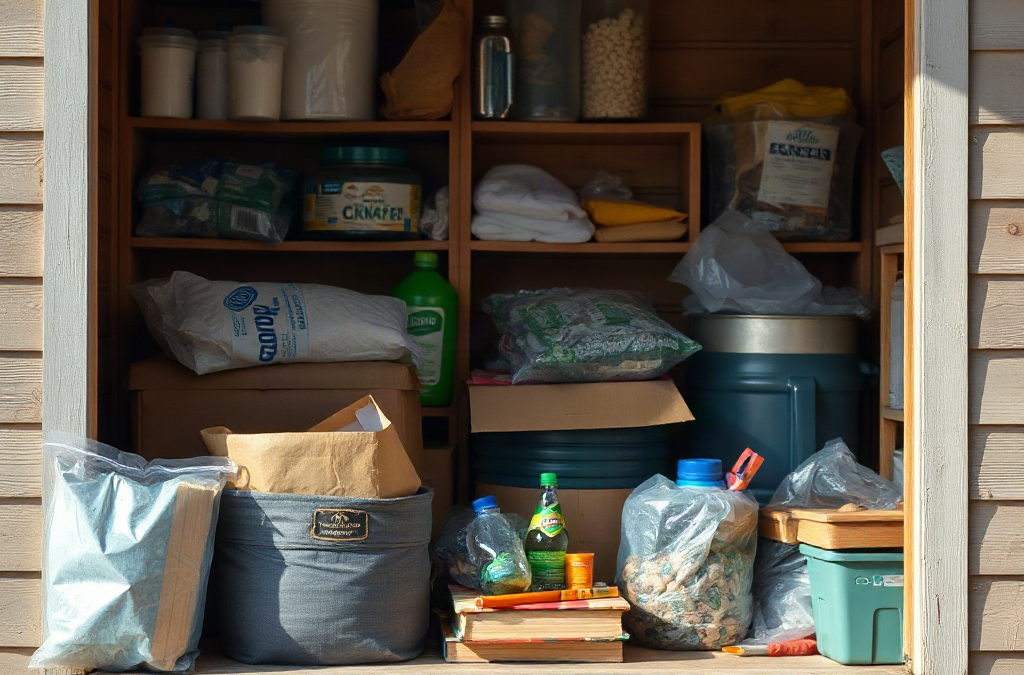
Tiered preparedness for households with limited resources means protecting immediate survival needs before investing in convenience items or long-duration supplies. Secure safe drinking water, essential medications, basic food, lighting, communication, and a way to manage sanitation first; then add tools for several days of disruption and finally improve comfort, mobility, and specialized needs. The method works by matching purchases and planning tasks to the consequences of failure, available cash, storage space, and household vulnerabilities. Avoid buying a large amount of food before checking water access, medication continuity, cooking options, and expiration dates. A written plan, practiced contacts, and gradually accumulated supplies can provide more resilience than one expensive kit.
Rank Risks Before Buying Supplies
Limited resources make prioritization more valuable than a long shopping list. A household should first identify disruptions that are plausible locally and then ask which failures would create immediate danger. A short power outage, a boil-water advisory, extreme heat, flooding, medication interruption, or an evacuation can require different responses. Buying the same set of items for every hazard often leaves expensive gaps, such as having canned food but no manual opener, or owning batteries without a way to receive local instructions.
Use a simple consequence test for each household need: how quickly would harm occur if it stopped, how difficult would replacement be, and whether another item or person could provide a backup? Drinking water and prescription access usually rank above comfort supplies because their loss creates problems quickly. A battery radio may be more useful than a large collection of novelty emergency products if local alerts and transportation information are hard to obtain during an outage.
Households can divide preparation into three working tiers. The first tier covers immediate safety and basic continuity. The second tier extends the household’s ability to function through a longer interruption. The third tier addresses comfort, convenience, recovery, and less likely but more demanding scenarios. The tiers are not rigid deadlines. A family facing a seasonal flood threat may move waterproof document storage into the first tier, while a household with a medically dependent resident may place backup power or a care-provider contact plan ahead of general camping equipment.
A common mistake is treating price as the only measure of value. A low-cost item that cannot be used safely, maintained, or stored may be less useful than a modest household adaptation. For example, learning how to shut off utilities, arranging a neighbor check-in, and keeping a paper list of phone numbers may cost nothing. Before making purchases, compare the consequence of failure with the cost of prevention, and record gaps in Tiered preparedness for households with limited resources planning rather than buying impulsively.

Build the First Tier Around Survival and Continuity
The first tier should keep people safe and functioning when normal services stop briefly. Water access comes first: determine how much drinking and cooking water is already available, how it will be stored, and what the household will do if the supply becomes unsafe. Sealed containers may be convenient, but clean food-safe containers and a documented treatment option can be practical additions when appropriate. Any treatment method must follow the instructions of an official public-health source or the product manufacturer; improvised chemical measurements can create another hazard.
Food in this tier should require little water, refrigeration, or cooking. Choose familiar items that household members will actually eat, such as shelf-stable meals, canned beans, fish, fruit, nut or seed products where suitable, crackers, and ready-to-eat grains. Include a manual can opener if cans require one. Food allergies, infant feeding, swallowing limitations, and religious or cultural requirements should be considered at the point of purchase, not after an emergency begins. A smaller rotating supply is generally more useful than a large stockpile that expires unnoticed.
Medication continuity requires individual attention. Keep an up-to-date medication list with names, doses, prescribing contact details, and pharmacy information, while following the prescriber’s and pharmacist’s instructions about refills and storage. Do not substitute or ration prescription medicines without professional advice. Basic first-aid materials, hygiene supplies, menstrual products, diapers, and cleaning materials belong in this tier because sanitation failures can complicate every other task.
Lighting and communication should be chosen for operation, not appearance. A flashlight with spare batteries, a charged power bank, a battery- or hand-powered way to receive alerts, and paper contact information can cover different failure points. Test these items occasionally. A common failure is placing supplies in an inaccessible basement, locked vehicle, or single room that may be unsafe. Keep the first tier in a known, reachable location and make sure more than one adult or responsible household member knows how to use it.
Expand Capacity Without Creating Waste
The second tier extends the household beyond the first interruption and adds redundancy where the first tier is vulnerable. This may include additional water storage, more varied shelf-stable meals, a safe cooking method if permitted, extra hygiene supplies, basic repair materials, and a plan for waste. The goal is not to recreate every household service. It is to preserve the functions that affect safety, health, communication, and the ability to leave or remain indoors.
Cooking illustrates the tradeoff clearly. A portable stove may be useful outdoors, but using fuel-burning equipment indoors or in an enclosed garage can cause carbon-monoxide poisoning or fire. A no-cook food reserve may be safer for an apartment household that cannot store fuel or ventilate cooking. Conversely, a household with a suitable outdoor location may value a small stove, fuel stored according to instructions, and a practiced setup. The best option depends on the building, local rules, ventilation, mobility, and the user’s ability to operate it under stress.
Transportation and information deserve attention at this stage. Keep a small amount of fuel only in ways permitted by local safety guidance, maintain a charged phone when possible, and identify walking, transit, and pickup alternatives. Copies of identification, insurance information, medical details, and emergency contacts should be protected from water and available without relying on cloud access. A printed map can matter when phone service, batteries, or network congestion prevent digital navigation.
Use a rotation system to prevent waste. Place newer food behind older food, write opening dates on packages, inspect batteries and power banks, and check whether stored water containers remain clean and intact. A useful test is a low-cost household drill: prepare one meal without normal cooking, locate the medication list, receive an alert, and communicate with the designated contact. If the drill exposes missing tools or confusing instructions, fix those gaps before expanding into higher-cost purchases. An often-misleading assumption is that more quantity automatically equals more readiness; unusable quantity merely increases storage and replacement costs.
Adapt the Plan to People, Space, and Cash Flow
A workable third tier improves durability and recovery rather than competing with rent, food, medical care, or debt obligations. It may include spare eyeglasses, backup chargers, weather-appropriate clothing, a sturdier water container, additional sanitation capacity, equipment for a specific disability, or materials for minor home protection. These additions should follow an observed gap in the first two tiers. Buying advanced equipment before solving basic access problems can leave a household less financially stable without meaningfully reducing risk.
Household composition changes the ranking. An infant may require formula, bottles, and a safe water plan; a person with mobility limitations may need evacuation assistance and a device-accessible communication method; a pet may need food, medication, a carrier, and vaccination records. Older adults may need larger-print instructions or a contact arrangement that does not depend on smartphone use. Ask each person what they cannot safely go without, then assign a backup person and a storage location for those items.
Space constraints call for consolidation rather than abandonment. A small apartment can use a labeled under-bed container, a compact document pouch, and a rotating pantry shelf. A household with no private storage may coordinate selected supplies with trusted relatives or neighbors, but shared arrangements should specify who holds what, how access will work, and what happens if someone evacuates. Do not place all critical items in one person’s home or one vehicle.
Cash flow should shape the purchase rhythm. Set a small recurring amount, buy one high-priority gap at a time, and favor items that serve ordinary life as well as emergencies. A replacement flashlight, shelf-stable food already used in meals, or a power bank used for daily charging is easier to maintain than specialized gear purchased once and forgotten. Assistance programs, public cooling centers, local preparedness offices, libraries, and community organizations may provide information or services, but availability varies. Verify details locally rather than assuming an advertised program operates in every area.
Use the household preparedness plan as a living record. Review it after a move, medication change, new household member, job or transportation change, or major weather event. Signs the approach is working include finding supplies quickly, knowing who communicates with whom, and completing basic tasks without unsafe improvisation. Signs it is failing include expired food, inaccessible storage, unclear evacuation responsibilities, or a plan that depends on one person being available.
Turn Priorities Into a Maintainable Routine
Preparedness becomes affordable when maintenance is built into ordinary routines. Attach a monthly check to an existing activity, such as paying bills or cleaning the pantry. Inspect the first-tier container, confirm contact information, rotate food, check flashlight operation, and review medication-related instructions. A seasonal review can address heat, cold, wildfire smoke, flooding, or storm-specific needs. These small checks reduce the chance that a purchase will fail when it is finally needed.
Write instructions in plain language and keep them where they can be found. Include the meeting place, an out-of-area contact, school or care arrangements, utility shutoff information, pet responsibilities, and the decision points for sheltering or leaving. Practice only the tasks that fit the household’s actual situation. A resident who cannot climb stairs may need an evacuation conversation with building management or neighbors, not a generic exercise that assumes everyone can carry a heavy bag.
When money is especially tight, use a priority list rather than postponing everything. First secure water, essential medications, basic food, sanitation, lighting, and communication. Next address transportation, documents, cooking limitations, weather exposure, and individual care needs. Later consider comfort items, expanded reserves, and specialized equipment. This sequence does not promise complete protection, but it directs limited money toward failures with the greatest immediate consequences.
The related resource planning approach should remain flexible. Official local alerts and public-health instructions take precedence over a prewritten assumption, especially for evacuation, water safety, wildfire smoke, or extreme weather. The practical objective is a household that can make sound decisions, protect its most vulnerable members, and use what it owns safely.
For hazard-specific advice, consult local emergency-management offices, public-health departments, utility providers, and the Federal Emergency Management Agency. Official guidance can clarify evacuation notices, water treatment, carbon-monoxide risks, shelter locations, and assistance options that vary by community.
Frequently Asked Questions
What should a household buy first when money is limited?
Prioritize safe water, essential medication information and continuity, familiar ready-to-eat food, sanitation supplies, lighting, and communication. Select items that are usable in ordinary life so they are easier to rotate.
How do preparedness tiers differ?
The first tier covers immediate safety and basic continuity. The second extends operations and adds redundancy, while the third improves comfort, recovery, and specialized capability after higher-consequence gaps are addressed.
Is a large emergency kit necessary?
No. A smaller, accessible set of suitable supplies can outperform a large kit with expired food, missing medication needs, or equipment the household cannot safely operate.
How can renters prepare without much storage space?
Use a labeled compact container, rotate pantry items, protect documents in a waterproof pouch, and coordinate clearly defined support with trusted neighbors or relatives. Avoid storing every critical item in one off-site location.
When should the plan be reviewed?
Review it regularly and after a move, medication change, new dependent, transportation change, or major local hazard. Test access, communication, lighting, food preparation, and evacuation responsibilities rather than only checking inventory.
Conclusion
Limited money does not require an all-or-nothing approach to readiness. Rank supplies by the consequences of losing water, medication access, food, sanitation, lighting, communication, and safe transportation, then build outward as funds and space allow. Keep the first tier reachable, choose food and equipment the household can genuinely use, and avoid hazardous substitutes such as indoor fuel-burning appliances. A plan should reflect disabilities, age, pets, building limits, local hazards, and the possibility that a key helper is unavailable. Small recurring purchases and routine checks are usually more sustainable than one large shopping trip. The next practical step is to inspect the home for its three most serious gaps, assign each to a tier, and address the highest-consequence gap before buying anything lower on the list.




