
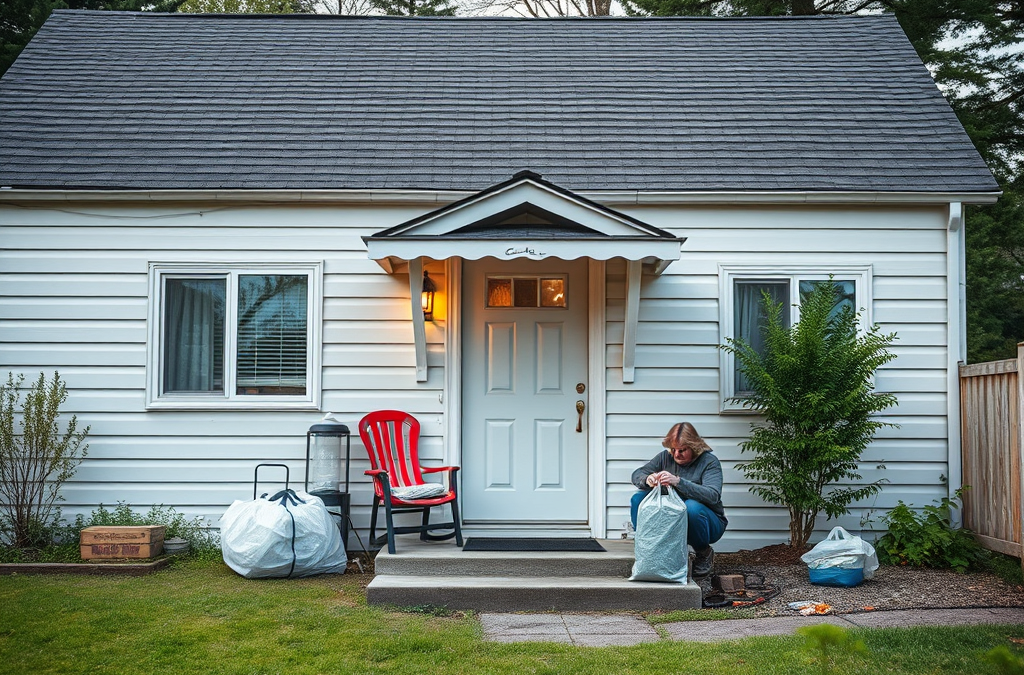
Preparing a destination before evacuating without notice means making the arrival site usable, reachable, and safe before departure becomes urgent. Confirm who can enter, how to reach the property if roads change, and whether water, sanitation, heat, lighting, and sleeping space are available. Store a small arrival cache rather than assuming the destination has usable supplies, and identify a backup location if access is blocked or the site is already occupied. Check local hazards, communication coverage, fuel needs, pets, medications, and document access in advance. A destination that looks suitable on a map may fail because of locked gates, damaged utilities, poor drainage, or limited road access.
Screen the Destination Before It Becomes Your Exit Point
A destination should be evaluated as an operating location, not merely as an address where someone has offered a spare room. Preparing a destination before evacuating without notice starts with confirming that the site can support people for the expected period and that arrival will not create a second emergency. A home, hotel, relative’s property, campground, or workplace may look practical under normal conditions but become unusable when roads close, utilities fail, or several households arrive together.
Ask the destination owner or manager specific questions while conditions are calm. Confirm the exact entrance, parking limits, sleeping arrangements, restroom access, cooking options, pets policy, and whether anyone else is expected. If the property is vacant, verify who holds the key and whether a gate, alarm, smart lock, or building access system depends on electricity or internet service. A verbal offer without an access plan is a weak arrangement.
Local hazards deserve equal attention. Check whether the destination is exposed to wildfire, flooding, severe storms, extreme heat, winter isolation, industrial hazards, or a single-road access problem. A location farther away is not automatically safer if reaching it requires a bridge, mountain pass, ferry, or narrow road likely to close. Compare a familiar nearby site with a more distant alternative: the nearby option may be easier to reach but exposed to the same hazard, while the distant site may offer better separation but require more fuel, time, and coordination.
Use a simple screening record for each possible destination:

- Physical address, coordinates, and a plain-language description of the entrance.
- Primary contact, backup contact, and permission to arrive without another call.
- Known hazards, road constraints, parking capacity, and nearby services.
- Available beds, floor space, bathrooms, water, heating, cooling, and cooking equipment.
- A backup destination if the first site cannot be reached or safely occupied.
A common mistake is choosing a destination based on distance alone. Test the route at different times, note fuel stops, and identify places where a detour would be possible. If the destination has never been visited, save offline maps and record visual landmarks. That preparation reduces dependence on a functioning cellular network at the exact moment traffic, weather, or public alerts are disrupting service.
Make Water, Shelter, And Sanitation Ready
The first-night condition of a destination usually depends more on basic utilities than on comfort. Water, a place to sleep, temperature control, lighting, and sanitation determine whether an arrival site is immediately usable. Before leaving, establish which necessities are already present and which must travel with you. Do not assume that a property has safe drinking water simply because a tap exists; the supply may be shut off, contaminated, frozen, or unavailable during an outage.
Keep destination supplies separate from the household’s departure bags when possible. A compact cache can include drinking water, containers, shelf-stable food, a manual can opener, blankets or sleeping pads, flashlights, spare batteries, hygiene items, trash bags, basic cleaning supplies, and any equipment needed for infants, older adults, or pets. Store items where the owner agrees they may remain, and label expiration dates or inspection dates. If storing supplies is impossible, maintain a destination-specific shopping list and identify open stores along the route, while recognizing that evacuation demand may empty them.
Sanitation requires more thought than a spare roll of toilet paper. Determine whether toilets depend on electricity, municipal water pressure, a pump, or a septic system. Ask where waste and household rubbish can be contained if normal collection stops. A small private room may be comfortable for one person but unsuitable for a family if there is only one bathroom or no place to isolate someone who becomes ill. These constraints should influence who uses each destination.
Temperature is another practical test. A destination without heating or cooling may become unsafe for vulnerable occupants even when the structure itself is intact. Identify the safest room, available ventilation, backup lighting, and any restrictions on fuel-burning devices. Never use a grill, camp stove, or fuel-burning heater indoors unless it is specifically designed and approved for that setting; carbon monoxide can accumulate without obvious warning.
Think in layers rather than trying to duplicate a fully stocked home. The destination should cover the first several hours, the travel kit should cover the journey, and a replenishment plan should address the next few days. A common failure is bringing plenty of food but no way to prepare it, or carrying water without containers, sanitation supplies, or a method to keep children and pets settled. Link the arrangement to your broader preparing a destination before evacuating without notice plan so that missing items are visible before a rushed departure.
Build Access, Communication, And Arrival Redundancy
Access arrangements fail when they depend on one person, one route, or one electronic system. Preparing a destination before evacuating without notice should include a physical entry method and a communication method that still works if the internet, mobile network, or electricity is unreliable. Obtain permission in advance for a key, lockbox, garage code, or trusted local contact. Record instructions privately and avoid leaving sensitive access details in an exposed vehicle or publicly visible note.
Route planning should account for more than normal driving time. Identify alternate roads, fuel locations, rest points, and places where a vehicle could safely turn around. A route that is technically open may be impractical because of congestion, smoke, flooding, fallen trees, or emergency traffic control. Save maps for offline use and keep a paper copy with the destination address, route alternatives, and contact numbers. If traveling with multiple vehicles, agree on a meeting point rather than assuming the group will remain together.
Communication plans should specify what happens when a call does not connect. A short text may succeed when a voice call fails, but neither should be the only confirmation method. Set a check-in time, a message format, and a second contact outside the affected area who can relay information. The destination contact should know the expected number of people, vehicles, pets, and likely arrival window. This prevents confusion if one household arrives early or if another family is already using the space.
Consider the difference between a destination that is reachable and one that is resilient. A hotel may provide predictable beds and sanitation but could be full, expensive, or inaccessible during a regional evacuation. A relative’s home may offer flexibility but have limited water, sleeping space, or privacy. A public shelter may be more dependable for some households, especially when private arrangements collapse, but it may have restrictions on pets, medication storage, or personal equipment. Maintain at least one alternative rather than treating the first invitation as guaranteed.
Test the plan with a low-pressure visit. Unlock the entrance, locate the water shutoff and electrical panel if appropriate, check the sleeping area, and verify that the route matches the saved directions. Signs of a failing plan include an unanswered contact, an expired access code, unclear parking, no agreed arrival time, or supplies that cannot be found quickly. Resolve those issues while changing the arrangement is still easy.
Create A Destination Readiness Plan
A useful destination plan turns scattered details into decisions that can be made quickly. Write down the trigger for using the destination, the people authorized to go, the order of contact, the route, the supplies already there, and the conditions that would make the site unacceptable. The plan should be short enough to use under stress but specific enough that another adult could follow it without asking for background information.
Use three readiness levels. Ready means access is confirmed, basic utilities have been checked, and supplies are in place. Conditional means the site may work but requires a call, route check, fuel purchase, or alternate sleeping arrangement. Unavailable means the property cannot be reached, the hazard affects it, the owner has withdrawn permission, or essential services are absent. This simple classification prevents wishful thinking when a familiar destination is no longer viable.
Assign responsibilities before an emergency. One person can monitor official alerts and road information, another can manage documents and medications, and another can confirm the destination. Households with pets should identify carriers, food, vaccination records, and whether the destination permits animals. People who rely on refrigerated medication, mobility equipment, oxygen, or electrical devices need a destination-specific power and storage assessment rather than a generic packing list.
Review the arrangement whenever seasons, household members, vehicles, or property conditions change. A summer destination may have no workable heat in winter; a spare bedroom may disappear after a move; a route may change because of construction or a new access restriction. Recheck stored water, food, batteries, hygiene items, and medication supplies on a schedule that fits their replacement needs.
Prioritize reliability over completeness. A modest destination with confirmed entry, usable water, two communication paths, and a backup route is often more valuable than a remote property filled with supplies but no dependable access. For a broader household planning reference, connect this work with preparing a destination before evacuating without notice and record the final details where every responsible adult can retrieve them.
Frequently Asked Questions
What should be checked first at an evacuation destination?
Confirm permission to enter, safe access, drinking water, sanitation, sleeping space, and the presence of hazards. These conditions determine whether the location is usable at all.
How much should be stored at the destination?
Store enough basic water, food, lighting, hygiene supplies, and bedding to cover the initial arrival period. The amount depends on the number of occupants, available utilities, and how quickly resupply may be possible.
What if the destination loses power?
Identify lighting, safe temperature-control options, charging methods, food preparation equipment, and medication-storage needs. Never operate fuel-burning equipment indoors or in enclosed areas.
Should there be more than one destination?
Yes. A backup location protects against blocked roads, changed hazards, full accommodations, withdrawn permission, or utility failure at the primary site.
How often should a destination plan be reviewed?
Review it when seasons, occupants, vehicles, routes, or property conditions change, and periodically check stored supplies, contact details, access codes, and route information.
Further Reading
Authoritative Sources
- Academy of Nutrition and Dietetics
eatright.orgProfessional nutrition guidance, healthy eating resources, and practical dietitian-reviewed advice.
- U.S. Department of Agriculture
usda.govOfficial food, nutrition, agriculture, and consumer guidance from the USDA.
- NIH Office of Dietary Supplements
ods.od.nih.govResearch-based fact sheets on nutrients, supplements, dietary intake, and safety considerations.
- International Society of Sports Nutrition
sportsnutritionsociety.orgEvidence-informed sports nutrition resources and position stands for active people and athletes.
Conclusion
A destination becomes evacuation-ready when arrival details have been verified rather than imagined. Confirm entry permission, route alternatives, water, sanitation, sleeping arrangements, temperature control, communication methods, and the limits of the property. Store a small, clearly maintained arrival cache, but do not let supplies conceal a weak access plan or a destination exposed to the same hazard you are leaving. Assign household responsibilities, document a backup location, and test the arrangement with a normal visit. The next useful step is to make a one-page destination record and resolve every item marked conditional or unavailable. That work turns an uncertain refuge into a location your household can evaluate and use under pressure.
Related Content
- Emergency Backup Power Options: A Practical Comparison of Generators, Inverters, and Battery Systems
- Ready for Anything Checklist: Essential Supplies and Steps for Preparedness
- Preparing Kids for Emergencies: Fun and Educational
- 10 Effective Off Grid Survival Tips (2025 Guide) to Thrive Anywhere
- When should I re-evaluate my emergency preparedness plan?




