
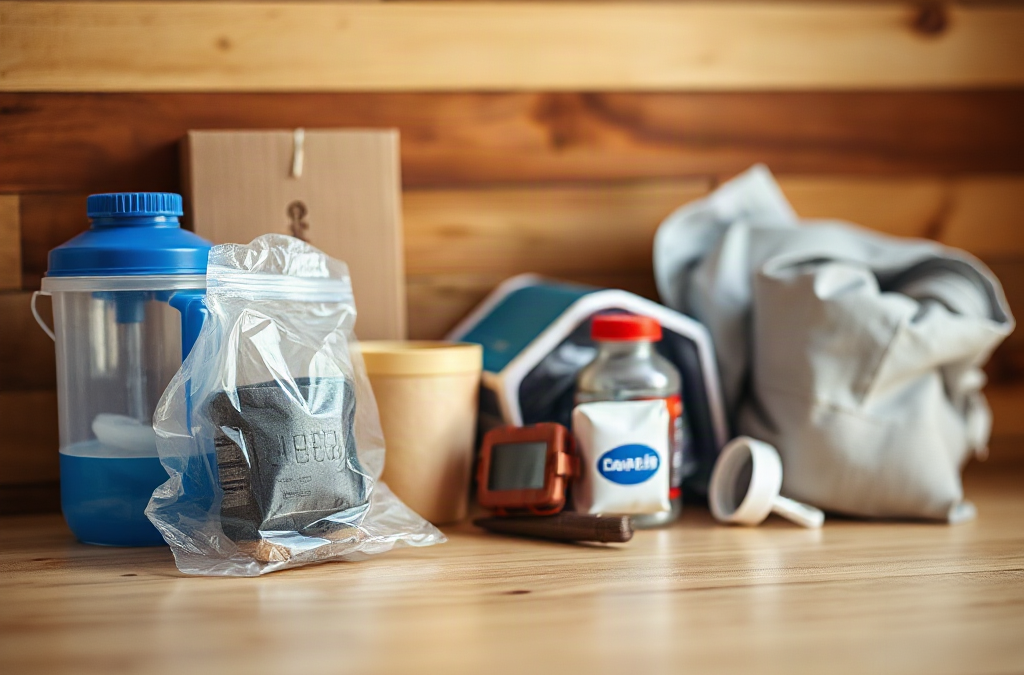
Preparedness kit contents for sheltering at home should cover drinkable water, ready-to-eat meals, prescriptions, sanitation, lighting, communication, first aid, and supplies for pets or dependents. Store enough water for drinking and basic hygiene, choose foods that need little or no cooking, and keep a manual can opener available. Add battery or crank lighting, spare batteries, a power bank, a battery radio, cash, copies of important documents, and appropriate clothing. Review medications, infant supplies, mobility needs, and backup sanitation before an outage occurs. Label expiration dates, store supplies where they are accessible, and test equipment periodically; a large box of food is not useful if it cannot be opened, cooked, or safely stored.
Set Priorities Before Buying Supplies
A home-sheltering kit is most useful when it supports the first few days of restricted travel, utility loss, severe weather, or contamination outside the home. The contents should be selected around specific household functions: hydration, calories, medication, hygiene, temperature control, communication, and safe movement through dark rooms. Buying miscellaneous gear without assigning those functions often produces duplicate flashlights while leaving out prescription refills or a way to manage waste.
Begin with the people who will use the kit. A toddler may need formula, diapers, and a familiar feeding method; an older adult may need hearing-aid batteries, mobility equipment, or refrigerated medicine; a pet may require food, water, litter, and medication. A person with food allergies cannot rely on a generic assortment of canned meals. These details change the kit more than the brand of backpack or storage bin.
Use a priority order when money or storage space is limited. Water and medically necessary items come before comfort products, while lighting and sanitation usually deserve attention before specialized tools. A compact household inventory can include:
- Water containers and a practical method for dispensing water.
- Foods that match dietary needs and can be eaten with minimal cooking.
- Prescription medicines, first-aid supplies, hygiene products, and waste bags.
- Flashlights, batteries, a radio, charging equipment, and basic tools.
- Documents, contact information, cash, clothing, and supplies for dependents or animals.
A common mistake is treating the kit as a sealed emergency box that never changes. The better approach is a household system: one accessible supply area, smaller grab-and-use items where they are needed, and a written inventory. A basement location may be unsuitable if flooding is possible, while a high shelf may be inaccessible to someone using a walker. The right placement is dry, identifiable, and reachable without moving heavy furniture.

Water, Food, and Cooking Equipment
Water deserves the first storage decision because people use it for more than drinking. A home kit may need water for beverages, preparing food, taking medication, and limited hygiene. Store water in food-grade containers, keep it away from chemicals and direct heat, and follow the container or local public-health guidance for replacement. Smaller containers are easier to lift and pour than one very large vessel, especially when the household includes children or older adults.
Food should be chosen for actual use rather than impressive shelf life alone. Ready-to-eat canned goods, shelf-stable cartons, nut or seed spreads, crackers, dried fruit, cereal, and familiar packaged meals can reduce reliance on electricity and cooking fuel. Include a manual can opener, sturdy utensils, cups, and resealable bags. Foods with high sodium may increase thirst, and very dry foods can be difficult to use when water is limited, so balance convenience with hydration needs and dietary restrictions.
Cooking equipment creates a safety tradeoff. An indoor-rated electric appliance may be useful while power is available, but outdoor fuel-burning equipment should not be used inside a home, garage, or enclosed porch because combustion can produce dangerous gases. If a household owns an alternative stove, store its fuel according to manufacturer instructions and keep a fire extinguisher accessible. No cooking option is preferable to an unsafe one.
Test the food plan before an emergency. Prepare one meal using only the stored ingredients, available water, and the proposed opener or stove. This exposes problems such as cans that no one likes, packets that require more water than expected, or cookware that is difficult to clean without running water. A useful rotation method is to place newer items behind older ones and mark purchase dates. Replace damaged, swollen, leaking, or badly rusted cans rather than assuming every shelf-stable item remains safe indefinitely.
For a fuller household inventory, compare this checklist with your Preparedness kit contents for sheltering at home notes, then adjust quantities for the number of residents and the likely duration of the disruption.
Health, Sanitation, and Personal Needs
Health supplies often determine whether sheltering remains manageable after the first day. Keep routine medicines in their original labeled containers when possible, maintain an up-to-date medication list, and ask a pharmacist or clinician how to handle continuity for essential prescriptions. Do not replace prescribed treatment with general first-aid products. Include spare eyeglasses, contact-lens supplies if appropriate, hearing-aid batteries, and copies of relevant medical information.
A first-aid kit should match likely household needs rather than serving as a substitute for medical care. Bandages, gauze, adhesive tape, antiseptic supplies, disposable gloves, scissors, tweezers, a thermometer, and commonly used over-the-counter products may be useful when used according to their labels. Add items for known conditions, but check expiration dates and storage instructions. A kit that contains only tiny adhesive strips is poorly matched to a household that regularly manages larger dressings or has young children.
Sanitation becomes harder when water service, sewer systems, or garbage collection is interrupted. Stock toilet paper, soap, hand sanitizer, toothbrushes, toothpaste, menstrual products, diapers, wipes, disinfecting supplies, paper towels, and heavy-duty trash bags. Separate clean supplies from waste-handling items. If toilets cannot be flushed, follow local instructions for temporary waste management rather than improvising a method that could expose people to contamination.
Personal comfort has a practical role. Spare underwear, warm layers, blankets, sturdy shoes, towels, and basic cleaning cloths make it easier to remain indoors safely when heating or cooling is limited. Comfort supplies should not displace water or medicine, but they can reduce unnecessary movement outside and help a household function during a long outage. Keep a small supply of preferred foods for children or people with sensory sensitivities; refusal to eat unfamiliar emergency food is a foreseeable failure, not a minor inconvenience.
Many kits fail because they serve an imagined average person. Review the contents by resident: allergies, mobility, language, age, medical equipment, pregnancy, infant feeding, and pet care may each require a separate line on the inventory. Include a spare leash or carrier for animals and enough familiar food to avoid abrupt dietary changes where possible.
Light, Information, Power, and Household Safety
Lighting and information supplies help a household make safer decisions when normal services are unavailable. Give each frequently used area a reliable flashlight or lantern, with spare batteries stored in their packaging or a protected container. Headlamps can leave both hands free for carrying water or assisting another person, while lanterns are better for illuminating a shared room. Candles may provide light, but they introduce an open-flame risk and should not be the default solution in homes with children, pets, or crowded spaces.
Keep a battery-powered or hand-crank radio, a charged power bank, charging cables for household devices, and a written list of emergency contacts. A phone may still work during a power outage, but its usefulness declines as the battery drains or networks become congested. Paper copies of addresses, medical contacts, insurance information, identification details, and utility shutoff instructions provide a backup when screens are unavailable. Store sensitive documents securely rather than leaving them exposed in an open kit.
Basic tools should solve likely household tasks: a multipurpose tool, work gloves, duct tape, adjustable wrench, pliers, a whistle, utility ties, and a fire extinguisher suited to the home. Add a smoke alarm and carbon-monoxide alarm only if the existing devices are missing or overdue for replacement, and follow manufacturer instructions for testing and placement. Never use a generator, charcoal grill, camp stove, or vehicle exhaust source indoors or near openings.
Consider temperature and air quality separately. Blankets, warm socks, layered clothing, and hats may help during cold conditions, while light clothing, battery-powered fans, and drinking water may be useful during heat. Do not assume a portable heater is safe merely because it is small; inspect its fuel requirements, clearance rules, and ventilation instructions. If authorities advise evacuation or leaving an unsafe building, a shelter-in-place kit is not a reason to remain.
The weak assumption here is that technology will solve every communication problem. Batteries fail, cables break, and internet service can disappear. Test the radio, recharge the power bank, label cables, and practice receiving local alerts. Use the Preparedness kit contents for sheltering at home checklist to identify which items provide information, which provide light, and which reduce direct safety risks.
Store, Test, and Rotate the Kit
Storage determines whether supplies remain usable under stress. Keep heavy water containers low, place frequently needed medicines where they can be reached quickly, and avoid locking the entire kit in a location that may become inaccessible. A main supply shelf can hold bulk items, while a smaller container near the bedroom can hold a flashlight, shoes, glasses, and a phone charger. Waterproof labels or a simple written map help visitors and family members find supplies without opening every container.
Schedule a practical inspection rather than relying on memory. Check food dates, water-container condition, batteries, power-bank charge, first-aid supplies, child sizes, pet food, prescriptions, and seasonal clothing. Open packaging that has never been used, test the can opener, and confirm that everyone knows where the radio and extinguisher are kept. A flashlight that works on the purchase date may have corroded contacts months later.
Use a short household drill to reveal operational gaps. Turn off a circuit briefly and prepare a no-cook meal, locate the sanitation supplies, send a test message to an agreed contact, and account for pets or dependents. Note what takes too long, what requires two people to lift, and what cannot be used without power. Those observations are more valuable than adding another novelty gadget.
Storage also involves security and resilience. Keep cash in small denominations, protect documents from moisture, and avoid advertising the location or contents of supplies. Share the inventory with trusted household members, but do not assume every resident will remember an elaborate system. Simplicity is an advantage: clear labels, familiar foods, accessible tools, and a repeatable review date usually outperform a complicated collection of specialized equipment.
For a final review, use the Preparedness kit contents for sheltering at home list room by room and mark each item as present, usable, accessible, or needing replacement. That status-based check catches more failures than counting objects alone.
Frequently Asked Questions
How much water should a home sheltering kit contain?
Use household size, local guidance, storage capacity, and the expected disruption to set the amount. Store water in manageable food-grade containers and include some capacity for basic hygiene, not only drinking.
What foods work best without electricity?
Choose familiar shelf-stable foods that need little or no cooking, such as canned meals, crackers, nut or seed spreads, cereal, and dried fruit. Add a manual can opener and check whether the food requires more water than you can spare.
Should a preparedness kit include a generator?
A generator is optional and requires careful fuel storage, ventilation, maintenance, and carbon-monoxide precautions. Never operate one indoors, in a garage, or close to doors and windows.
How should prescription medicines be handled?
Keep essential medicines available as allowed by the prescription and pharmacy process, retain labels, and maintain a current medication list. Ask a pharmacist or clinician about safe backup arrangements for temperature-sensitive or controlled medicines.
Where should home sheltering supplies be stored?
Use a dry, accessible location away from flood risk and excessive heat. Keep heavy items low, place critical items where they can be reached quickly, and use labels so every household member can find them.
Further Reading
Authoritative Sources
- Emergency Supply Kit
ready.govProvides federal guidance on assembling household supplies for disruptions and emergencies
- Food Safety During an Emergency
cdc.govExplains food and water safety concerns when power or normal services are interrupted
- Survival Kit Supplies
redcross.orgOffers practical household supply recommendations, including needs for medications and pets
Conclusion
A useful sheltering kit is organized around household functions, not a shopping list of impressive gadgets. Put water, medication, sanitation, suitable food, lighting, communication, and special-needs supplies ahead of low-priority comfort items. Test the opener, radio, power bank, and cooking plan before they are needed, and inspect dates, batteries, prescriptions, clothing, and pet supplies on a recurring schedule. Store heavy containers safely and keep critical items accessible if the power fails or movement through the home becomes difficult. Review official local instructions during an incident, especially when authorities address evacuation, contaminated water, fire, or unsafe air. A modest, tested kit that residents can use confidently is more dependable than a large container filled with unfamiliar or inaccessible supplies.
Related Content
- When Disaster Strikes: A Comprehensive Guide to Emergency Preparedness
- Hour Kit Checklist For First-Time Preppers: 60-Minute Priorities, Food, Water, And Common Mistakes
- The Ultimate Guide to Readiness Planning Strategies for 2025
- How to Protect Your Digital Life in a Crisis
- Essential Strategies for Effective Emergency Prep for Pets: Keeping Your Furry Family Safe




