
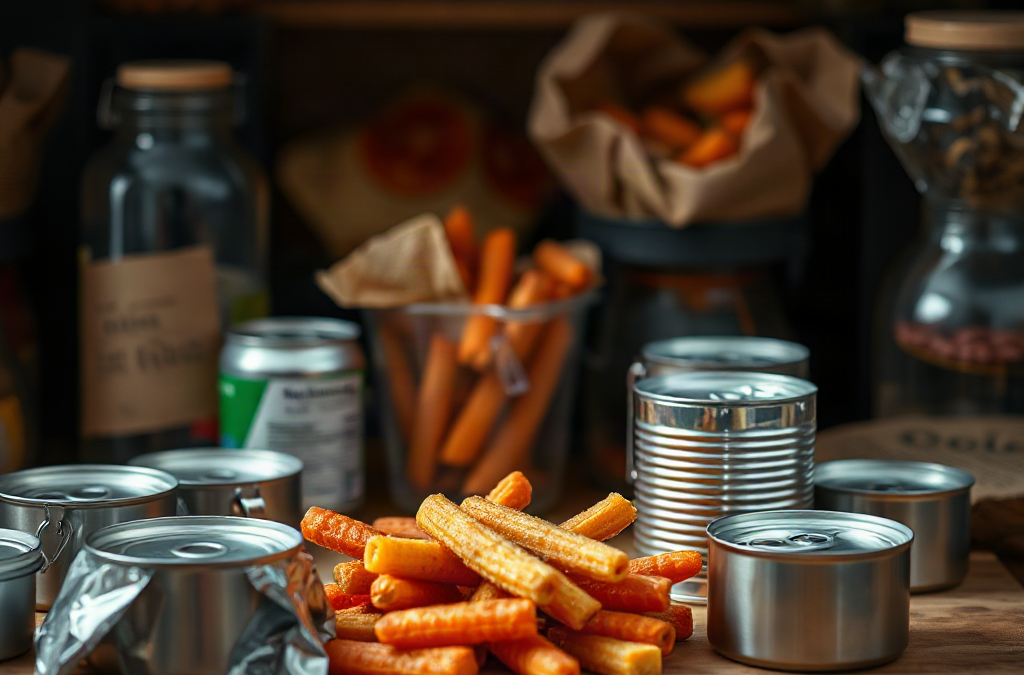
Ready-to-eat emergency food without cooking should combine shelf-stable calories, protein, fluids, and foods that remain safe and palatable when utilities are unavailable. Useful choices include canned fish or poultry with pull tabs, nut butter, crackers, fruit cups, beans, shelf-stable milk, ready-to-eat meals, and high-energy bars. Check expiration dates, packaging damage, allergy needs, and the amount of drinking water required before storing anything. Prioritize foods that need no heating, refrigeration, draining, or special utensils, because cans without openers and products requiring added water can become unusable. Rotate supplies through ordinary meals and keep a manual can opener, disposable utensils, sanitation supplies, and a written inventory nearby.
What Makes Emergency Food Truly Ready to Eat
Food qualifies as ready to eat during an outage or evacuation when it can be consumed safely from its package without a stove, microwave, boiling water, refrigeration, or lengthy preparation. That definition excludes many products marketed for emergencies. Freeze-dried meals, dry rice, pasta, dehydrated vegetables, and powdered mixes may store well, but they depend on clean water and a way to heat or rehydrate them. They can be useful as part of a broader supply, yet they should not be counted as the only food available when cooking is impossible.
The practical test is simple: could a tired person open, portion, and eat the item in a dark room with limited water? Pull-tab cans, tear-open pouches, individually wrapped bars, and single-serving fruit cups generally perform better than large containers that require draining, refrigeration after opening, or several utensils. A shelf-stable meal that needs only a spoon is more useful than one that needs a pan, measuring cup, and added water.
Texture and appetite matter as much as storage life. People may reject an emergency supply made entirely of dry bars or salty crackers, especially during heat, illness, stress, or dehydration. Include moist foods, familiar flavors, and several textures. A meal of tuna, crackers, fruit, and shelf-stable milk is more workable than a pile of identical snack foods because it combines protein, carbohydrate, fluid, and variety.
A common misconception is that “no cooking” means “no equipment.” Keep a manual can opener even if most cans have pull tabs, along with disposable utensils, napkins, resealable bags, hand sanitizer, and a small amount of water for cleaning. Those items reduce contamination and make bulky or multi-serving packages manageable. For a fuller supply strategy, connect this food list with your Ready-to-eat emergency food without cooking storage inventory rather than treating food as a stand-alone purchase.

The Most Practical Foods to Store
The strongest no-cook supply uses several food groups instead of relying on one emergency product. Canned seafood, chicken, beans, and meat provide protein; nut or seed butter contributes concentrated energy; crackers, tortillas, and ready-to-eat cereals provide carbohydrates; fruit cups and canned fruit add moisture and variety. Shelf-stable milk or fortified dairy alternatives can contribute fluid and nutrients, although packaging and dietary needs vary.
Choose packaging according to the situation. Pull-tab cans are convenient but can have tabs that bend or break, so a backup opener remains worthwhile. Pouches are lighter for evacuation but may be less durable in a crowded storage bin. Single-serving items reduce leftovers and handling, while larger cans may cost less per serving but require a plan for what happens after opening. If power may return quickly, a large container can be practical; if the household may relocate, compact portions are usually easier.
Useful categories include:
- Protein: canned tuna, salmon, chicken, beans, lentils, chickpeas, nut butter, and shelf-stable protein drinks.
- Energy foods: granola bars, dense crackers, trail mix, dried fruit, and ready-to-eat cereal.
- Moist foods: fruit cups, applesauce, canned vegetables, olives, and soups that are safe to eat cold if the label permits.
- Meal builders: tortillas, canned spreads, cheese products labeled shelf-stable, and condiment packets.
Product labels deserve close attention. “Shelf stable” does not mean every package is safe at every temperature, and a product that normally requires refrigeration should not be stored as an emergency item merely because it is sealed. Check the manufacturer’s storage instructions, allergen statement, serving size, and preparation directions. A ready-to-eat meal with a sauce packet may still require water, while a canned entrée may be edible cold but unpleasantly salty.
For example, a household with one vegetarian adult might choose beans, lentil pouches, nut butter, crackers, fruit, and shelf-stable milk rather than buying meat-heavy cases that will go unused. A person with swallowing difficulty may need softer foods such as applesauce, canned fruit, smooth spreads, or medically appropriate products. Dietary restrictions are not a minor detail: food that cannot be eaten is not part of the usable reserve.
How to Build a Balanced No-Cook Supply
Build the supply around eating occasions, not just individual packages. Start by estimating how many people need food, how long they may lack normal cooking, and whether the supply stays at home or travels. Then assign each eating occasion a protein source, an energy source, and a food with moisture or produce value. This approach exposes gaps that are easy to miss when shopping by category alone.
A simple example is a cold lunch: a tuna or bean pouch, crackers or a tortilla, fruit, and water. A breakfast could pair ready-to-eat cereal with shelf-stable milk and dried fruit. A snack may combine nut butter with crackers, provided no allergy concern exists. These combinations are not rigid menus; they are checks that prevent a stockpile from becoming all sugar, all sodium, or all dry food.
Prioritize the following in order:
- Usability: no cooking, minimal water, accessible packaging, and suitable textures.
- Safety: intact seals, appropriate storage conditions, and clear dates.
- Dietary fit: allergies, medical diets, age, swallowing ability, and cultural preferences.
- Variety: enough flavors and textures to make repeated cold meals tolerable.
- Rotation: products the household already eats and can replace routinely.
Water must be considered separately. Some foods contain moisture, but they do not replace drinking water, and salty items may increase thirst. Foods requiring rehydration should be counted against the water budget rather than described as fully ready to eat. Likewise, canned fruit packed in juice may be easier to consume than dry fruit for someone with limited water, while dry crackers are lighter and less vulnerable to leakage.
Cost creates another tradeoff. Premium emergency entrees can simplify storage but may offer little advantage over ordinary canned foods, beans, nut butter, and crackers purchased during regular shopping. The cheaper option often works better when the household rotates it, understands the packaging, and actually enjoys the taste. A useful trial is to serve one planned meal cold at home. Notice whether the food needs a can opener, creates excessive waste, causes thirst, or leaves anyone hungry. Adjust before an emergency exposes the problem.
Keep a small “first access” container separate from deep storage. Place pull-tab foods, bars, fruit, utensils, and sanitation supplies where they can be reached without moving heavy cases. Link that container to your Ready-to-eat emergency food without cooking rotation notes so the easiest items do not quietly expire while less convenient products are consumed first.
Storage, Rotation, and Food Safety
Storage conditions determine whether packaged food remains usable. Keep supplies in a cool, dry, clean location away from direct sunlight, leaks, fuel, chemicals, and pest activity. Heat can shorten the quality life of some foods, while dampness can damage cardboard, labels, and outer packaging. A basement shelf may be convenient but unsuitable if it floods; a garage may provide space but experience temperature extremes.
Inspect packages whenever supplies are moved. Discard cans that are bulging, leaking, badly rusted, or deeply dented at the seam. Do not taste food to decide whether questionable packaging is safe. For pouches, look for swelling, punctures, broken seals, or unusual leakage. Follow the product’s storage directions and understand that a “best by” date commonly relates to quality, while safety also depends on package integrity and storage history. When uncertain about a specific product, use guidance from food-safety authorities or the manufacturer rather than guessing.
Rotation works best when it is built into ordinary meals. Put newer items behind older ones, mark the purchase month on cases, and review the supply when changing seasonal equipment. Use older cans in lunches and replace them during normal shopping. This method also reveals whether the chosen food is too salty, too dry, difficult to open, or disliked by a family member.
Opened food changes the risk picture. Without refrigeration, do not assume a partially eaten can or pouch can wait safely for later. Use single servings when possible, and if an opened product must be saved, follow safe refrigeration guidance and discard it if proper cooling is unavailable. Clean hands, utensils, and surfaces before eating. A sanitation failure can turn a useful food supply into an additional problem, particularly when clean water is limited.
Cold consumption may affect quality even when it does not affect safety. Some canned foods are designed to be heated, and their texture or flavor may be poor straight from the container. Test representative products before storing large quantities. The mistake to avoid is confusing technical edibility with practical acceptability: a meal people refuse, cannot chew, or cannot open has little emergency value.
Common Mistakes and a Better Shopping Method
The most frequent mistake is buying for storage life alone. A case of foods with long dates can still fail if it contains allergens, requires cooking, depends on a can opener, or produces more sodium and thirst than the household can manage. Another weak assumption is that one product can cover every need. Bars may travel well but become monotonous; canned meals provide moisture but add weight; nut butter is energy-dense but unsuitable for some allergies and difficult to portion without a utensil.
Shop in stages. First, list the people, likely duration, storage location, dietary limits, and available water. Second, select a small number of products from each useful category. Third, conduct a cold-meal test using the exact packaging and tools that would be available during an outage. Fourth, record what was eaten, what was wasted, and what caused difficulty. Only then buy larger quantities.
Use a practical inspection checklist:
- Can every person eat it safely and comfortably?
- Can it be opened without electricity?
- Does it need added water, draining, refrigeration, or heating?
- Is there a protein source and a filling carbohydrate nearby?
- Will the package survive transport and storage?
- Can older stock be rotated through ordinary meals?
Scenario testing improves the result. For a short power outage, refrigerated food may be consumed first while shelf-stable items remain untouched. For evacuation, weight, leakage, and compact packaging become more important. For a household with young children, familiar flavors and easy-to-chew textures may matter more than maximum calories per package. For someone managing diabetes, food choices should fit their established medical guidance rather than relying on generic emergency menus.
Build around real behavior, then refine the reserve. The right supply is not the most elaborate one; it is the set of foods people can open, tolerate, and eat safely under the specific constraints they face. Keep the related Ready-to-eat emergency food without cooking notes with the inventory, and update them whenever household needs change.
For product-specific storage advice and food-safety decisions, consult official USDA food-safety guidance, state or local public-health agencies, and the manufacturer’s label or customer documentation. These sources are more reliable than informal claims about dates, damaged cans, or shelf life.
Frequently Asked Questions
What foods can be eaten during an emergency without cooking?
Canned fish, chicken, beans, fruit, vegetables, nut butter, crackers, tortillas, dried fruit, bars, and suitable shelf-stable drinks are practical options. Verify the label before eating products normally intended to be heated.
Do ready-to-eat emergency foods require water?
They should not require water for preparation, but drinking water is still needed. Foods that must be rehydrated or mixed should be counted separately because they are not fully ready to eat without added resources.
Are canned foods safe to eat cold?
Many commercially canned foods are safe to eat cold when the container is intact and the product is labeled for normal consumption, although some are designed for better flavor when heated. Never use bulging, leaking, or severely damaged cans.
How should no-cook emergency food be rotated?
Store newer items behind older ones, mark purchase dates, and use the older products in ordinary meals. Replace them during routine shopping so the supply reflects current dietary needs and preferences.
What equipment belongs with a no-cook food supply?
Keep a manual can opener, disposable or washable utensils, napkins, resealable bags, hand-cleaning supplies, and a way to manage waste. These tools address packaging, hygiene, and leftovers when electricity or running water is limited.
Conclusion
A dependable no-cook food reserve is built around usability rather than impressive packaging. Select intact, shelf-stable foods that provide protein, energy, moisture, and acceptable textures, then test them cold with the tools and water actually available. Balance convenience against cost, weight, sodium, allergies, and the need to handle leftovers safely. Keep supplies cool and dry, rotate them through regular meals, and inspect packages before use. A short trial meal can reveal more than a product description: it shows whether anyone dislikes the texture, needs a can opener, becomes unusually thirsty, or remains hungry. Make those corrections while conditions are normal, and the stored food will be far more useful when cooking is unavailable.
Related Content
- Top Emergency Supplies: Essential Items for Effective Preparedness
- Leaving Before an Order When Conditions Are Deteriorating: Decision Points, Risks, And Departure Steps
- Tips for Preparing Your Home Against Looters
- What You Need for Survival: Essential Items for Emergency Preparedness
- How to Stay Informed During Disasters: Reliable Communication Channels and Strategies




