
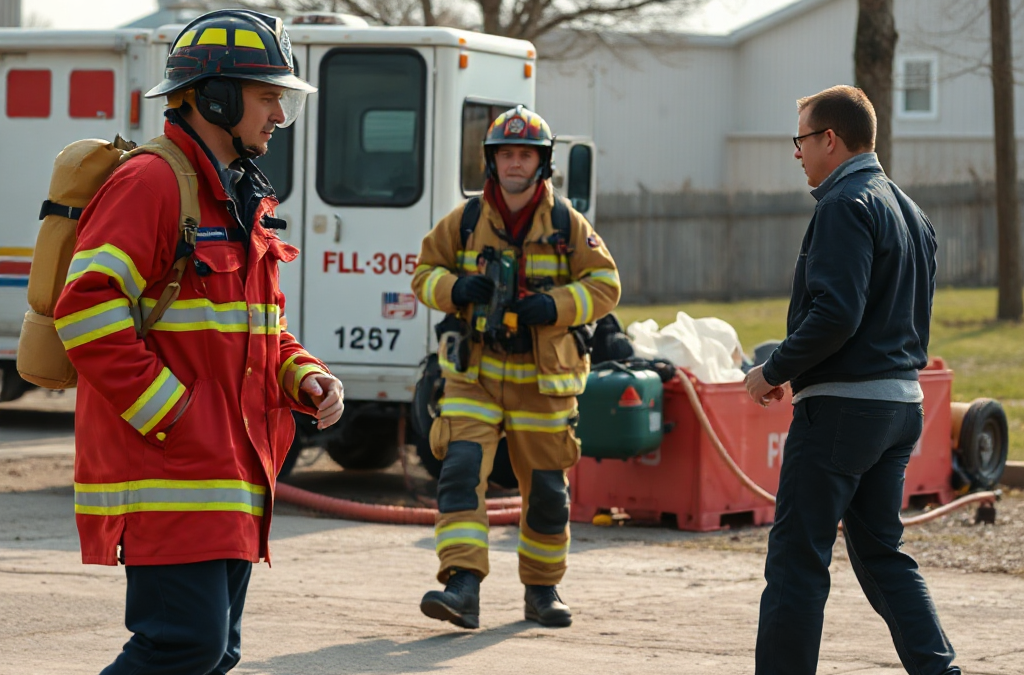
Training is essential for effective emergency response, as it prepares responders to handle unexpected crises with confidence and skill. Through comprehensive training programs, individuals learn to assess situations quickly, manage resources efficiently, and communicate clearly under pressure. For example, simulation exercises that replicate real-world scenarios enhance decision-making abilities and teamwork, reducing the likelihood of chaos during actual emergencies. Investing in specialized training, such as incident command systems, ensures that all team members understand their roles, ultimately leading to better outcomes and increased safety for both responders and the public. Prioritizing ongoing training helps maintain readiness and effectiveness in emergency situations.
Importance of Training in Emergency Response
Training plays a vital role in emergency response by preparing individuals to handle crises effectively. This preparation is essential because emergencies often arise unexpectedly, requiring quick and informed decision-making. Trained personnel are better equipped to assess situations, manage resources, and communicate effectively, which is crucial in high-pressure environments. Furthermore, training helps to build confidence among responders, reducing anxiety during real incidents.
In emergencies, the stakes are high, and the consequences of unpreparedness can be severe. For instance, during natural disasters, trained responders can coordinate evacuation efforts, provide first aid, and establish communication channels with authorities. The absence of such training can lead to chaos, miscommunication, and ultimately, loss of life. Therefore, investing in comprehensive training programs is not only beneficial but necessary for effective emergency response.
Types of Emergency Response Training
There are several types of training programs designed for emergency responders, each tailored to specific scenarios and roles. Basic first aid training is foundational, providing essential skills for immediate medical assistance. Specialized training, such as tactical emergency medical support (TEMS), focuses on providing care in dangerous situations, combining medical training with tactical skills.
Another critical type is incident command system (ICS) training, which prepares responders to manage resources and personnel during emergencies. This training emphasizes the importance of clear communication and structured command, ensuring that all team members understand their roles. Simulation exercises, which replicate real-world scenarios, are also invaluable. They allow responders to practice their skills in a controlled environment, fostering teamwork and improving response times.

Challenges in Effective Training
Despite recognizing the importance of training, several challenges can hinder its effectiveness. One major issue is the lack of resources, including funding, personnel, and training facilities. Smaller organizations or volunteer groups may struggle to provide comprehensive training programs due to budget constraints.
Another challenge is keeping training relevant and up-to-date. As emergency response protocols and technologies evolve, continuous training is essential to ensure personnel are equipped with the latest knowledge and skills. Additionally, the varying levels of experience among responders can complicate training efforts; advanced personnel may require different training than beginners, necessitating a tailored approach.
Real-World Applications of Training
Training in emergency response is not just theoretical; its real-world applications can be seen in various scenarios. For example, during the COVID-19 pandemic, healthcare professionals relied on their training to manage patient care effectively, implement safety protocols, and communicate risks to the public. Their preparedness was crucial in mitigating the spread of the virus and ensuring patient safety.
Similarly, in natural disasters such as hurricanes or wildfires, trained responders can coordinate evacuation efforts, set up shelters, and provide immediate medical assistance. Their ability to act decisively and efficiently can save lives and minimize property damage. These real-world examples highlight the critical need for ongoing training to adapt to evolving challenges and ensure communities are prepared for emergencies.
Frequently Asked Questions
What is the main goal of emergency response training?
The main goal of emergency response training is to equip individuals with the necessary skills and knowledge to effectively manage crises and ensure safety during emergencies.
How often should emergency response training be conducted?
Emergency response training should be conducted regularly, ideally at least once a year, to ensure skills remain sharp and up-to-date with current protocols.
What are some common types of emergency response training?
Common types include first aid training, incident command system (ICS) training, and tactical emergency medical support (TEMS) training.
What challenges do organizations face in emergency training?
Organizations often face challenges such as limited resources, varying levels of experience among responders, and the need for continuous updates to training programs.
Why is realistic simulation important in training?
Realistic simulations are crucial as they provide responders with hands-on experience, enabling them to practice skills in a controlled environment and improve their response times in real emergencies.
Further Reading
Authoritative Sources
- Emergency Preparedness Training
ready.govThis resource provides guidelines and programs for training individuals and organizations in emergency preparedness
- Red Cross Emergency Training
redcross.orgOffers various training programs for first aid, CPR, and disaster response to enhance community preparedness
- FEMA Training Resources
fema.govFEMA provides training courses for emergency management professionals and volunteers to improve response capabilities
Conclusion
Effective emergency response training is essential for ensuring that responders are prepared to face crises confidently and competently. By prioritizing realistic training scenarios, continuous education, and resource allocation, organizations can enhance their readiness and improve outcomes during emergencies. Communities benefit greatly from well-trained responders who can act decisively to save lives and manage resources effectively. Investing in training is not just a matter of compliance; it is a commitment to safety and resilience.
Related Content
- 4 Critical Tools You Need for Disaster Recovery
- The Ultimate 2025 Emergency Preparedness Checklist: 10 Effective Tips to Stay Safe
- Surviving the First 72 Hours of a Crisis: What You Need to Know
- Who can mentor me in becoming more self-reliant?
- The Risks of Depending Solely on Internet Preparedness Advice: Common Pitfalls and Misguided Practices




