
Establishing clear communication channels is crucial. Ensure that all family members understand how to contact one another during an emergency, especially if separated. Designate a meeting point and share contact information for local emergency services. Additionally, consider the unique needs of each family member, such as elderly relatives or young children, when developing your plan.
Another common oversight is neglecting to regularly update your emergency plan and supplies. Review the plan annually, or whenever significant changes occur in your family dynamics or local risks. This ensures that everyone remains informed and ready to act quickly when necessary.
Identifying Potential Disasters
To effectively prepare your family for disaster, it’s essential to identify the specific risks in your area. This could include natural disasters like hurricanes, earthquakes, floods, or man-made crises such as chemical spills or power outages. Understanding these risks allows you to tailor your emergency plan accordingly.
Start by researching local hazards and historical data on past disasters. Consult resources like your local emergency management office or community websites. This knowledge will help you prioritize which scenarios to plan for and ensure your preparations are relevant and effective.
Additionally, consider the geographical features of your location that may exacerbate certain risks. For instance, if you live in a flood-prone area, ensure your emergency plan specifically addresses evacuation routes that avoid high-risk zones.
Creating a Family Emergency Plan
A family emergency plan should be comprehensive and easy to understand. Begin by outlining clear roles for each family member, ensuring everyone knows what to do in various scenarios. Include details such as how to communicate during a crisis and where to meet if separated.
Thank you for reading this post, don't forget to subscribe NOW for FREE!

It’s also vital to incorporate specific instructions for different situations, such as severe weather alerts or fire evacuations. Discuss these scenarios with your family to encourage input and ensure everyone feels confident in the plan. Regularly revisit and practice the plan to maintain familiarity.
Remember to keep a copy of your emergency plan in a safe and accessible location. Digital copies can be useful, but also maintain printed versions for those who may not have immediate access to technology during a disaster.
Building an Emergency Supply Kit
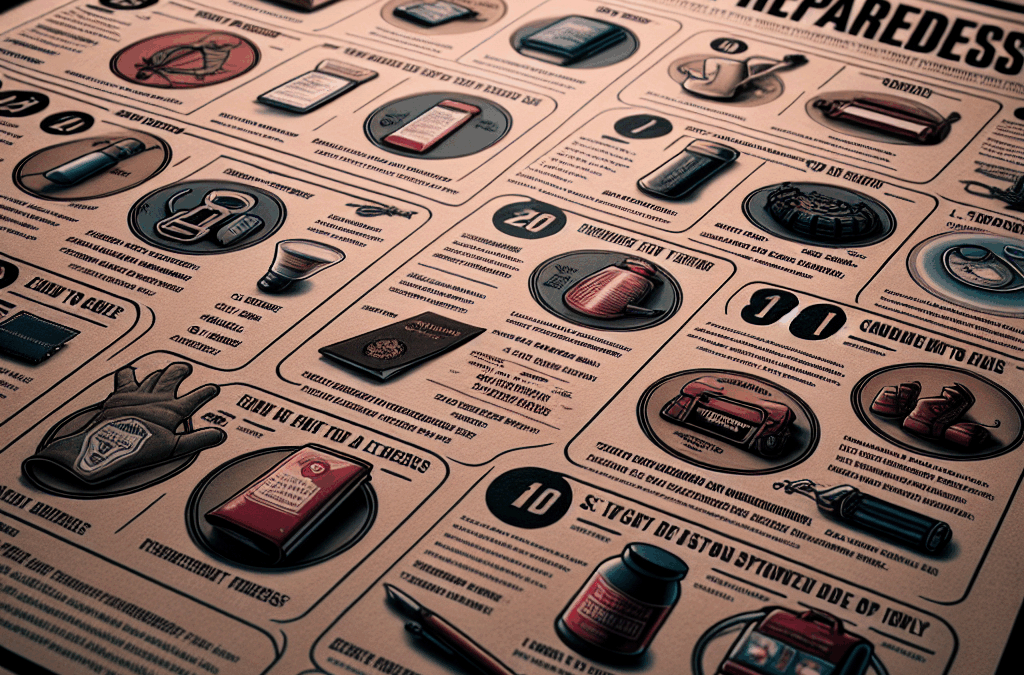
Your emergency supply kit is a crucial component of disaster preparedness. It should contain essential items that sustain your family for at least 72 hours. Include water, non-perishable food, first aid supplies, flashlights, batteries, and any necessary medications.
When assembling your kit, consider the specific needs of your family members, including pets. Ensure that you have enough supplies tailored to any dietary restrictions or health conditions. Regularly check and update your kit to keep items fresh and functional.
Additionally, include important documents like identification, insurance papers, and medical records in a waterproof container. This will streamline recovery processes post-disaster and ensure vital information remains intact.

Practicing Your Plan
Regular practice of your emergency plan is essential for ensuring everyone knows their roles and responsibilities. Schedule family drills to simulate different disaster scenarios, allowing each member to practice their specific tasks.
These drills help identify any gaps in your plan and build confidence among family members. It’s also an opportunity to discuss any changes in the family structure or location that may affect your emergency procedures.
Consider inviting neighbors to participate in these drills, as community preparedness can significantly enhance safety during a disaster. Collaborating with others can provide additional resources and support.
Further Reading
Authoritative Sources
- Ready.gov
ready.govA comprehensive resource for emergency preparedness and disaster response planning
- American Red Cross Emergency Preparedness
redcross.orgOffers guidelines on creating emergency plans and building supply kits
- FEMA
fema.govProvides resources and information on disaster preparedness and recovery
Frequently Asked Questions
What are the first steps to prepare my family for disaster?
The first steps include identifying potential disasters in your area, creating a family emergency plan, and assembling an emergency supply kit tailored to your family’s needs.
How often should we practice our emergency plan?
It’s advisable to practice your emergency plan at least twice a year. This helps ensure everyone remains familiar with their roles and responsibilities.
What should be included in an emergency supply kit?
Your emergency supply kit should include water, non-perishable food, first aid supplies, flashlights, batteries, medications, and important documents.
How can I ensure my family stays connected during a disaster?
Establish clear communication channels by designating a meeting point and sharing contact information for local emergency services. Consider using group messaging apps for quick updates.
Why is it important to update our emergency plan regularly?
Regular updates ensure that your emergency plan remains relevant and effective, especially after changes in family dynamics, local risks, or personal circumstances.
Conclusion
Preparing your family for disaster is a crucial responsibility that requires careful planning and regular practice. By identifying potential risks, creating a detailed emergency plan, assembling a comprehensive supply kit, and practicing your plan, you enhance your family’s readiness for unexpected situations. Prioritize ongoing communication and updates to your plan to adapt to changing circumstances. Act now to ensure that your family is equipped to stay safe and respond effectively during a crisis.




