
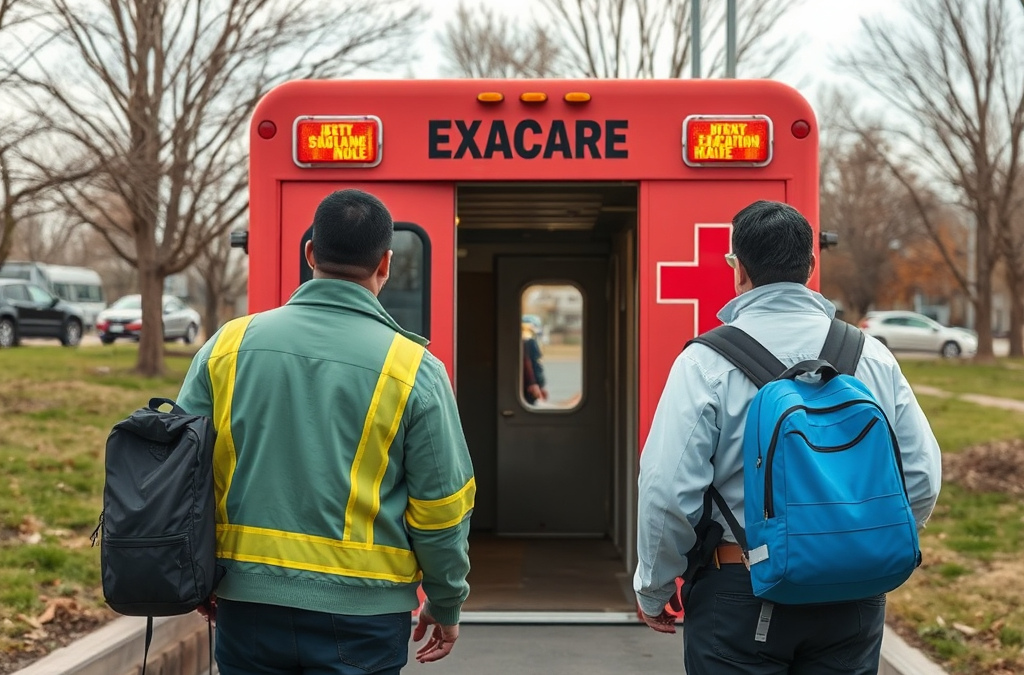
Practicing emergency evacuation routes is essential for ensuring safety during crises, as it helps individuals and families become familiar with the quickest exits and reduces panic in real emergencies. Regular drills not only enhance muscle memory but also reveal potential obstacles that could hinder safe evacuation, such as blocked pathways or changes in the environment. It's important to regularly reassess and adapt these routes to account for new hazards, ensuring that everyone knows how to respond effectively. By prioritizing practice, individuals can significantly improve their preparedness and confidence, ultimately saving lives during an actual emergency.
Understanding Emergency Evacuation Routes
Emergency evacuation routes are designated paths that individuals take to safely exit a building or area during a crisis. Understanding these routes is vital as they are designed to minimize risk and ensure the quickest possible escape. They often include various exits, stairwells, and safe meeting points outside the building. Familiarity with these routes can make a significant difference in how effectively individuals respond during emergencies.
Evacuation routes should be clearly marked and communicated to all occupants in a building. This includes signage and maps that indicate the safest exits. However, simply knowing where these routes are is not enough; regular practice is essential to ensure everyone can navigate them under stress. For example, in a fire drill, occupants may learn that the nearest exit is blocked, requiring them to use an alternative route instead.
Benefits of Practicing Evacuation Routes
Practicing evacuation routes offers several key benefits that enhance safety and preparedness. First and foremost, regular drills help build muscle memory, allowing individuals to react quickly and confidently during an actual emergency. This is crucial as panic can set in during a crisis, potentially leading to poor decision-making or hesitation.
Additionally, practicing evacuation routes helps identify potential obstacles or hazards that may not be apparent during initial assessments. For instance, furniture placements or construction changes can block pathways, making it essential to regularly review and practice these routes. Regular drills also encourage a culture of safety, prompting individuals to prioritize preparedness in their daily routines.

Common Mistakes in Evacuation Practice
Despite the importance of practicing evacuation routes, several common mistakes can undermine their effectiveness. One major error is failing to conduct drills frequently enough. Without regular practice, individuals may forget critical steps or become complacent about safety protocols.
Another common pitfall is not involving all building occupants in the practice sessions. It’s crucial that everyone, from employees to visitors, understands the evacuation procedures. Additionally, many individuals neglect to account for changes in their environment, such as new furniture layouts or construction, which can alter the best evacuation routes. This oversight can lead to confusion during an emergency, highlighting the need for ongoing evaluation and adaptation of evacuation plans.
How to Effectively Practice Evacuation Routes
To effectively practice evacuation routes, start by ensuring that all occupants are aware of the routes and emergency procedures. Conduct regular drills at different times and days to account for varying occupancy levels. This approach helps to ensure that everyone has the opportunity to participate and familiarize themselves with the routes.
During drills, it’s essential to simulate real emergency conditions, such as reducing visibility or introducing noise, to better prepare individuals for the stress of an actual evacuation. After each drill, conduct a debriefing session to discuss what went well and what areas need improvement. This feedback loop is vital for refining the evacuation process and addressing any obstacles encountered.
Frequently Asked Questions
Why is it important to practice evacuation routes regularly?
Regular practice helps build muscle memory, ensures familiarity with the routes, and prepares individuals to respond effectively under stress.
What are some common mistakes made during evacuation drills?
Common mistakes include infrequent practice, not involving all occupants, and failing to adapt routes to changing environments.
How can I improve my building's evacuation plan?
To improve an evacuation plan, regularly review and update routes, conduct drills with all occupants, and address any identified obstacles promptly.
What should I do if an exit is blocked during an evacuation?
If an exit is blocked, individuals should be trained to quickly identify alternative routes and remain calm while seeking the next safest exit.
How often should evacuation drills be conducted?
Evacuation drills should ideally be conducted at least twice a year to maintain familiarity and readiness among building occupants.
Further Reading
Authoritative Sources
- Ready.gov Preparedness Guidance
ready.govFederal preparedness guidance for household planning, alerts, supplies, and emergencies
- American Red Cross Emergency Preparedness
redcross.orgEmergency preparedness resources for families, disasters, and practical safety planning
- FEMA Preparedness Resources
fema.govNational preparedness resources for planning, mitigation, and response readiness
Conclusion
Practicing emergency evacuation routes is a critical component of safety preparedness that can save lives. Regular drills enhance familiarity, build confidence, and allow individuals to navigate quickly during emergencies. It’s essential to avoid common pitfalls, such as infrequent practice and overlooking environmental changes, to ensure that evacuation plans remain effective. By prioritizing these practices, individuals and organizations can significantly improve their readiness for unexpected situations.




