Understanding the specific needs of your household or community is vital when preparing for emergencies. Different situations may require different supplies, and it’s important to prioritize what will be most essential based on local risks, such as floods, earthquakes, or severe storms. Many people overlook the importance of customizing their emergency kits to suit their unique circumstances, leading to potential gaps in preparedness.
Furthermore, it’s crucial to regularly review and update your supplies. Items like food and batteries have expiration dates, and changing family dynamics or personal health needs may necessitate adjustments to your emergency kit. Neglecting to reassess your supplies can lead to a false sense of security and inadequate preparation when disaster strikes.
Building a Comprehensive Emergency Kit
A comprehensive emergency kit should cater to the specific needs of your household. Start by including a basic first-aid kit, medications, important documents, and personal hygiene items. Additionally, consider the number of people in your household and their unique needs, such as infants or elderly members who may require specialized supplies.
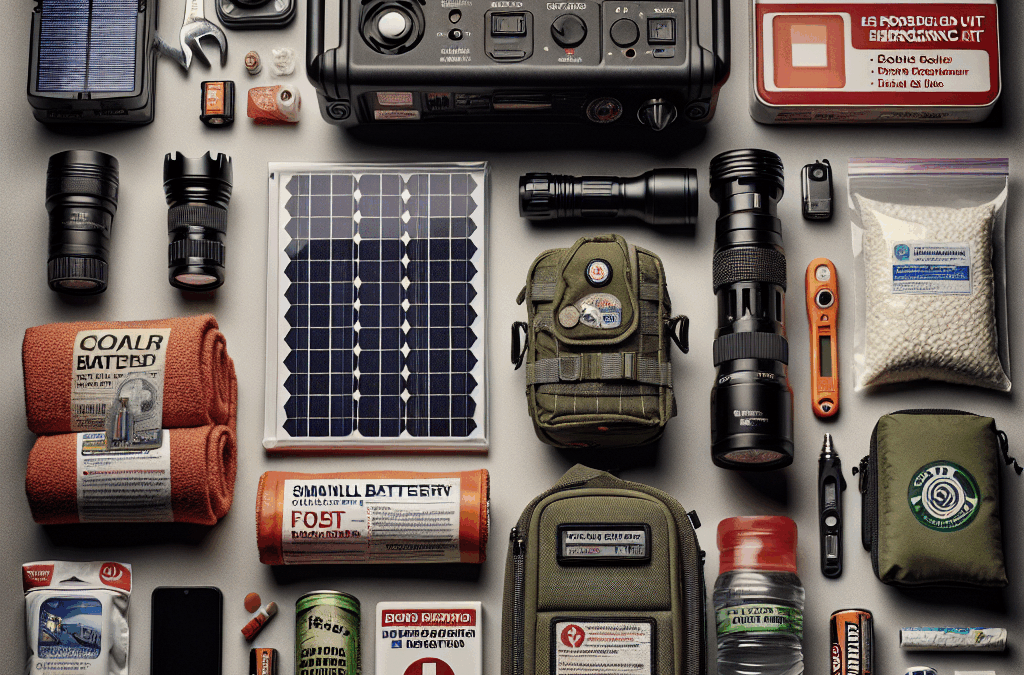
Prioritize items that can serve multiple purposes. For instance, a multi-tool can replace several individual tools, saving space and weight. Also, ensure that your kit is portable, allowing for easy transport in case evacuation is necessary. Many people fail to consider the weight and size of their supplies, which can hinder their ability to evacuate quickly.
Lastly, regularly check your emergency kit to replace expired items and reassess its contents based on changing family needs or local risks. This proactive approach keeps your kit relevant and ensures you are prepared for any situation.
Food and Water Considerations
When selecting food for your emergency kit, focus on non-perishable items that are easy to prepare. Canned goods, freeze-dried meals, and high-energy snacks like nuts and granola bars are excellent choices. Additionally, ensure you have a sufficient water supply, aiming for at least one gallon per person per day for at least three days.
Smart readers should consider the shelf life of food items. Opt for those with longer expiration dates and rotate them regularly to avoid spoilage. Many people mistakenly stock up on food without checking the dates, leading to wasted supplies when they are needed most.
Furthermore, think about dietary restrictions within your household. Having alternative food options for those with allergies or dietary preferences can be crucial during emergencies. This consideration often gets overlooked, leading to inadequate supplies for all family members.
First-Aid Essentials
A well-stocked first-aid kit is a cornerstone of emergency preparedness. Essential items include adhesive bandages, antiseptic wipes, gauze, medical tape, scissors, and over-the-counter medications for pain relief. Additionally, consider personal prescriptions and any necessary medical devices.
Many people underestimate the importance of including a CPR face shield or a tourniquet in their kits. These items can be lifesaving in critical situations. It’s also advisable to familiarize yourself with basic first-aid procedures, as having the supplies is only part of the preparation.
Regularly review your first-aid kit and replenish used items after each incident. This ensures that you are always ready to address medical needs effectively. It’s easy to forget about first-aid supplies until they are needed, making proactive checks essential.
Tools and Equipment
Essential tools and equipment should include a flashlight, extra batteries, a multi-tool, and a portable phone charger. These items enhance your ability to navigate through emergencies, especially in low-light situations or when communication is essential.
Consider the environment you live in when choosing tools. For example, if you reside in an area prone to hurricanes, a battery-operated radio can provide vital updates during power outages. Many individuals overlook the importance of staying informed during emergencies, which can significantly impact decision-making.
Moreover, practice using your tools before an emergency arises. Familiarity with your equipment can save valuable time and reduce panic when it’s needed. Regular practice can also reveal any gaps in your kit that you may need to address.
Information on health and safety during emergencies, including necessary supplies
Frequently Asked Questions
What should I include in my emergency supply kit?
Your kit should include non-perishable food, water, a first-aid kit, flashlight, batteries, and a multi-tool, among other items tailored to your household’s needs.
How often should I check my emergency supplies?
It’s advisable to check your emergency supplies at least twice a year to replace expired items and update based on changing family needs.
How much water should I store for emergencies?
Plan for at least one gallon of water per person per day for at least three days to meet basic hydration needs.
What food items are best for an emergency kit?
Non-perishable options like canned goods, freeze-dried meals, and energy bars are recommended for their long shelf life and ease of preparation.
How do I make my emergency kit portable?
Use a durable backpack or container that can hold all your supplies while remaining lightweight and easy to carry in case of evacuation.
Conclusion
Preparing for emergencies involves careful planning and consideration of your unique needs. By prioritizing essential supplies like food, water, first-aid items, and tools, you can ensure that you are ready for unexpected situations. Regularly reviewing and updating your emergency kit is crucial for maintaining preparedness and addressing any changes in your household. Take proactive steps today to safeguard your family’s safety and well-being during emergencies.
Effective preparedness is not just about having supplies on hand; it’s about understanding what specific risks your location faces and how to address them. Many people overlook the importance of regular drills and updates to their emergency plans, which can lead to confusion and delay during a crisis. Additionally, knowing your community resources and support systems can enhance your readiness.
Before an emergency occurs, it’s crucial to engage family members in preparedness discussions. Common mistakes include failing to communicate plans clearly and not practicing emergency drills. Regularly reviewing and updating your plans can help everyone feel more confident and capable in the face of an unexpected situation.
Understanding Your Risks
To be ready before it happens, start by assessing the specific risks in your area. Natural disasters, such as floods, earthquakes, or hurricanes, and man-made emergencies, like chemical spills or power outages, can all impact your safety. Understanding these risks allows you to tailor your preparedness efforts effectively.
Prioritizing which risks to prepare for can save time and resources. For example, if you live in an area prone to hurricanes, focus on securing your home and having an evacuation plan ready. Conversely, if wildfires are more likely, ensure you have a fire safety plan in place. A common pitfall is assuming that all emergencies require the same level of preparation.
By identifying your unique risks, you can create a more focused and effective emergency response strategy. This approach helps avoid the mistake of being ill-prepared for specific scenarios while over-preparing for less likely events.
Creating an Emergency Plan
An effective emergency plan outlines how to respond during different types of emergencies. It should cover evacuation routes, communication methods, and designated meeting points for family members. Each person’s role in the plan should be clear to prevent confusion during a crisis.
When developing your plan, consider the specific needs of each family member, including pets. Make sure that everyone understands the plan and practices it regularly. A frequent error is assuming that everyone will remember the plan under stress; practice is essential to ensure smooth execution.
Regularly reviewing and updating your emergency plan keeps it relevant and effective. Changes in family dynamics, such as new members or moving to a different location, should trigger a reassessment of your existing plan.
Building Your Disaster Supply Kit
A disaster supply kit is vital for surviving emergencies. It should include essential items like water, non-perishable food, first aid supplies, medications, and important documents. The kit should be easily accessible and tailored to meet your family’s specific needs.
Many people underestimate the quantity of supplies needed for an extended emergency. A good rule of thumb is to have at least a three-day supply of food and water for each person in your household. Additionally, consider including items like flashlights, batteries, and hygiene products. A common mistake is neglecting to include a manual can opener if your food supplies are canned.
Regularly check and refresh your supply kit to ensure all items are in good condition and not expired. This practice helps maintain readiness and prevents the disappointment of discovering expired supplies when you need them most.
Staying Informed and Engaged
Staying informed about potential threats and emergency procedures in your area is crucial. Subscribe to local alerts and notifications to receive timely updates on emergencies. Understanding local emergency services and resources can also enhance your preparedness.
Engaging with your community can provide additional support and resources during emergencies. Many communities offer training programs for first aid, CPR, and disaster response. A frequent oversight is assuming that personal preparedness is sufficient; community efforts can strengthen overall resilience.
Participating in community preparedness events or training can help build a network of support, making it easier to respond effectively when emergencies occur. Consider volunteering with local organizations to stay connected and informed.
Further Reading
For readers seeking to deepen their understanding of emergency preparedness, consider exploring resources from local emergency management agencies or organizations like the Red Cross. These sources provide valuable information on creating effective emergency plans and kits tailored to diverse needs.
Public health guidance for emergencies, disasters, and recovery situations.
Frequently Asked Questions
What should be included in an emergency kit?
Your emergency kit should include water, non-perishable food, first aid supplies, medications, a flashlight, batteries, and important documents.
How often should I update my emergency plan?
It’s best to review and update your emergency plan at least once a year or whenever there are significant changes in your family or living situation.
What are common mistakes in emergency preparedness?
Common mistakes include not practicing your emergency plan, failing to account for special needs, and neglecting to update supplies in your kit.
How can I stay informed about emergencies in my area?
Subscribe to local alerts, follow community social media pages, and check official websites for updates on potential emergencies.
Why is community engagement important for emergency preparedness?
Community engagement helps build networks of support and resources, enhancing overall preparedness and resilience during emergencies.
Conclusion
Being ready before it happens requires a proactive approach to emergency preparedness. By understanding your risks, creating a comprehensive emergency plan, building a well-stocked disaster supply kit, and staying informed, you can significantly enhance your ability to respond to unforeseen events. Prioritize regular reviews and practice of your plans to ensure that all family members are prepared and confident. Taking these steps not only safeguards your household but also contributes to the resilience of your community as a whole.
Understanding the local environment is crucial for an effective emergency plan. Rural areas often face different threats compared to urban settings, such as wildfires, floods, or severe weather events. Residents must identify these risks and prioritize their planning efforts accordingly. For example, areas prone to wildfires should focus on evacuation routes and fire safety measures, whereas flood-prone regions need to address water safety and property protection.
Another common mistake is underestimating the importance of communication. In rural settings, reliable communication methods are essential, especially during emergencies when traditional infrastructure may fail. Establishing a network of communication options, including radios, cell phones, and community alert systems, can make a critical difference in emergency situations.
Identifying Local Hazards
Identifying local hazards is the first step in formulating an emergency plan for rural areas. This process involves recognizing potential risks such as natural disasters, technological hazards, and other localized threats. Understanding these hazards allows residents to tailor their emergency preparedness efforts effectively.
For instance, rural communities may be susceptible to specific environmental challenges like tornadoes or earthquakes. Knowing the frequency and impact of these events can guide the development of strategic responses. Additionally, residents should consider historical data and input from local emergency services to better understand their unique risks.
One often-overlooked element is the interconnectivity of hazards. For example, heavy rainfall can lead to flooding, which may disrupt power lines and communication systems. Therefore, prioritizing multiple threats in a comprehensive plan can enhance overall safety and preparedness.
Creating a Communication Plan
A robust communication plan is vital for effective emergency response in rural areas. This plan should outline how information will be shared before, during, and after a disaster. Establishing clear lines of communication can reduce confusion and ensure that everyone knows what to do in an emergency.
Residents should identify key contacts, including local authorities, neighbors, and family members. Utilizing a mix of communication methods—such as text alerts, social media, and community bulletin boards—can ensure that information reaches everyone, even if one method fails. Regular drills and updates to the communication plan can keep the community prepared.
Moreover, it’s essential to address potential barriers to communication, such as poor cell service or lack of internet access. Having alternative communication methods, such as walkie-talkies or satellite phones, can provide a safety net in case of system failures.
Assembling an Emergency Kit
Assembling an emergency kit tailored to rural needs is a crucial component of any emergency plan. This kit should contain essential supplies that can support families for at least 72 hours following a disaster. Key items include food, water, medications, first aid supplies, and tools.
It’s important to consider the specific needs of all family members, including pets. Additionally, incorporating local resources, such as firewood or a portable stove, can enhance survival capabilities in remote areas. Regularly checking and updating the kit ensures that supplies remain viable and relevant.
Residents should also prioritize the storage of the emergency kit in a readily accessible location. In times of crisis, knowing where to find these supplies can significantly reduce response time and increase safety.
Developing Evacuation Routes
Developing clear evacuation routes is essential for rural areas, where traditional escape routes may be limited or obstructed during emergencies. Identifying multiple routes can provide options for residents, especially when faced with hazards like wildfires or floods.
Mapping these routes in advance and sharing them with the community can enhance safety. Residents should also consider the transportation needs of individuals with disabilities or those who require assistance. Regular drills can help familiarize everyone with the routes.
Furthermore, keeping these routes clear of obstructions, such as downed trees or debris, is crucial for ensuring safe passage during an emergency. Collaborating with local authorities can help maintain these routes and ensure timely updates on any changes.
Guidelines on health-related considerations during emergencies and disasters
Frequently Asked Questions
What should be included in an emergency kit for rural areas?
Essential items include food, water, first aid supplies, medications, tools, and personal hygiene items, adapted to the specific needs of all family members.
How can communities prepare for wildfires?
Communities can create defensible spaces around properties, establish evacuation routes, and conduct regular fire drills to enhance preparedness.
What are the best communication methods during a disaster?
Utilizing a combination of text alerts, social media, and community bulletin boards can ensure information is disseminated effectively during emergencies.
How often should an emergency plan be reviewed?
Emergency plans should be reviewed at least annually and updated after any significant changes in the community or family circumstances.
Why is it important to identify local hazards?
Identifying local hazards allows communities to tailor their emergency plans to address specific risks, ensuring a more effective response during crises.
Conclusion
In conclusion, developing an effective emergency plan for rural areas requires a thorough understanding of local hazards, clear communication strategies, well-prepared emergency kits, and established evacuation routes. By prioritizing these elements, residents can enhance their resilience and preparedness in the face of disasters. Regularly reviewing and updating the plan is essential to ensure it remains relevant and effective. Community involvement and education play significant roles in fostering a culture of preparedness, ultimately leading to safer rural environments.