
Effective preparedness is not just about having supplies on hand; it’s about understanding what specific risks your location faces and how to address them. Many people overlook the importance of regular drills and updates to their emergency plans, which can lead to confusion and delay during a crisis. Additionally, knowing your community resources and support systems can enhance your readiness.
Before an emergency occurs, it’s crucial to engage family members in preparedness discussions. Common mistakes include failing to communicate plans clearly and not practicing emergency drills. Regularly reviewing and updating your plans can help everyone feel more confident and capable in the face of an unexpected situation.
Understanding Your Risks
To be ready before it happens, start by assessing the specific risks in your area. Natural disasters, such as floods, earthquakes, or hurricanes, and man-made emergencies, like chemical spills or power outages, can all impact your safety. Understanding these risks allows you to tailor your preparedness efforts effectively.
Prioritizing which risks to prepare for can save time and resources. For example, if you live in an area prone to hurricanes, focus on securing your home and having an evacuation plan ready. Conversely, if wildfires are more likely, ensure you have a fire safety plan in place. A common pitfall is assuming that all emergencies require the same level of preparation.
By identifying your unique risks, you can create a more focused and effective emergency response strategy. This approach helps avoid the mistake of being ill-prepared for specific scenarios while over-preparing for less likely events.
Creating an Emergency Plan
An effective emergency plan outlines how to respond during different types of emergencies. It should cover evacuation routes, communication methods, and designated meeting points for family members. Each person’s role in the plan should be clear to prevent confusion during a crisis.
Thank you for reading this post, don't forget to subscribe NOW for FREE!

When developing your plan, consider the specific needs of each family member, including pets. Make sure that everyone understands the plan and practices it regularly. A frequent error is assuming that everyone will remember the plan under stress; practice is essential to ensure smooth execution.
Regularly reviewing and updating your emergency plan keeps it relevant and effective. Changes in family dynamics, such as new members or moving to a different location, should trigger a reassessment of your existing plan.
Building Your Disaster Supply Kit
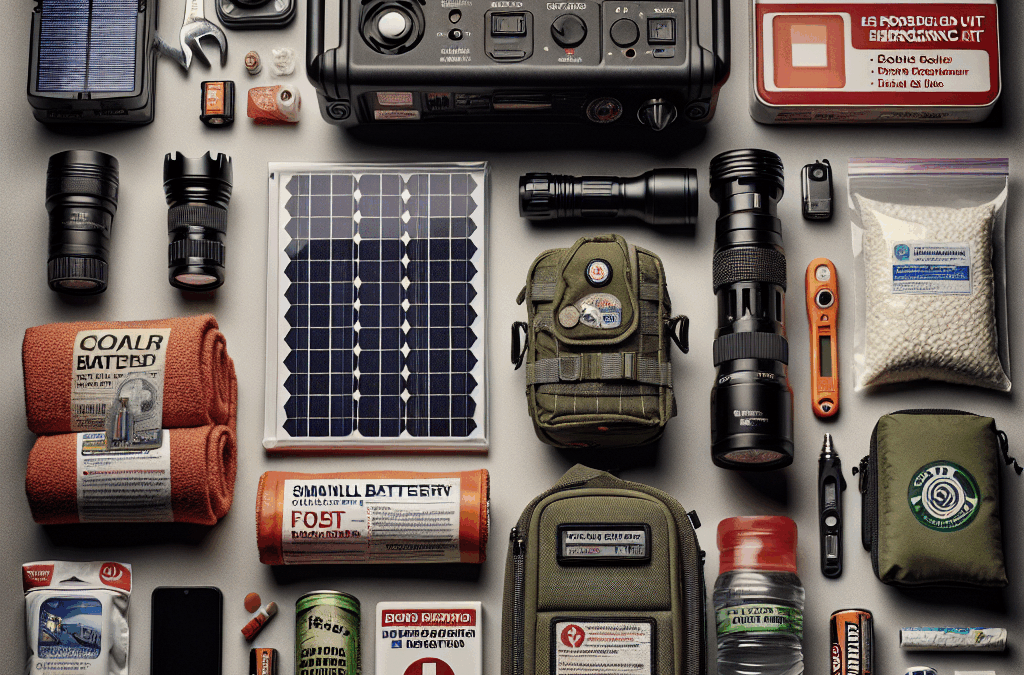
A disaster supply kit is vital for surviving emergencies. It should include essential items like water, non-perishable food, first aid supplies, medications, and important documents. The kit should be easily accessible and tailored to meet your family’s specific needs.
Many people underestimate the quantity of supplies needed for an extended emergency. A good rule of thumb is to have at least a three-day supply of food and water for each person in your household. Additionally, consider including items like flashlights, batteries, and hygiene products. A common mistake is neglecting to include a manual can opener if your food supplies are canned.

Regularly check and refresh your supply kit to ensure all items are in good condition and not expired. This practice helps maintain readiness and prevents the disappointment of discovering expired supplies when you need them most.
Staying Informed and Engaged
Staying informed about potential threats and emergency procedures in your area is crucial. Subscribe to local alerts and notifications to receive timely updates on emergencies. Understanding local emergency services and resources can also enhance your preparedness.
Engaging with your community can provide additional support and resources during emergencies. Many communities offer training programs for first aid, CPR, and disaster response. A frequent oversight is assuming that personal preparedness is sufficient; community efforts can strengthen overall resilience.
Participating in community preparedness events or training can help build a network of support, making it easier to respond effectively when emergencies occur. Consider volunteering with local organizations to stay connected and informed.
Further Reading
For readers seeking to deepen their understanding of emergency preparedness, consider exploring resources from local emergency management agencies or organizations like the Red Cross. These sources provide valuable information on creating effective emergency plans and kits tailored to diverse needs.
Further Reading
Authoritative Sources
- Ready.gov
ready.govOfficial U.S. preparedness guidance, checklists, and planning resources for households and emergencies.
- FEMA
fema.govFederal emergency management resources, disaster planning information, and recovery guidance.
- American Red Cross Emergency Preparedness
redcross.orgPractical emergency preparation steps, supply lists, and safety guidance for families.
- National Weather Service
weather.govOfficial forecasts, hazard alerts, and weather safety information.
- CDC Emergency Preparedness and Response
cdc.govPublic health guidance for emergencies, disasters, and recovery situations.
Frequently Asked Questions
What should be included in an emergency kit?
Your emergency kit should include water, non-perishable food, first aid supplies, medications, a flashlight, batteries, and important documents.
How often should I update my emergency plan?
It’s best to review and update your emergency plan at least once a year or whenever there are significant changes in your family or living situation.
What are common mistakes in emergency preparedness?
Common mistakes include not practicing your emergency plan, failing to account for special needs, and neglecting to update supplies in your kit.
How can I stay informed about emergencies in my area?
Subscribe to local alerts, follow community social media pages, and check official websites for updates on potential emergencies.
Why is community engagement important for emergency preparedness?
Community engagement helps build networks of support and resources, enhancing overall preparedness and resilience during emergencies.
Conclusion
Being ready before it happens requires a proactive approach to emergency preparedness. By understanding your risks, creating a comprehensive emergency plan, building a well-stocked disaster supply kit, and staying informed, you can significantly enhance your ability to respond to unforeseen events. Prioritize regular reviews and practice of your plans to ensure that all family members are prepared and confident. Taking these steps not only safeguards your household but also contributes to the resilience of your community as a whole.
Related Content
- Preparedness for Unexpected Events: Essential Actions for Effective Response Planning
- Disaster Prep Guide: Essential Steps for Creating Your Emergency Plan
- Survival Essentials: The Critical Factors in What You Need for Survival
- Be Ready for Anything: The Ultimate Guide to Emergency Preparedness
- Signs Your Emergency Supplies Need Replenishing: Key Indicators and Checklist




