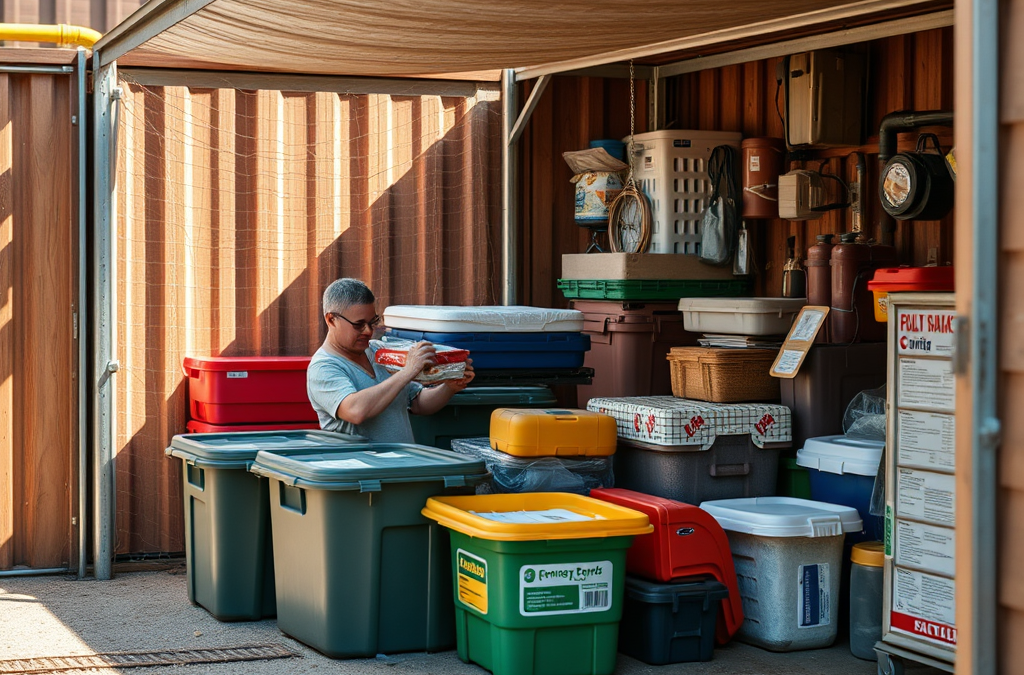
To identify the best locations for emergency supplies, focus on accessibility, environmental safety, and community needs. Select sites that are easily reachable by both the public and emergency responders, ideally near major roads and public transport. Avoid areas prone to natural disasters, such as flood zones, which can render supplies inaccessible during emergencies. Additionally, consider the existing infrastructure for storage and distribution, as locations equipped with these facilities can enhance the efficiency of supply delivery. Conducting a thorough site assessment can help uncover potential access issues that may arise during a crisis, ensuring that the chosen locations remain viable and effective.
Understanding Accessibility and Convenience
Accessibility is critical when identifying locations for emergency supplies. The ideal sites should be easy to reach for both individuals and emergency responders during a crisis. Consider proximity to major roads, public transportation options, and overall traffic patterns. For example, a well-placed community center on a main road can serve as a distribution hub, ensuring that supplies are delivered swiftly to those in need.
In addition, convenience extends to the layout of the site. Locations that allow for easy entry and exit for vehicles and pedestrians can significantly reduce congestion during emergencies. A common mistake is choosing a site that appears ideal but is challenging to access due to narrow roads or limited parking. It’s essential to conduct a thorough site assessment to identify potential obstacles that could hinder access during a crisis.
Evaluating Environmental Risks
When selecting locations for emergency supplies, understanding environmental risks is paramount. Areas prone to natural disasters such as floods, hurricanes, or wildfires should be carefully evaluated. For instance, while a site may be accessible, if it is located in a floodplain, it can become unusable during heavy rains.
Furthermore, consider the long-term sustainability of the site. Locations that are frequently affected by natural disasters may require constant reevaluation and relocation of supplies. It’s advisable to consult local hazard maps and engage with emergency management agencies to identify safe zones. This approach helps avoid common pitfalls associated with underestimating environmental threats.

Considering Population Density and Community Needs
Population density plays a crucial role in determining the best locations for emergency supplies. Areas with higher population densities may require more supplies and quicker distribution to meet the needs of the community. Identifying these areas involves analyzing demographic data and understanding the specific needs of different community segments.
For example, urban centers may need more extensive supply points due to their larger populations, while rural areas might benefit from fewer but strategically placed sites. Engaging with local community organizations can provide insights into specific needs, such as medical supplies for vulnerable populations or food resources for those with dietary restrictions.
Best Practices for Site Selection
To ensure effective site selection for emergency supplies, several best practices should be followed. First, involve community stakeholders in the planning process to gather diverse perspectives and needs. This collaboration can lead to more informed decisions and greater community buy-in.
Second, create a comprehensive inventory of available resources and potential sites. Use this information to prioritize locations based on the criteria discussed above, including accessibility, environmental safety, and community needs. Regularly review and update these assessments to adapt to changing circumstances, such as population growth or new environmental risks.
Frequently Asked Questions
What factors should I consider when choosing a location for emergency supplies?
Accessibility, environmental risks, and population density are crucial factors to consider when choosing a location for emergency supplies.
How often should emergency supply locations be reassessed?
Emergency supply locations should be reassessed regularly, ideally at least once a year, or after significant changes to the community or environment occur.
What common mistakes should be avoided in site selection?
Avoid choosing sites that are difficult to access, prone to environmental hazards, or not aligned with community needs.
How can community input improve site selection?
Community input can provide valuable insights into specific needs and preferences, ensuring that selected sites are effective and well-received.
Are there any specific regulations to consider for emergency supply sites?
Yes, local zoning laws and building codes may affect the suitability of a site for storing emergency supplies.
Further Reading
Authoritative Sources
- Ready.gov Preparedness Guidance
ready.govFederal preparedness guidance for household planning, alerts, supplies, and emergencies
- American Red Cross Emergency Preparedness
redcross.orgEmergency preparedness resources for families, disasters, and practical safety planning
- FEMA Preparedness Resources
fema.govNational preparedness resources for planning, mitigation, and response readiness
Conclusion
Identifying the best locations for emergency supplies requires a comprehensive approach that considers accessibility, environmental risks, and community needs. By engaging stakeholders and regularly reassessing sites, communities can ensure that they are prepared for emergencies effectively. Prioritize locations that are not only convenient but also safe and capable of meeting the diverse needs of the population.
Related Content
- 5 Essential Steps to Disaster Preparedness: Are You Ready
- Readiness and Recovery: Key Strategies for Effective Crisis Management
- Disaster Readiness at Home: Essential Steps for Effective Preparedness
- The Consequences of Ignoring Emergency Financial Planning: Risks, Impacts, and Common Pitfalls
- The Importance of Keeping an Emergency Contact List