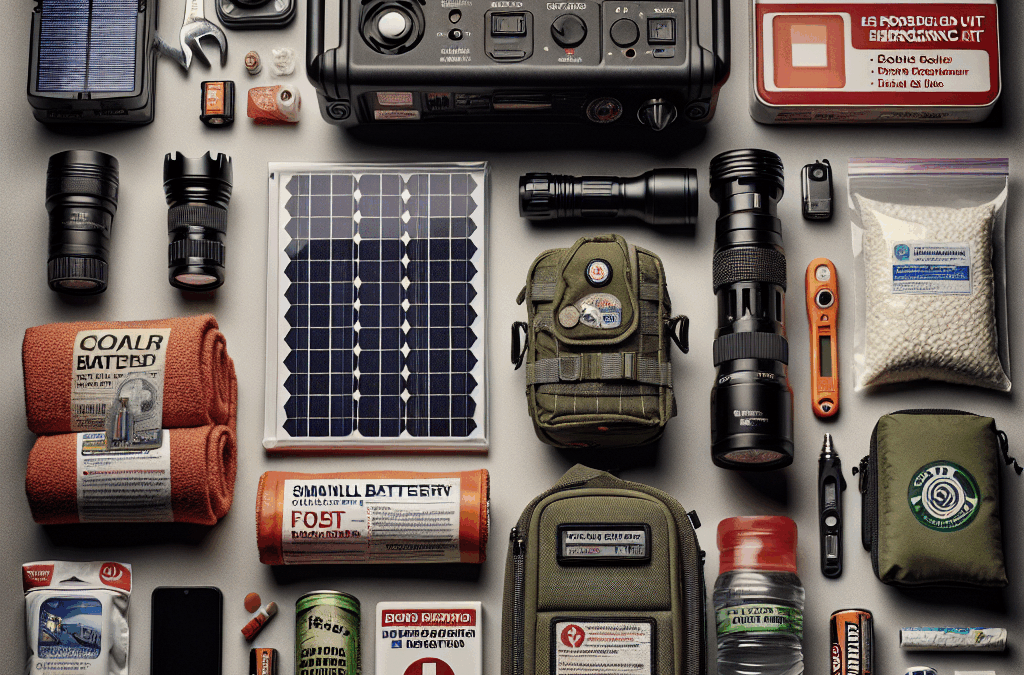
When considering what you need for survival, the essentials boil down to five critical categories: water, food, shelter, first aid supplies, and tools for communication and navigation. Each element plays a vital role in sustaining life and ensuring safety during emergencies. However, it’s not just about having these items; it’s about knowing when and how to use them effectively.
Many individuals mistakenly assume that simply stocking up on supplies is enough. The reality is that survival situations often require quick decision-making and adaptability. Prioritizing these essentials based on specific scenarios—like natural disasters, wilderness survival, or urban emergencies—can make the difference between life and death. The interdependencies between these factors also mean that poor planning in one area can undermine your entire survival strategy.
Water: The Foundation of Survival
Water is the most critical resource for survival. The human body can only survive a few days without it, making it your top priority. In any emergency situation, ensure you have access to clean drinking water. Water purification methods, such as boiling, filtration, or chemical treatments, should also be part of your preparedness plan.
When planning for water needs, consider your household size and the duration of your potential isolation. A common guideline is to store at least one gallon of water per person per day for at least three days. However, in scenarios where you might be cut off from resources for longer, having larger quantities or knowing local sources of freshwater could be lifesaving.
Food: Nutritional Needs in Crisis
Food is another essential component of survival. While you can survive longer without food than water, your energy levels and cognitive function will decline without proper nutrition. Pack non-perishable, nutrient-dense foods such as canned goods, dried fruits, nuts, and energy bars.
Consider dietary restrictions and preferences when preparing your food supplies. It’s also wise to have a plan for how to cook or prepare food if the power goes out. Understanding foraging and hunting basics can provide additional food sources, but these skills require practice and knowledge.
Shelter: Creating Safe Havens
In survival situations, having a secure shelter is crucial for protection against the elements and ensuring your safety. Whether you’re at home or in the wilderness, assess your environment for potential shelter options. In urban areas, your home might suffice, but make sure it is secure and has necessary supplies.
In outdoor scenarios, knowing how to build a temporary shelter with natural materials or carry a lightweight emergency tent can provide essential protection. Evaluate your surroundings and consider factors such as weather, visibility, and safety when choosing a shelter location.
First Aid: Medical Preparedness
First aid supplies are essential for treating injuries and illnesses that may arise during emergencies. A well-stocked first aid kit should include bandages, antiseptics, pain relievers, and any personal medications. Be familiar with basic first aid techniques, as knowing how to treat common injuries can be crucial.
Prioritize learning about first aid through courses or resources, as this knowledge could be invaluable in a crisis. In addition, keep your first aid kit updated and accessible, ensuring that everyone in your household knows its location and how to use the supplies inside.
Tools: Navigating and Communicating
Having the right tools can enhance your survival capabilities significantly. Items such as a multi-tool, flashlight, fire starter, and a portable phone charger can make a considerable difference. Additionally, a map and compass or GPS device can help you navigate if you need to evacuate.
Communication tools are also vital. A battery-operated radio can keep you informed about emergency updates, while a whistle can help signal for help. Assess your specific needs and ensure that your tools are reliable and easy to use under pressure.
Public health guidance for emergencies, disasters, and recovery situations.
Frequently Asked Questions
What are the top three items I need for survival?
The top three items are water, food, and shelter. These essentials are crucial for sustaining life and protecting yourself in emergencies.
How much water should I store for emergencies?
Store at least one gallon of water per person per day for three days, but more is better if possible.
What types of food are best for survival situations?
Non-perishable, nutrient-dense foods such as canned goods, dried fruits, nuts, and energy bars are ideal for survival.
How can I learn basic first aid skills?
Enroll in first aid courses offered by organizations like the Red Cross or take online courses that cover essential first aid techniques.
What tools should I have in my survival kit?
Your survival kit should include a multi-tool, flashlight, fire starter, and a portable phone charger, along with navigation tools like a map and compass.
Conclusion
Understanding what you need for survival is not just about gathering supplies; it’s about making informed decisions based on your specific circumstances. Prioritize water, food, shelter, first aid, and tools, and ensure you have the knowledge to use them effectively. Take the time to practice your skills and maintain your supplies, as preparation can greatly increase your chances of survival in an emergency.
When severe weather looms, the stakes are high. Getting prepared before a storm is not just about having supplies; it’s about ensuring your safety and that of your family. Many people underestimate the impact of storms, leading to last-minute panic and inadequate preparations. By understanding the real risks and taking proactive steps, you can significantly reduce the potential for harm and loss.
Common mistakes include neglecting to create a comprehensive emergency plan, underestimating the power of the storm, or waiting until the last minute to gather supplies. A lack of preparation can lead to chaos during an emergency, exacerbating stress and danger. Instead, a smart approach involves assessing your unique risks, understanding your environment, and prioritizing the most critical preparations based on your household’s needs.
Assessing Your Storm Risks
Understanding your specific storm risks is the first step in effective preparation. Different regions face different types of storms—hurricanes, tornadoes, floods, or winter storms—and each requires tailored strategies. Evaluate the historical frequency and severity of storms in your area, considering factors such as proximity to water bodies, elevation, and local infrastructure.
Failing to accurately assess risk can lead to inadequate preparations. For instance, if you live in a flood-prone area but only stock up on basic supplies, you may overlook critical items like sandbags or waterproof storage for important documents. Prioritize preparations based on the likelihood of various storm types affecting your home.
Creating an Emergency Kit
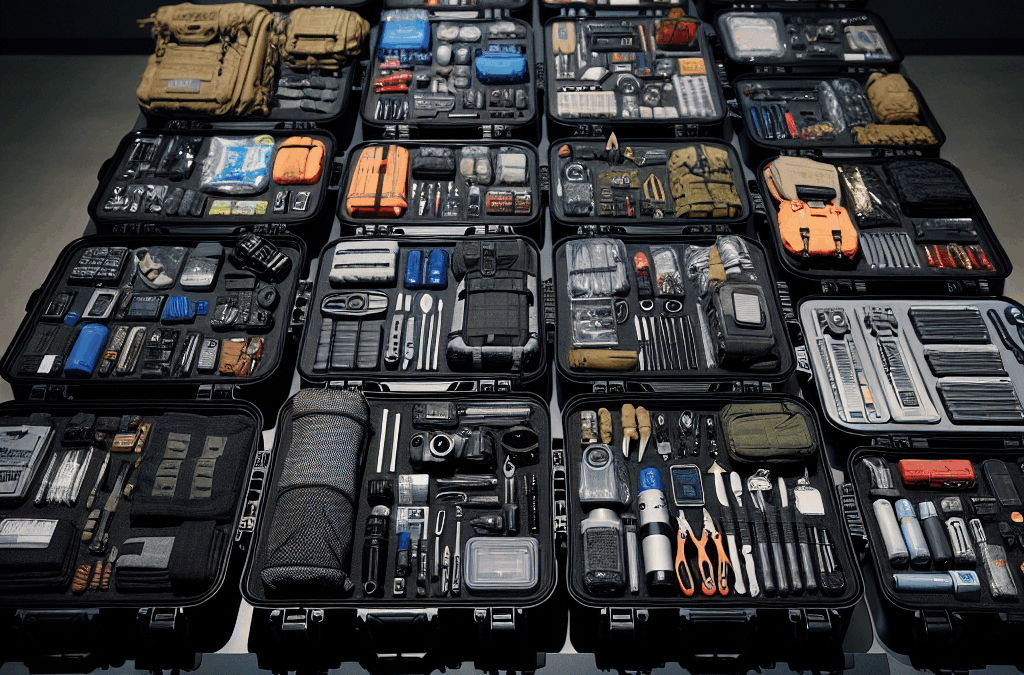
An emergency kit is a cornerstone of storm preparedness. This kit should include essential supplies that can sustain you and your family for at least 72 hours without assistance. Key items include water, non-perishable food, a flashlight, batteries, a first-aid kit, and necessary medications.
Many people fail to update their emergency kits regularly, leading to expired food or missing crucial items. Consider your household’s unique needs—if you have pets, ensure you include food and supplies for them as well. Tailor your kit based on the specific storm risks you face, and remember to store it in a location that is easily accessible during an emergency.
Securing Your Property
Before a storm hits, take steps to secure your property. This includes reinforcing windows and doors, clearing gutters, and trimming trees that could fall on your home. If you live in a hurricane-prone area, consider installing storm shutters or boarding up windows.
Ignoring property security can lead to significant damage and increase recovery time after a storm. Identify the most vulnerable points of your home and take action early. If you’re on a budget, focus on the highest risk areas first, such as windows and roof structures, where damage can be most costly.
Staying Informed and Connected
Staying informed about storm developments is crucial. Monitor local news, weather apps, and alerts from emergency services to receive timely updates. Make sure you have a battery-operated or hand-crank radio for information in case power goes out.
Many people underestimate the importance of communication during a storm. Ensure that all family members know how to access information and that you have a plan for check-ins. Consider creating a group text or using an app that allows for communication even if cell towers are overloaded. Preparing for connectivity issues can help you stay coordinated and safe during a storm.
Offers guidance on creating emergency plans and assembling emergency kits
Frequently Asked Questions
What should be in my emergency kit for a storm?
Your emergency kit should include water, non-perishable food, a flashlight, batteries, a first-aid kit, medications, and important documents.
How can I secure my home before a storm?
Reinforce windows and doors, clear gutters, and trim trees that could fall on your property. Consider storm shutters for added protection.
How do I stay informed about storm updates?
Monitor local news, weather apps, and emergency alerts. Keep a battery-operated radio for updates if power goes out.
What are common mistakes people make when preparing for storms?
Common mistakes include waiting until the last minute to gather supplies, neglecting to create a comprehensive emergency plan, and underestimating the storm’s potential impact.
How often should I update my emergency kit?
Regularly check and update your emergency kit every six months or after using any items. Ensure food and medications are not expired.
Conclusion
Getting prepared before a storm is a critical task that can save lives and protect property. Assess your unique risks, create a robust emergency kit, secure your home, and stay informed. Prioritize these actions to ensure you and your loved ones are ready to face the challenges of severe weather. Take proactive steps today to enhance your storm preparedness and safeguard what matters most.
To effectively prepare your family for any situation, it’s essential to create a robust plan that covers a variety of scenarios. This involves understanding your family’s specific needs, potential risks in your area, and establishing clear communication channels. Each family member should know their role and responsibilities during an emergency, which helps reduce panic and confusion.
Many families mistakenly believe that a one-time preparation effort is sufficient. However, preparedness is an ongoing process that requires regular updates and practice. Common pitfalls include neglecting to consider the unique needs of children, elderly family members, or pets, leading to gaps in safety measures. Prioritizing your family’s specific circumstances will ensure a more effective response when it matters most.
Assessing Your Family’s Needs
Understanding your family’s unique needs is the first step in effective preparation. Consider factors such as ages, health issues, and any special requirements for family members. For instance, young children may need specific supplies like diapers and formula, while elderly members may require medications and mobility aids. A thorough assessment helps ensure that your plan is comprehensive and practical.
Many families overlook certain vulnerabilities, such as medical conditions or the need for accessibility during emergencies. By identifying these factors early, you can tailor your emergency plan to address them. This proactive approach will significantly enhance your family’s readiness and reduce the risk of inadequate responses in critical moments.
Creating an Emergency Plan
Your emergency plan should outline clear steps for various scenarios, including natural disasters, medical emergencies, and other crises. Start by designating a meeting point where your family can gather if separated. Ensure all family members, including children, understand how to reach this location and what to do in case of an emergency.
Many families fail to communicate their plans effectively, leading to confusion during actual emergencies. Make sure everyone knows their roles and responsibilities, and consider using visual aids or written instructions for younger children. Revisiting and updating your plan regularly will help reinforce its importance and keep everyone informed.
Building Your Emergency Supply Kit
An essential part of preparing your family is assembling a well-stocked emergency supply kit. This kit should include food, water, first aid supplies, flashlights, batteries, and any necessary medications. Tailor your kit to your family’s specific needs, ensuring it can sustain everyone for at least 72 hours.
Many families underestimate the importance of regularly checking and updating their emergency kits. Food can expire, batteries can die, and medications may need to be replaced. Schedule regular reviews of your kit to ensure everything remains functional and relevant. This practice will help you avoid last-minute scrambles when emergencies arise, allowing for a more organized response.
Practicing Your Plan
Regularly practicing your emergency plan is crucial to ensure your family can execute it effectively under pressure. Conduct drills to familiarize everyone with their roles, and make adjustments based on what works and what doesn’t. This not only builds confidence but also highlights any areas that need improvement.
Many families neglect this vital step, assuming that having a plan is enough. However, practicing can reveal weaknesses in your plan or kit. Engage your family in discussions about potential scenarios and emphasize the importance of staying calm and collected during emergencies. This preparedness can be the difference between chaos and confidence when it truly matters.
This site discusses the importance of mitigation in emergency preparedness and provides resources for families
Frequently Asked Questions
What should be included in an emergency supply kit?
Your emergency kit should include food, water, first aid supplies, flashlights, batteries, and any necessary medications.
How often should I review my emergency plan?
It’s recommended to review and practice your emergency plan at least twice a year to ensure everyone is familiar with it.
What is the first step in preparing my family?
The first step is to assess your family’s specific needs, including any medical conditions, ages, and special requirements.
Why is practicing the emergency plan important?
Practicing your plan builds confidence and ensures everyone knows their roles, reducing confusion during actual emergencies.
How can I make my emergency plan more effective?
Involve all family members in the planning process, use visual aids, and regularly update the plan based on feedback and changing circumstances.
Conclusion
Preparing your family for any situation is an ongoing process that requires careful planning and regular practice. By assessing your family’s needs, creating a comprehensive emergency plan, building a well-stocked supply kit, and regularly practicing your plan, you can significantly enhance your family’s resilience. Remember, the goal is to ensure clarity and confidence among all family members, so they know exactly what to do when it matters most. Take action today to safeguard your loved ones for tomorrow.
Being prepared for emergencies is not just about having supplies; it’s about understanding the nuances of effective response strategies. Emergency response essentials include not only physical items like first aid kits and food supplies but also knowledge and skills that can make a crucial difference in critical situations. This guide will provide you with the foundational elements necessary for effective emergency preparedness.
Many individuals underestimate the importance of training and knowledge in emergency response. A common pitfall is relying solely on a stocked emergency kit without understanding how to use its contents effectively. Additionally, mistakes often arise from assuming that help will arrive quickly, which can lead to inadequate personal preparation. Recognizing these challenges is key to building a robust emergency response plan.
Understanding Basic Emergency Supplies
At the core of emergency response essentials is the need for an adequately stocked emergency kit. This kit should include items like water, non-perishable food, a flashlight, batteries, a first aid kit, and necessary medications. The specific contents may vary based on individual needs, household size, and the types of emergencies most likely to occur in your area.
When assembling your emergency kit, prioritize items that serve multiple purposes. For instance, a multi-tool can replace several individual tools, saving space while ensuring versatility. Additionally, regularly check expiration dates on food and medical supplies, as neglecting this can lead to ineffective resources during a crisis.
Essential Skills for Effective Response
Knowing how to use the items in your emergency kit is just as important as having the kit itself. Essential skills include basic first aid, CPR, and knowledge of emergency communication plans. Many people mistakenly believe that these skills are only necessary for healthcare professionals, but they are invaluable for any individual in a crisis.
Investing time in training courses can significantly enhance your preparedness. Local organizations, such as the Red Cross, offer classes that cover a range of emergency response topics. Additionally, practicing these skills with family members ensures that everyone knows their role during an emergency, reducing panic and confusion.
Creating a Family Emergency Plan
A comprehensive family emergency plan outlines what each member should do before, during, and after an emergency. This plan should include escape routes, meeting points, and communication strategies. One common oversight is failing to account for pets, which can lead to additional stress and complications during a crisis.
Regularly review and practice your emergency plan with the entire family. This ongoing process helps to identify potential gaps and ensures everyone is familiar with their responsibilities. Consider adapting your plan based on changes in family dynamics or living situations to maintain its effectiveness.
Community Resources and Support
Emergency preparedness is not just an individual responsibility; community resources play a critical role. Local emergency services, community centers, and volunteer organizations can provide support and information on local hazards. Ignoring these resources can result in missed opportunities for enhanced preparedness.
Engaging with your community can also foster relationships that are invaluable during emergencies. Participate in local preparedness events or join community response groups to share knowledge and resources. Understanding the strengths and weaknesses of your community’s emergency response can help you better prepare for collective challenges.
Further Reading
For more in-depth information on emergency response essentials, consider exploring resources from reputable organizations that specialize in disaster preparedness and response.
Focuses on health-related emergencies and provides resources for public health preparedness
Frequently Asked Questions
What should I include in my emergency kit?
Your emergency kit should include water, non-perishable food, a flashlight, batteries, a first aid kit, medications, and important documents.
How often should I update my emergency plan?
Review your emergency plan at least once a year or whenever there are significant changes in your household or living situation.
Where can I find training for emergency response skills?
Organizations like the Red Cross offer training courses for first aid, CPR, and disaster response skills.
How can I involve my community in emergency preparedness?
Participate in local preparedness events, engage with community response groups, and share resources and knowledge with neighbors.
What is the most common mistake in emergency preparedness?
Relying solely on emergency kits without proper knowledge of how to use the items effectively is a frequent oversight.
Conclusion
In conclusion, understanding emergency response essentials is crucial for ensuring safety and resilience in the face of crises. Prioritize assembling a well-stocked emergency kit, acquiring essential skills, and creating a comprehensive family emergency plan. Engage with community resources to enhance your preparedness and build a network of support. By taking these steps, you empower yourself and your loved ones to face emergencies with confidence.
Readiness and survival are critical components in today’s unpredictable world, where emergencies can strike at any time. Being prepared means having a plan, resources, and the knowledge to respond effectively. This article explores actionable strategies that can empower individuals and families to enhance their preparedness and ensure their survival in various scenarios.
Many people assume that being ready simply involves stockpiling supplies, but this is a misconception. The reality is that readiness encompasses a broader scope, including mental preparedness, communication strategies, and understanding the risks specific to your locality. Common mistakes include underestimating the time needed to prepare and failing to involve all family members in the planning process.
Understanding Risks and Threats
To effectively prepare for emergencies, it’s crucial to understand the specific risks relevant to your area. Natural disasters, such as floods, earthquakes, or hurricanes, vary greatly in frequency and impact depending on your location. Additionally, consider personal risks such as health emergencies or civil unrest. Identifying these threats allows you to prioritize your preparedness efforts.
A common pitfall is focusing solely on one type of threat while neglecting others. For example, while it’s wise to prepare for weather-related events, it’s equally important to have a plan for medical emergencies. Assessing your environment and lifestyle can help you create a more rounded approach to readiness.
Building a Comprehensive Emergency Plan
An effective emergency plan should address all potential scenarios and involve all family members. Start by defining roles and responsibilities; everyone should know what to do in specific situations. Include contact information for all family members and establish a communication plan for when you are separated.
One of the most significant tradeoffs in creating an emergency plan is the balance between comprehensiveness and simplicity. A plan that is too complex may lead to confusion during a crisis, while an overly simplified plan may leave out critical steps. Consider conducting regular reviews and updates to your plan to keep it relevant.
Essential Supplies for Every Situation
While supplies are a vital aspect of readiness, knowing what to include in your emergency kit is crucial. Start with the basics: water, non-perishable food, a first-aid kit, and necessary medications. Additionally, consider incorporating items tailored to your family’s unique needs, such as baby supplies or pet food.
Many individuals make the mistake of overstocking on items they may not need while neglecting essentials that are more important. A practical approach is to evaluate your supplies regularly and replace expired items, ensuring your kit remains functional and ready for use.
Training and Drills: Practicing Your Plan
Having a plan is only half the battle; practicing it is equally important. Conduct regular drills to ensure everyone knows their roles and can execute the plan under pressure. This can also help identify weaknesses in your plan that need addressing.
One often-overlooked aspect of training is mental preparedness. Engaging in discussions about potential scenarios can help family members feel more comfortable and confident in their roles. Consider involving community resources, such as local emergency services, to provide training sessions.
Further Reading
For more information on emergency preparedness, consider exploring resources from recognized organizations such as the American Red Cross and FEMA. These platforms offer valuable insights into effective planning, local risk assessments, and emergency response training.
Frequently Asked Questions
What is the first step in becoming prepared for emergencies?
The first step is to assess the risks specific to your area and lifestyle, which will guide your preparedness strategy.
How can I involve my family in emergency planning?
Engage your family by discussing potential scenarios, assigning roles, and conducting regular drills to practice your emergency plan.
What supplies should I prioritize for my emergency kit?
Focus on essentials like water, non-perishable food, first-aid supplies, and any medications specific to your family’s needs.
How often should I review my emergency plan?
Regularly review your emergency plan at least once a year or whenever there are significant changes in your family or local risks.
What is the benefit of conducting emergency drills?
Drills help ensure everyone knows their roles, increases comfort with the plan, and highlights areas that may need improvement.
Conclusion
Maximizing your readiness and survival skills requires a proactive approach that encompasses understanding risks, building a solid emergency plan, assembling essential supplies, and practicing your plan through drills. By prioritizing these elements, you can navigate uncertainty with confidence and ensure the safety of yourself and your loved ones. Start today by evaluating your current preparedness and taking actionable steps toward a more secure future.
Before a disaster strikes, the importance of thorough preparation cannot be overstated. Whether it’s a natural calamity like a hurricane or an unexpected emergency, knowing what to do before a disaster is essential for safeguarding yourself and your loved ones. This preparation involves more than just gathering supplies; it requires a well-thought-out strategy that addresses various scenarios and potential risks.
Many individuals underestimate the urgency of disaster preparedness, often believing that such events are unlikely to impact them. This complacency can lead to critical mistakes, such as waiting until the last minute to gather supplies or failing to establish a communication plan. The reality is that disasters can occur without warning, and being unprepared can have dire consequences. Prioritizing preparedness not only enhances personal safety but also fosters community resilience.
Assessing Your Risk: Understanding Potential Disasters
Understanding the types of disasters that could affect your area is a critical first step in preparedness. Different regions face unique risks—hurricanes, earthquakes, floods, and wildfires are just a few examples. Assessing these risks allows you to tailor your preparation efforts effectively.
Many people fail to consider the specific hazards relevant to their location, leading to inadequate planning. For instance, a household in a flood-prone area must prioritize water safety and evacuation routes, while those in seismic zones should focus on securing heavy furniture and knowing earthquake safety protocols. A smart approach involves researching local history and consulting official resources to identify potential threats.
Creating a Comprehensive Emergency Plan
A well-structured emergency plan is the backbone of disaster preparedness. This plan should outline clear roles for each family member, strategies for evacuation, and designated meeting points. Additionally, it should consider the needs of all household members, including pets.
Common pitfalls in emergency planning include neglecting to involve all family members in discussions or failing to update the plan regularly. For example, if a family member moves away or a new pet is adopted, the plan should reflect these changes. Regularly reviewing and practicing your emergency plan ensures everyone knows their responsibilities, reducing confusion during actual emergencies.
Building Your Disaster Supply Kit
An effective disaster supply kit is crucial for survival during emergencies. This kit should include non-perishable food, water, first aid supplies, medications, flashlights, batteries, and important documents. The key is to pack items that cater to specific needs and potential scenarios.
Many individuals make the mistake of underestimating the quantity of supplies needed or failing to personalize their kits. For instance, families with young children should include items like formula or diapers, while those with elderly members may need specific medications. Regularly checking and refreshing supplies ensures you’re ready when disaster strikes.
Establishing Communication Protocols
Effective communication during a disaster can significantly enhance safety and coordination. Establishing a communication protocol involves selecting reliable methods to stay in touch with family members, friends, and emergency services. This may include mobile apps, text messaging, or designated meeting places.
A common oversight is assuming everyone will have access to the same communication tools. In reality, power outages or network failures can disrupt typical communication channels. Therefore, it’s wise to have backup methods, such as two-way radios or a family member living outside the affected area who can relay information.
Training and Drills: Practicing Your Plan
Once your plan is in place, practicing it through drills is vital. Regular drills help reinforce the steps everyone should take during an emergency, enhancing confidence and response times. Training can include everything from basic first aid to fire safety protocols.
Many families skip this crucial step, assuming that discussing the plan is sufficient. However, practical experience is invaluable. Conducting drills can reveal gaps in your plan or areas that need improvement, ensuring that when a disaster occurs, everyone knows exactly what to do.
Further Reading
For those looking to deepen their understanding of disaster preparedness, consider exploring resources from organizations like the Federal Emergency Management Agency (FEMA) or the Red Cross. These organizations provide valuable guidelines and checklists tailored to various types of emergencies.
Frequently Asked Questions
What should I include in my disaster supply kit?
Your kit should include non-perishable food, water, first aid supplies, medications, a flashlight, batteries, and important documents.
How often should I review my emergency plan?
Review your emergency plan at least once a year, or more often if there are significant changes in your household or local risks.
Why is it important to practice emergency drills?
Practicing drills helps reinforce roles and responsibilities, ensuring everyone knows what to do during a real emergency, which can save lives.
What are common mistakes in disaster preparedness?
Common mistakes include underestimating risks, neglecting to involve all family members in planning, and failing to update supply kits regularly.
How can I stay informed during a disaster?
Stay informed by using multiple communication methods such as radio broadcasts, weather apps, and alerts from local emergency services.
Conclusion
Preparing for a disaster requires a proactive approach that prioritizes risk assessment, communication, and practical preparedness. By understanding potential threats and creating a detailed emergency plan, you can significantly enhance your family’s safety. Regularly reviewing your strategies and practicing drills will ensure that you are ready to respond effectively when the unexpected occurs. Take the first step today and begin your preparedness journey.