Understanding the specific risks that rural areas face is essential. These can include natural disasters such as floods, wildfires, or severe storms, and even human-made incidents like chemical spills. Addressing these threats requires a thorough risk assessment to prioritize potential hazards and develop targeted response strategies. Common mistakes include underestimating the impact of these disasters or failing to involve the community in planning, which can lead to ineffective responses.
Moreover, rural areas often have limited infrastructure, which can hinder access to resources during emergencies. Therefore, prioritizing local resources, such as community centers or schools, for emergency preparedness is vital. Engaging local organizations and volunteers can enhance the effectiveness of the emergency plan and ensure that resources are readily available when needed.
Assessing Risks in Rural Areas
The first step in developing an emergency plan for rural areas is to conduct a comprehensive risk assessment. This involves identifying potential natural and human-made hazards that could affect the community. Factors such as geography, climate, and local industry should be considered to evaluate the specific risks.
In rural settings, the consequences of disasters can be amplified due to isolation and limited access to resources. Communities often face unique challenges, such as inadequate transportation networks and sparse population densities, which can complicate evacuation and emergency response efforts. Therefore, prioritizing risk assessments tailored to these factors is crucial for effective planning.
Furthermore, communities should regularly update their risk assessments to account for changes in environmental conditions, population demographics, or infrastructure. This proactive approach can help ensure that emergency plans remain relevant and effective over time.
Creating a Communication Strategy
Communication is a critical element of any emergency plan. In rural areas, where traditional communication methods may fail during disasters, establishing a robust communication strategy is essential. This strategy should outline how information will be disseminated to the community before, during, and after an emergency.
Utilizing multiple channels, such as social media, local radio stations, and community bulletin boards, can enhance information flow. It’s also important to establish a clear chain of command for disseminating information, ensuring that residents receive accurate and timely updates. One common pitfall is relying solely on one communication method, which can lead to gaps in information dissemination.
Moreover, regular training and drills can help familiarize community members with the communication plan, ensuring they know how to access information during a crisis. This preparedness can significantly improve response times and community cohesion during emergencies.
Establishing Evacuation Routes
Evacuation routes are a critical component of an emergency plan, particularly in rural areas where access to safe zones may not be straightforward. Communities should identify and clearly mark primary and secondary evacuation routes, taking into account the potential obstacles that may arise during a disaster.
Factors to consider include road conditions, natural barriers, and the distance to safe locations. Engaging local authorities in this process can help ensure that routes remain clear and accessible during emergencies. Additionally, community drills can simulate evacuation scenarios, allowing residents to familiarize themselves with the routes and identify potential challenges.
It’s also essential to consider the needs of vulnerable populations, such as the elderly or those with disabilities, in evacuation planning. Providing accessible transportation options and clear instructions can enhance safety and efficiency during evacuations.
Engaging the Community
Community engagement is vital for the success of any emergency plan. Involving local residents in the planning process fosters a sense of ownership and responsibility, leading to more effective preparedness. Hosting community meetings and workshops can provide valuable opportunities for residents to share their insights and concerns.
Furthermore, collaboration with local organizations, schools, and businesses can enhance resource availability and support during emergencies. A common mistake is failing to leverage local networks, which can lead to disjointed efforts and missed opportunities for collaboration.
Finally, establishing a volunteer network can significantly bolster emergency response capabilities. Training volunteers in first aid, search and rescue, and communication can create a robust support system that benefits the entire community.
This resource provides comprehensive guidelines and tools for emergency preparedness at the community level
Frequently Asked Questions
What should be included in an emergency plan for rural areas?
An emergency plan for rural areas should include risk assessments, communication strategies, evacuation routes, and community engagement efforts.
How often should an emergency plan be updated?
Emergency plans should be reviewed and updated at least annually or whenever significant changes occur in the community.
What are common mistakes in rural emergency planning?
Common mistakes include underestimating local risks, failing to engage the community, and relying on a single communication method.
How can communities engage residents in emergency planning?
Communities can engage residents through meetings, workshops, and by establishing volunteer networks for training and preparedness activities.
Why is communication important in rural emergency plans?
Effective communication ensures timely dissemination of information, which is crucial for safety and coordinated responses during emergencies.
Conclusion
In conclusion, developing a comprehensive emergency plan for rural areas is essential for ensuring community safety and resilience in the face of potential disasters. By assessing risks, establishing clear communication strategies, and engaging the community, rural areas can significantly enhance their preparedness. Prioritizing these elements not only improves response times but also fosters a culture of safety and collaboration among residents. As emergencies can arise unexpectedly, taking proactive steps now can make all the difference in safeguarding lives and resources.
Understanding the importance of a natural disaster kit cannot be overstated. Many people mistakenly believe that they will have time to gather supplies when a disaster strikes. However, emergencies can occur with little warning, making it crucial to be prepared in advance. Additionally, having a well-stocked kit can significantly reduce stress during a crisis, allowing you to focus on safety rather than scrambling for necessities.
Common mistakes people make include underestimating the quantity of supplies needed or neglecting to replace expired items. It’s essential to periodically review and update your kit to ensure that all items are current and functional. Equally important is the need to customize your kit based on the local risks you face and the specific needs of your family members, including pets.
Key Components of a Natural Disaster Kit
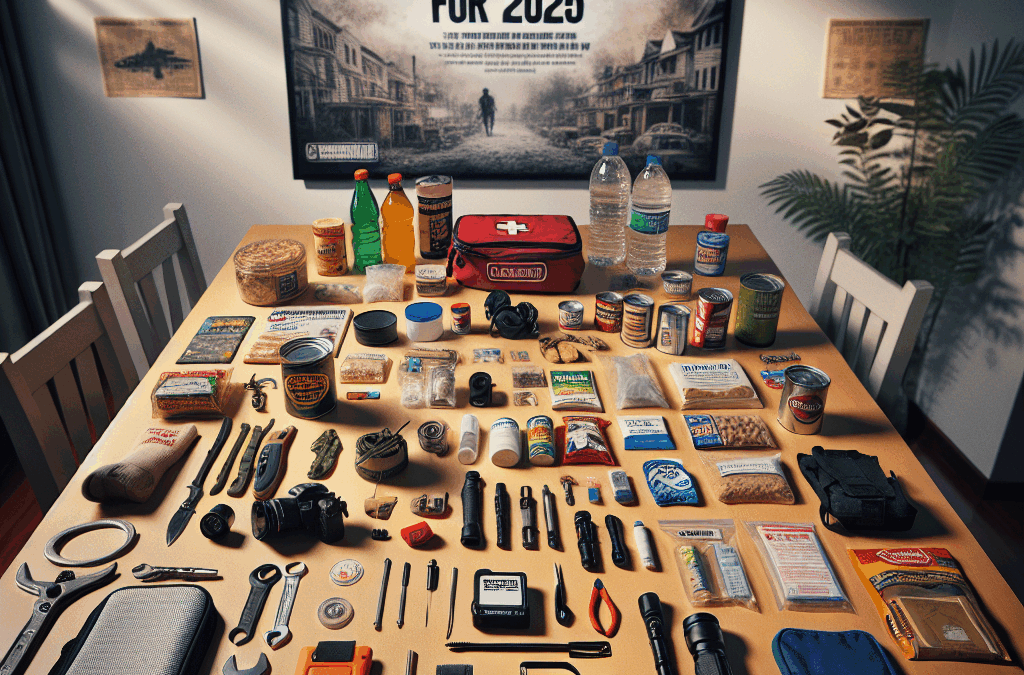
The foundation of an effective natural disaster kit lies in its key components. Essential items typically include at least one gallon of water per person per day for at least three days, non-perishable food to last the same duration, a first aid kit, a flashlight with extra batteries, and a battery-operated or hand-crank radio. Additionally, including personal hygiene items, important documents, and any necessary medications is crucial.
Many people overlook the importance of including a multi-tool or knife, which can be invaluable for various tasks during an emergency. Furthermore, consider adding a whistle to signal for help, dust masks to filter contaminated air, and moist towelettes for personal sanitation. Each of these components serves a specific purpose and can make a significant difference in an emergency situation.
In customizing your kit, think about the specific needs of your household. For instance, if you have infants or elderly family members, ensure to include baby formula, diapers, or specialized medical supplies. Additionally, don’t forget to account for pets by including food and water for them as well. A well-rounded kit considers all members of your family.
How to Customize Your Kit
Customizing your natural disaster kit is essential to ensure it meets the unique needs of your household. Start by assessing the specific risks associated with your location; for instance, if you live in an area prone to flooding, prioritize waterproof bags for your supplies. Consider the age and health of family members when determining necessary items, such as medications or mobility aids.
Moreover, personalizing your kit means including items that reflect your lifestyle. For example, if you regularly travel with children, consider adding entertainment options to keep them calm during stressful situations. If your family includes pet companions, ensure you have their food, leashes, and any required medications. Tailoring your kit not only enhances its effectiveness but also ensures everyone feels included and prepared.
Regularly re-evaluating your kit is also a vital part of customization. As family members’ needs change, so should your kit. Set a reminder to check your supplies every six months and replace any expired items. This proactive approach ensures your kit remains relevant and useful.
Maintenance and Replacement of Supplies
Maintaining your natural disaster kit is crucial for ensuring its reliability when needed. A common mistake is to create a kit and then forget about it. Regular maintenance involves checking the expiration dates on food and medications, as well as replacing batteries in flashlights and radios.
Additionally, consider the environmental conditions in which your kit is stored. For example, extreme temperatures can affect the integrity of certain supplies. Store your kit in a cool, dry place, and ensure it is easily accessible in case of an emergency. It’s also beneficial to have a secondary kit in your car for emergencies while traveling.
Incorporating a checklist can help streamline the maintenance process. Create a list of all items in your kit and their expiration dates, and review it during your regular checks. This systematic approach minimizes the risk of being caught unprepared.
Safety Tips During a Disaster
When a disaster strikes, having a natural disaster kit is only part of the equation. Knowing how to stay safe during the event is equally important. First, listen to local authorities and follow their guidance regarding evacuation or shelter-in-place orders. Having a plan in place before a disaster occurs can save lives.
During a disaster, prioritize your safety and that of your family. Avoid using candles for light, as they pose a fire hazard. Instead, rely on battery-operated lights or flashlights. If you must evacuate, take your natural disaster kit with you to ensure you have essential supplies on hand.
Additionally, remain calm and help others when possible. In chaotic situations, panic can lead to poor decision-making. Having a well-prepared kit and a clear plan can instill confidence and help you navigate emergencies more effectively.
This resource outlines the importance of preparedness and evacuation plans during hurricanes
Frequently Asked Questions
What should be in a natural disaster kit?
A natural disaster kit should include water, non-perishable food, a first aid kit, flashlight, batteries, personal hygiene items, and any necessary medications.
How often should I check my disaster kit?
It’s advisable to check your disaster kit at least every six months to ensure all items are up-to-date and in good condition.
Can I include pet supplies in my disaster kit?
Yes, it’s important to include food, water, and any necessary medications for pets in your natural disaster kit.
How much water should I store?
You should store at least one gallon of water per person per day for at least three days in your natural disaster kit.
What is the best way to store my disaster kit?
Your disaster kit should be stored in a cool, dry place that is easily accessible in case of an emergency.
Conclusion
Preparing a natural disaster kit is a critical step in ensuring your safety and survival during emergencies. Focus on including essential supplies tailored to your household’s specific needs, and regularly maintain and update your kit to keep it effective. Remember that being proactive about your disaster preparedness can make a significant difference, allowing you to respond calmly and effectively when a crisis arises. Start today by assessing your current supplies and taking action to create or enhance your natural disaster kit.
Start by assessing your immediate needs and available resources. Identify what essentials you already have and what you might need to acquire. It’s crucial to prioritize items that will support basic survival: non-perishable food, clean water, and first aid supplies. Additionally, consider how you will communicate with family and neighbors during a crisis, as traditional methods may be compromised.
A common mistake people make is underestimating the duration of a grid down scenario. Many assume that power will be restored quickly, but prolonged outages can occur. Therefore, it’s vital to prepare for extended periods without electricity. This includes having backup power sources, such as generators or solar chargers, and understanding how to use them safely. Also, consider the psychological impact of such situations and plan for mental wellness alongside physical preparedness.
Assessing Your Needs and Resources
The first step in preparing for a grid down situation is a thorough assessment of your current needs and available resources. Begin by taking inventory of your supplies, including food, water, medical supplies, and tools. Understanding what you have allows you to identify gaps in your preparedness plan.
Focus on critical resources: food, water, and first aid. It’s advisable to have at least a two-week supply of food and water for each person in your household. Consider dietary restrictions and preferences when selecting food items, ensuring they are non-perishable and easy to prepare. Also, evaluate your first aid kit and replenish expired items or add missing components.
Many overlook the importance of a comprehensive inventory. Regularly updating your supplies and evaluating your readiness can prevent last-minute panic when an emergency arises. By knowing your resources, you can prioritize what to acquire and avoid unnecessary expenses.
Food and Water Supply Strategies
In a grid down scenario, securing food and water is paramount. Start with a plan for water—aim for at least one gallon per person per day for drinking and sanitation. Store water in clean, food-grade containers and consider water purification methods, such as filters or purification tablets, to ensure safety.
Your food supply should consist of long-lasting items that require minimal preparation. Canned goods, dried beans, rice, and freeze-dried meals are excellent choices. Additionally, consider incorporating a small garden for fresh produce, which can supplement your food supply and contribute to self-sufficiency.
A common pitfall is not rotating food supplies. Ensure to implement a first-in, first-out system to keep your food fresh. Regularly check expiration dates and replace items as needed. Establishing a sustainable food strategy will enhance your resilience during extended outages.
Communication and Information Gathering
During a grid down event, maintaining communication is essential. Traditional systems may fail, so explore alternative methods such as two-way radios, satellite phones, or ham radios. Ensure you have the necessary training to use these devices effectively.
Stay informed about local conditions by having a battery-operated or hand-crank radio. This allows you to receive emergency broadcasts and updates from authorities. Additionally, create a communication plan with family and friends to establish check-in points and procedures during a crisis.
Many underestimate the importance of information during emergencies. Establishing reliable communication channels can prevent panic and misinformation. Regularly practice your communication plan to ensure everyone knows their role and can respond swiftly.
Safety and Security Measures
Safety becomes a concern during a grid down situation, making it vital to implement security measures for your home and loved ones. Evaluate potential vulnerabilities, such as entry points and windows, and reinforce them if necessary. Consider investing in outdoor lighting, motion sensors, or security cameras to deter potential threats.
Additionally, establish a neighborhood watch or community group to enhance security collectively. Share resources and information to create a safer environment for everyone involved. Regularly discuss safety protocols and conduct drills to ensure readiness.
A common mistake is assuming safety measures are unnecessary. In a crisis, desperation can lead to increased crime rates. Prioritizing security not only protects your resources but also fosters community resilience. Always be proactive rather than reactive in your safety planning.
Official site for the Federal Emergency Management Agency, offering guidance on disaster readiness
Frequently Asked Questions
What should I include in my emergency kit?
Your emergency kit should include water, non-perishable food, a flashlight, batteries, a first aid kit, and a multi-tool, among other essentials.
How long should I prepare for a grid down situation?
Aim to prepare for at least two weeks without external support, including food and water supplies, to ensure self-sufficiency.
What are the best communication methods during a grid down?
Consider using two-way radios, satellite phones, or ham radios as alternatives to traditional communication methods that may be down.
How can I ensure my food supply lasts longer?
Store food in a cool, dark place and use a first-in, first-out strategy to rotate supplies regularly, ensuring freshness.
What safety measures should I take during a grid down?
Reinforce entry points in your home, establish a neighborhood watch, and discuss safety protocols with your community to enhance security.
Conclusion
Preparing for a grid down scenario requires thoughtful planning and resource management. Focus on essential needs such as food, water, and communication, while also addressing safety and security. Regular assessments of your supplies and strategies will enhance your resilience. Prioritize creating a plan that not only meets immediate needs but also prepares you for extended outages. By being proactive, you can ensure the safety and well-being of yourself and your loved ones during emergencies.
Understanding what to include in your checklist is crucial, as it not only helps you gather necessary items but also prepares you mentally for potential scenarios. Common mistakes include underestimating the quantity of supplies needed or overlooking specific items relevant to your situation, such as medications or pet supplies. It’s essential to regularly review and update your checklist to reflect changing needs and circumstances.
Moreover, many people fail to consider the logistical aspects of their checklist. For instance, how will you transport your supplies if evacuation becomes necessary? Planning for storage and accessibility can significantly impact your readiness. Prioritize items based on local risks—such as flooding or earthquakes—and ensure your checklist is easily accessible in a crisis.
Key Components of a Ready for Anything Checklist
To effectively prepare for emergencies, your ‘ready for anything checklist’ should include several key components. These typically encompass food and water supplies, medical kits, personal documents, communication devices, and tools for shelter or warmth. Each of these categories plays a vital role in ensuring you can survive and remain safe during unexpected events.
When selecting food, prioritize non-perishable items that require minimal preparation, such as canned goods, energy bars, and dried fruits. For water, aim for at least one gallon per person per day, stored in easy-to-carry containers. Medical kits should include first-aid supplies, medications, and any special items tailored to your family’s health needs. Don’t forget to pack essential documents in a waterproof container, including identification, insurance papers, and emergency contact information.
It’s also wise to include communication devices, such as a battery-powered radio, to stay informed during a crisis. Tools for shelter, like tarps or blankets, can provide warmth and protection in adverse conditions. Regularly assess these components to ensure they meet your current needs and adjust as necessary.
How to Tailor Your Checklist to Specific Needs
Tailoring your ‘ready for anything checklist’ to your specific needs is essential for maximizing preparedness. Factors to consider include your location, family size, and any unique health requirements. For instance, those living in hurricane-prone areas may need to focus on water-proofing supplies, while families with infants should include baby formula and diapers in their checklist.
Consider conducting a family meeting to discuss individual needs and preferences when creating your checklist. This collaborative approach ensures everyone feels involved and aware of the plan. Additionally, think about including personal comfort items, such as books or games, which can help maintain morale during stressful situations.
Evaluate local hazards and tailor your supplies accordingly. If you live in a wildfire-prone area, you might need to prioritize air masks and fire-resistant materials. Keeping your checklist adaptable to these unique circumstances will enhance your overall preparedness.
Common Pitfalls to Avoid
While creating a ‘ready for anything checklist’, it’s important to be aware of common pitfalls that can undermine your preparedness efforts. One major mistake is underestimating the duration for which you will need supplies. Many people plan for a short-term emergency but fail to consider the possibility of extended disruption.
Another common oversight is neglecting to practice using your checklist. Simply having supplies is not enough; you need to know how to use them effectively. Regular drills can help familiarize everyone with the items on your checklist and the protocols to follow in an emergency.
Additionally, avoid the trap of complacency. Just because you have a checklist doesn’t mean it remains effective over time. Regular reviews and updates are crucial, especially as family dynamics change or new risks emerge.
Maintaining and Updating Your Checklist
Maintaining and updating your ‘ready for anything checklist’ is a proactive approach to ensuring ongoing preparedness. Set a schedule for regular reviews—at least every six months or after significant life changes, like moving houses or welcoming a new family member. This practice helps you identify expired items and assess whether your supplies still meet your needs.
During each review, check expiration dates on food and medications, and refresh your first-aid supplies. Also, consider any new items that might be beneficial based on recent experiences or changes in your environment. For instance, if you’ve recently acquired a pet, remember to include pet supplies in your checklist.
Finally, ensure your checklist is easily accessible and known to all family members. Consider storing it in a shared digital format or a visible location in your home, so everyone understands the plan and can act quickly in an emergency.
Further Reading
For additional insights into emergency preparedness and checklists, consider exploring authoritative resources that provide in-depth information and guidelines tailored for various scenarios.
The Federal Emergency Management Agency offers resources and tips for preparing for various types of disasters
Frequently Asked Questions
What should be included in a basic ready for anything checklist?
A basic checklist should include non-perishable food, water, a first-aid kit, essential documents, and communication devices.
How often should I update my checklist?
It’s recommended to update your checklist at least every six months or after significant life changes.
What common mistakes should I avoid when preparing my checklist?
Avoid underestimating supply durations, neglecting to practice using your supplies, and becoming complacent with your preparedness.
How can I tailor my checklist to my family’s specific needs?
Consider factors like family size, location risks, and individual health needs when creating your checklist.
Why is it important to practice using my checklist?
Practicing ensures that everyone knows how to use the supplies effectively, which is crucial during an emergency.
Conclusion
Being prepared is essential in today’s unpredictable world. A well-crafted ‘ready for anything checklist’ can significantly enhance your safety and readiness for emergencies. Prioritize gathering essential supplies, tailoring your checklist to your specific needs, and regularly updating it to reflect changes in your circumstances. By actively engaging in preparedness, you can ensure that you and your loved ones are ready to face any challenges that arise.
When constructing your survival kit, consider the environments you might face and the duration you need to be self-sufficient. A common mistake is overpacking or including items that are unsuitable for your specific needs. Focus on prioritizing lightweight, high-energy foods, multi-purpose tools, and adequate water supplies. It’s also crucial to ensure that all items are in good working condition and easily accessible in your kit.
Many individuals overlook the importance of regularly updating their survival kits. Check expiration dates on food and medical supplies every six months and replace items as needed. This simple practice can significantly enhance your readiness for an emergency, ensuring that you are not caught off guard by outdated supplies when you need them most.
Choosing the Right Container for Your Kit
The first step in building a survival kit is selecting an appropriate container. The container should be durable, waterproof, and easy to carry. Popular choices include backpacks, plastic bins, or duffel bags. Ensure the container is large enough to hold all necessary items without being cumbersome.
Consider the environment in which you will use your kit. If you anticipate needing it for outdoor use, a rugged backpack with multiple compartments can be advantageous. On the other hand, if it’s primarily for home emergencies, a sturdy plastic bin might suffice. The right container not only protects your supplies but also allows for easy organization and access when time is of the essence.
Additionally, think about personalizing your container with labels or color coding to quickly identify contents. This small detail can save valuable time during an emergency when seconds count. Keep your container in a known, accessible location to ensure you can grab it quickly when needed.
Essential Items to Include
Your survival kit should contain a variety of essential items to cover basic needs. Key components include non-perishable food, clean drinking water, a first aid kit, and tools for shelter and safety. Aim to include high-energy foods such as energy bars, dried fruits, and canned goods that require minimal preparation.
Water is critical; consider including water purification tablets or a portable filter to ensure you have access to safe drinking water. A comprehensive first aid kit should include bandages, antiseptics, pain relievers, and any personal medications. Tools like a multi-tool, flashlight, and whistle can also be vital for communication and safety.
When selecting items, think about the specific needs of all potential users of the kit. For example, if you have children in your household, include items that cater to their needs, such as snacks or comfort items. Tailoring your survival kit to the individuals who may use it ensures that everyone has what they need in an emergency.
How to Organize Your Survival Kit
Effective organization within your survival kit can significantly enhance its usability. Group similar items together and use clear bags or containers to separate categories like food, medical supplies, and tools. This approach allows for quick access to specific items without rummaging through the entire kit.
Consider creating a checklist of contents and attaching it to the inside of the container lid. This not only helps you remember what to include but also serves as a reference for future updates. Regularly review the checklist to ensure all items are accounted for and in working order.
Another tip is to place frequently used items at the top or in an easily accessible pocket. This organization strategy can save time and reduce stress during an emergency, as it allows you to find what you need quickly without unnecessary delays.
Maintaining Your Survival Kit
Maintenance of your survival kit is just as important as its initial assembly. Schedule regular check-ups, ideally every six months, to inspect all items for expiration dates, damage, or wear. Replace any expired food or medical supplies and ensure that tools are functional.
Additionally, adapt your kit to meet changing needs. For example, if you move to a new area or add family members, reassess the contents to ensure they remain relevant and adequate for your current situation. Keeping your survival kit updated is crucial for ensuring it serves its purpose effectively when you need it.
Finally, consider practicing emergency scenarios where you would use your survival kit. Familiarity with its contents and organization can make a significant difference in your response during an actual emergency, allowing you to act quickly and efficiently.
Further Reading
For more detailed information on survival kits, consider the following resources:
The Red Cross offers a detailed checklist and tips for assembling an effective survival kit
Frequently Asked Questions
What should be the top priority when building a survival kit?
The top priority should be to include essential items that cover food, water, first aid, and tools for safety and shelter.
How often should I check and update my survival kit?
Inspect your survival kit every six months to replace expired items and ensure everything is in good working order.
Can I use regular food items in my survival kit?
Yes, but focus on non-perishable items that require minimal preparation, such as canned goods, energy bars, and dehydrated meals.
How do I choose the right container for my survival kit?
Select a durable, waterproof, and portable container that is large enough to hold all necessary items without being too heavy to carry.
What tools are essential in a survival kit?
Essential tools include a multi-tool, flashlight, whistle, and a portable water filter to ensure safety and communication.
Conclusion
In conclusion, building a survival kit is an essential step in ensuring your preparedness for emergencies. Focus on selecting the right container, including vital supplies, and organizing everything for easy access. Regular maintenance and updates to your kit will keep it effective and ready for use when you need it. Remember that a well-prepared survival kit not only provides peace of mind but can also be a lifesaver in critical situations. Take the time to create and maintain your kit, prioritizing the needs of all potential users to ensure everyone is equipped to handle emergencies effectively.
Proper emergency storage planning can prevent costly mistakes during a crisis. Many individuals underestimate the importance of having quick access to vital supplies, which can lead to panic and disorganization when emergencies arise. Evaluating your household’s specific needs, such as food, water, medical supplies, and communication tools, is crucial. Moreover, understanding how to efficiently store these items—considering factors like expiration dates, accessibility, and space—is essential for effective management.
Common pitfalls in emergency storage planning include over-purchasing non-essential items and neglecting regular inventory checks. It’s important to tailor your storage plan to your unique circumstances, including the size of your household and potential risks in your area. By creating a customized plan, you can ensure that your emergency supplies are relevant and readily available when needed.
Identifying Essential Supplies
The first step in effective emergency storage planning is to identify the essential supplies you will need. This typically includes food, water, first aid kits, and personal hygiene items. Assess your household’s specific needs, considering dietary restrictions, number of occupants, and potential medical requirements.
When selecting food items, opt for non-perishable goods with a long shelf life, such as canned foods, dried fruits, and grains. It’s also wise to include water—aim for at least one gallon per person per day. Additionally, consider your family’s unique needs, such as medications or baby supplies, which should be accounted for in your planning.
Keep in mind that many people overlook the importance of having a reliable communication system during emergencies. This can include battery-powered radios, chargers, or backup power sources for mobile devices. Establishing a comprehensive list of essential supplies tailored to your family will greatly enhance your readiness.
Storage Solutions and Best Practices
Once you’ve identified the necessary supplies, the next step is to determine the best storage solutions. Consider factors like space availability, accessibility, and environmental conditions when deciding where to store your emergency supplies.
Utilizing clear, labeled containers can help keep your supplies organized and easy to find during a crisis. Additionally, storing items in a cool, dry place will help extend their shelf life. It’s also advisable to keep a designated emergency kit in a readily accessible location, such as your home entrance or a vehicle, to ensure quick access when needed.
Regularly review your storage setup to ensure it remains effective. This includes assessing your storage methods and making adjustments as necessary. Many individuals fail to check their supplies regularly, leading to expired items or disorganized systems. Establish a routine for reviewing your emergency storage plan to keep it current and functional.
Maintaining and Updating Your Supplies
Maintaining your emergency supplies is vital to ensure they remain effective when needed. This involves regular checks for expiration dates, replacing outdated items, and adapting your inventory to any changes in your household’s needs.
It’s beneficial to create a schedule for reviewing your supplies, perhaps every six months or at the change of seasons. During these checks, assess what items have been used, what needs to be replaced, and what additional items may be required based on your family’s evolving needs.
Additionally, consider implementing a first-in, first-out (FIFO) system for perishable items. This ensures that older supplies are used before newer ones, reducing waste and keeping your storage relevant. Many people overlook the importance of this step and find themselves with expired items when they need them the most.
The Red Cross offers guidance on creating effective emergency plans and storage strategies
Frequently Asked Questions
What should I include in my emergency storage kit?
Your kit should include water, non-perishable food, first aid supplies, personal hygiene items, and any necessary medications.
How often should I check my emergency supplies?
It’s recommended to review your supplies every six months to ensure everything is up-to-date and functional.
Where is the best place to store emergency supplies?
Store your supplies in a cool, dry place that is easily accessible, such as a closet or designated storage area in your home.
How much water should I store for emergencies?
Plan for at least one gallon of water per person per day for a minimum of three days.
What are common mistakes in emergency storage planning?
Common mistakes include over-purchasing non-essential items, neglecting to check expiration dates, and failing to tailor supplies to specific household needs.
Conclusion
Emergency storage planning is a critical aspect of preparedness that requires careful consideration and ongoing maintenance. By identifying essential supplies, implementing effective storage solutions, and regularly updating your inventory, you can ensure your household is ready for any crisis. Prioritize creating a customized plan that meets your family’s unique needs and circumstances to maximize your readiness. Stay proactive in your planning, and make adjustments as necessary to maintain an effective emergency storage system.