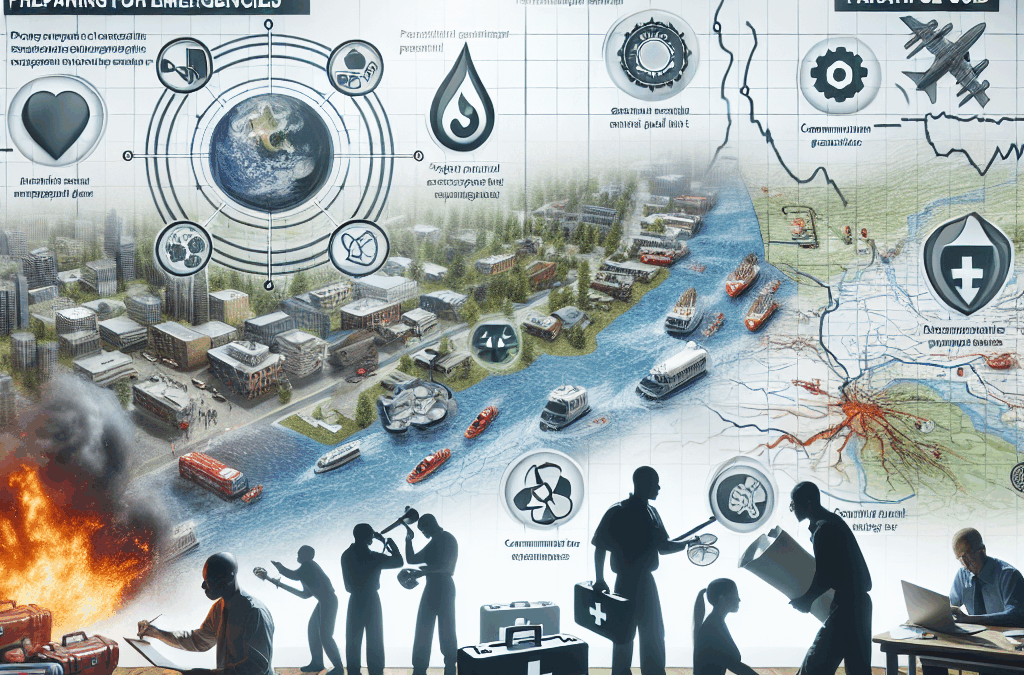
Understanding the landscape of potential emergencies is crucial. Many people underestimate the importance of a well-thought-out plan and the supplies needed to execute it effectively. Prioritizing your family’s needs, such as food, water, medical supplies, and communication tools, can make a substantial difference in your preparedness level. Common mistakes include waiting too long to gather supplies or failing to rehearse the emergency plan with all family members.
Moreover, staying informed about local emergency protocols and resources can enhance your readiness. Many underestimate the value of community resources, such as local emergency services, which can provide support during a crisis. By connecting with your neighbors and local authorities, you can better understand what resources are available and how to access them quickly.
Assessing Your Risks
The first step in any quick prep guide is to assess the risks specific to your location. This involves identifying potential natural disasters, such as floods, earthquakes, or hurricanes, as well as man-made threats like fires or civil unrest. Understanding these risks allows you to tailor your preparedness plan accordingly.
To effectively assess your risks, consider factors such as your geographic location, the historical frequency of disasters in your area, and the vulnerability of your home. Many individuals overlook the importance of this step, which can lead to inadequate preparation. For instance, a family living in a flood-prone area should prioritize waterproof supplies and evacuation routes, while those in earthquake zones may need to secure heavy furniture and stock up on specific emergency tools.
Furthermore, consider the unique needs of all family members, including pets, the elderly, or those with disabilities. Tailoring your risk assessment to include these factors can significantly enhance your overall preparedness.
Creating a Family Emergency Plan
A comprehensive family emergency plan is essential for effective preparedness. This plan should outline what to do in various emergency scenarios, including where to meet if separated and how to communicate during a crisis. A well-structured plan can minimize confusion and panic when an emergency strikes.
In creating your plan, involve all family members in discussions about potential scenarios and responses. Regularly rehearse the plan to ensure everyone knows their roles and responsibilities. Common pitfalls include not practicing the plan often enough or failing to update it as family dynamics change, such as the arrival of new members or changes in contact information.
It’s also important to designate an out-of-area contact person who can help coordinate communication if local lines are down. This person can serve as a vital link between family members during a crisis.
Essential Supplies to Gather
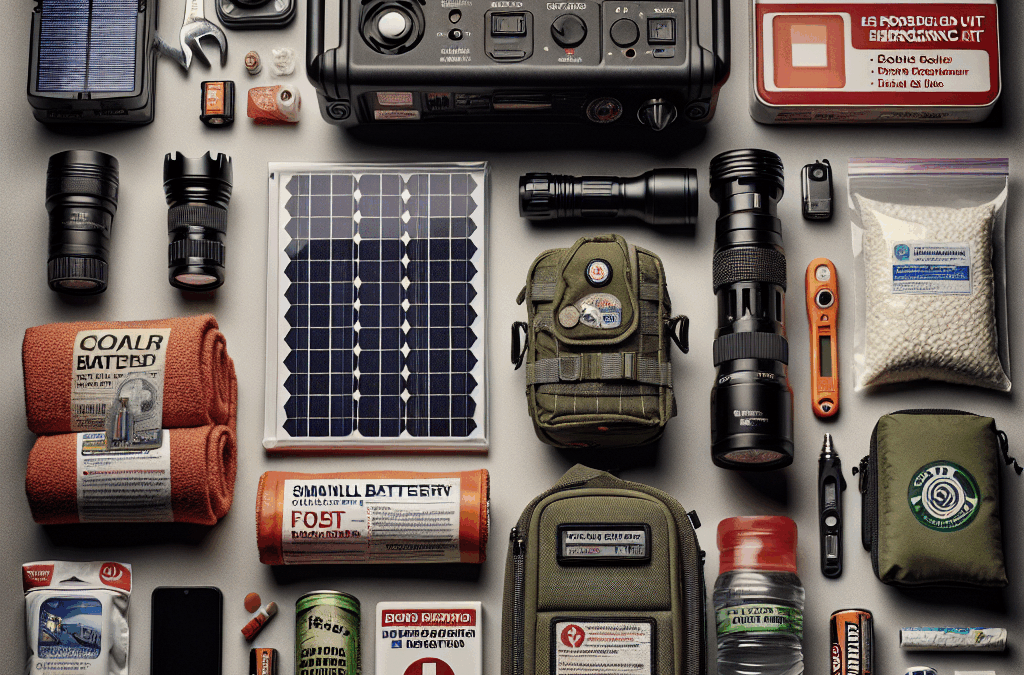
Gathering essential supplies is a cornerstone of any quick prep guide. This includes food, water, first aid supplies, and other critical items that can sustain you and your family during an emergency. The general recommendation is to have enough supplies to last at least 72 hours.
When assembling your supplies, prioritize non-perishable foods, bottled water, and necessary medications. Many people make the mistake of underestimating their food and water needs, leading to shortages during emergencies. Additionally, consider special needs for infants, elderly family members, or pets.
Regularly check and update your supplies, rotating out items that may expire and ensuring you have the latest information on any medications. A well-stocked emergency kit can make a significant difference in your ability to cope during a crisis.
Staying Informed and Connected
Staying informed about potential emergencies and local resources is crucial for effective preparedness. This includes subscribing to local alerts, following trusted news sources, and engaging with community preparedness initiatives. Knowledge can empower you to respond quickly and effectively during a crisis.
Common mistakes include relying solely on social media for updates or failing to engage with local emergency services. Building relationships with neighbors and community organizations can provide additional support and resources during emergencies. Consider joining local preparedness groups or attending community workshops to enhance your knowledge and readiness.
Additionally, ensure that you have a reliable means of communication, such as a battery-powered radio, to stay updated if traditional communication networks fail. Being proactive about staying informed can significantly enhance your readiness and response capabilities.
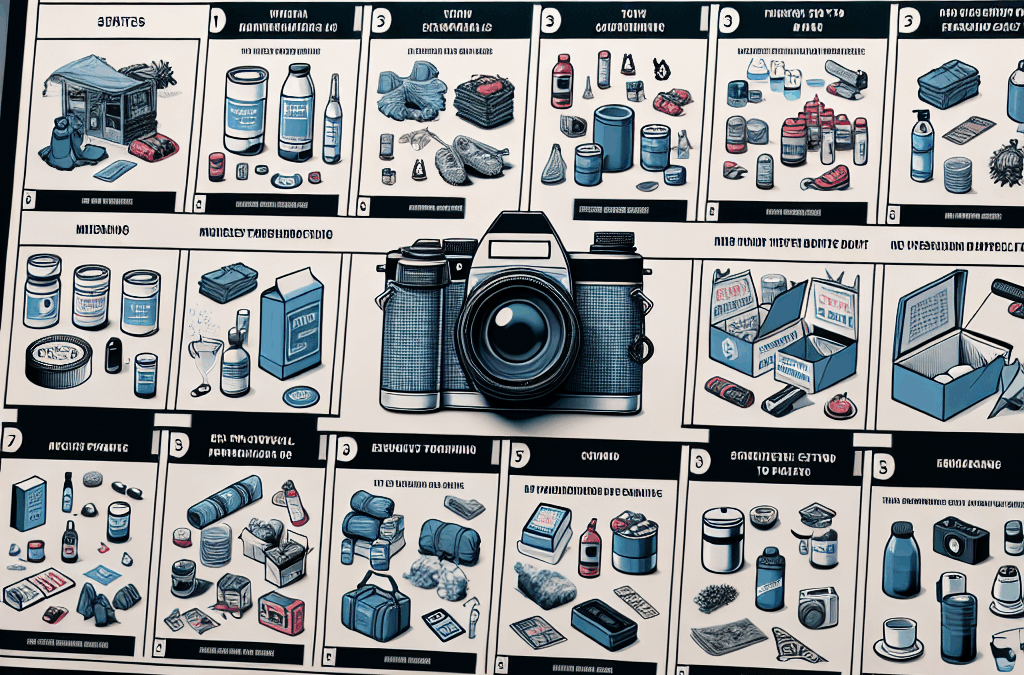
Understanding what to include in your preparedness checklist is crucial. Start by assessing your specific risks based on your location, such as natural disasters like floods, hurricanes, or earthquakes. Moreover, consider the unique needs of your family, including medical supplies for pets, infants, or elderly family members, which often get overlooked.
One common mistake people make is assuming they will have time to gather supplies during an emergency. In reality, disasters can strike with little to no warning, and having a comprehensive checklist allows you to act swiftly. Prioritize gathering items like water, non-perishable food, first-aid kits, and important documents.
Assessing Your Risks
Every household faces unique risks based on geographic location and local hazards. Evaluate potential threats, such as earthquakes, floods, or chemical spills, to tailor your home preparedness checklist effectively. Understanding these risks helps prioritize the items and plans you need.
For instance, if you live in a flood-prone area, focus on waterproofing your home and securing emergency supplies that can withstand water damage. Conversely, if you’re in a seismic zone, ensure you have sturdy furniture and supplies readily available to address earthquake-specific challenges.
Many families overlook the importance of local hazard assessments. Regularly review local emergency management resources to stay informed about potential risks and recommended actions. This proactive approach can save time and ensure your preparedness is relevant to current threats.
Essential Items for Your Checklist
Your home preparedness checklist should include critical items that cater to your family’s needs during an emergency. Start with basics like water, food, and first-aid supplies. The general rule is to have at least one gallon of water per person per day for three days and non-perishable food that can last for at least 72 hours.
In addition to food and water, consider including personal hygiene items, flashlights, batteries, and necessary medications. Also, pack a battery-operated or hand-crank radio to stay updated on emergency alerts. Personal documents, such as IDs and insurance papers, should be stored in a waterproof container.
One often-overlooked aspect is to personalize your checklist. If you have children, include comfort items like toys or blankets. For pets, don’t forget their food, medications, and identification tags. Tailoring your checklist to your family ensures that everyone feels secure and cared for during emergencies.
Creating a Family Emergency Plan
A strong home preparedness checklist is incomplete without a family emergency plan. This plan should outline how your family will communicate during a disaster, where to meet, and what to do in various scenarios. Ensure every family member understands their role and the steps to take.
Establish a communication strategy that includes emergency contacts outside your local area. This is vital, as local networks may become overwhelmed or unavailable during a crisis. Additionally, practice your plan regularly through drills, so everyone feels confident in their actions.
Another key factor is to review your plan after each drill. Discuss what went well and what could be improved. This reflection will help your family refine the emergency plan and enhance overall preparedness, making your response more effective when it matters most.
Regularly Updating Your Preparedness
Preparedness is not a one-time task; it requires regular updates and evaluations. Schedule periodic reviews of your home preparedness checklist to ensure that all items are current and relevant. Check expiration dates on food and medications, and replace items that have been used.
Also, consider changes in your family dynamics, such as new additions or changes in health needs. Adjust your checklist to accommodate any new requirements, ensuring that your preparedness remains effective and comprehensive.
Many families fail to recognize the importance of this ongoing process. By committing to regular updates, you can maintain a high level of readiness and ensure that your family is always prepared for emergencies.
Further Reading
For more information on home preparedness checklists, consider visiting official resources such as the Ready.gov, which offers comprehensive guidelines on emergency planning and preparedness.
Public health guidance for emergencies, disasters, and recovery situations.
Frequently Asked Questions
What should I include in my home preparedness checklist?
Your checklist should include water, non-perishable food, first-aid supplies, medications, hygiene items, flashlights, batteries, important documents, and any personal items for family members.
How often should I update my preparedness checklist?
It’s important to review and update your checklist at least twice a year or after any significant changes in your family or local hazards.
Why is a family emergency plan important?
A family emergency plan ensures everyone knows their roles and how to communicate during a disaster, which can save time and reduce panic.
What are common mistakes in home preparedness?
Common mistakes include underestimating the time needed to gather supplies, neglecting to personalize checklists, and failing to practice emergency plans regularly.
How can I assess my home’s specific risks?
Evaluate local hazards by researching community resources, weather patterns, and historical events to tailor your preparedness efforts effectively.
Conclusion
In summary, a well-prepared home can significantly enhance your family’s safety during emergencies. Prioritize creating a detailed home preparedness checklist that includes essential items tailored to your needs, establish a family emergency plan, and commit to regularly updating your preparedness efforts. By taking these proactive steps, you will ensure that you and your loved ones are ready to respond effectively in any crisis.
Understanding the nature of storms and their potential consequences is critical. Severe weather can lead to power outages, flooding, and structural damage, making it essential to have a plan in place. Prioritizing actions such as securing windows, doors, and outdoor items can prevent additional hazards. Many people underestimate the importance of preparation, which can lead to panic and disorganization when storms strike.
Common mistakes include neglecting to stay updated on weather forecasts and failing to practice your emergency plan. It’s crucial to regularly review and update your emergency kit, ensuring it contains items like bottled water, non-perishable food, first aid supplies, and necessary medications. Additionally, knowing when to evacuate and having a predetermined meeting place can save lives.
Assessing Your Home’s Vulnerability
Identifying how susceptible your home is to storm damage is the first step in storm readiness. This assessment involves understanding the specific risks associated with your area, such as flooding or high winds. Homeowners should inspect their properties for vulnerabilities, including loose shingles, unsealed windows, and unsecured outdoor furniture.
Taking corrective actions can mitigate damage. For example, reinforcing your roof and ensuring that gutters are clear can help prevent water damage. Many homeowners overlook the importance of regular maintenance, which can lead to increased vulnerabilities during a storm.
Additionally, consider the landscaping around your home. Trees with overhanging branches can pose a risk if they fall during a storm. Regularly trim trees and remove any weak or dead branches to reduce this risk.
Creating a Comprehensive Emergency Plan
A comprehensive emergency plan is vital for ensuring your family knows what to do in case of a storm. This plan should include communication strategies, evacuation routes, and designated meeting points. Involve all family members in the planning process to ensure everyone is aware of their roles.
When creating your plan, consider the specific needs of your family, including pets and elderly members. Having a clear plan can reduce confusion and anxiety during a storm. Many families make the mistake of assuming everyone knows what to do, which can lead to chaos when the time comes.
Regularly practice your emergency plan to ensure everyone is familiar with it. Conduct drills that simulate various storm scenarios, including evacuation and sheltering in place, to prepare your family for real-life situations.
Building a Disaster Supply Kit
A well-stocked disaster supply kit is essential for storm readiness. Your kit should include at least a three-day supply of water and food, a flashlight, batteries, a first aid kit, and any necessary medications. Tailor your kit to your family’s specific needs, including items for infants or pets.
Regularly check and update your kit, replacing expired items and ensuring it remains accessible. Many people underestimate the importance of having a ready supply kit, leading to last-minute scrambling when a storm is imminent.
Consider additional items such as a multi-tool, whistle, dust masks, and local maps. These can prove invaluable in emergencies, providing tools for communication and navigation.
Staying Informed and Updated
Staying informed about weather conditions is crucial during storm season. Utilize multiple sources for weather updates, including local news, weather apps, and NOAA Weather Radio. Understanding the different types of alerts and warnings can help you make informed decisions.
People often overlook the importance of preparedness due to a false sense of security, assuming storms won’t affect them. Regularly monitoring the weather can help you recognize when to act, whether that means evacuating or taking shelter.
Consider joining local community groups or online forums focused on storm preparedness. These platforms can provide valuable information and support from others in your area who are also preparing for storms.
Post-Storm Safety Measures
After a storm has passed, safety remains a priority. Inspect your home for damage before entering, and be cautious of hazards such as downed power lines and flooding. If you must venture outside, wear sturdy shoes and stay away from damaged areas.
Many individuals rush to assess damage without taking necessary precautions, which can lead to injuries. It’s important to wait for official clearance before returning to affected areas.
Document any damage for insurance purposes and report it to your insurance company promptly. Keeping detailed records can expedite claims and ensure you receive the assistance you need.
Many people overlook the critical importance of personal preparedness, often believing that help will always be available in emergencies. However, relying solely on external support can lead to dire consequences when resources are stretched thin or unavailable. A well-structured preparedness plan not only mitigates risks but also empowers individuals to respond effectively when faced with uncertainty.
Common mistakes include failing to assess individual and community risks accurately or underestimating the time and resources required to prepare adequately. By prioritizing preparedness, individuals can avoid these pitfalls and build a more resilient foundation for themselves and their families.
Identifying Risks and Vulnerabilities
Understanding the specific risks and vulnerabilities in your area is the first step in preparedness for uncertain times. This might include natural disasters such as hurricanes, floods, or earthquakes, as well as human-made threats like civil unrest or pandemics. By conducting a thorough risk assessment, individuals can prioritize which scenarios to prepare for and allocate resources accordingly.
Common oversights include assuming that all risks are equally likely or neglecting to consider personal circumstances, such as health issues or mobility challenges. A tailored approach that reflects individual and community characteristics is crucial for effective preparedness.
In addition, regularly reviewing and updating risk assessments ensures that preparedness measures remain relevant. As conditions change—whether due to climate change, population shifts, or new threats—so must our strategies.
Creating an Emergency Plan
An emergency plan is a critical component of preparedness for uncertain times. This plan should outline specific actions to take during various emergencies, identify communication channels, and designate meeting points for family members. A well-structured plan can reduce chaos and confusion during a crisis.
It’s essential to involve all family members in the planning process to ensure everyone understands their roles and responsibilities. Common mistakes include failing to practice the plan regularly or neglecting to account for pets and other dependents.
Considerations such as evacuation routes and local emergency resources should be included in the plan. Regular drills can help reinforce the plan and ensure that everyone is prepared to act quickly and effectively when needed.
Building a Supply Kit
A comprehensive supply kit is vital for preparedness for uncertain times. This kit should include essential items such as food, water, first aid supplies, and tools for communication and shelter. The key is to ensure that the kit meets the specific needs of all family members.
Many people underestimate the amount of water and food required for extended emergencies. It’s advisable to store at least one gallon of water per person per day for a minimum of three days, along with non-perishable food that can last for several weeks. Regularly checking expiration dates and rotating supplies is also crucial.
Additionally, consider personal needs such as medications, baby supplies, or special dietary requirements. Customizing your kit to fit your unique situation can make all the difference in a crisis.
Developing Essential Skills
Beyond gathering supplies and creating plans, developing essential skills is a significant aspect of preparedness for uncertain times. Skills such as basic first aid, self-defense, and emergency communication can greatly enhance your ability to respond effectively during crises.
Investing time in training can yield long-term benefits. Many people overlook the importance of practice; skills can diminish over time if not regularly exercised. Consider taking courses or participating in community drills to maintain proficiency.
Moreover, fostering a mindset of adaptability is crucial. The ability to think critically and make quick decisions can save lives when circumstances change unexpectedly. Emphasizing flexibility in your preparedness strategy will enable you to navigate challenges more effectively.
When considering your emergency supplies, it’s important to prioritize items based on the types of emergencies you may face. For example, in areas prone to natural disasters like hurricanes or floods, waterproof storage for vital supplies is crucial. Common mistakes include failing to update supplies regularly, not accounting for specific family needs (like medications), and underestimating the amount of water and food required for each person.
Furthermore, many individuals overlook the importance of communication tools, such as battery-operated radios or portable chargers for cell phones, which can be lifesaving during power outages. Creating a well-rounded emergency supply kit tailored to your unique situation can enhance your preparedness significantly.
Water and Food Supplies
Water and food supplies are the cornerstones of any emergency preparedness plan. The general guideline is to store at least one gallon of water per person per day for at least three days, which is essential for hydration and sanitation. Non-perishable food items, such as canned goods, dried fruits, and energy bars, also need to be included in your kit to ensure you have enough sustenance during an emergency.
Consideration should be given to dietary restrictions and preferences when selecting food items. It’s also essential to rotate supplies periodically to prevent spoilage and ensure freshness. A common pitfall is stocking up on items that require cooking or extensive preparation, which may not be feasible in an emergency scenario.
Additionally, storing a portable water filter or purification tablets can provide a backup source of clean drinking water, especially in situations where tap water may become contaminated.
First Aid Kits and Medical Supplies
A well-stocked first aid kit is essential for treating injuries that may occur during emergencies. Basic supplies should include adhesive bandages, antiseptics, gauze pads, scissors, and any personal medications that family members may need. Consider adding emergency items like splints and burn dressings, which can address a range of injuries.
It’s crucial to check the contents of your first aid kit regularly and replace expired items. Many people underestimate the importance of including a manual or instructions for administering first aid, which can be invaluable in crisis situations.
Furthermore, familiarize yourself with basic first aid techniques before an emergency occurs. Take a certified first aid course to ensure that you can respond effectively if injuries arise.
Emergency Tools and Equipment
Having the right tools and equipment can greatly enhance your ability to manage an emergency. Essential items include a multi-tool or Swiss army knife, duct tape, a fire starter, and a sturdy flashlight. These tools can help you address a variety of situations, from repairs to signaling for help.
Investing in a portable generator can also be beneficial, especially during prolonged power outages. However, it’s important to understand how to operate it safely to avoid carbon monoxide poisoning. A frequent mistake is purchasing equipment without understanding its maintenance or operational requirements.
Moreover, consider adding a whistle and signal mirror to your emergency kit. These items can provide a means of communication if you need to signal for help but lack other resources.
Communication and Lighting
Communication and lighting are often overlooked in emergency kits. Battery-operated or solar-powered lanterns are preferable to candles, as they reduce fire risks and provide longer-lasting light. Additionally, a hand-crank or solar-powered radio can help you stay informed about emergency updates.
It’s also wise to keep a list of emergency contacts and important documents in your kit. This includes insurance information, medical records, and identification. Many people fail to prepare for communication, assuming their cell phones will always work; however, power outages or damaged networks can hinder access.
Moreover, consider investing in a power bank to keep your devices charged in case of an outage. This small investment can make a significant difference in your ability to stay connected during emergencies.
Understanding the nature of potential emergencies, such as natural disasters or personal crises, is crucial. Each type of event may require different preparations, but common elements include having a designated meeting place, a communication strategy, and essential supplies on hand. People often underestimate the importance of regular drills and updates to their plans, which can lead to confusion during actual emergencies.
One common mistake is failing to customize preparedness plans to fit specific circumstances. For example, urban dwellers may need different strategies compared to those in rural areas. Additionally, neglecting to consider the needs of all family members, including pets, can hinder effective response. It’s essential to approach readiness comprehensively, ensuring that all aspects of your life are addressed.
Identifying Potential Threats
Identifying potential threats is the first step in effective preparedness. Understanding the risks associated with your geographic location and lifestyle can help tailor your readiness efforts. Whether it’s natural disasters like hurricanes or man-made events such as power outages, knowing what to expect allows you to create a focused plan.
Many people overlook the importance of community resources when assessing threats. Local emergency services, community centers, and neighborhood watch programs can provide valuable information and support. Additionally, monitoring local news and weather channels can keep you informed about imminent threats.
It’s also worth recognizing that threats can evolve. For example, climate change is leading to increased frequency and severity of certain natural disasters. Regularly reviewing and updating your threat assessment ensures your preparedness remains relevant and effective.
Creating an Emergency Plan
Creating an emergency plan is critical for effective preparedness. This plan should outline specific actions to take during various emergencies, including evacuation routes, communication strategies, and designated meeting points. A well-structured plan can significantly reduce chaos and confusion during a crisis.
When formulating your plan, consider the unique needs of your household. Families with children or elderly members may require special considerations, such as accessible transportation or medical needs. Regular family meetings to discuss and practice the plan can reinforce its importance and ensure everyone knows their roles.
Common pitfalls include not practicing the plan often enough or failing to update it after significant life changes, such as moving or adding new family members. Keeping your emergency plan dynamic helps maintain its effectiveness over time.
Assembling Essential Supplies
Assembling essential supplies is a fundamental part of being prepared. This includes food, water, first-aid kits, and other necessities that can sustain you during an emergency. Having these supplies readily available can make a significant difference in your ability to respond effectively.
It’s advisable to create a checklist of items tailored to your specific needs. For instance, families with infants may need formula and diapers, while those with pets should include pet food and supplies. Regularly reviewing and rotating supplies ensures they remain fresh and usable.
One common mistake is underestimating the amount of water needed. A general rule is to have at least one gallon of water per person per day for at least three days. Additionally, consider the storage and accessibility of these supplies—having them in a designated spot can save crucial time during an emergency.
Staying Informed and Updated
Staying informed and updated is essential for effective preparedness. This involves monitoring local news, subscribing to emergency alerts, and utilizing apps that provide real-time information about potential threats. Being proactive in gathering information can significantly enhance your readiness.
Many people assume they will have access to information during a crisis, but this is not always the case. Power outages and network failures can disrupt communication. Therefore, having multiple sources of information, including battery-operated radios and offline maps, is a smart strategy.
Regularly updating your knowledge and preparedness plan based on new information and experiences is crucial. Attend local workshops, engage with community preparedness groups, and share experiences with neighbors to build a more resilient community.
FEMA offers essential information about disaster preparedness and recovery resources
Frequently Asked Questions
What should I include in my emergency kit?
Your emergency kit should include water, non-perishable food, a flashlight, batteries, a first-aid kit, and necessary medications.
How often should I review my emergency plan?
Review your emergency plan at least once a year or whenever significant changes occur in your household.
What are common mistakes in emergency preparedness?
Common mistakes include not customizing plans for specific needs, failing to practice, and neglecting to update supplies regularly.
How can I stay informed during an emergency?
Stay informed by subscribing to local emergency alert systems, monitoring news, and using weather apps.
What is the best way to prepare for a natural disaster?
The best way to prepare is to create a comprehensive emergency plan, assemble necessary supplies, and stay informed about potential threats.
Conclusion
In conclusion, being ready before it happens requires a thoughtful approach to emergency preparedness. By identifying potential threats, creating a detailed emergency plan, assembling essential supplies, and staying informed, you can significantly enhance your ability to respond effectively during a crisis. Regularly reviewing and practicing your plan is crucial to ensure everyone knows their roles and responsibilities. Ultimately, proactive preparation not only protects you and your loved ones but also contributes to a more resilient community.