Understanding the unique risks your home may face is vital. Factors like geographical location, climate, and even your home’s structure can influence what you need to prepare for. For example, homes in flood-prone areas need different preparations compared to those in regions susceptible to wildfires or earthquakes. Identifying these risks allows you to tailor your preparations effectively.
One common mistake many homeowners make is underestimating the importance of a comprehensive emergency plan. This plan should include not only evacuation routes and communication strategies but also designated meeting points for family members. Additionally, regularly reviewing and practicing this plan can ensure everyone knows their role in a crisis.
Assessing Risks and Creating an Emergency Plan
Assessing the risks your home faces is the first step in prepping effectively. Understanding threats such as floods, fires, or earthquakes allows you to develop a tailored emergency plan. This plan should detail evacuation routes, communication methods, and designated meeting points for family members.
Each household has unique needs, so consider factors such as the age of family members, pets, and specific medical requirements. Engaging in regular discussions about the plan with all family members is crucial, as it ensures everyone knows their role in an emergency. Updates and practice drills are equally important to maintain readiness.
Often, families overlook the need to include all members in the planning process. Ensuring that children understand what to do in an emergency can empower them and reduce panic during a crisis. Moreover, consider appointing a neighbor or nearby relative as a contact person in case family members are separated.
Building a Disaster Supply Kit
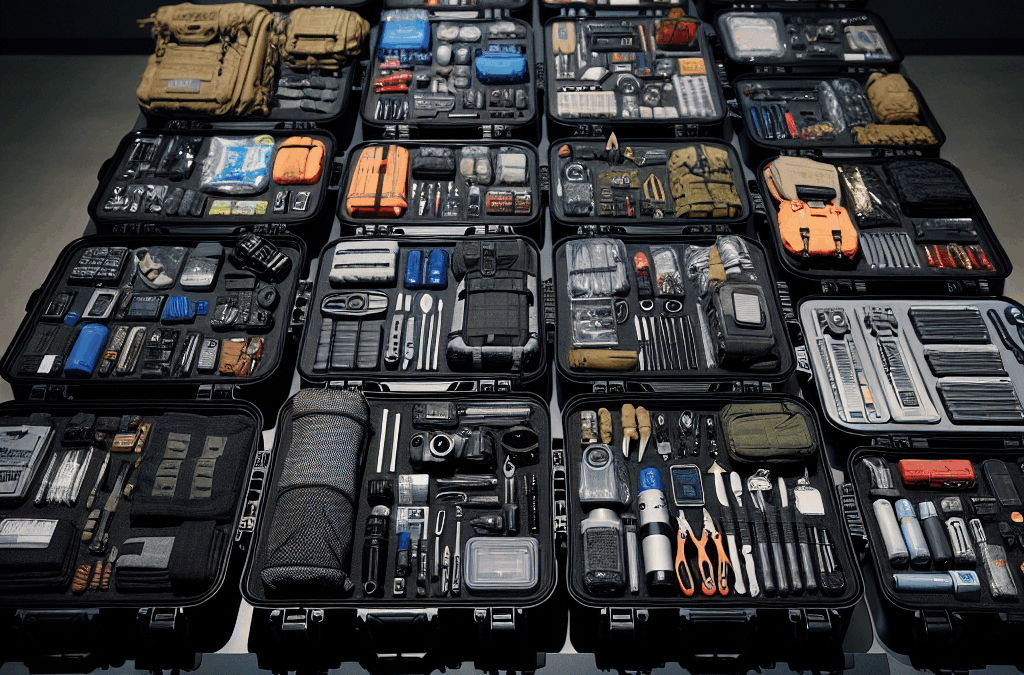
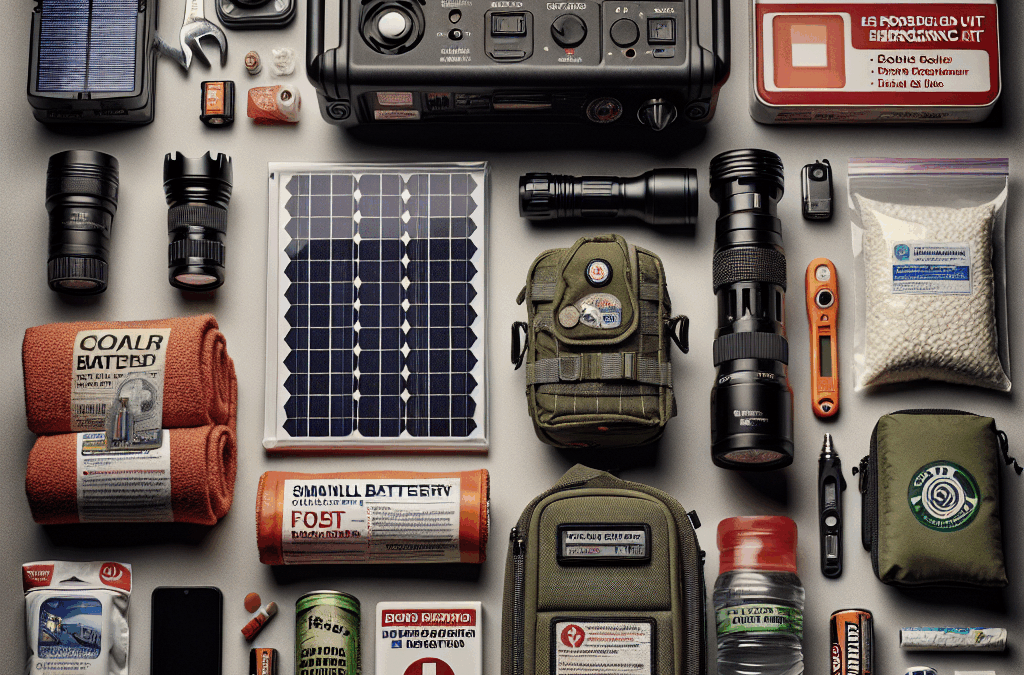
A well-stocked disaster supply kit is essential for effective home prepping. This kit should contain enough supplies to sustain your household for at least 72 hours during an emergency. Key items include water, non-perishable food, first-aid supplies, flashlights, batteries, and necessary medications.
It’s crucial to regularly check and update your supply kit to ensure all items are in good condition and not expired. Additionally, personalize your kit based on your household’s specific needs, such as including baby supplies or pet food. Organizing your kit in a clearly labeled, easily accessible container can save valuable time in an emergency.
Many people underestimate the importance of including important documents in their kits. Keep copies of insurance policies, identification documents, and any essential medical information in a waterproof bag within your kit. This practice can streamline recovery efforts after an incident.
Securing Your Home and Property
Securing your home is a critical component of prepping. This includes reinforcing doors and windows, ensuring smoke detectors and carbon monoxide detectors are functional, and having fire extinguishers readily available. Assessing your property for potential hazards, such as overhanging branches or loose debris, can also minimize risks during severe weather.
Consider investing in home security systems and outdoor lighting to deter potential intruders and enhance safety during emergencies. Additionally, creating defensible space around your home can protect against wildfires, while flood barriers can help mitigate water damage.
A frequent oversight is neglecting to maintain your home’s infrastructure. Regular inspections of your roof, plumbing, and electrical systems can prevent emergencies from escalating. Keeping your yard clear of debris and maintaining landscaping can further enhance your home’s safety profile.
Staying Informed and Educated
Staying informed about local risks and emergency protocols is vital for effective home prepping. This includes signing up for local alerts and notifications about weather conditions, evacuation orders, or emergency services. Understanding your community’s emergency response plan can help you react promptly and effectively.
Education plays a significant role in preparedness. Consider enrolling in first aid or CPR courses, which can empower you to assist others in emergencies. Additionally, familiarize yourself with resources available in your area, such as community shelters or support services.
One common mistake is assuming that information will be readily available during a crisis. In reality, communication networks may fail, making it crucial to have alternative sources of information, such as battery-operated radios or local community groups for updates.
FEMA provides guidelines and information on disaster readiness and recovery
Frequently Asked Questions
What should I include in my emergency plan?
Your emergency plan should include evacuation routes, communication methods, and designated meeting points for family members.
How often should I update my disaster supply kit?
Review and update your disaster supply kit at least twice a year to ensure all items are current and functional.
What are some common mistakes in home prepping?
Common mistakes include underestimating the need for a comprehensive emergency plan and neglecting regular maintenance of your home’s safety features.
How can I make my home more secure?
Reinforce doors and windows, install smoke detectors and fire extinguishers, and maintain your landscaping to reduce hazards.
Why is staying informed important for prepping?
Staying informed helps you react promptly to local risks and ensures you are aware of emergency protocols and available resources.
Conclusion
In conclusion, prepping your home is essential for enhancing your safety and readiness in emergencies. By assessing risks, creating an emergency plan, building a disaster supply kit, securing your home, and staying informed, you can significantly improve your household’s resilience. Prioritize these steps and regularly review your preparations to ensure you are always ready for unexpected events.
Understanding the importance of preparedness is crucial, especially given the increasing frequency of natural disasters, health emergencies, and man-made crises. Many people underestimate the impact of being unprepared, leading to panic and confusion during critical moments. Common pitfalls include failing to create a family emergency plan, neglecting to stock essential supplies, and not staying updated on local risks. Recognizing these mistakes can help individuals prioritize their preparedness efforts.
A key aspect of preparedness is understanding the specific types of crises that may occur in your area. This could range from natural disasters like hurricanes and earthquakes to health emergencies such as pandemics. Each scenario requires different preparations and resources, so tailoring your emergency plan to address local threats is vital.
Creating an Effective Emergency Plan
Creating an effective emergency plan is the cornerstone of preparedness during a crisis. This plan should outline specific actions to take in various scenarios, including evacuation routes, communication methods, and designated meeting points for family members.
A well-crafted plan not only provides clarity during stressful situations but also establishes a sense of security among family members. It’s essential to involve everyone in the planning process, ensuring that each person understands their role and responsibilities. Regularly review and practice the plan to keep it fresh in everyone’s mind.
Additionally, consider the unique needs of all family members when developing your plan, including pets and individuals with disabilities. This ensures that everyone can respond effectively, regardless of the circumstances.
Essential Supplies to Have on Hand
Stocking essential supplies is critical for effective preparedness during a crisis. Basic items to include are food, water, medical supplies, and personal hygiene products. Aim for a supply that can sustain your household for at least 72 hours.
When selecting food, prioritize non-perishable items that require minimal preparation. Water should be stored in clean, safe containers, with at least one gallon per person per day being a standard guideline. Medical supplies should include a first aid kit, necessary medications, and any specific items for family members’ health needs.
Don’t forget to periodically check and update your supplies, replacing expired items and adjusting quantities based on seasonal needs or changes in family size.
Staying Informed: Communication and Alerts
Staying informed is a vital aspect of preparedness during a crisis. Reliable communication channels can provide timely alerts about impending dangers and necessary actions. Establishing a network of trusted sources, such as local emergency services and weather stations, is essential.
Consider using multiple communication methods, including mobile apps, text alerts, and social media, to receive updates. It’s also beneficial to have a battery-operated radio to access information when power outages occur.
Regularly review your communication plan with family members to ensure everyone knows how to receive updates and where to find critical information during an emergency.
Common Mistakes in Crisis Preparedness
Many individuals make critical mistakes in their crisis preparedness efforts, often underestimating the need for a comprehensive approach. One common error is failing to practice the emergency plan, which can lead to confusion and panic when a real crisis occurs.
Another mistake is neglecting to account for the specific needs of all family members. For example, not having adequate supplies for infants, elderly individuals, or pets can create additional challenges during a crisis.
To enhance your preparedness, regularly evaluate your plan and supplies, and seek feedback from family members on areas for improvement.
Focuses on strategies to reduce risks and improve community resilience during crises
Frequently Asked Questions
What should I include in my emergency kit?
Your emergency kit should include water, non-perishable food, a flashlight, batteries, a first aid kit, personal hygiene items, and any necessary medications.
How often should I update my emergency plan?
You should review and update your emergency plan at least once a year or whenever there are significant changes in your family or living situation.
What are the most common types of crises to prepare for?
Common crises include natural disasters like floods, hurricanes, and earthquakes, as well as health emergencies such as pandemics and widespread illness.
How can I ensure my family stays informed during a crisis?
Establish multiple communication channels, such as mobile alerts, social media, and a battery-operated radio, to receive timely updates and information during a crisis.
What is the first step in crisis preparedness?
The first step is to create a comprehensive emergency plan that outlines specific actions, evacuation routes, and communication methods for your household.
Conclusion
Preparedness during a crisis is essential for ensuring safety and reducing risks. By creating a robust emergency plan, stocking necessary supplies, and staying informed, individuals and families can navigate unexpected situations more effectively. Regularly review and practice your plans, and be proactive in addressing the unique needs of your household. Taking these steps now can make a significant difference when a crisis arises.
It’s essential to remain calm and collected in emergencies. Panic can cloud judgment and lead to poor decision-making. Understanding the nature of the emergency—whether it’s a fire, flood, medical issue, or another crisis—will help you determine the best course of action. Prioritizing safety, both for yourself and others, is the first step in any emergency response.
One common mistake during emergencies is not having a clear plan or failing to communicate effectively with others involved. It’s crucial to establish a chain of command and ensure that everyone knows their roles and responsibilities. This clarity can help streamline efforts and reduce confusion during high-stress situations.
Assessing the Situation
Assessing the situation is the first and most critical step in handling emergencies. This involves quickly evaluating the nature of the emergency, identifying potential hazards, and determining the number of people affected. A thorough assessment helps in making informed decisions on the next actions to take.
During this phase, it’s important to remain observant and calm. Take note of any immediate dangers, such as fire, smoke, or hazardous materials. Understanding what you’re dealing with will help in prioritizing actions and communicating effectively with others. If possible, gather as much information as you can about the situation to relay to emergency responders.
Common pitfalls include rushing to action without a clear understanding of the situation, which can lead to further risk. Take a moment to assess before acting, as this can prevent additional injuries and complications.
Ensuring Personal Safety
Ensuring personal safety is paramount during any emergency. This means taking immediate actions to protect yourself and those around you from harm. Depending on the situation, this could involve evacuating the area, finding shelter, or moving to a safe location.
In many emergencies, people underestimate the importance of personal safety. It’s crucial to remember that you cannot help others if you are in danger yourself. Always prioritize your safety first, then assist others when it is safe to do so. This might involve guiding others to safety or offering support to those who are injured.
One key strategy is to have a personal safety plan in place before emergencies occur. Familiarize yourself with escape routes, emergency contacts, and safety equipment. This preparation can significantly increase your safety during a crisis.
Contacting Emergency Services
Contacting emergency services is a critical step that can save lives. As soon as it is safe to do so, call the appropriate authorities—whether that’s police, fire, or medical services. Provide them with clear and precise information about the situation, including your location, the nature of the emergency, and any immediate risks.
Many individuals hesitate to call emergency services, often thinking they can handle the situation themselves. However, professional responders are trained to deal with emergencies and can provide immediate assistance. It’s essential to communicate calmly and clearly, as this helps dispatchers relay the right information to responders.
Remember that emergency services can also provide guidance on what to do next while you wait for help to arrive. This can be invaluable in ensuring the safety of everyone involved.
Providing First Aid
Providing first aid is a vital skill that can make a significant difference in emergency situations. If you are trained, assess the injuries and provide appropriate care while waiting for emergency responders. This may include performing CPR, controlling bleeding, or treating shock.
Many people feel unprepared to provide first aid, which can lead to inaction during critical moments. Consider taking a first aid and CPR course to build your confidence and skills. Knowing how to respond to common injuries can empower you to act decisively when it matters most.
When providing first aid, prioritize the most critical injuries first. This triage approach helps in managing multiple casualties effectively. Always stay within your skill level, and don’t hesitate to call for professional help.
The CDC offers guidelines and resources for disaster preparedness and public health emergencies
Frequently Asked Questions
What should I do first during an emergency?
Assess the situation to understand the nature of the emergency and ensure your safety before taking further action.
How can I prepare for emergencies at home?
Create an emergency plan, stock essential supplies, and ensure everyone in your household knows their roles.
When should I call emergency services?
Call emergency services if there is an immediate threat to life, property, or health, or if you are unsure of what to do next.
What are the most common mistakes during emergencies?
Common mistakes include panicking, failing to assess the situation, and not contacting emergency services promptly.
How can I learn first aid?
Consider enrolling in a first aid and CPR course through organizations like the American Red Cross or local health departments.
Conclusion
Effective emergency handling requires a combination of preparation, quick assessment, and clear communication. By knowing how to assess situations, ensure safety, contact emergency services, and provide first aid, you can significantly improve outcomes during crises. Prioritize creating an emergency plan and getting trained in first aid to empower yourself and those around you. Remember, staying calm and collected can make all the difference in an emergency.
Understanding the landscape of potential emergencies is crucial. Many people underestimate the importance of a well-thought-out plan and the supplies needed to execute it effectively. Prioritizing your family’s needs, such as food, water, medical supplies, and communication tools, can make a substantial difference in your preparedness level. Common mistakes include waiting too long to gather supplies or failing to rehearse the emergency plan with all family members.
Moreover, staying informed about local emergency protocols and resources can enhance your readiness. Many underestimate the value of community resources, such as local emergency services, which can provide support during a crisis. By connecting with your neighbors and local authorities, you can better understand what resources are available and how to access them quickly.
Assessing Your Risks
The first step in any quick prep guide is to assess the risks specific to your location. This involves identifying potential natural disasters, such as floods, earthquakes, or hurricanes, as well as man-made threats like fires or civil unrest. Understanding these risks allows you to tailor your preparedness plan accordingly.
To effectively assess your risks, consider factors such as your geographic location, the historical frequency of disasters in your area, and the vulnerability of your home. Many individuals overlook the importance of this step, which can lead to inadequate preparation. For instance, a family living in a flood-prone area should prioritize waterproof supplies and evacuation routes, while those in earthquake zones may need to secure heavy furniture and stock up on specific emergency tools.
Furthermore, consider the unique needs of all family members, including pets, the elderly, or those with disabilities. Tailoring your risk assessment to include these factors can significantly enhance your overall preparedness.
Creating a Family Emergency Plan
A comprehensive family emergency plan is essential for effective preparedness. This plan should outline what to do in various emergency scenarios, including where to meet if separated and how to communicate during a crisis. A well-structured plan can minimize confusion and panic when an emergency strikes.
In creating your plan, involve all family members in discussions about potential scenarios and responses. Regularly rehearse the plan to ensure everyone knows their roles and responsibilities. Common pitfalls include not practicing the plan often enough or failing to update it as family dynamics change, such as the arrival of new members or changes in contact information.
It’s also important to designate an out-of-area contact person who can help coordinate communication if local lines are down. This person can serve as a vital link between family members during a crisis.
Essential Supplies to Gather
Gathering essential supplies is a cornerstone of any quick prep guide. This includes food, water, first aid supplies, and other critical items that can sustain you and your family during an emergency. The general recommendation is to have enough supplies to last at least 72 hours.
When assembling your supplies, prioritize non-perishable foods, bottled water, and necessary medications. Many people make the mistake of underestimating their food and water needs, leading to shortages during emergencies. Additionally, consider special needs for infants, elderly family members, or pets.
Regularly check and update your supplies, rotating out items that may expire and ensuring you have the latest information on any medications. A well-stocked emergency kit can make a significant difference in your ability to cope during a crisis.
Staying Informed and Connected
Staying informed about potential emergencies and local resources is crucial for effective preparedness. This includes subscribing to local alerts, following trusted news sources, and engaging with community preparedness initiatives. Knowledge can empower you to respond quickly and effectively during a crisis.
Common mistakes include relying solely on social media for updates or failing to engage with local emergency services. Building relationships with neighbors and community organizations can provide additional support and resources during emergencies. Consider joining local preparedness groups or attending community workshops to enhance your knowledge and readiness.
Additionally, ensure that you have a reliable means of communication, such as a battery-powered radio, to stay updated if traditional communication networks fail. Being proactive about staying informed can significantly enhance your readiness and response capabilities.
Understanding what to include in your preparedness checklist is crucial. Start by assessing your specific risks based on your location, such as natural disasters like floods, hurricanes, or earthquakes. Moreover, consider the unique needs of your family, including medical supplies for pets, infants, or elderly family members, which often get overlooked.
One common mistake people make is assuming they will have time to gather supplies during an emergency. In reality, disasters can strike with little to no warning, and having a comprehensive checklist allows you to act swiftly. Prioritize gathering items like water, non-perishable food, first-aid kits, and important documents.
Assessing Your Risks
Every household faces unique risks based on geographic location and local hazards. Evaluate potential threats, such as earthquakes, floods, or chemical spills, to tailor your home preparedness checklist effectively. Understanding these risks helps prioritize the items and plans you need.
For instance, if you live in a flood-prone area, focus on waterproofing your home and securing emergency supplies that can withstand water damage. Conversely, if you’re in a seismic zone, ensure you have sturdy furniture and supplies readily available to address earthquake-specific challenges.
Many families overlook the importance of local hazard assessments. Regularly review local emergency management resources to stay informed about potential risks and recommended actions. This proactive approach can save time and ensure your preparedness is relevant to current threats.
Essential Items for Your Checklist
Your home preparedness checklist should include critical items that cater to your family’s needs during an emergency. Start with basics like water, food, and first-aid supplies. The general rule is to have at least one gallon of water per person per day for three days and non-perishable food that can last for at least 72 hours.
In addition to food and water, consider including personal hygiene items, flashlights, batteries, and necessary medications. Also, pack a battery-operated or hand-crank radio to stay updated on emergency alerts. Personal documents, such as IDs and insurance papers, should be stored in a waterproof container.
One often-overlooked aspect is to personalize your checklist. If you have children, include comfort items like toys or blankets. For pets, don’t forget their food, medications, and identification tags. Tailoring your checklist to your family ensures that everyone feels secure and cared for during emergencies.
Creating a Family Emergency Plan
A strong home preparedness checklist is incomplete without a family emergency plan. This plan should outline how your family will communicate during a disaster, where to meet, and what to do in various scenarios. Ensure every family member understands their role and the steps to take.
Establish a communication strategy that includes emergency contacts outside your local area. This is vital, as local networks may become overwhelmed or unavailable during a crisis. Additionally, practice your plan regularly through drills, so everyone feels confident in their actions.
Another key factor is to review your plan after each drill. Discuss what went well and what could be improved. This reflection will help your family refine the emergency plan and enhance overall preparedness, making your response more effective when it matters most.
Regularly Updating Your Preparedness
Preparedness is not a one-time task; it requires regular updates and evaluations. Schedule periodic reviews of your home preparedness checklist to ensure that all items are current and relevant. Check expiration dates on food and medications, and replace items that have been used.
Also, consider changes in your family dynamics, such as new additions or changes in health needs. Adjust your checklist to accommodate any new requirements, ensuring that your preparedness remains effective and comprehensive.
Many families fail to recognize the importance of this ongoing process. By committing to regular updates, you can maintain a high level of readiness and ensure that your family is always prepared for emergencies.
Further Reading
For more information on home preparedness checklists, consider visiting official resources such as the Ready.gov, which offers comprehensive guidelines on emergency planning and preparedness.
Public health guidance for emergencies, disasters, and recovery situations.
Frequently Asked Questions
What should I include in my home preparedness checklist?
Your checklist should include water, non-perishable food, first-aid supplies, medications, hygiene items, flashlights, batteries, important documents, and any personal items for family members.
How often should I update my preparedness checklist?
It’s important to review and update your checklist at least twice a year or after any significant changes in your family or local hazards.
Why is a family emergency plan important?
A family emergency plan ensures everyone knows their roles and how to communicate during a disaster, which can save time and reduce panic.
What are common mistakes in home preparedness?
Common mistakes include underestimating the time needed to gather supplies, neglecting to personalize checklists, and failing to practice emergency plans regularly.
How can I assess my home’s specific risks?
Evaluate local hazards by researching community resources, weather patterns, and historical events to tailor your preparedness efforts effectively.
Conclusion
In summary, a well-prepared home can significantly enhance your family’s safety during emergencies. Prioritize creating a detailed home preparedness checklist that includes essential items tailored to your needs, establish a family emergency plan, and commit to regularly updating your preparedness efforts. By taking these proactive steps, you will ensure that you and your loved ones are ready to respond effectively in any crisis.
Understanding the nature of storms and their potential consequences is critical. Severe weather can lead to power outages, flooding, and structural damage, making it essential to have a plan in place. Prioritizing actions such as securing windows, doors, and outdoor items can prevent additional hazards. Many people underestimate the importance of preparation, which can lead to panic and disorganization when storms strike.
Common mistakes include neglecting to stay updated on weather forecasts and failing to practice your emergency plan. It’s crucial to regularly review and update your emergency kit, ensuring it contains items like bottled water, non-perishable food, first aid supplies, and necessary medications. Additionally, knowing when to evacuate and having a predetermined meeting place can save lives.
Assessing Your Home’s Vulnerability
Identifying how susceptible your home is to storm damage is the first step in storm readiness. This assessment involves understanding the specific risks associated with your area, such as flooding or high winds. Homeowners should inspect their properties for vulnerabilities, including loose shingles, unsealed windows, and unsecured outdoor furniture.
Taking corrective actions can mitigate damage. For example, reinforcing your roof and ensuring that gutters are clear can help prevent water damage. Many homeowners overlook the importance of regular maintenance, which can lead to increased vulnerabilities during a storm.
Additionally, consider the landscaping around your home. Trees with overhanging branches can pose a risk if they fall during a storm. Regularly trim trees and remove any weak or dead branches to reduce this risk.
Creating a Comprehensive Emergency Plan
A comprehensive emergency plan is vital for ensuring your family knows what to do in case of a storm. This plan should include communication strategies, evacuation routes, and designated meeting points. Involve all family members in the planning process to ensure everyone is aware of their roles.
When creating your plan, consider the specific needs of your family, including pets and elderly members. Having a clear plan can reduce confusion and anxiety during a storm. Many families make the mistake of assuming everyone knows what to do, which can lead to chaos when the time comes.
Regularly practice your emergency plan to ensure everyone is familiar with it. Conduct drills that simulate various storm scenarios, including evacuation and sheltering in place, to prepare your family for real-life situations.
Building a Disaster Supply Kit
A well-stocked disaster supply kit is essential for storm readiness. Your kit should include at least a three-day supply of water and food, a flashlight, batteries, a first aid kit, and any necessary medications. Tailor your kit to your family’s specific needs, including items for infants or pets.
Regularly check and update your kit, replacing expired items and ensuring it remains accessible. Many people underestimate the importance of having a ready supply kit, leading to last-minute scrambling when a storm is imminent.
Consider additional items such as a multi-tool, whistle, dust masks, and local maps. These can prove invaluable in emergencies, providing tools for communication and navigation.
Staying Informed and Updated
Staying informed about weather conditions is crucial during storm season. Utilize multiple sources for weather updates, including local news, weather apps, and NOAA Weather Radio. Understanding the different types of alerts and warnings can help you make informed decisions.
People often overlook the importance of preparedness due to a false sense of security, assuming storms won’t affect them. Regularly monitoring the weather can help you recognize when to act, whether that means evacuating or taking shelter.
Consider joining local community groups or online forums focused on storm preparedness. These platforms can provide valuable information and support from others in your area who are also preparing for storms.
Post-Storm Safety Measures
After a storm has passed, safety remains a priority. Inspect your home for damage before entering, and be cautious of hazards such as downed power lines and flooding. If you must venture outside, wear sturdy shoes and stay away from damaged areas.
Many individuals rush to assess damage without taking necessary precautions, which can lead to injuries. It’s important to wait for official clearance before returning to affected areas.
Document any damage for insurance purposes and report it to your insurance company promptly. Keeping detailed records can expedite claims and ensure you receive the assistance you need.