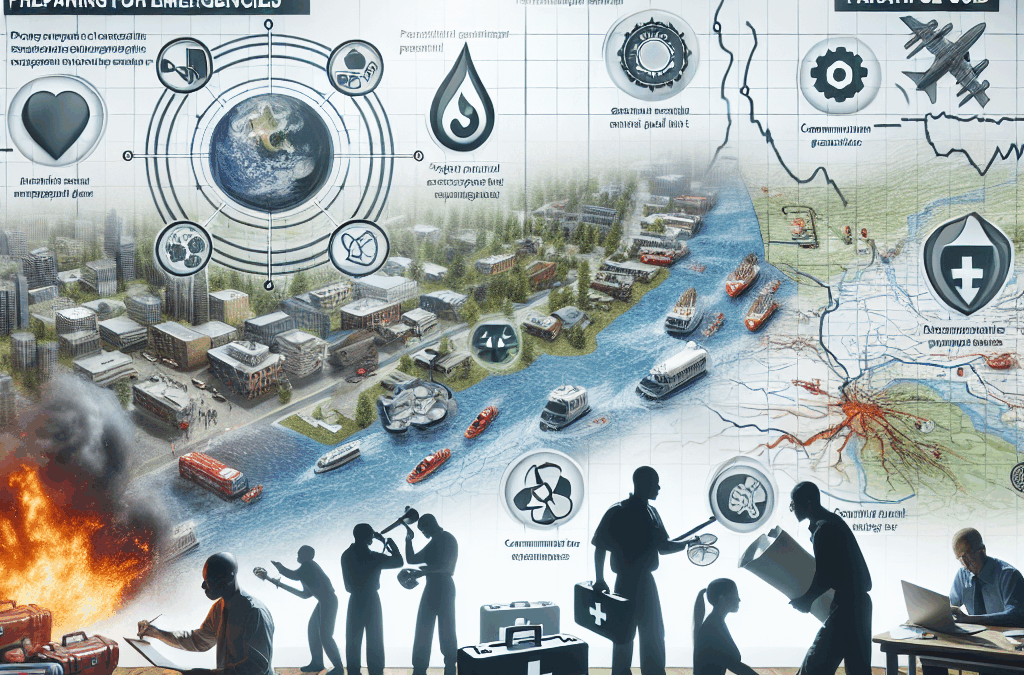
When preparing your emergency supplies, think about the specific types of emergencies you might face—natural disasters, power outages, or civil unrest. Each scenario may require different supplies and strategies. For instance, during a power outage, having a reliable flashlight, batteries, and a battery-operated radio becomes essential. Conversely, if you live in an area prone to flooding, waterproof storage for your supplies and the ability to evacuate quickly should be considered. Regularly review and update your emergency kit to account for expired items and changing needs.
Common mistakes include underestimating the amount of food and water needed or neglecting to include necessary tools. A good rule of thumb is to have at least one gallon of water per person per day for at least three days. Additionally, ensure your kit contains a first aid kit, medications, and personal hygiene items. An often-overlooked aspect is the importance of documentation; keep copies of important documents, such as identification and insurance policies, in a waterproof container.
Essential Foods for Emergency Stocking
When selecting food for emergency situations, focus on items that are non-perishable and nutrient-dense. Canned goods, dried fruits, nuts, and granola bars are excellent choices. Aim for a variety of foods that provide essential nutrients, including proteins, carbohydrates, and fats. Keep in mind any dietary restrictions or allergies within your household.
Stocking a diverse array of foods not only helps maintain morale during a stressful time but also ensures you have the necessary nutrition. Consider including comfort foods or favorite snacks to help ease anxiety during emergencies. Additionally, remember to include a manual can opener if you’re stocking canned goods.
Prioritize foods that require minimal preparation and have a long shelf-life, typically ranging from six months to several years. Regularly check the expiration dates and rotate your stock to avoid waste. A common oversight is neglecting to account for cooking methods; if you have a limited heat source, choose foods that can be eaten cold or require minimal heating.
Water and Hydration Needs
Water is a critical component of any emergency supply kit. The general guideline is to store one gallon of water per person per day for at least three days. This amount ensures adequate hydration, cooking, and sanitation needs. Be mindful of your household’s size and any specific dietary needs that may require additional water.
In addition to the basic water supply, consider including water purification tablets or filters in your emergency kit. These can be invaluable if your stored water runs out or is contaminated. Always store water in clean, food-grade containers and keep them sealed to prevent contamination.
Regularly inspect your water supply, replacing it every six months to ensure freshness. A common mistake is to overlook the need for sufficient water storage, especially for infants, elderly individuals, or pets, who may require additional hydration. Ensure that your emergency kit includes a method for accessing clean water if your supply runs low.
First Aid and Medical Supplies
A well-stocked first aid kit is essential for managing injuries during emergencies. Include supplies such as adhesive bandages, antiseptic wipes, gauze, and medical tape. Additionally, consider adding prescription medications, pain relievers, and any necessary medical devices, such as inhalers or EpiPens.
Understanding how to use your first aid supplies is equally important. Familiarize yourself with basic first aid procedures and ensure that all household members know where the supplies are stored. This preparation can make a significant difference in emergency situations.
Regularly check your first aid kit to replace expired items and to add supplies based on your family’s specific health needs. A common pitfall is underestimating the importance of personal medications and not having enough for an extended emergency. Always have a plan for how to refill prescriptions during a crisis.
Tools and Equipment for Emergencies
In addition to food, water, and medical supplies, having the right tools can greatly enhance your preparedness for emergencies. Essential tools include a flashlight, batteries, a multi-tool, and a whistle. These items can assist in navigation, communication, and basic repairs.
Consider including a portable phone charger, fire starter, and a basic sewing kit. Each of these tools serves a practical purpose that can help you manage various scenarios effectively. Ensure that your tools are durable and easy to access in a hurry.
Regularly test your tools to ensure they are functional, especially batteries in flashlights and radios. A frequent mistake is to overlook the need for a sturdy backpack to organize and transport your emergency supplies. Make sure everything is packed efficiently for easy mobility in case of evacuation.
Further Reading
For more detailed information on emergency preparedness, consider visiting the following authoritative sources:
FEMA provides detailed information on disaster preparedness and response
Frequently Asked Questions
What should I include in my emergency food supply?
Include non-perishable items like canned goods, dried fruits, nuts, and high-energy snacks that require minimal preparation.
How much water should I store for emergencies?
Store at least one gallon of water per person per day for at least three days, adjusting for your household size and needs.
How often should I check my emergency supplies?
Regularly inspect your supplies every six months to replace expired items and ensure everything is functional.
What common mistakes should I avoid when stocking for emergencies?
Avoid underestimating the amount of food and water needed, and ensure you include personal medications and comfort items.
What tools are essential for my emergency kit?
Essential tools include a flashlight, multi-tool, whistle, and a portable phone charger to assist during emergencies.
Conclusion
Preparing for emergencies requires careful planning and regular maintenance of your supplies. Focus on stocking essential foods, adequate water, comprehensive first aid kits, and necessary tools. By anticipating potential scenarios and addressing specific needs, you can create an effective emergency kit that provides peace of mind and safety for your household. Stay proactive in reviewing and updating your supplies to ensure you are always prepared for the unexpected.
Understanding what to include in your evacuation preparedness checklist is vital for minimizing risks during emergencies. Many people overlook essential items or fail to plan adequately, leading to chaos and confusion when it’s time to leave. Prioritizing critical supplies—such as food, water, and medications—can significantly enhance safety and comfort during an evacuation. Additionally, having a clear plan for where to go and how to stay connected with loved ones is crucial.
Moreover, a common mistake is assuming that evacuation will only be necessary for natural disasters, such as hurricanes or wildfires. However, emergencies can arise from various sources, including civil unrest or hazardous material spills. Thus, it’s essential to tailor your evacuation checklist to your specific circumstances and local risks. This ensures that you are adequately prepared regardless of the situation.
Essential Items for Your Evacuation Kit
When preparing your evacuation kit, focus on essential items that can sustain you and your family for at least 72 hours. This kit should include non-perishable food, bottled water, a first-aid kit, flashlights, batteries, and necessary medications. Having these supplies readily available can make a significant difference in your comfort and safety during an emergency.
It’s crucial to regularly check and update your evacuation kit. Items like food and medications can expire, so make a habit of reviewing your supplies at least twice a year. Additionally, consider the specific needs of all family members, including pets, when assembling your kit. For instance, if you have infants, include baby formula and diapers, while pet owners should ensure they have enough food and supplies for their animals.
Don’t forget important documents such as identification, insurance papers, and medical records. Keeping these documents in a waterproof container can help protect them from damage during emergencies. Furthermore, using a checklist can streamline the packing process and ensure nothing is overlooked when it’s time to evacuate.
Planning Your Evacuation Route
Planning your evacuation route ahead of time is essential for a successful and efficient departure. Familiarize yourself with local roads, potential hazards, and alternative routes. Knowing where to go can save valuable time and reduce stress when an evacuation is necessary.
Consider the distance to your chosen evacuation destination and assess whether it’s safe to travel there. For instance, if you’re evacuating to a friend’s house or a public shelter, ensure that it is accessible and that you have a plan for transportation. Map out various routes to avoid traffic congestion or road closures that may occur during emergencies.
One often-overlooked aspect is the need to communicate your evacuation plans with family members. Establish a meeting point in case you become separated during the evacuation. This ensures everyone knows where to go and can reunite safely. Regularly practice your evacuation plan with family members to ensure everyone understands their roles and responsibilities.
Communicating During an Evacuation
Effective communication is critical during an evacuation. Establish a communication plan that includes how you will contact family members and friends. Ensure everyone has a charged mobile phone and knows how to use it to reach each other.
In addition to phone calls, consider using text messaging or social media to keep in touch, as these methods can be more reliable during emergencies when cellular networks may be overloaded. Inform family members of your evacuation route, destination, and estimated arrival time.
It’s also wise to designate an out-of-area contact person who can serve as a central point of communication. This person can relay information between family members if local communication systems fail. This strategy can be particularly beneficial if family members are in different locations during the evacuation.
Common Mistakes to Avoid
Many individuals make critical errors when preparing for an evacuation, often leading to increased risk. One common mistake is underestimating the time needed to evacuate. Always allow more time than you think you’ll need, as unexpected delays can occur.
Another frequent oversight is neglecting to prepare for pets. Many shelters do not accept animals, so having a plan for your pets is crucial. Research pet-friendly accommodations in advance and include pet supplies in your evacuation kit.
Additionally, avoid relying solely on technology during an evacuation. Maps and GPS can fail, so it’s wise to have a physical map on hand. This provides an alternative way to navigate if electronic devices malfunction or lose power.
The American Red Cross offers guidelines on how to prepare for evacuations and what to include in your emergency kit
Frequently Asked Questions
What should I include in my evacuation kit?
Your evacuation kit should include non-perishable food, bottled water, a first-aid kit, medications, a flashlight, batteries, important documents, and personal hygiene items.
How can I plan my evacuation route?
Familiarize yourself with local roads and potential hazards. Identify alternative routes and ensure your destination is accessible.
What are some common mistakes during evacuations?
Common mistakes include underestimating evacuation time, neglecting to prepare for pets, and relying solely on technology for navigation.
How often should I update my evacuation kit?
Review and update your evacuation kit at least twice a year to ensure all items are current and in good condition.
How can I communicate with family during an evacuation?
Establish a communication plan that includes phone contacts, text messaging, and an out-of-area contact person to relay information.
Conclusion
Preparing an evacuation preparedness checklist is crucial for ensuring your safety and that of your loved ones during emergencies. Prioritize essential items, plan your evacuation route, and establish effective communication strategies. Regularly review and update your kit and plans to adapt to changing circumstances. By taking these proactive steps, you can enhance your readiness and reduce stress when an evacuation is necessary.
Understanding the stakes of survival readiness is vital. Emergencies can arise from natural disasters, health crises, or even man-made situations. Without preparation, individuals may face significant challenges in accessing food, water, and safety. Common mistakes include underestimating the importance of a communication plan or failing to regularly check and update emergency supplies. Recognizing these pitfalls can help you take proactive steps.
Moreover, many people overlook the importance of tailoring their survival plans to specific risks in their area. For instance, those living in flood-prone regions should prioritize water evacuation routes and flood-resistant supplies. Being aware of these nuances can make a significant difference in outcomes during an emergency.
Creating Your Emergency Kit
Assembling an emergency kit is the first step in basic survival readiness. This kit should include essential items such as food, water, first aid supplies, and tools. A well-prepared kit can sustain you and your family for at least 72 hours in a crisis.
Consider the specific needs of your household when building your kit. For families with children, include baby supplies, while those with pets should ensure pet food and medications are available. Regularly review and update your kit to account for changes in family size or seasonal needs, ensuring that everything remains functional and relevant.
Another common mistake is not tailoring the kit to your environment. For instance, if you live in an area prone to extreme cold, include blankets and thermal clothing. Understanding your environment’s demands helps in creating a truly effective emergency kit.
Developing a Communication Plan
A communication plan is integral to survival readiness, allowing families to stay connected during emergencies. This plan should outline how family members will reach each other and where to meet if separated. It’s essential to have a designated meeting place that is familiar to all.
Incorporate alternative communication methods, such as texting or social media, which can be more reliable than voice calls during high-traffic times. Ensure that everyone in the family knows the plan and practices it regularly to reduce confusion during a crisis.
Many individuals fail to consider the potential for power outages that can disrupt traditional communication methods. It’s wise to have a battery-operated or solar-powered radio for updates and a backup charger for mobile devices to maintain communication capabilities.
Understanding Local Hazards
Being aware of local hazards is essential for effective survival readiness. This involves understanding the types of emergencies that are most likely in your area, such as earthquakes, floods, or tornadoes, and taking steps to mitigate their impacts.
Research local emergency management resources to understand the specific risks and recommended actions for your area. This knowledge can guide how you prepare your emergency kit and communication plan. For example, if you live in a flood zone, you may need to prioritize evacuation routes and waterproof supplies.
A common oversight is assuming that general preparedness is sufficient. Tailoring your plan to address local hazards ensures that you are not only prepared but also proactive in reducing risks associated with these threats.
Maintaining Your Readiness
Basic survival readiness requires ongoing maintenance. Regularly check and update your emergency kit, communication plan, and knowledge of local hazards. This ensures that your preparations remain relevant and effective.
Set a schedule for reviewing your kit and plans, ideally every six months or after any significant life changes, such as moving or a new family member. This routine not only keeps you prepared but also instills a sense of confidence that you are ready for unexpected situations.
Many people neglect this aspect of readiness, assuming that initial preparation is sufficient. However, ongoing maintenance is crucial for ensuring that your survival strategies remain effective and that you are equipped for any scenario.
When planning your emergency storage, consider the types of emergencies you are preparing for, such as natural disasters, power outages, or health crises. Each scenario may require different supplies, so it’s crucial to tailor your storage setup to meet specific needs. Mistakes often arise from overestimating what can be stored in a small space or underestimating the variety of items required for different emergencies.
Additionally, one common pitfall is neglecting to regularly review and update your emergency supplies. Items can expire, and needs may change over time. Therefore, establishing a routine for checking and replenishing supplies is essential to maintaining an effective emergency storage system.
Choosing the Right Containers for Storage
Selecting appropriate containers is paramount in effective emergency storage. Using clear plastic bins allows for easy visibility of contents, while airtight containers protect against moisture and pests. Consider the size of containers based on your storage space and the quantity of supplies you need to store.
Moreover, labeling containers can significantly enhance efficiency during emergencies. Clearly marking each bin with its contents and expiration dates can save valuable time when you need to access supplies quickly. A well-organized storage system not only helps you find items faster but also ensures that you have everything you need at a moment’s notice.
Prioritize durability when choosing containers, especially if they will be stored in potentially harsh conditions. Investing in high-quality storage solutions can prevent the need for frequent replacements and maintain the integrity of your emergency supplies.
Organizing Supplies by Type and Urgency
Organizing your emergency supplies by type and urgency is crucial for effective response during a crisis. Grouping items such as food, water, medical supplies, and tools can help you quickly locate necessary items when time is critical. Within each category, consider further breaking down supplies based on expiration dates or usage frequency.
For instance, keep high-urgency items, like first aid kits and water, at the top of your storage area for easy access. Lower-urgency items, such as extra blankets or non-perishable foods, can be stored further back. This system not only streamlines access but also aids in maintaining an up-to-date inventory.
A common oversight is failing to account for the size of items when organizing. Ensure that larger items are stored in a way that they do not block access to smaller, more critical supplies. This will prevent delays in retrieving necessary items during emergencies.
Maintaining Your Emergency Storage
Regular maintenance of your emergency storage is essential to ensure its effectiveness. This includes periodic checks to assess the condition of items, replacing expired products, and ensuring that everything is in its designated place. A common recommendation is to conduct a thorough inventory check every six months.
Additionally, consider rotating supplies, especially food and medical items, to keep your stock fresh. Using the FIFO (first in, first out) method can help you manage expiration dates effectively. This practice not only keeps your supplies usable but also ensures that you are familiar with what you have on hand.
Moreover, maintaining a checklist can be instrumental in managing your supplies. Documenting what items you have, their expiration dates, and any items that need restocking will streamline the maintenance process and prevent last-minute scrambles during emergencies.
Common Mistakes in Emergency Storage
There are several common mistakes individuals make when setting up emergency storage. One significant error is over-packing storage spaces, which can lead to damage or spoilage of supplies. It’s important to leave some space in containers to avoid crushing items and to allow for air circulation.
Another frequent oversight is underestimating the necessity of diverse supplies. Many people focus solely on food and water while neglecting other critical items such as hygiene products, tools, and medications. A comprehensive approach to emergency storage considers all aspects of survival, not just basic needs.
To avoid these pitfalls, regularly review your emergency storage plan and adjust it based on the changing needs of your household. Engaging family members in discussions about what to include can also provide valuable insights and ensure that everyone’s needs are met.
Further Reading
For more information on emergency storage ideas, consider exploring resources from local emergency management agencies or reputable organizations focused on disaster preparedness. These resources can provide valuable insights and tailored advice for your specific situation.
Public health guidance for emergencies, disasters, and recovery situations.
Frequently Asked Questions
What should I include in my emergency storage?
Your emergency storage should include food, water, first aid supplies, hygiene products, and tools. Tailor your supplies to potential emergencies you may face.
How often should I check my emergency supplies?
It is advisable to check your emergency supplies every six months to ensure items are not expired and are in good condition.
How can I organize my emergency supplies effectively?
Organize supplies by type and urgency, using clear containers and labels for easy access. Group high-urgency items together for quick retrieval.
What mistakes should I avoid in emergency storage?
Avoid over-packing storage spaces, neglecting diverse supplies, and failing to regularly update your inventory. Each of these can hinder your preparedness.
Can I store food items for long periods?
Yes, many non-perishable food items can be stored for long periods. However, it’s crucial to check expiration dates and rotate your stock regularly.
Conclusion
In summary, effective emergency storage requires careful planning, organization, and maintenance. By choosing the right containers, organizing supplies by type and urgency, and regularly reviewing your inventory, you can enhance your preparedness for any unexpected situation. Remember to avoid common mistakes, such as over-packing and neglecting diverse supplies, to create a robust emergency storage system. Prioritize accessibility and regular checks to ensure your supplies remain reliable when you need them most.
Understanding the right gear to include in your emergency kit is vital. Often, people overlook critical items or rely on generic lists that do not suit their specific needs. For instance, the geographical area you live in will dictate certain necessities, such as winter gear in colder climates or insect repellent in tropical regions. Additionally, personal factors like family size, pets, and medical conditions should influence your choices. The goal is to create a kit that addresses your unique circumstances effectively.
Common mistakes include failing to regularly check and update your supplies, which can lead to expired medications or depleted batteries. Moreover, many individuals underestimate the importance of practical training, such as knowing how to use a first aid kit or operate a multi-tool. Prioritizing these aspects can ensure that your emergency gear is not just present but also functional and ready to use in a crisis.
Essential Items for Your Emergency Kit
A well-rounded emergency kit should contain various essential items to address immediate needs. Key components include a first aid kit, which should be stocked with bandages, antiseptic wipes, and medications for common ailments. Additionally, a reliable flashlight with extra batteries is crucial for navigating in the dark after a power outage. Water purification systems, such as filters or purification tablets, ensure access to safe drinking water, while non-perishable food items, including energy bars and canned goods, provide necessary nutrition.
When assembling your emergency kit, consider the quantity of each item based on your family size and the anticipated duration of an emergency. For example, if you have a family of four, stock enough food and water for at least three days. This foresight can alleviate stress during a crisis, allowing you to focus on safety rather than scrambling for resources.
It’s essential to remember that not all emergency scenarios are the same. Depending on your location, you may need to include specific items like a fire extinguisher, a whistle for signaling, or blankets for warmth. Assess your environment and lifestyle to create a comprehensive kit tailored to your needs.
Understanding Your Unique Needs
Your emergency gear should reflect your specific circumstances. Factors such as geographic location, family composition, and any special medical needs must be considered when curating your supplies. For instance, if you live in an area prone to flooding, waterproof storage for your gear is critical. Conversely, if you have pets, don’t forget to include food and supplies for them as well.
Many people overlook the importance of personal medications and medical devices in their emergency kits. Regularly check the expiration dates of medications and ensure you have enough supplies for at least a week. This includes any specialized equipment, such as inhalers or insulin supplies, which can be life-saving in an emergency.
Additionally, consider the emotional needs of your family during crises. Items like comfort blankets, toys for children, or even games can help alleviate stress and provide a sense of normalcy. Addressing these personal and emotional needs can significantly enhance your family’s preparedness and resilience.
Maintaining Your Emergency Gear
Regular maintenance of your emergency gear is crucial to ensure it remains functional when needed. This involves checking expiration dates on food and medications, testing batteries in flashlights and radios, and ensuring that all equipment is in working order. Schedule a review of your emergency kit at least twice a year to keep everything up to date.
Another often neglected aspect is proper storage. Your emergency supplies should be stored in a cool, dry place to prevent damage. Using clear containers can help you quickly identify contents during a crisis, ensuring you can find what you need without delay.
Don’t forget to involve your family in this process. Teaching them where the emergency gear is stored and how to use it can save critical time during an emergency. Conducting regular drills can also help everyone remember the procedures, enhancing your family’s overall preparedness.
Training and Preparedness
Having the right gear is only part of effective emergency preparedness. Equally important is knowing how to use your emergency supplies. Familiarize yourself with the components of your first aid kit, practice using a fire extinguisher, and understand how to set up a temporary shelter if needed.
Consider enrolling in local training courses for CPR, first aid, or disaster response. These skills can be invaluable in emergency situations, allowing you to provide assistance not only to yourself but also to others in need. Additionally, training can boost your confidence, making you feel more equipped to handle unexpected challenges.
Regularly reviewing your emergency plan with your family is also vital. Discuss what to do in various scenarios and ensure everyone knows their roles. This proactive approach fosters a sense of security and readiness, which is crucial during high-stress situations.
Further Reading
It’s important to stay informed about emergency preparedness. Resources such as local government websites, the Red Cross, and FEMA provide valuable information on creating and maintaining your emergency kit.
This site provides resources for developing a personal emergency plan and kit tailored to individual needs
Frequently Asked Questions
What should I include in my emergency kit?
Essential items include a first aid kit, flashlight, water purification system, multi-tool, and non-perishable food.
How often should I check my emergency supplies?
It’s advisable to check your emergency kit at least twice a year to ensure all items are in working condition and not expired.
What are common mistakes when preparing an emergency kit?
Common mistakes include neglecting to update supplies, overlooking personal medications, and underestimating the importance of training.
How can I involve my family in emergency preparedness?
Involve your family by discussing the emergency plan, conducting drills, and teaching them how to use the emergency gear.
What if I have special medical needs?
Include all necessary medications and medical devices in your emergency kit and regularly check their expiration dates.
Conclusion
In summary, having must-have emergency gear is essential for ensuring safety during unexpected situations. Focus on assembling a kit that addresses your unique needs, maintain your supplies regularly, and prioritize training to enhance your preparedness. By taking these steps, you can build a robust emergency plan that not only equips you with the necessary tools but also instills confidence in your ability to handle crises effectively.
Understanding the specific risks in your area, such as natural disasters or public health emergencies, is crucial. Tailoring your emergency plan to address these risks can help prioritize necessary actions. For example, if you live in a flood-prone area, focus on evacuation routes and supplies that can withstand water damage. Additionally, assembling a well-stocked emergency kit is vital; common mistakes here include underestimating the amount of water and food needed for each family member.
Many people overlook the importance of regular updates to their emergency plans and kits. As circumstances change—such as the addition of family members or changes in local hazards—your preparations should evolve accordingly. Regularly practicing emergency drills can also enhance readiness, ensuring everyone knows their roles and responsibilities during a crisis.
Understanding Risks and Threats
Identifying potential risks is the first step in simple emergency prep. This involves assessing both natural and man-made threats that could affect your area. For instance, living in a region prone to hurricanes, wildfires, or earthquakes necessitates a tailored approach to preparedness. Understanding these risks allows for targeted planning and resource allocation.
Prioritizing which threats to prepare for can be challenging. Focus on the most likely scenarios based on historical data and local advisories. For example, if your community has frequent power outages, consider investing in a generator and non-perishable food items. Always remember that preparation is not just about supplies but also about knowledge and awareness of your surroundings.
Failing to recognize evolving risks can lead to inadequate preparation. Regularly review local news and updates from emergency management agencies to stay informed. This vigilance will help in adjusting your emergency plan to meet current threats.
Building Your Emergency Kit
An essential part of simple emergency prep is assembling a well-stocked emergency kit. This kit should contain food, water, first aid supplies, and other necessities to sustain your family for at least 72 hours. Water is critical; plan for at least one gallon per person per day, and don’t forget to include food that is non-perishable and easy to prepare.
Common pitfalls include underestimating the amount of food and water needed or neglecting to include essential medications. It’s also vital to regularly check expiration dates on items in your kit and replace them as needed. Consider adding items like a flashlight, batteries, a multi-tool, and a whistle for signaling.
Additionally, tailor your kit to meet the specific needs of your family members. For example, if you have infants, include baby formula and diapers. For pets, ensure you have food and supplies for their care. Regularly reviewing and updating your kit can prevent last-minute panic during an actual emergency.
Creating a Family Communication Plan
Establishing a family communication plan is another crucial aspect of simple emergency prep. This plan should outline how family members will communicate during an emergency, especially if separated. Designate a meeting place and ensure everyone knows how to reach each other using various methods, including phone calls, texts, or social media.
Many families overlook the importance of having a backup communication method. In the event of power outages or network failures, having an alternative means of communication, such as walkie-talkies or a designated neighbor, can be invaluable. It’s essential to practice this plan regularly to ensure everyone understands their role.
Additionally, consider including emergency contacts outside your immediate family. In case local networks are overwhelmed, having a contact person outside the affected area can help relay information and ensure everyone’s safety.
Practicing Emergency Drills
Practicing emergency drills is an often neglected but vital component of simple emergency prep. Regular drills help familiarize family members with the emergency plan and ensure everyone knows what to do in a crisis. Conducting these drills can identify weaknesses in your plan and areas needing improvement.
Common mistakes include not involving all family members in drills or failing to simulate real-life scenarios. It’s crucial to practice various scenarios, such as fire evacuations, severe weather responses, or medical emergencies. Adjust the drills based on the ages and capabilities of family members to ensure everyone can participate effectively.
Remember that the goal of these drills is to build confidence and reduce anxiety during an actual emergency. The more familiar family members are with the plan, the more likely they will respond calmly and effectively when it matters most.
Provides tools and resources for effective emergency planning and preparedness
Frequently Asked Questions
What should be included in an emergency kit?
Your emergency kit should include water, non-perishable food, a flashlight, batteries, a first aid kit, and any necessary medications.
How often should I update my emergency plan?
Review and update your emergency plan at least once a year or whenever there are significant changes in your family or local circumstances.
What are common mistakes in emergency preparation?
Common mistakes include not having enough supplies, failing to practice emergency drills, and not keeping contact information updated.
How can I involve children in emergency prep?
Involve children by educating them about potential risks, practicing drills, and allowing them to help assemble the emergency kit.
What is the best way to stay informed during an emergency?
Use multiple sources for information, including local news, social media, and official emergency management channels to stay informed.
Conclusion
In conclusion, simple emergency prep is essential for ensuring safety during unforeseen events. By understanding potential risks, building a comprehensive emergency kit, creating a family communication plan, and practicing emergency drills, you can significantly enhance your readiness. Prioritize regular updates to your plan and kit to stay prepared for changing circumstances. Taking these proactive steps will empower you and your family to respond effectively in a crisis.