
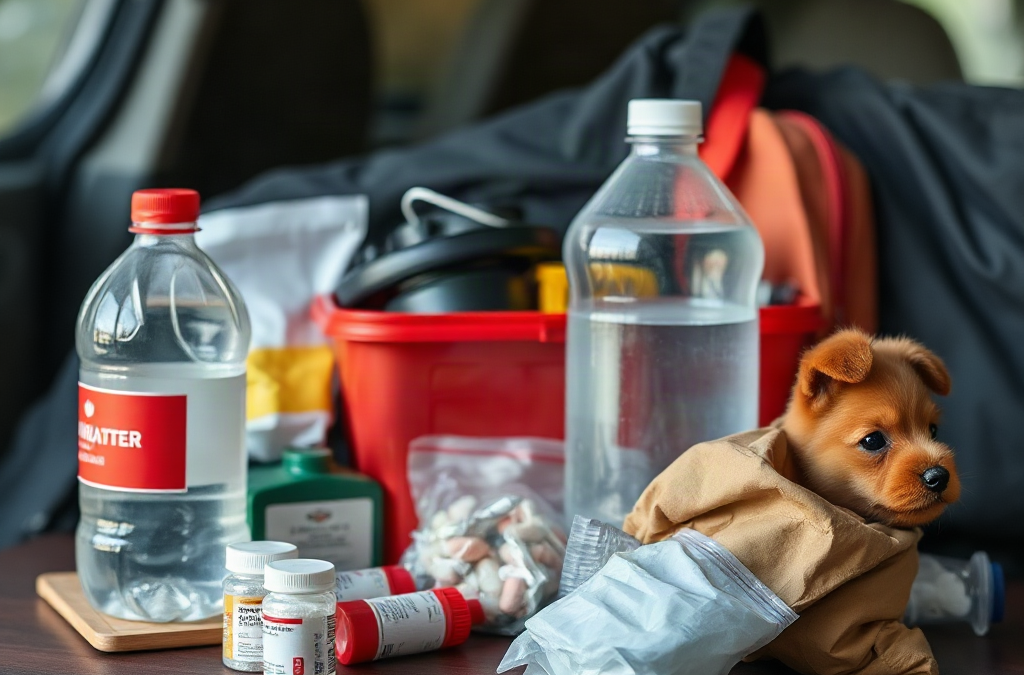
Seventy-two-hour kits with water and sanitation priorities should allocate drinking water first, then add treatment or storage options, toilet-containment supplies, hand-cleaning materials, and waste bags sized for every household member. Water is consumed quickly and may also be needed for limited hygiene, while sanitation failures can create odors, contamination, and unusable living spaces even when food remains available. Pack supplies in separate, labeled modules so clean water and personal items stay protected from waste-handling equipment. Account for infants, older adults, disabilities, pets, medications, and local evacuation limits rather than relying on a one-size-fits-all bag.
Set Water and Sanitation Priorities Before Packing
A useful 72-hour kit is organized around functions rather than a shopping list. Water supports drinking, medication use, food preparation, and limited cleaning, while sanitation supplies keep human waste, dirty hands, and contaminated surfaces from spreading problems through a confined space. Treating both categories as afterthoughts often leaves a household with snacks and flashlights but no workable way to manage a failed toilet or a spilled container.
Begin by identifying who the kit serves and where it will be used. A household sheltering in place may need more toilet-containment and cleaning supplies than a person evacuating by car, while an evacuation kit must balance quantity against weight and carrying space. Infants may need diapers and wipes; menstruating household members may need preferred menstrual products; and people with mobility limitations may require a toilet arrangement that is stable, accessible, and easy to clean.
Water should be separated from sanitation gear. Use clean, closed containers for drinking water and place them in a protected compartment away from waste bags, chemical cleaners, and used cloths. A practical priority order is:
- Drinking water and water needed for essential medications.
- Containers, treatment options, or a safe refill plan.
- Toilet-containment materials and waste bags.
- Soap, hand sanitizer, toilet paper, wipes, and absorbent materials.
- Cleaning and personal-care items matched to the household.
The common mistake is assuming that a large multipurpose bag is automatically efficient. It may be difficult to find clean items after a messy task, and a leaking bottle can damage paper products or food. Use smaller labeled pouches for potable water accessories, hand hygiene, toilet supplies, and personal care. The related water and sanitation planning reference can help keep those functions visible when the rest of the kit grows.

Build a Practical Water Reserve
Water planning works best when it distinguishes drinking water from water used for other purposes. Drinking and medication needs deserve the first claim on the reserve. Food that requires boiling or extensive rehydration consumes additional water, so a menu built around ready-to-eat foods can preserve the potable supply. Water for handwashing, surface cleaning, or flushing should not be quietly taken from the drinking allocation unless there is no alternative.
Choose containers that household members can lift, open, and reseal. Several smaller containers are often easier to rotate and distribute than one heavy vessel. They also reduce the chance that a single puncture or contaminated opening affects the entire supply. Store containers away from heat, direct sunlight, sharp tools, and chemicals, and follow the container maker’s storage guidance. Mark the fill or replacement date so inspection does not depend on memory.
Treatment equipment is useful when the plan includes a known water source and the user understands the product instructions. A filter, disinfectant, or boiling method may address particular contaminants, but no single method handles every water problem. Filters can have limits with chemicals or viruses, and disinfection products require correct dosage and contact time. Do not treat an unfamiliar source as safe merely because it looks clear.
Consider the food before finalizing the water plan. Crackers, nut or seed products, shelf-stable pouches, and ready-to-eat canned foods may require little or no preparation water, although cans need a suitable opener. Instant meals and dehydrated foods can be practical in normal conditions but consume more water and may create hot-water or fuel demands during a disruption. That tradeoff matters when the kit must work without electricity or a functioning stove.
A useful test is a short household drill. Have each person locate the drinking supply, open one container, prepare the chosen food, and identify what water remains for medication and hygiene. If opening containers requires a tool that is missing or if the planned meal uses more water than expected, revise the kit. A common failure is storing treatment tablets or a filter without a backup drinking supply; treatment is a capability, not a substitute for immediate potable water.
Plan Sanitation for Toilets, Hands, and Waste
Sanitation planning must answer three separate questions: how people will use the toilet, how hands will be cleaned, and how waste will be contained until disposal is available. A bucket, sturdy container, or purpose-built portable toilet may provide the structure, but the container alone does not solve lining, sealing, odor, privacy, or cleaning problems.
Use compatible heavy-duty bags or liners and test their fit before an emergency. A liner that slips, tears, or cannot be tied securely turns a simple task into a contamination event. Keep absorbent material available for liquid management and place waste-handling supplies where they can be reached without crossing the clean-food area. Toilet paper, tissues, wipes, and menstrual products should be stored dry in a separate pouch.
Hand hygiene is the control point between sanitation work and eating. Soap and water are preferable when hands are visibly dirty, while alcohol-based hand sanitizer may be useful when water is limited and the product is suitable for the situation. Provide a way to dry hands and remember that wipes used on surfaces should not automatically be treated as hand-cleaning products. Follow product labels, particularly around children and food-contact surfaces.
Odor-control products can improve comfort, but fragrance does not replace containment or cleaning. Household bleach and other chemicals should never be mixed, and cleaning agents should remain in labeled containers away from drinking water and food. If a person in the household has respiratory sensitivity, select products with that limitation in mind rather than packing strong fumes as a default solution.
Privacy and accessibility affect whether the sanitation plan will actually be used. A sheltering household may need a screen, a stable seat, lighting, and a path that remains usable at night. A person evacuating may need compact disposable options instead of a full bucket system. The wrong approach is to buy a portable toilet without practicing setup. Test the height, liner placement, tie-off method, and disposal procedure while the kit is still clean. The linked kit allocation notes can be used to compare a shelter-in-place setup with a vehicle-based version.
Pack, Test, and Maintain the Kit
Good packing makes the kit usable under stress. Put frequently needed items near the top: a small amount of drinking water, hand-cleaning supplies, toilet paper, essential medications, and a light source. Keep reserve water and replacement sanitation materials in clearly marked containers. A waterproof inventory card should list quantities, expiration or replacement dates, household-specific items, and the location of heavier supplies.
Build the kit in modules that can be carried separately if needed. A water module may contain sealed water, a cup, and treatment instructions. A sanitation module may contain liners, absorbent material, ties, gloves, disinfecting supplies, and waste-storage bags. A personal-care module can hold diapers, menstrual products, wipes, spare clothing, and prescription information. Separating these functions reduces cross-contamination and makes it easier to take only what an evacuation route allows.
Run a practical inspection at least periodically and after every use. Check for cracked containers, dried-out wipes, damaged bags, leaking bottles, expired medications, and missing tools. Replace food and water according to product guidance rather than assuming an unopened package will remain suitable indefinitely. Rotate items into ordinary household use when appropriate, then replace them immediately so the kit does not become an empty storage bin.
Testing should include the awkward details that shopping lists omit. Can a child or older adult open the water container? Can someone tie the waste bag while wearing gloves? Is the toilet stable on the intended floor? Can the household identify which supplies are clean and which have been used? A short rehearsal may reveal that the chosen bag is too small, the sanitizer is inaccessible, or the planned food requires more water than the reserve can spare.
Do not overpack sanitation chemicals while neglecting basic consumables. Extra disinfectant cannot compensate for too few liners, hand-cleaning supplies, or absorbent material. Conversely, a large water stock may be impractical for an evacuation vehicle. The best plan matches the likely setting, household size, climate, mobility needs, and duration of disruption. For a final review, use the priority checklist to confirm that each essential task has both a supply and a workable method.
Frequently Asked Questions
How should water be prioritized in a 72-hour kit?
Reserve potable water first for drinking and medications, then account for food preparation and limited hygiene. Keep treatment equipment as a backup capability rather than counting an uncertain water source as immediately safe.
What sanitation supplies are most important?
Pack compatible liners, heavy-duty waste bags, toilet paper, hand-cleaning supplies, absorbent material, gloves, and a stable toilet or container arrangement. Add personal-care items such as diapers or menstrual products when needed.
Can wipes replace handwashing?
Wipes may remove visible dirt in some situations, but they are not automatically equivalent to soap and water or suitable sanitizer. Use products according to their labels and keep sanitizer available for situations where hands are not visibly dirty.
Should sanitation supplies be stored with food?
Keep them in separate, sealed modules. Waste bags, cleaning chemicals, used cloths, and toilet equipment should not share an unprotected compartment with food or drinking water.
How can a household test its kit?
Conduct a short drill that includes opening water, preparing the selected food, setting up the toilet liner, tying a waste bag, cleaning hands, and locating essential medications. Replace or redesign anything that is difficult to use.
Further Reading
Authoritative Sources
- Build A Kit
ready.govProvides federal preparedness guidance for assembling household supplies, including water and sanitation-related needs
- When and How to Wash Your Hands
cdc.govExplains hand-cleaning methods and situations where soap, water, or sanitizer may be appropriate
- Emergency Disinfection of Drinking Water
epa.govDescribes official options and limitations for treating drinking water when normal supplies are unavailable
Conclusion
A strong 72-hour kit gives water and sanitation equal planning attention. Protect the drinking reserve, choose foods that do not consume unnecessary water, and provide a realistic method for toilet use, hand cleaning, waste containment, and personal care. Separate clean supplies from waste-handling equipment, then test the arrangement with the people who will actually use it.
Household size, mobility, climate, evacuation method, and access to a safe water source should determine the final quantities. Replace damaged or depleted items promptly and review the kit after any change in medications, caregiving needs, or living arrangements. A compact, practiced system is more useful than an oversized bag filled with supplies no one can locate, open, or safely use.




