
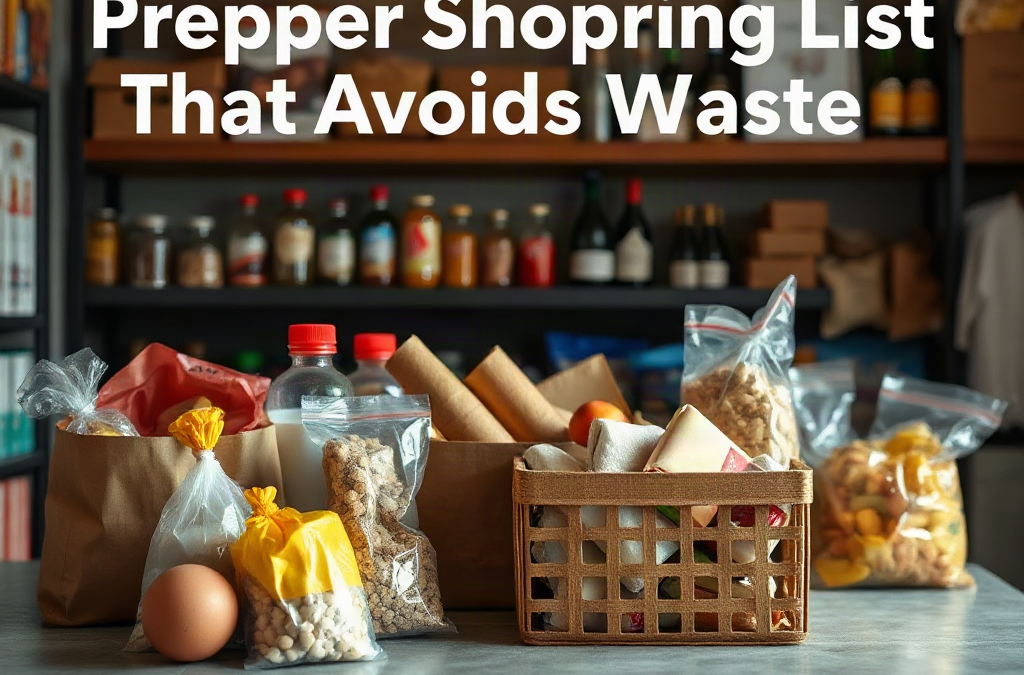
A prepper shopping list that avoids waste focuses on foods your household already eats, buys shelf-stable quantities in manageable batches, and pairs every purchase with a rotation date and storage location. Choose durable staples such as rice, oats, beans, canned vegetables, canned fish, powdered milk, oils, and familiar ready-to-eat foods, then balance them with water, cooking fuel, and sanitation supplies. Waste usually comes from buying unfamiliar foods, ignoring package sizes, storing products in heat or moisture, or purchasing more quickly than the household can rotate. A monthly inventory, “use soon” bin, and first-expiring-first-out system keep supplies usable while revealing gaps before the next shopping trip.
Build the List Around Real Household Use
A low-waste preparedness list begins with normal meals, household size, dietary needs, and available storage—not with a generic cart of survival products. A family that regularly eats oatmeal, pasta, canned tomatoes, and peanut butter has a better chance of using those foods than a household that buys unfamiliar freeze-dried entrées simply because they have a long shelf life. Familiarity reduces abandonment, and regular use creates a natural replacement cycle.
Record what the household consumes over two or three ordinary weeks. Note serving sizes, preferred brands, cooking methods, allergies, and foods that repeatedly remain on the plate. That record becomes a more reliable purchasing guide than a preset list. For example, if a household uses one jar of cooking oil every six weeks, buying several years of oil may create rancidity risk before the stock is used. A smaller reserve paired with routine replacement is the more sensible choice.
Separate supplies into three time horizons: items used routinely, items reserved for disruption, and items intended for a longer interruption. Routine items should be the foundation because they are easiest to rotate. Reserved items can include shelf-stable meals and backup snacks, while longer-term items deserve stricter storage and date tracking. The common mistake is treating every purchase as long-term storage. That approach ties up money, fills limited space, and makes forgotten products more likely.
Use the Prepper shopping list that avoids waste as a living inventory rather than a one-time buying challenge. Add a product only when you can answer three questions: Who will use it, when will it be rotated, and where will it be stored? If any answer is unclear, postpone the purchase or buy one trial unit first.

Choose Foods That Store Well and Get Used
Durable foods earn a place on the shelf when they combine reasonable storage life, practical nutrition, acceptable taste, and a realistic preparation method. Rice, oats, pasta, dry beans, lentils, canned vegetables, canned fruit, canned meat, soups, shelf-stable milk, nut butter, and cooking fats can cover different meal roles. No single food solves every need: grains provide energy, legumes add protein and fiber, canned foods reduce cooking demands, and fats supply concentrated calories but may be more sensitive to heat and age.
Compare dry and ready-to-eat options according to available water, fuel, equipment, and time. Dry beans may cost less and store efficiently, but they require soaking, cooking water, and fuel. Canned beans cost more per serving and occupy more space, yet they can be eaten with minimal preparation. A household with limited fuel may sensibly favor canned or quick-cooking foods, while a household with reliable cooking capacity may use dry staples as the economical base. The best choice is not the product with the longest advertised life; it is the product that remains usable under the conditions you expect.
Package size also affects waste. A large container may have a lower unit price but become stale after opening, especially for flour, crackers, cereal, or powdered products. Smaller packages can be worthwhile for low-volume foods, even when the price per ounce is higher. Use resealable containers for products that tolerate repackaging, and follow manufacturer directions for foods that require their original packaging or specific handling. Do not assume that transferring a product automatically extends its safe storage period.
Include flavor builders and meal connectors rather than collecting isolated ingredients. Salt, spices, bouillon, tomato sauce, vinegar, shelf-stable condiments, and powdered drink mixes can make basic staples more usable. A practical example is pairing rice with canned beans, tomatoes, seasoning, and oil; each item has multiple uses and can be rotated through ordinary meals. The failure mode to avoid is buying “complete” emergency meals that nobody has tasted. Test one serving before purchasing a larger supply, and record preparation requirements beside the item.
Buy in Rotatable Quantities
Quantity should follow consumption speed, storage conditions, and replacement access. A three-layer purchase is often more manageable than a large stockpile: keep a small working supply in the kitchen, a reserve nearby, and only then consider a deeper backup. This arrangement makes older products visible and prevents new groceries from being placed in front of forgotten cans.
Apply a first-expiring-first-out routine. When new cans or packages arrive, move older items forward, place the new items behind them, and mark products that need earlier attention. A simple spreadsheet, paper shelf map, or phone note can track product, quantity, purchase date, best-by date, and storage location. Date labels are useful, but they do not replace inspection. Discard containers that are swollen, leaking, badly rusted, punctured, or otherwise compromised, and follow product-specific guidance when deciding whether an older item is suitable.
Budgeting matters because waste often begins with buying too much during a single sale. A discount only saves money when the household uses the product before quality declines and before the cash could have filled a more urgent gap. Compare the cost of a product with its rotation rate. Buying six familiar cans that are used monthly may be more efficient than buying a case of a novelty food that sits untouched. Bulk purchases make more sense for staples used frequently and stored in a cool, dry, pest-resistant place.
A useful buying sequence is:
- Replace products already consumed during the month.
- Fill missing meal components, such as protein, fat, or flavoring.
- Add water, fuel, and sanitation supplies that match the food plan.
- Buy trial quantities of unfamiliar products before committing to bulk.
The sign that the system is working is a regular stream of supplies moving into ordinary use. The sign that it is failing is a growing “emergency” shelf containing expired, disliked, damaged, or duplicate items. Treat that shelf as feedback, not as proof that more storage is needed.
Create a Shopping and Rotation System
A shopping system prevents waste by connecting the list to actions at home. Before each trip, count what is on hand, check the use-soon area, and review the next few planned meals. Shopping from a current inventory reduces duplicate purchases and exposes practical gaps, such as having pasta but no sauce, canned food but no manual opener, or dry ingredients without enough fuel to cook them.
Organize shelves by function or meal rather than by the date purchased. One area might hold breakfast foods, another cooking staples, and another ready-to-eat items. Keep heavy containers low, protect food from heat and moisture, and avoid storing supplies where a leak, pest, or appliance failure could damage the entire reserve. Storage limitations change the right answer: an apartment may benefit from compact, frequently rotated foods, while a cool pantry can support larger quantities of dry staples.
Schedule a short monthly check and a more detailed seasonal review. During the monthly check, inspect packaging, count critical items, and move older products forward. During the seasonal review, test can openers, cook a sample meal, inspect water containers, and verify that dietary or household changes are reflected. A child’s changing appetite, a new medication-related diet, or a move to a smaller home can make an older list inaccurate.
Use a “use soon” bin for products approaching their preferred quality window. Plan those foods into lunches or ordinary dinners rather than waiting for a crisis. This is more effective than repeatedly extending dates on a spreadsheet because it converts inventory maintenance into consumption. The opposing approach—leaving all reserves untouched indefinitely—may appear orderly, but it hides taste changes, packaging damage, and preparation problems until replacement is expensive or inconvenient.
For a tailored Prepper shopping list that avoids waste, write the intended rotation meal beside each less-common item. If there is no plausible meal, remove it. Practical preparedness is measured by usable supplies, not by shelf volume.
Avoid Hidden Waste in Water, Fuel, and Supplies
Food cannot be evaluated separately from the resources needed to prepare and manage it. Dry staples may become unusable during a water shortage, canned foods may be difficult to heat without fuel, and a well-stocked pantry may still create sanitation problems without soap, trash bags, paper goods, or a manual can opener. The list should therefore pair each food category with its operating requirements.
Water deserves priority because it supports drinking, cooking, and basic hygiene. Store water in containers intended for that purpose, protect it from contamination and damaging temperatures, and follow current public-health guidance for storage and replacement. Avoid buying more cooking-intensive food than the available water and fuel can support. A shelf of dry rice without a workable cooking plan is not the same as a shelf of ready-to-eat meals.
Fuel selection depends on equipment, ventilation, local rules, and the cooking methods the household already understands. Test any backup stove or heating method before relying on it, and do not use combustion equipment in unsafe indoor conditions. A low-waste list may favor foods that can be eaten cold or prepared with modest heat, especially for short disruptions. That choice can cost more per serving but reduce fuel use, cleanup, and the chance that supplies remain untouched.
Non-food items should be purchased by task. Include a can opener, food-safe storage containers, hand soap, disinfecting supplies used according to their labels, gloves, garbage bags, and a way to manage leftovers. Avoid accumulating specialized gadgets that duplicate ordinary tools. A common mistake is counting equipment as prepared simply because it is owned; capability is demonstrated when the item works, is accessible, and fits the food plan.
Review the complete system after a practice meal or short household exercise. Note what was wasted, which package was awkward, how much water was used, and which tool was missing. Those observations are more valuable than adding another random item to the cart.
For storage decisions, consult current food-safety guidance from the USDA FoodKeeper resources and your state or local university extension service. These sources can help readers evaluate date labels, storage conditions, packaging, and safe handling without relying on unsupported shelf-life claims.
Frequently Asked Questions
What should be bought first to reduce waste?
Buy foods already used at home, then add missing meal components such as protein, cooking fat, and flavoring. Water, a manual can opener, and sanitation supplies should accompany foods that depend on them.
Are canned foods better than dry foods for preparedness?
Neither is universally better. Canned foods need less cooking and water, while dry foods often cost less and store compactly. Choose according to fuel, water, storage space, and normal household preferences.
How often should stored supplies be checked?
Perform a brief monthly count and inspect packaging, then conduct a more detailed seasonal review. Rotate older items into regular meals instead of leaving the reserve untouched.
How can unfamiliar emergency foods be tested?
Buy one small package, prepare it using the intended equipment and water, and serve it as part of a normal meal. Record taste, portion size, cleanup, and preparation time before buying more.
What is the most common source of pantry waste?
Overbuying products the household does not eat is a major cause. Heat, moisture, poor visibility, damaged packaging, and missing cooking equipment also turn apparently useful supplies into waste.
Conclusion
A useful preparedness pantry is a working food system, not a display of unopened packages. Build around meals your household already accepts, select package sizes that match consumption, and compare dry foods with ready-to-eat alternatives based on water, fuel, equipment, and storage space. Keep older products visible, maintain a use-soon bin, and review supplies on a predictable schedule. Add non-food requirements—water containers, sanitation items, cooking tools, and safe fuel—so the food remains practical under pressure. Start with a modest reserve, test unfamiliar items individually, and expand only when the existing stock rotates cleanly. If products keep expiring or remaining untouched, change the buying pattern rather than enlarging the shelf.
Related Content
- Can I become self-reliant without spending a lot of money?
- Natural Disaster Kit Essentials: Must-Have Supplies for Every Emergency
- Preparing for the Worst: A Comprehensive Checklist for Disaster Preparedness
- Home Preparedness Checklist: Key Steps to Ensure Your Family’s Safety
- The Right Way to Plan for a Power Outage
Further Reading
Authoritative Sources
- Prepper's List: What You Need to Prepare for an Emergency
energy.ecoflow.comStart with a two-week supply of non-perishables like canned meats, vegetables, peanut butter, and protein bars. expand into bulk dry goods like ...
- Best Survival Foods List for Preppers
theprepared.comList of the best survival foods available at your closest supermarket: grains, beans, meats & more for your prepper pantry.
- My Essential Food Prepping List: Must-Have Items for Your ...
lemon8-app.com**Rotate Your Stock**: Regularly check your pantry and replenish your food supply. Use older items first to avoid spoilage. By following these ...




