
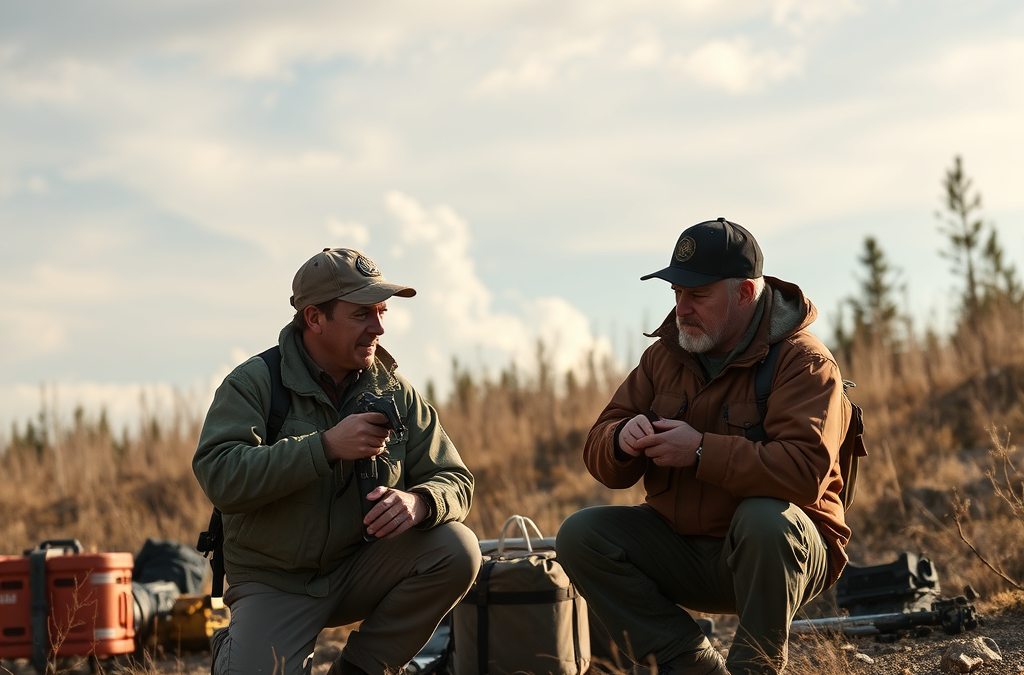
Finding reliable prepper networks poses significant challenges, primarily due to misinformation and trust issues among members. To enhance your chances of connecting with trustworthy groups, prioritize networks that demonstrate transparency and have a history of successful preparedness initiatives. Engaging in local meetups or workshops allows you to observe group dynamics and assess members' preparedness levels firsthand. Additionally, be cautious of blindly trusting online communities; always verify the credibility of information before joining. Aligning your values with those of the network is essential to foster a collaborative environment and maximize your preparedness efforts.
Assessing Credibility in Prepper Networks
Evaluating the credibility of prepper networks is crucial for ensuring you connect with trustworthy individuals and organizations. Reliable networks often exhibit transparency in their operations, including clear communication about their goals, strategies, and member expectations. One effective method to assess a network’s credibility is to look for established groups with a history of successful preparedness activities and community involvement.
Moreover, consider the background and experience of the network’s leaders. They should have practical knowledge of survival skills and emergency preparedness. Engaging in local meetups or workshops can give you firsthand insight into the group’s dynamics and the preparedness levels of its members. It’s essential to observe how they interact with one another and whether they promote a collaborative environment, as this can indicate the network’s reliability.
Common Pitfalls When Joining Networks
Many individuals encounter pitfalls when attempting to join prepper networks, often stemming from misinformation or unrealistic expectations. One common mistake is placing blind trust in online forums or social media groups without verifying the credibility of the information shared. This can lead to joining networks that may not have the necessary expertise or resources.
Additionally, some people may overlook the importance of shared values and goals within a network. It’s vital to ensure that the group’s philosophy aligns with your own beliefs about preparedness and survival. A mismatch can create friction and reduce the effectiveness of your collaborative efforts. Take the time to interview potential networks, ask about their values, and assess how they approach preparedness challenges.

Building Your Own Prepper Network
Creating your own prepper network can be an effective way to ensure that you are surrounded by like-minded individuals who share your values and objectives. Start by identifying your community’s needs and the specific skills or resources you wish to include in your network. This could encompass individuals with expertise in areas such as gardening, first aid, or self-defense.
Once you have a vision for your network, begin reaching out to friends, family, and local community members to gauge interest. Organizing initial meetings or workshops can spark engagement and help you establish a foundational group. As your network grows, prioritize open communication and collaboration to foster a supportive environment. Regular training sessions and skill-sharing workshops can enhance the preparedness of your group while building trust among members.
Evaluating Online Prepper Communities
Online prepper communities can offer valuable connections and resources, but they require careful evaluation to avoid potential pitfalls. Start by researching the community’s reputation through reviews, testimonials, and member feedback. Look for platforms that emphasize accountability and provide opportunities for members to verify each other’s claims and experiences.
Engagement levels within the community are also significant. A vibrant, active community with regular discussions and member contributions is often a good sign of reliability. Pay attention to the quality of information shared; credible communities will provide well-researched, actionable advice rather than sensationalized content. Always be cautious about sharing personal information and ensure that the community prioritizes privacy and security.
Frequently Asked Questions
What should I look for in a reliable prepper network?
Look for networks with transparent communication, experienced leadership, and a history of successful preparedness activities.
How can I avoid misinformation in prepper networks?
Verify information through multiple sources, engage with established members, and prioritize networks that promote accountability.
What are the benefits of building my own prepper network?
Building a network allows you to connect with like-minded individuals, share skills, and create a supportive community focused on preparedness.
How can I assess the credibility of online prepper communities?
Research the community's reputation, evaluate member engagement, and pay attention to the quality of information shared.
What common mistakes should I avoid when joining a prepper network?
Avoid placing blind trust in unverified sources and ensure that the network's values align with your own preparedness philosophy.
Further Reading
Authoritative Sources
- Library of Congress Research Guides
guides.loc.govResearch guides that help readers locate reliable background sources on a wide range of subjects
- USA.gov Official Information and Services
usa.govOfficial U.S. government information and public resources for practical reference
- Google Scholar
scholar.google.comAcademic search resource for finding research literature and source material
Related Content
- Self Determination the Empowerment for Life
- Common Reasons Emergency Plans Fail During Disasters: Miscommunication, Inadequate Resources, and Lack of Training
- The Challenges of Prepping for Less Common Disasters: Strategies for Unique Situations
- The Time to Prepare is Now: Building a Resilient Disaster Plan
- Positive Preparedness: Using Optimism as a Tool




