
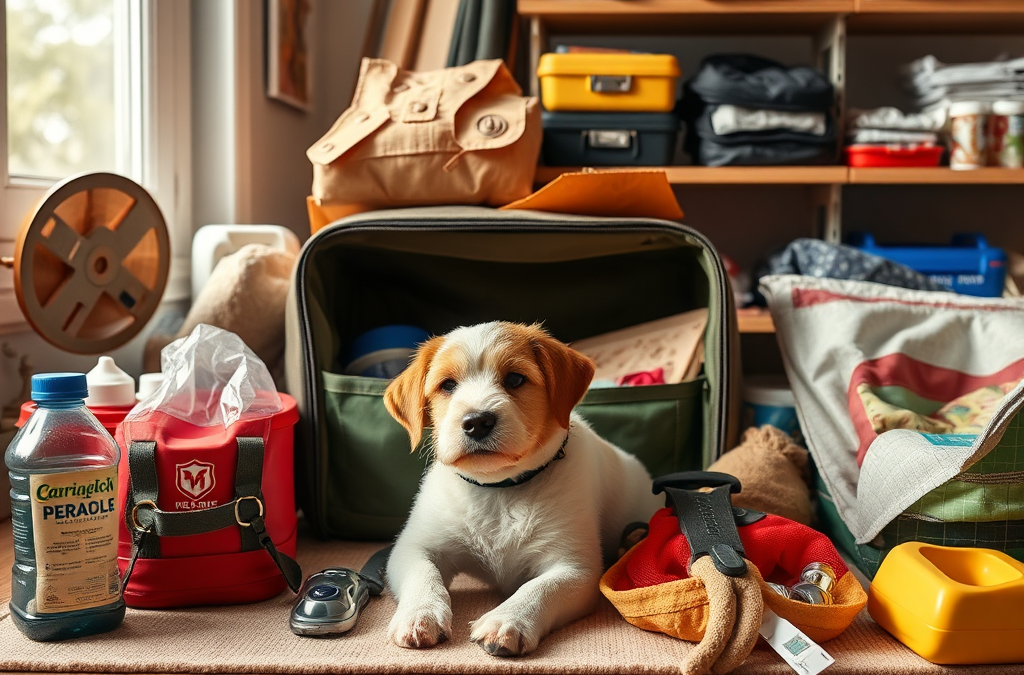
To prepare for emergencies with pets, develop a comprehensive plan that addresses their specific needs. Start by assembling an emergency kit that includes at least three days' worth of food and water, medications, and a pet-specific first aid kit. Create an evacuation plan that outlines safe routes and includes a communication strategy for keeping in touch with family members. Regularly practice evacuation drills with your pets to help them become familiar with the process, reducing anxiety during real emergencies. Remember to keep your pet's identification and medical records easily accessible to ensure a smooth transition in case of evacuation.
Understanding Emergency Preparedness for Pets
Emergency preparedness for pets involves having a comprehensive plan that ensures their safety during unexpected situations like natural disasters, accidents, or health crises. Knowing how to prepare for emergencies with pets can significantly reduce stress and increase the likelihood of a successful response. A well-prepared owner can mitigate risks, protect their pets, and ensure they have the necessary resources to cope with emergencies.
One of the common misconceptions is that pets can simply be left to fend for themselves during emergencies. However, pets depend on their owners for safety and security. When creating an emergency plan, consider the unique needs of your pets, such as dietary restrictions, medical conditions, and behavioral tendencies. These factors will guide your preparation efforts and help you avoid pitfalls that could compromise your pet’s wellbeing.
Essential Supplies for Pet Emergency Kits
Having an emergency kit specifically designed for your pets is crucial. This kit should include essential supplies that cater to their needs. Key items to include are:
- Food and Water: Pack enough non-perishable food and fresh water for at least three days. Consider their dietary preferences and any allergies.
- Medications: Store any prescription medications and a list of your pet’s medical history, including vaccination records.
- First Aid Kit: Include basic first aid supplies tailored for pets, such as bandages, antiseptic wipes, and tweezers for removing splinters or ticks.
- Identification: Ensure your pets are microchipped and have ID tags with up-to-date contact information.
- Comfort Items: Bring along familiar items like toys, bedding, or blankets to help reduce anxiety during stressful situations.
It’s important to regularly check and update these supplies to ensure they remain usable and relevant. A common mistake is overlooking expiration dates on food and medications, which can render them ineffective when needed most.

Creating an Evacuation Plan for Your Pets
Developing an evacuation plan is essential for ensuring your pets can be safely transported during an emergency. Start by identifying potential evacuation routes from your home to safe locations, such as friends’ houses, shelters, or veterinary clinics. Make sure these locations are pet-friendly and confirm their policies in advance.
Practice the evacuation plan by getting your pets used to their carriers or leashes. Familiarize them with the sound of a whistle or a specific command that signals it’s time to go. This preparation can help minimize panic and confusion when an emergency actually occurs. Additionally, consider creating a checklist to follow during an evacuation. This should include:
- Gathering your emergency kit
- Ensuring all pets are accounted for
- Securing your home as much as possible
- Following your planned evacuation route
Regular drills can help reinforce this plan, making it second nature for both you and your pets to respond effectively during a crisis.
Training Your Pets for Emergencies
Training your pets to respond appropriately during emergencies is a crucial aspect of preparation. Begin by teaching them basic commands such as “come,” “stay,” and “leave it.” These commands can be invaluable in ensuring your pets remain calm and responsive when under stress.
Consider desensitizing your pets to various emergency scenarios, such as loud noises or sudden movements. Gradually expose them to these situations in a controlled environment, rewarding them for calm behavior. Another effective method is to practice crate training, as this provides a secure space for your pets during emergencies.
One common mistake is assuming that pets will instinctively know how to behave during a crisis. In reality, their reactions can be unpredictable without prior training. By investing time in training, you can help ensure your pets are better equipped to handle emergencies and remain safe.
Frequently Asked Questions
What should I include in my pet's emergency kit?
Your pet's emergency kit should include food, water, medications, a first aid kit, identification, and comfort items.
How can I prepare my pet for evacuation?
Familiarize your pet with their carrier, practice evacuation routes, and use specific commands to guide them during emergencies.
Why is training important for pets during emergencies?
Training helps pets respond calmly and effectively in stressful situations, reducing panic and ensuring their safety.
How often should I update my pet's emergency supplies?
Regularly check and update your pet's emergency supplies every six months or whenever there are changes in their health or needs.
What are common mistakes pet owners make in emergency planning?
Common mistakes include neglecting to include essential supplies, failing to practice evacuation plans, and not ensuring pets are properly identified.
Further Reading
Authoritative Sources
Authoritative Sources
- Ready.gov: Pets
ready.govThis resource provides valuable information on how to prepare for emergencies with pets, including checklists and planning tips
- ASPCA Disaster Preparedness
aspca.orgASPCA offers comprehensive guidelines on creating a disaster plan for pets, including supplies and training recommendations
Conclusion
Preparing for emergencies with pets requires careful planning and proactive measures. Prioritize creating a comprehensive emergency kit, developing an evacuation plan, and training your pets to respond appropriately under stress. By taking these steps, you can enhance both your and your pet’s safety and well-being during unforeseen circumstances.
Related Content
- 5 Essential Items to Keep in Your Emergency Kit
- Safety and Preparedness Planning: Key Steps for Effective Emergency Management
- How to Build a Survival Kit: Essential Items and Steps for Preparedness
- Tyvek Camping Tent: 4 Reasons Why House Wrap Belongs In Your Survival Package
- 10 Effective preparedness community resources to Boost Your Readiness in 2025




