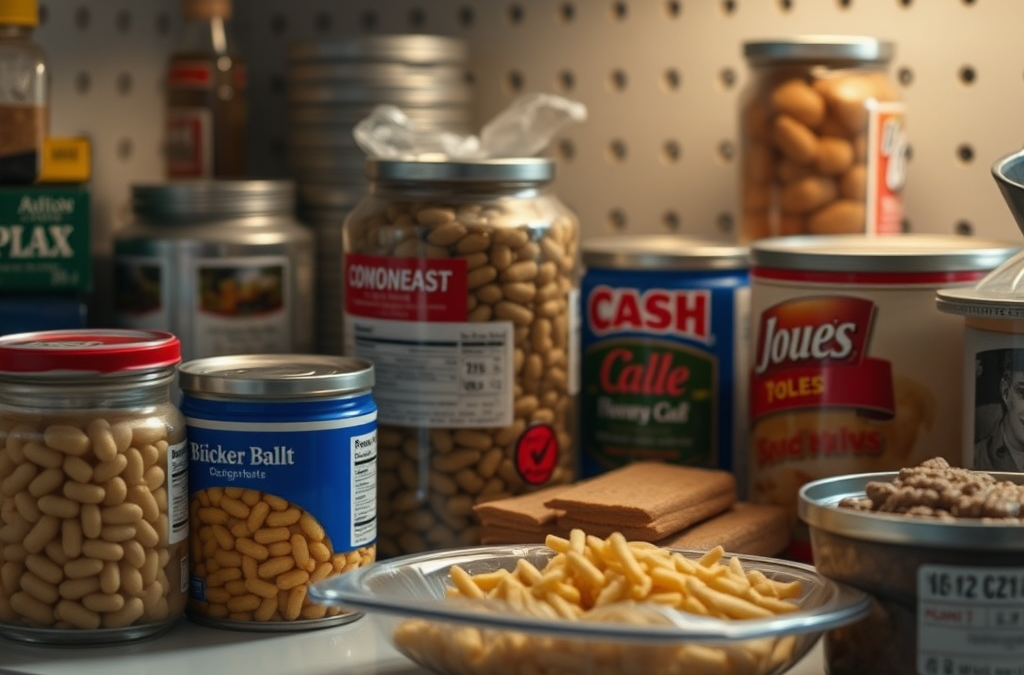
Misunderstandings about the shelf life of prepper foods can lead to unnecessary waste and safety concerns. Many people mistakenly believe that foods like canned goods and dried items last indefinitely, but their longevity is influenced by storage conditions such as temperature and humidity. For example, while canned vegetables may be safe for years past their expiration date if stored properly, fluctuations in temperature can significantly shorten their shelf life. To maximize the usability of prepper foods, it's essential to store them in a cool, dark, and dry place and regularly inspect them for signs of spoilage or damage. Understanding these factors helps preppers maintain a safe and effective food supply.
Understanding Expiration Dates
Expiration dates on prepper foods often lead to misunderstandings about their actual shelf life. Many consumers interpret these dates as definitive indicators of safety, but they are typically more about quality than safety. For instance, canned goods may still be safe to consume long after their printed date if they have been stored correctly. It’s essential to know that these dates can vary widely depending on the type of food and its packaging.
For example, a can of vegetables might have a shelf life of 2-5 years, while freeze-dried meals can last up to 25 years or more. Understanding these differences helps preppers manage their supplies more effectively and avoid unnecessary waste. Regularly checking the condition of stored items, such as looking for rust or bulging cans, also plays a vital role in ensuring food safety.
Ideal Storage Conditions
The shelf life of prepper foods is significantly influenced by storage conditions. Factors such as temperature, humidity, and light exposure can affect food longevity. Ideally, prepper foods should be stored in a cool, dark, and dry environment. High temperatures can accelerate the degradation of food quality, while humidity can lead to mold and spoilage.
For instance, storing canned goods in a basement that is prone to temperature fluctuations can shorten their shelf life. Conversely, a stable environment, such as a climate-controlled pantry, can extend the usability of these products. Preppers should consider investing in temperature and humidity monitoring devices to maintain optimal conditions.

Common Myths About Shelf Life
Many myths surround the shelf life of prepper foods, leading to misconceptions that can jeopardize food safety. One prevalent myth is that foods like rice and beans last indefinitely. While these staples can last for many years, their shelf life is contingent on proper storage methods. If exposed to air or moisture, they can spoil much sooner.
Another common misunderstanding is regarding vacuum-sealed foods. While vacuum sealing can significantly extend shelf life by reducing exposure to oxygen, it does not make food invulnerable to spoilage. It’s still essential to monitor the integrity of the seal and the storage conditions. Understanding these myths and the reality behind them can help preppers make informed decisions about their food supplies.
Best Practices for Prepping Foods
To maximize the shelf life of prepper foods, adopting best practices is crucial. First, regularly rotate your food stock, using the oldest items first to avoid spoilage. This method, known as FIFO (First In, First Out), ensures that food is consumed before it reaches the end of its shelf life.
Additionally, consider labeling all food items with purchase dates and expected expiration dates. This practice helps in tracking the age of your supplies and planning your meals accordingly. It’s also wise to conduct periodic audits of your food storage to identify any items that may need to be replaced or consumed soon. By following these practices, preppers can maintain a reliable and safe food supply.
For those seeking more information on the shelf life of prepper foods, consider checking reputable sources such as the USDA guidelines on food storage, or consult resources from food safety organizations that provide detailed insights into best practices for food preservation.
Frequently Asked Questions
What is the difference between expiration dates and best by dates?
Expiration dates indicate the last date for peak quality, while best by dates suggest when the product will be at its best flavor or quality, not safety.
Can I eat canned food past its expiration date?
Yes, canned food can often be consumed past its expiration date if the can is undamaged and the food looks and smells fine.
How should I store dried foods for maximum shelf life?
Dried foods should be stored in airtight containers, kept in a cool, dark, and dry place to maximize their shelf life.
What are signs that prepper foods have gone bad?
Signs include off smells, discoloration, bulging cans, or visible mold. If in doubt, it’s safer to discard the item.
How often should I check my food supplies?
It’s advisable to check your food supplies every six months to ensure they are still safe and usable.
Further Reading
Authoritative Sources
- Library of Congress Research Guides
guides.loc.govResearch guides that help readers locate reliable background sources on a wide range of subjects
- USA.gov Official Information and Services
usa.govOfficial U.S. government information and public resources for practical reference
- Google Scholar
scholar.google.comAcademic search resource for finding research literature and source material
Conclusion
Understanding the shelf life of prepper foods is essential for effective food management and safety. By recognizing the importance of expiration dates, ideal storage conditions, and common misconceptions, preppers can ensure their food supplies remain safe and usable. Regular audits, proper storage techniques, and informed decision-making are key to maximizing the shelf life of your prepper foods.




